
Planning the Perfect Trip to Cairo
A practical planning guide to Cairo — how many days to give the city, when to go, which neighbourhood to stay.
Read the full guideUpdated · 9 min read
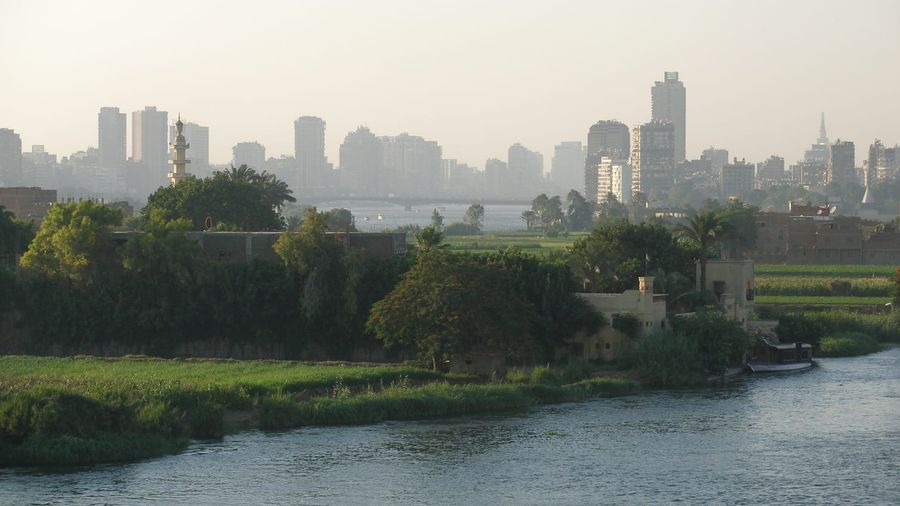
Cairo rewards at least three full days: one for the Pyramids of Giza and the Grand Egyptian Museum, one for medieval Islamic Cairo and its bazaar, and one for Coptic Cairo and the Egyptian Museum on Tahrir Square. Visit between October and April, stay near the Nile or in the historic core, and let a licensed Egyptologist absorb the logistics so the city's twenty-million-voice energy becomes a pleasure rather than a trial.
Few cities layer their history as densely as Cairo. Pharaonic tombs sit on the western horizon, a medieval Islamic quarter of six hundred listed monuments fills the old core, and Coptic churches predate the Arab conquest — all wrapped in a modern megacity of more than twenty million people. That richness is precisely why Cairo intimidates first-time visitors. This guide sets out how to plan a trip that captures the depth without the exhaustion: how long to stay, when to come, where to base yourself, how to choose a tour, and what to budget across Egypt's restless capital.
How many days do you need in Cairo?
Give Cairo three full days at a minimum, and four if you can spare them. The sights are spread across a huge, traffic-clogged metropolis, so the constraint is rarely how much there is to see — it is how much ground you can realistically cover between morning and dusk.
A workable three-day shape treats each day as a single geographic cluster to avoid crossing the city twice. Day one belongs to the west: the Pyramids of Giza at opening, then the nearby Grand Egyptian Museum. Day two stays in the medieval core — Khan El-Khalili, Al-Azhar Mosque, and the Saladin Citadel crowning the Mokattam hills. Day three covers Coptic Cairo in Old Cairo and the original Egyptian Museum on Tahrir Square, whose Tutankhamun galleries and Royal Mummies remain unmissable even as collections migrate to the new museum. A fourth day is the difference between rushing and lingering — use it for a felucca sail on the Nile, a return to whichever quarter caught you, or a slow morning to recover from the pace.
When is the best time to visit Cairo?
October through April is the clear winner, with warm, dry days that make walking the Giza plateau and the bazaar comfortable rather than punishing. Summer, from June to August, regularly tops 40°C and turns outdoor sightseeing into an early-morning-only affair.
The shoulder edges of the cool season — late October, November, March, and April — combine pleasant temperatures with lighter crowds than the December-to-February peak, when European visitors arrive in force and the best guides book out. Two timing notes matter beyond the weather. Ramadan shifts roughly eleven days earlier each year on the lunar calendar; during it many restaurants adjust their hours and the city's rhythm changes, which some travellers find atmospheric and others find limiting, so check whether your dates overlap. And whenever you visit, treat the heat as the organising principle of each day: front-load outdoor sites into the cooler morning and save museums and shaded lanes for the afternoon.
| Season | Months | What to expect |
|---|---|---|
| Peak | Dec–Feb | Warmest light, mild days, busiest sites, highest prices |
| Ideal shoulder | Oct–Nov, Mar–Apr | Comfortable warmth, thinner crowds, best value |
| Hot and quiet | May, Sep | Bearable at dawn, wilting by midday |
| Extreme heat | Jun–Aug | 40°C+, dawn starts essential, deep discounts |
Which neighbourhood should you stay in?
Your base shapes the trip more than any single ticket. Zamalek and Garden City suit travellers who want calm, greenery, and river views; Downtown puts you within reach of the Egyptian Museum and the metro; and staying out near Giza trades city access for a pyramid on the horizon.
Zamalek, an island in the Nile, is the leafiest and most relaxed of the central options — embassies, galleries, and quiet cafés, with easy bridges to both banks. Garden City offers a similar hush along the river's east bank, a short ride from Tahrir Square. Downtown Cairo trades tranquillity for location: you are walking distance from the Egyptian Museum and plugged into the metro, though the streets are loud and busy. Giza, near the plateau, lets some hotels frame the Pyramids from the breakfast terrace, but it is a long, traffic-bound haul back into the historic centre, so it best suits a short pyramid-focused stay rather than a full Cairo itinerary.
Which type of tour should you choose in Cairo?
Match the tour to how much depth and control you want. Shared group tours are the budget-friendly way to tick off the headline sights, while a private licensed Egyptologist turns a checklist into a narrative and shields you from the touts. Egypt's Ministry of Tourism licenses guides at major monuments, so specialization genuinely matters in a city this layered.
The city's density of historical periods means a generalist guide covers less well than a specialist. A Coptic Cairo walk, an Islamic Cairo architecture tour, or a dedicated Grand Egyptian Museum visit each reward a guide who knows that period intimately. Whatever you choose, book through a reputable agency or your hotel rather than accepting offers at the gate, where unofficial "guides" are part of the hassle.
| Tour type | Typical cost | Best for |
|---|---|---|
| Group half-day (Pyramids + Museum) | $30–50 per person | First-timers on a budget |
| Private half-day, licensed Egyptologist | $80–150 (small group, with transport) | Depth and flexible pacing |
| Private full-day | $150–250 (with transport) | Combining Giza with the old city |
| Themed specialist (Coptic or Islamic Cairo, GEM) | $100–200 per person | Repeat visitors and enthusiasts |
For a first visit, a common and sensible combination is one private full day pairing Giza with the Grand Egyptian Museum, plus a themed walking tour of Islamic or Coptic Cairo — enough expert guidance where it counts, with independent time in the bazaar and along the Nile in between.
How much should you budget for Cairo?
Cairo can be done cheaply or in real comfort, and the swing is wide. A frugal traveller might spend under $70 a day, a mid-range visitor $150–250, and higher-end trips climb well beyond that once private guiding and riverside hotels enter the picture.
Two things dominate the daily total: guiding-with-transport and where you sleep. Site entry is a smaller, separate cost that adds up across a packed itinerary — the Giza plateau, the Egyptian Museum, the Citadel, and the Grand Egyptian Museum each carry their own ticket, and interiors such as going inside a pyramid cost extra again. Egyptian Pound prices shift frequently with the exchange rate, so treat every figure below as a planning estimate and confirm current rates before you go.
| Travel style | Lodging / night | Food / day | Guiding + transport / day | Rough daily total |
|---|---|---|---|---|
| Budget | $15–35 | $8–15 | $20–40 | $45–90 |
| Mid-range | $60–120 | $20–40 | $50–90 | $130–250 |
| Higher-end | $150+ | $50+ | $120+ | $320+ |
Carry a reserve of small Egyptian-pound banknotes throughout. Tipping — baksheesh — is woven into daily life: EGP 20–50 for small services, and around 10–15% of the fee for a private guide.
How do you get around Cairo?
Cairo's traffic is genuinely legendary, so the smart move is to plan routes around it rather than fight it. The metro is the fastest way to cross the centre, ride-hailing apps beat street taxis for predictability, and cross-city hops should always be budgeted at 60–90 minutes.
The Cairo Metro's three lines cut under the congestion and are cheap, efficient, and the quickest option for reaching Downtown and Coptic Cairo. Above ground, Uber and Careem are widely used and spare you the taxi negotiation, with transparent fares and drivers who navigate the chaos for you. For the Pyramids and outlying sites, a private driver arranged through your guide is the most practical choice — pickups at the Giza gates are notoriously disorganised, so arrange the return leg in advance. However you move, avoid crossing the city at rush hour, and let your guide sequence the day so you never double back across the Nile. For a deeper dive into the plateau logistics specifically, our Cairo and Giza pyramids practical guide covers gates, tickets, and timing in detail.
What should you know before you go?
A few habits smooth out almost every Cairo friction point: dress modestly for mosques, carry cash in small notes, expect to bargain, and meet the touts with calm rather than irritation.
Cover shoulders and knees at religious sites, and women should carry a headscarf for mosque entry — Al-Azhar and the Muhammad Ali Mosque inside the Citadel both require it. Bargaining is the expected ritual in Khan El-Khalili and most shops, where the first price quoted is only an opening bid; keep it good-humoured and walk away freely. Around the busiest sites, souvenir and camel-ride touts can be persistent, and a firm, friendly "la, shukran" (no, thank you) settles most encounters. Tap water is best avoided for drinking, so stick to bottled water, and keep sunscreen, a hat, and a refillable bottle on you for the long, shadeless stretches. Handle these small things and Cairo stops feeling like an obstacle course — it becomes what it has been for a thousand years, one of the great cities of the world to simply walk through.
Frequently Asked Questions
How many days do you need in Cairo?
Three full days is the sensible minimum — one for Giza and the Grand Egyptian Museum, one for Islamic Cairo and its bazaar, and one for Coptic Cairo and the older Egyptian Museum on Tahrir Square. A fourth day adds breathing room for the traffic and a slower afternoon.
Is Cairo safe for tourists?
Cairo is broadly safe for visitors, and violent crime against tourists is rare. The everyday frustrations are heavy traffic, persistent souvenir and taxi touts around major sites, and chaotic road crossings. Booking transport through Uber or Careem and using a licensed guide at busy monuments removes most of the friction.
How much does a private guide cost in Cairo?
A licensed Egyptologist for a private half-day tour runs roughly $80–150 for a small group including transport, and $150–250 for a full day. Shared group tours of the Pyramids and Egyptian Museum start around $30–50 per person, while themed Coptic or Islamic Cairo tours typically cost $100–200 per person.
Do you need to book Cairo tours in advance?
For the peak October-to-April season it is worth booking a private guide a week or two ahead, especially for the Grand Egyptian Museum and any tour that combines Giza with central Cairo. Walk-up group tours are usually easy to arrange through your hotel, but the best licensed guides fill up quickly.