
Best Time to Visit Shanghai: A Season-by-Season Guide
When to visit Shanghai based on weather, humidity, the plum rains, typhoon season, holidays, and crowds — with practical timing, budget, and tour advice for planning a trip.
Read the full guideUpdated · 12 min read
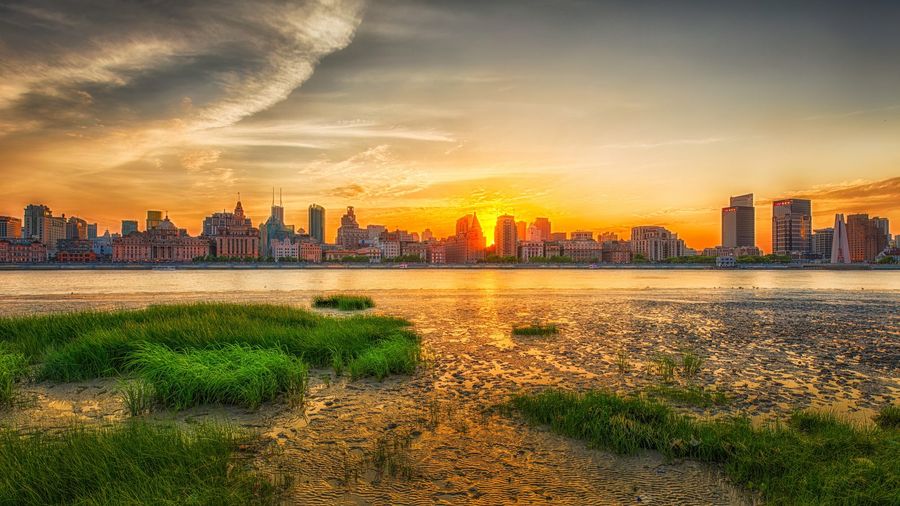
Shanghai's best window runs from late September through November, when the summer humidity finally lifts, the skies clear, and daytime temperatures settle into a comfortable range for walking the waterfront. Late spring — April into May — is the strong runner-up, before the June plum rains set in. Midsummer is hot, sticky, and storm-prone, while winter is cold and damp but quiet and cheap. Three national holidays — Chinese New Year, the May Day break, and National Day's Golden Week — pack the city and push hotel prices sharply higher, so timing around them matters as much as the weather.
Shanghai sits at the mouth of the Yangtze on the same humid subtropical belt as much of China's east coast, which means the calendar does real work here. Get the timing right and you can stroll The Bund at golden hour in shirtsleeves, linger over tea in Yu Garden without wilting, and ride to the observation deck of the Shanghai Tower under skies clear enough to see the river bend away toward the sea. Get it wrong and you spend a July afternoon darting between air-conditioned metro carriages while a typhoon band floods the streets outside. This guide breaks the year into seasons so you can match your trip to what the city actually delivers — and to the holidays and tour patterns that shape both crowds and cost.
What is Shanghai's climate like?
Shanghai has a four-season humid subtropical climate shaped by the East Asian monsoon. Winters are cool, grey, and damp; springs are mild but increasingly wet; summers are hot, extremely humid, and marked first by the plum rains of June and then by typhoon season into September. Autumn — dry, sunny, and mild — is the reward at the end of it, and the reason experienced visitors aim for October and November.
Unlike a tropical port, Shanghai genuinely swings through all four seasons, and the transitions are as important as the extremes. Spring warmth builds pleasantly until a stationary rain front, the meiyu or "plum rains," parks over the lower Yangtze from about mid-June to early July and delivers weeks of drizzle. Once it clears, the heat spikes into a fierce, sticky high summer that carries typhoon risk along the coast through September. Then, almost on cue, drier continental air moves in and hands the city its finest stretch.
| Season | Temperature | Conditions |
|---|---|---|
| Winter (Dec–Feb) | 1–10°C / 34–50°F | Cold, damp, grey; occasional cold snaps, rare snow |
| Spring (Mar–May) | 9–23°C / 48–73°F | Mild and pleasant early, wetter and warmer by late May |
| Summer (Jun–Aug) | 24–35°C / 75–95°F | Plum rains in June, then hot, humid, typhoon-prone |
| Autumn (Sep–Nov) | 12–27°C / 54–81°F | Drying out; October and November are ideal |
Why is autumn the best time to visit Shanghai?
Autumn is the season to aim for. By late September the humidity has broken, rainfall thins, and the air turns clear and comfortable. October and November bring warm days, cool evenings, and the crispest skies of the year — perfect for the long walking itineraries that suit Shanghai best. The one caveat is the National Day Golden Week at the very start of October, when domestic travel surges nationwide.
If you can travel only once and want the best odds of good weather, come between mid-October and late November.
September still carries a tail of summer heat and lingering typhoon risk early in the month, but conditions improve steadily as it goes on. It is a good time to lean on indoor-friendly highlights when a warm afternoon lingers — the incense-scented halls of the Jade Buddha Temple, the Shanghai Museum on People's Square, or a river cruise past the illuminated skyline after dark.
October is superb once the crowds thin. The first week is National Day Golden Week (beginning 1 October), when hundreds of millions of people travel across China and the Bund, gardens, and rail stations fill to capacity — book well ahead or plan around those dates. From the second week, October settles into warm, dry, low-humidity days that are close to ideal for sightseeing on foot.
November may be the single best month. Highs in the high teens to low twenties Celsius, cool comfortable nights, low rainfall, and clear light make a stroll through the French Concession's plane-tree lanes or an evening on the Bund promenade as rewarding as the city gets. Crowds have eased, and hotel rates come off their holiday peaks.
Autumn cost range
- 3-star hotel: ¥450–750/night (higher during Golden Week)
- Food & market tour: ¥450–800 per person, tastings included
- Half-day private guide: ¥700–1,100
What is spring like in Shanghai?
Spring is a tale of two halves. March and April are mild, green, and among the loveliest weeks of the year for walking, with gardens in bloom and comfortable temperatures. From late April into May the warmth builds pleasantly, but so does the rain, and the May Day holiday brings a sharp spike in domestic crowds. By June the plum rains take over and mark the damp handover to summer.
March shakes off winter with cool, brightening days and the first blossoms. It is quieter and cheaper than autumn, though a jacket still earns its place. April is arguably spring's sweet spot: mild, colourful, and reliably drier than the weeks to come, ideal for long days on foot around the Old City and the waterfront.
May is warm and inviting but comes with two catches. The first is the May Day holiday (the first days of the month), a nationwide travel peak that fills hotels and sights and lifts prices. The second is the approach of the wet season — showers grow more frequent as the month ends. If your dates fall over the holiday, lock in accommodation well ahead, as noted in the wider guidance for China.
Spring cost range
- 3-star hotel: ¥450–750/night (much higher over May Day)
- Group walking tour: ¥200–350 per person
- Full-day private guide: ¥1,400–2,200, transport included
Why is summer the hardest season in Shanghai?
Summer is Shanghai at its most demanding. June opens with the plum rains — weeks of grey drizzle and clammy humidity — and once they lift, July and August bring sustained highs above 35°C, oppressive humidity, and the peak of typhoon season along the coast. It is genuinely uncomfortable for extended outdoor sightseeing, and plans need built-in flexibility for storms. The upside is that it is low season for foreign visitors, so guides and hotels are easier to book outside the holidays.
The heat here is not just a number on a forecast: the humidity means it rarely cools much overnight, and the "feels-like" temperature routinely runs several degrees above the actual reading. Typhoons that track up the East China Sea between roughly July and September can bring a day or two of flight disruption and flooded streets at a time.
How to make summer work: treat the day like locals do. Start early, retreat to the shaded, air-conditioned metro or a museum through the worst of the midday heat, and save outdoor highlights — the Bund skyline, a Huangpu River night cruise, the tower observation deck — for the cooler evening. Shanghai's metro is vast, bilingual, and blessedly air-conditioned, which makes summer far more survivable than it would otherwise be. Early summer also hosts the Shanghai International Film Festival in June, a draw for cinema fans willing to trade weather for culture.
Summer cost range
- 3-star hotel: ¥400–650/night (holiday periods excepted)
- Group walking tour: ¥200–350 per person
- Half-day private guide: ¥700–1,100
What is winter like in Shanghai?
Shanghai winters are cold, damp, and often grey rather than snowy, with temperatures hovering near freezing on the coldest mornings and a raw chill that the humidity makes feel sharper than the thermometer suggests. It is the quietest and cheapest season for sightseeing — until Chinese New Year, the single largest travel event on the planet, upends the calendar in late January or February.
December is cold but frequently clear, and with the autumn crowds gone it offers good value and thin queues at major sights. Wrap up warm and the Bund on a crisp, bright winter day is a genuine pleasure. January and February bring the year's coldest weeks and are dominated by Chinese New Year (the date shifts each year, falling in late January or February). In the run-up and during the holiday, the nationwide travel crush sells out trains and flights weeks ahead, and many small, family-run restaurants and shops close for several days. The city itself turns quieter and more residential on the holiday, but temple fairs, lantern displays, and festive markets reward visitors who plan around the transport crunch and book early.
Winter cost range
- 3-star hotel: ¥400–650/night (spikes hard around Chinese New Year)
- Group walking tour: ¥200–350 per person
- Full-day private guide: ¥1,400–2,200, transport included
How do you choose a tour to match your timing?
Match the tour format to the season. In the comfortable autumn and spring windows, walking and food tours on foot are the best way to read the city; in the heat of summer or the damp of winter, lean toward river cruises, museum visits, and half-day private guides with a car. Prices are set by tour type rather than season, though guides are scarcest — and worth booking earliest — over the three big holidays.
A knowledgeable local guide earns their fee in Shanghai less for the language barrier, which is milder here than elsewhere in China, than for the context and the shortcuts: the stories behind the Bund's fifty-odd historic facades, the queue-skipping at popular sights, and the willingness to steer you to the best xiaolongbao counter rather than the most Instagrammed one. The city overview for Shanghai lists the guide formats available and typical costs; the ranges below reflect the same published rates.
- Group walking tours — ¥200–350 per person, best in the mild shoulder seasons when hours on foot are a pleasure
- Food & market tours — ¥450–800 per person with tastings, rewarding year-round but especially in cool autumn evenings
- Half-day private guides — ¥700–1,100, a flexible choice that adapts well to summer heat or winter chill
- Full-day private guides — ¥1,400–2,200 with transport, ideal for combining Shanghai with a day trip to nearby Hangzhou or Suzhou
When should you book a Shanghai trip?
Book accommodation earliest for any dates touching Chinese New Year, the May Day break, or National Day Golden Week — several months out is not too soon, as rooms genuinely sell out citywide. Private guides and popular food tours can usually be arranged a few weeks ahead outside those peaks, and off-season sightseeing can be organised closer to your travel dates.
Three or more months ahead: Hotels and transport for Chinese New Year, and rooms over the May Day and National Day holidays, when demand is nationwide.
Four to six weeks ahead: English-speaking private guides and popular group food tours during the busy autumn window.
One to two weeks ahead: Off-peak guided walks and day plans in midsummer or deep winter, when availability is comfortable.
What should you pack for Shanghai by season?
Pack for humidity most of the year, adding serious rain protection for the plum-rain and typhoon months and a genuinely warm, wind-resistant layer for the damp winter. Comfortable walking shoes and a compact umbrella earn their place in almost every month.
Autumn: Light, breathable clothing for warm October days, plus a sweater or light jacket for cool November evenings, and comfortable shoes for long walking days.
Spring: Breathable layers and a light waterproof jacket, with a compact umbrella once the showers become more frequent toward late May.
Summer: The lightest fabrics you own, strong sun protection, a hat, quick-dry clothing, and reliable rain gear for the plum rains and typhoon downpours. A light layer helps against fierce indoor air-conditioning.
Winter: A warm, wind-resistant coat and layers for the raw, damp chill, plus an umbrella for grey, drizzly spells. Heavy snow is rare, so waterproof shoes matter more than snow boots.
Related Guides
For planning a broader China itinerary around your time in Shanghai, these guides add useful context:
- Beijing Guided Tours — pairing the imperial capital with cosmopolitan Shanghai on a single trip
- Planning a Trip to Hangzhou — timing a day trip or extension to Shanghai's serene neighbour on West Lake
- Xi'an Terracotta Army Tours — adding one of China's great historical sights to an eastern itinerary
Shanghai never really closes for the season — its food, its energy, and its restless reinvention run year-round. But the weather is a genuine variable here, and a little calendar strategy pays off handsomely. Come in October or November for the clearest skies and most comfortable days, in April for warm spring streets before the rains, or in deep winter for quiet good value — and always check where Chinese New Year, May Day, and National Day fall before you book a room.
Planning a trip to Shanghai and unsure which season fits your priorities? Reach out for personalised recommendations.
Frequently Asked Questions
What is the best time to visit Shanghai?
Autumn, from late September through November, is the finest window — cool, dry, and clear after the summer humidity breaks. Late spring, especially May, is the strong second choice before the June plum rains arrive.
When should I avoid visiting Shanghai?
Skip July and August if you can, when heat above 35°C, saturating humidity, and typhoon risk make outdoor sightseeing hard. Also plan carefully around the three big holiday crushes: Chinese New Year, the May Day break, and National Day Golden Week in early October.
What are the plum rains in Shanghai?
The meiyu, or plum rains, are a stationary front that parks over the lower Yangtze from roughly mid-June to early July, bringing weeks of grey skies, drizzle, and high humidity. It marks the damp transition between comfortable spring and the fierce heat of high summer.
How many days do you need in Shanghai?
Three full days cover the essentials — the Bund and Pudong skyline, Yu Garden and the Old City, the French Concession, and one museum or temple — at a comfortable pace. Four or five days let you add a day trip to nearby Hangzhou or Suzhou without rushing.
Is Shanghai expensive to visit?
Shanghai is China's priciest mainland city, but costs swing with the calendar. Hotel rates spike hard around Chinese New Year, May Day, and National Day, and sit lowest in the deep winter and midsummer lulls outside those holidays.