
Best Time to Visit Mykonos: A Season-by-Season Guide
When to visit Mykonos for warm seas, running ferries to Delos, and a walkable Chora without the August crush. Month-by-month advice on weather, crowds.
Read the full guideUpdated · 9 min read
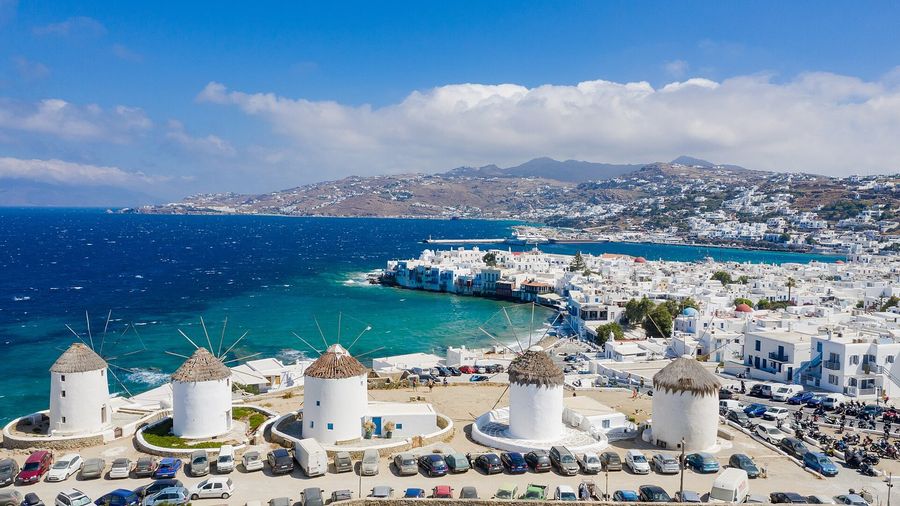
The best time to visit Mykonos is late May through June and September into early October, when the Aegean is warm, ferries and beach clubs run full schedules, and the alleys of Chora stay walkable rather than shoulder-to-shoulder. July and August deliver the beach heat and the famous nightlife but also the biggest crowds and steepest prices; from November the island largely shuts down.
Mykonos is two islands stacked on one another: a cosmopolitan party capital of beach clubs and celebrity-spotting, and a compact Cycladic town of whitewashed lanes, hilltop windmills, and a boat ride to sacred Delos. Which one you meet depends almost entirely on the month you choose. A June morning in the sunset-lit alleys of Little Venice and a mid-August scrum through the same passages are barely the same place. Get the timing right and Mykonos gives you warm water, running boats, and room to breathe.
What is the short answer on when to visit Mykonos?
For most travellers, aim for the shoulder months: late May to June, or September to early October. You get swimmable water, full ferry and beach-club schedules, and comfortable temperatures without the peak-season crush.
The Mykonos calendar splits cleanly. The shoulder season balances everything a visitor actually wants — open beaches, warm sea, and manageable numbers. July and August maximise heat, sea warmth, and the island's legendary nightlife, but also the crowds, prices, and queues. April and late October trade some warmth and open venues for near-empty streets and low prices. November through March is genuinely quiet, with much of the island closed. If a day trip to the ruins of Delos is high on your list, lean toward late May, June, or September, when the small ferry across the strait runs reliably and the exposed archaeological site is warm without the brutal midday heat of high summer.
What is Mykonos's weather like season by season?
Mykonos has a hot-summer Mediterranean climate: hot, dry, breezy summers and mild, wetter winters. The sea lags the air, staying warm well into October, which stretches the swimming season past the crowd season. The island's defining weather feature is the meltemi, a strong northerly wind that peaks in July and August.
Summer days sit in the low-to-mid 30s°C with almost no rain, cooled by that persistent Aegean breeze; winters are mild and green but windy and often wet. The meltemi is worth planning around — on its strongest days it whips up the exposed northern beaches and can delay or cancel ferries, which is why sheltered southern bays are the summer default.
| Season | Air temp | Sea temp | Rain | Feel |
|---|---|---|---|---|
| Winter (Dec–Feb) | 10–15°C | 15–16°C | Frequent, windy | Quiet, mostly closed |
| Spring (Mar–May) | 14–24°C | 16–19°C | Easing showers | Warming, uncrowded |
| Summer (Jun–Aug) | 26–33°C | 22–24°C | Very rare, windy | Hot, busy, full nightlife |
| Autumn (Sep–Nov) | 16–28°C | 20–24°C | Rising through season | Warm sea, thinning crowds |
The island's own month ratings single out May through September as the top-rated stretch, with the warm-sea, softer-crowd combination of September hard to beat.
How do crowds, cruise ships, and party season shape the calendar?
Mykonos crowding is driven by three overlapping forces — overnight visitors, cruise day-trippers, and the summer club scene — and all three peak together in July and August, when this 85-square-kilometre island absorbs the heaviest share of its 1.5 million annual visitors.
Cruise ships anchor off Chora and tender passengers into the old town, concentrating foot traffic through the narrow lanes from roughly 10am to 5pm. The reliable fix works in any month: walk Chora and the windmills early or after 6pm, when the day-trippers have re-embarked and the light on Little Venice turns gold. Overnight numbers and beach-club energy peak hard in July and August, when Paradise and Super Paradise run at full volume and reservations become essential. By mid-September the intensity eases noticeably while the sea stays warm — the single best argument for a shoulder-season trip. In spring and autumn, quieter coves like Agios Sostis give you a Cycladic beach day with barely a sound system in earshot.
When should you visit for Delos and boat trips?
If Delos and beach-hopping by boat are the point of your trip, travel between late May and mid-September, when the ferries and caïque water taxis run their fullest schedules. Outside that window, sailings thin out and meltemi winds cancel crossings more often.
The short ferry to the uninhabited sanctuary island of Delos — birthplace of Apollo and Artemis in myth, and one of the richest archaeological sites in the Mediterranean — is the island's signature excursion, and it is entirely weather-dependent. High summer offers the most frequent departures but the hottest, most exposed walking among the ruins; late spring and September give you the same reliable boats with far kinder conditions. Water taxis linking the southern beaches follow the same seasonal rhythm.
| Period | Delos & boat frequency | Wind risk | Notes |
|---|---|---|---|
| Late May–Jun | Daily sailings, warm and calm-ish | Moderate | Ideal for the exposed Delos site; book the guided crossing ahead |
| Jul–Aug | Most frequent, but hot and crowded | High (meltemi) | Go early; carry water and sun cover for the shadeless ruins |
| Sep–early Oct | Reliable daily sailings, thinning | Moderate | Best all-round window: warm sea, fewer people |
| Nov–Apr | Sparse or suspended | High | Delos often closed or weather-cancelled; confirm before travelling |
Delos keeps shorter opening days and closes on some public holidays, so confirm the schedule and pair the crossing with a licensed archaeological guide — the ruins are vast and unlabelled, and a guide is what turns scattered marble into a legible ancient city.
What do Mykonos tours and guides cost across the seasons?
Guided options run from tip-based Chora walks to private archaeology days on Delos, and prices hold fairly steady year-round; availability, not cost, is what changes with the season.
In peak summer, popular walking tours, Delos crossings, and small-group boat trips sell out days ahead; in the quiet months some operators pause entirely and you may need to arrange a private guide directly. The ranges below track the island's own published guide costs.
| Tour type | Typical price | Best booked |
|---|---|---|
| Group walking tour (Chora, 2–3 hrs) | €40–70 per person | 1–3 days ahead in summer |
| Delos day trip (boat + guide) | €80–120 per person | A week ahead Jun–Sep |
| Private half-day (up to 4, 4 hrs) | €250–400 | A week or more in peak season |
| Beach-hopping boat tour (full day) | €100–180 per person | Days ahead Jun–Sep |
Whatever the season, a knowledgeable guide is what reveals the Mykonos beyond the party reputation — the working history of the Kato Mili windmills, the fishing-village roots of Little Venice, and the ancient world that fills Delos just across the water.
How much does a Mykonos trip cost by season?
Accommodation is where the season hits your budget hardest: a room that costs €90 in May can triple in the first week of August, and Mykonos runs expensive even by Greek-island standards. Tours, meals, and ferries move far less.
Mykonos hotel and villa prices swing sharply with demand, so shifting a trip a few weeks either side of the July–August peak can meaningfully change the total. The ranges below are indicative for a mid-range traveller.
| Item | Shoulder (late May–Jun, Sep–Oct) | Peak (Jul–Aug) | Winter (Nov–Mar) |
|---|---|---|---|
| 3-star hotel / night | €120–220 | €250–500+ | Limited; many closed |
| Taverna dinner | €25–40 | €30–55 | €20–35 |
| Beach-club sunbed pair | €40–80 | €80–200+ | Closed |
| Guided Chora walk | €40–70 | €40–70 | By arrangement |
Peak-season accommodation is the single line worth planning around: book two to three months ahead for July and August, both to secure a place near Chora and to avoid the worst of the price spike. Shoulder-season visitors routinely pay less than half the August rate for the same room.
How do you get around Mykonos, and when?
Chora itself is car-free and walkable in any open season; the seasonal variable is how far the buses, water taxis, and ferries reach and how crowded they get.
The maze of central Mykonos Town — the windmills, the harbour, and the waterfront lanes of Little Venice — is best explored on foot. KTEL buses link Chora with the major beaches and the inland village of Ano Mera on regular routes through the tourist season, and water taxis hop between the southern beach coves. Many visitors rent an ATV or small car to reach secluded bays, though the narrow, sometimes steep roads reward caution, especially on windy days. In July and August, allow extra time everywhere — buses fill, the port backs up, and rentals sell out — while from November bus frequency drops and much of this network effectively pauses. Tipping stays consistent all year: round up in tavernas and offer around 10% to a private guide you were happy with.
Which season matches your travel priority?
Choose by what you most want. Beaches and nightlife point to summer; culture, value, and a warm swimmable sea point to the shoulder months; a quiet, local island points to the fringe of the season.
| Priority | Best window |
|---|---|
| Beach clubs and full nightlife | July to late August |
| Warmest sea with fewer crowds | Late June and September |
| Best value with beaches open | Late May–June, late September |
| Uncrowded Chora and calm Delos | May, early October |
| A quiet, local island | April, late October |
Mykonos does not demand a perfect season so much as an honest match between the calendar and what you came for. If that means one thing, make it September: the sea is still summer-warm, the ferries to Delos are still sailing, the sunset over Little Venice turns gold by early evening, and you can finally hear your own footsteps in Chora. For a wider Greek itinerary, Mykonos pairs naturally with the caldera villages of Santorini a short ferry south — both share the same shoulder-season sweet spot across the Cyclades.
Related guides
- Best Time to Visit Barcelona — timing another Mediterranean city on the same trip
- Best Time to Visit Split — season-by-season planning for an Adriatic island hub
- Best Time to Visit Venice — matching the calendar to another crowd-sensitive destination
Weighing up when to see Mykonos and how to fit Delos and the beaches around it? Reach out for tailored, season-specific advice.
Frequently Asked Questions
When is the best time to visit Mykonos?
Late May to June and September into early October give the best balance of warm sea, full ferry and beach-club schedules, and thinner crowds than the July and August peak. September keeps the sea swimmable while nightlife eases and restaurant tables open up.
Is the sea warm enough to swim outside high summer in Mykonos?
The Aegean around Mykonos is comfortably swimmable from roughly June through October, staying warm into September thanks to the sea's slow cooling. May is fresh but fine for the determined; by late October most beach clubs have closed.
When is Mykonos most crowded and expensive?
July and August bring peak party season, the fullest beaches, the highest prices, and temperatures above 30°C. Cruise-ship days also concentrate day-trippers in Chora between mid-morning and late afternoon through the summer.
Is Mykonos worth visiting in winter?
Most of the island effectively closes from November to April, with many hotels, beach clubs, and restaurants shut, thinner ferries, and strong meltemi winds. Winter suits travellers wanting a quiet, local Chora rather than beaches or nightlife.