
Mykonos timeline
- 11th century BCE
Ionians settle a quiet island
Ionian Greeks colonise Mykonos, which spends most of antiquity overshadowed by its sacred neighbour Delos, just across the water.
-
The Venetian Ghisi take control
After the Fourth Crusade dismembers Byzantium, the Venetian Ghisi family seizes Mykonos and Tinos, beginning centuries of Latin rule in the Cyclades.
-
Barbarossa raids the Cyclades
The Ottoman admiral Hayreddin Barbarossa plunders the island; the constant threat of piracy shapes the fortified Kastro and the deliberately confusing lanes of Chora.
- 16th century
Windmills rise over Chora
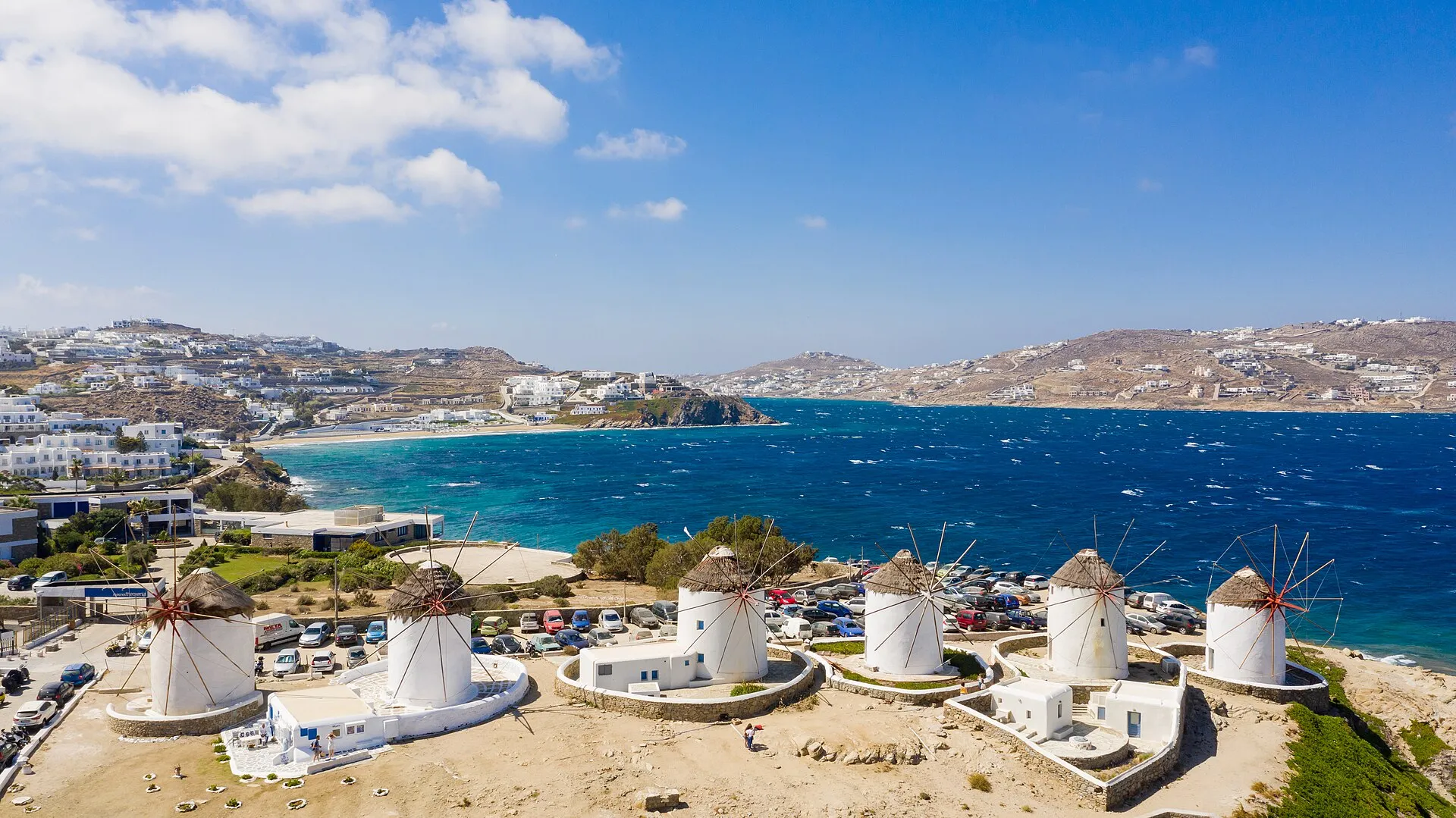
Whitewashed windmills are raised on the Kato Mili hill to grind grain for passing ships, becoming an engine of the island's maritime economy.
-
Manto Mavrogenous funds the revolution
The Mykonian heroine pours her fortune into the Greek War of Independence, fitting out ships and troops against Ottoman rule.
-
Mykonos joins modern Greece
With independence the island becomes part of the new Greek state, its economy still turning on sailing, trade, and milling rather than tourists.
-
UNESCO World Heritage listing
Delos: a UNESCO World Heritage Site since 1990.
- 1950s–60s
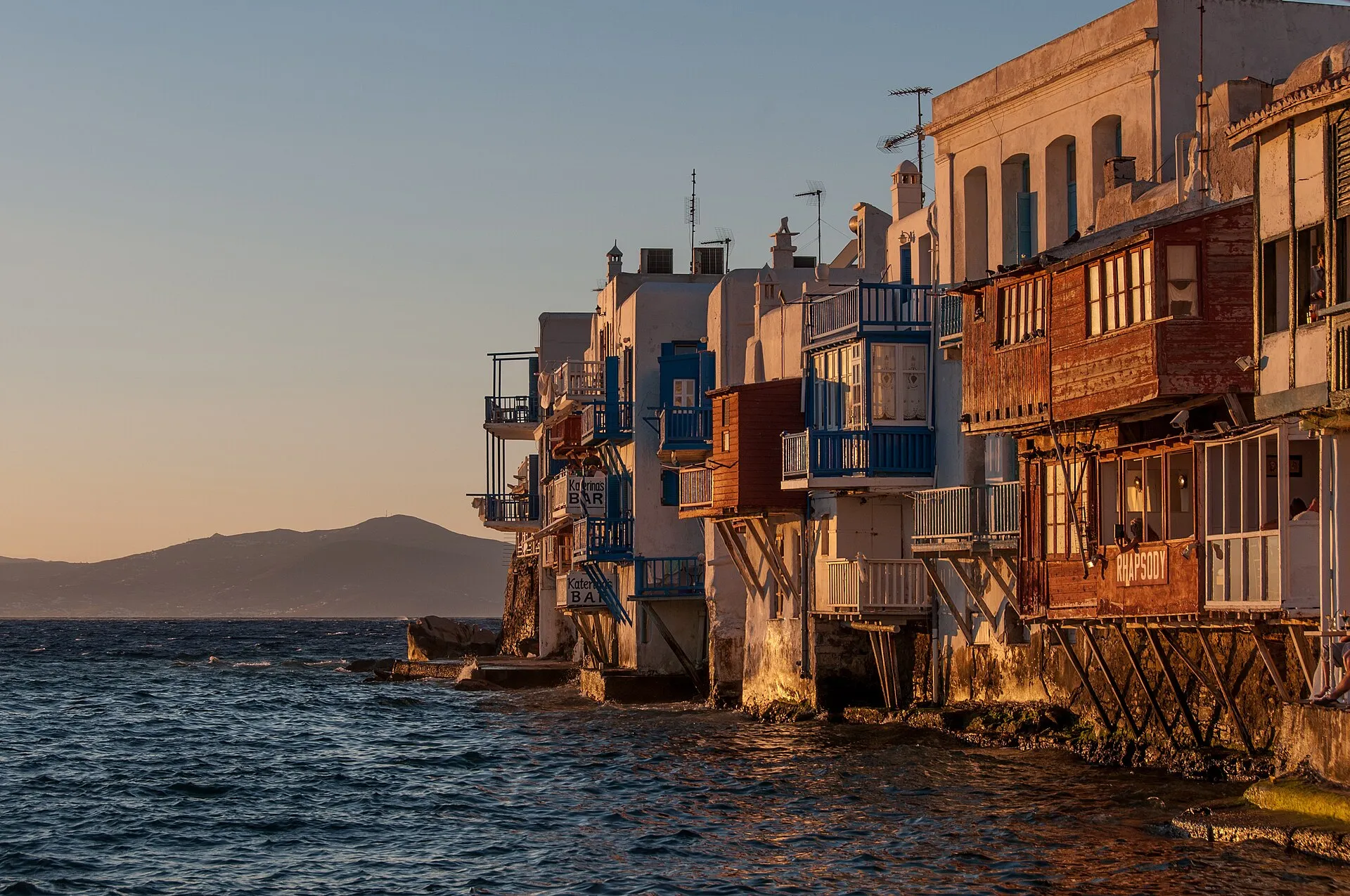
The jet set discovers the island
Artists and then celebrities transform quiet Mykonos into one of the Mediterranean's most glamorous destinations, with the ferry to Delos adding a cultural draw.
Cited city facts
Key facts for visiting Mykonos
85.5 km² island, about 10,000 permanent residents
A small Cycladic island whose year-round population multiplies many times over each summer, giving Mykonos one of the highest visitor-to-resident ratios in Greece and an economy built almost entirely on tourism
Delos: a UNESCO World Heritage Site since 1990
The uninhabited sacred island a 30-minute boat ride away was the mythic birthplace of Apollo and Artemis and once the treasury of the Delian League, and is now one of the Mediterranean's richest archaeological sites
Five surviving windmills at Kato Mili
Of the roughly two dozen windmills that once ground grain across the island, the five whitewashed Kato Mili towers above Little Venice survive as Mykonos's signature silhouette, raised under Venetian influence in the 16th century
Panagia Paraportiani: five chapels in one
Begun in 1425 and completed over the following two centuries, this whitewashed church beside the old Kastro fuses four ground-level chapels beneath a fifth, and ranks among the most photographed churches in Greece
Source: tour-guide.com — Free to cite with attribution
Things to see
What are the top attractions in Mykonos?
- Little Venice — 18th-century houses at water's edge, sunset cocktails, romantic views
- Kato Mili windmills — Five 16th-century windmills, island's most photographed spot
- Delos island — UNESCO sacred site, extensive ruins, archaeological museum
- Panagia Paraportiani — Unique whitewashed church complex, architectural marvel
- Beach culture — Paradise and Super Paradise (party), Agios Sostis (peaceful)
- Chora maze — Wander labyrinthine streets, bougainvillea-draped alleys, boutiques
- Armenistis Lighthouse — Sunset views, less crowded than Little Venice
- Ano Mera village — Traditional inland settlement, 16th-century monastery
🏺 Delos
Sacred UNESCO site, birthplace of Apollo
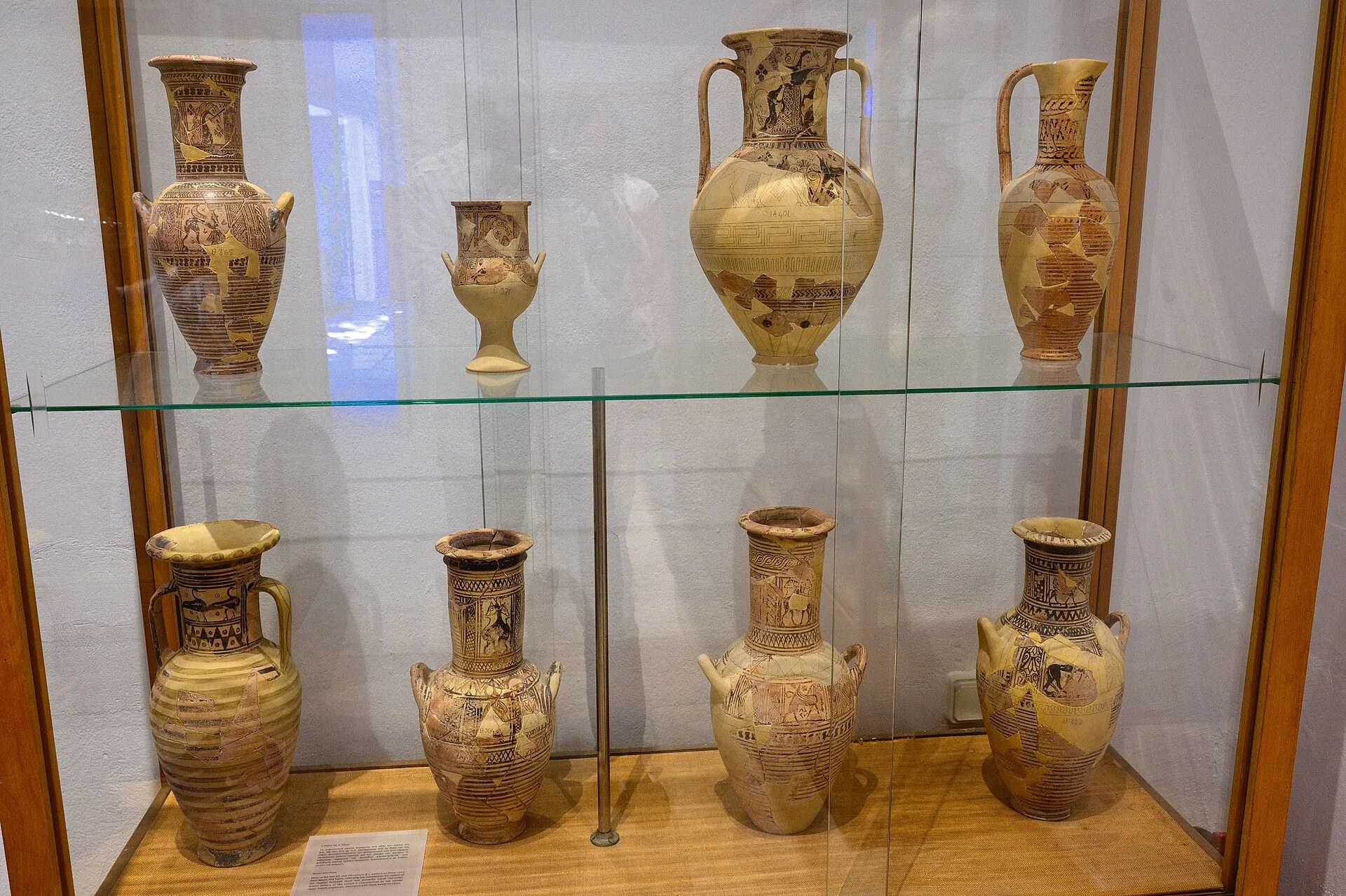
🏘️ Little Venice
Colorful waterfront houses with sunset views

📜 Mykonos Windmills
Iconic 16th-century Kato Mili landmarks
Guide planning
How much does a tour guide cost in Mykonos?
Mykonos has numerous guides — here's how to find quality ones:
| Tour Type | Price | Details |
|---|---|---|
| Group Walking Tours | €40-70 | Per person, 2-3 hours |
| Delos Day Trip | €80-120 | Per person, includes boat + guide |
| Private Half-Day | €250-400 | Up to 4 people, 4 hours |
| Beach Hopping Tour | €100-180 | Per person, boat + guide, full day |
- Archaeology experts — Essential for Delos guided tours and understanding ancient ruins
- Beach specialists — Guides who know best beaches for different vibes (party vs peaceful)
- Food tour guides — Navigate traditional tavernas away from tourist traps
- Photography guides — Capture the Mykonos windmills, Little Venice, sunrise/sunset spots
- Boat tour captains — Access secluded beaches, nearby islands, snorkeling spots
Season planner
When is the best time to visit Mykonos?
- May–June: warm days of 24–28°C, open beaches and bars, clear Cycladic light, and prices well below the peak
- September–early October: the sea stays warm, the party season fades, and restaurant tables and hotel rooms free up
- July–August: the frenetic peak — 30°C-plus heat, the strongest meltemi winds, the highest prices, and shoulder-to-shoulder sunsets
- November–April: most hotels, tavernas, and ferry routes pause for winter, so visit only for a quiet, weatherbeaten off-season
Mykonos has fewer grand traditional festivals than larger islands, but a handful of dates reward timing a trip around them.
- Orthodox Easter (April or May, on its own date from the Western calendar) brings candlelit midnight processions and roasting lamb to the chapels of Chora
- Assumption of the Virgin (15 August) fills the Panagia Tourliani monastery at Ano Mera with one of the island's largest panigiria — a saint's-day feast of music, food, and dancing
- Summer season layers international DJ sets, open-air cinema, and pop-up art shows over the beach-club calendar from June through September
On the ground
How do you get around Mykonos?
Most visitors arrive through Mykonos Island National Airport, barely 4 km south of Chora, or by ferry from Athens' ports of Piraeus and Rafina. Two harbours serve the island: the Old Port on the north edge of town, where the small boats to Delos tie up, and the larger New Port at Tourlos, about 2 km north, which handles most car ferries and cruise ships. A frequent shuttle bus and the seasonal Sea Bus link the New Port with town.
Around the island, two bus stations anchor the public network: Fabrika square at the southern edge of Chora serves Ornos, Platis Gialos, and the southern beaches, while the Old Port station runs north and to inland Ano Mera. Buses are cheap and frequent in season but fill quickly at peak times. Many travellers rent an ATV (quad) or a small car to reach secluded coves, though the narrow, gusty roads demand care, and water taxis hop between the southern beach clubs.
Chora itself is car-free and best explored on foot: its tangle of whitewashed alleys was deliberately laid out to disorient raiding pirates, so even locals admit to getting briefly lost. That charm comes at a cost for accessibility — cobbled lanes, steps, and uneven thresholds make wheelchairs and strollers hard going, and the windmill hill and Little Venice waterfront involve short climbs. Visitors with limited mobility should ask a guide to plot the flattest routes and lean on taxis and the port shuttle.
Frequently Asked Questions
When is the best time to visit Mykonos?
May–June and September are the sweet spots: the sea is comfortable, beaches and bars are open, and prices and crowds sit well below the summer peak. July and August deliver the full, frenetic party season — along with 30°C-plus heat, strong meltemi winds, and the year's highest prices. From November to April much of the island hibernates, with many hotels, tavernas, and ferry routes closed, so visit then only for a quiet, weatherbeaten off-season escape.
How much does a tour guide cost in Mykonos?
Expect roughly €40–70 per person for a 2–3 hour group walking tour of Chora, the windmills, and Little Venice. A Delos day trip runs €80–120 per person including the boat, guide, and site entry, while a private half-day guide is about €250–400 for up to four people. Beach-hopping boat tours fall between those. Prices climb in July and August, and licensed archaeology specialists for Delos cost more but are worth it among the ruins.
How do you get around Mykonos?
Chora (Mykonos Town) is car-free, so you explore it on foot through its maze of alleys. Beyond town, KTEL buses connect the two stations — Fabrika and the Old Port — to the main beaches and the inland village of Ano Mera; they are cheap but busy at peak times. Many visitors rent an ATV or small car for freedom, though roads are narrow and gusty, and water taxis link the southern beaches. Boats to Delos leave from the Old Port.
Is Mykonos worth visiting beyond the nightlife?
Absolutely. Strip away the beach clubs and Mykonos is a classic Cycladic island: the whitewashed maze of Chora, the five Kato Mili windmills, the much-photographed Panagia Paraportiani church, and the pastel Little Venice waterfront. Inland, Ano Mera keeps a working 16th-century monastery, and a short ferry reaches the sacred ruins of Delos. A knowledgeable guide ties the island's maritime history and architecture together so it reads as far more than a party destination.
How do you visit Delos from Mykonos?
Delos is an uninhabited archaeological island about a 30-minute boat ride from the Old Port. Excursion boats typically leave mid-morning, around 9–11 AM, and return in the early afternoon, giving you three to four hours among the ruins; the island closes when the last boat departs, so there is no overnight or sunset visit. The site is fully exposed with no shops or shade, so carry water, sun cover, and sturdy shoes — and book ahead in high summer, when boats sell out.
Do you need to book tours and restaurants in advance in Mykonos?
In July and August, yes — Mykonos is one of Greece's busiest islands, and sunset tables in Little Venice, beach-club loungers, and Delos boat seats fill days ahead. Reserve guided tours and popular restaurants well in advance, and aim for the earliest Delos boat to beat the heat and the crowds. In the May–June and September shoulder months you can be more spontaneous, though booking a day or two ahead for the marquee sunset spots is still wise.