
Queenstown Adventure Planning: How to Build the Trip
How to plan an adventure trip to Queenstown — bungy, jet boats, and skydiving alongside the Skyline Gondola, a Milford Sound day, and the TSS Earnslaw.
Read the full guideUpdated · 9 min read
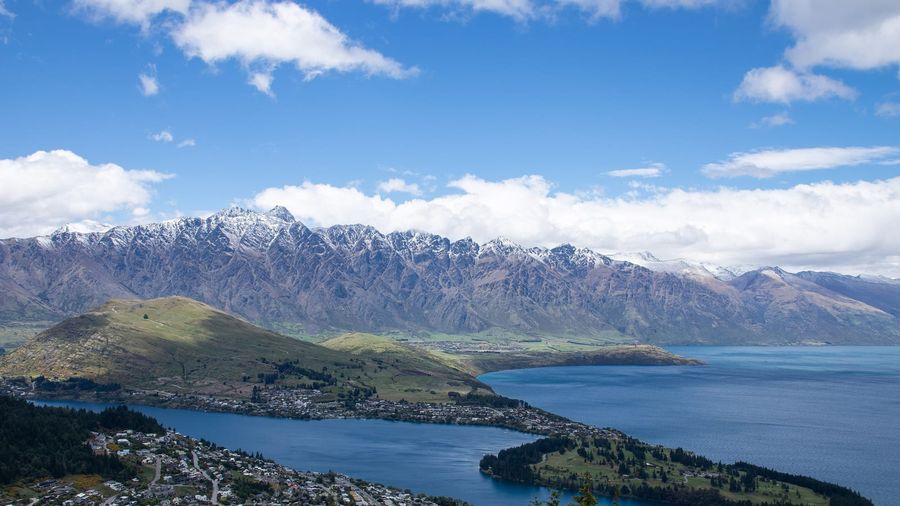
Queenstown packs more adrenaline into a small alpine town than almost anywhere on earth, so the planning challenge is choosing and sequencing rather than finding things to do. Give it three to four days, book the marquee thrills — a bungy, a skydive, a Milford Sound run — well ahead, keep a spare day for weather, and balance the big-ticket rides against the free hikes and lake walks.
Wedged between the jagged Remarkables range and the long silver arm of Lake Wakatipu, Queenstown has built an entire identity around the pursuit of a racing pulse. This is where commercial bungy jumping was invented, and the town has never stopped adding ways to throw yourself off, out of, or down something scenic since. But an adventure trip here rewards structure: the activities are weather-dependent, expensive, and physically demanding enough that stacking three in a day is a mistake. This guide walks through how to shape a Queenstown itinerary across New Zealand's South Island so the thrills land well and the budget survives.
What makes Queenstown the adventure capital?
Queenstown concentrates an unusual density of high-adrenaline operators into a compact, spectacular setting. The world's first commercial bungy launched here in 1988, and the town now offers jet boating, skydiving, paragliding, canyon swings, and white-water rafting within a short drive of the centre. The alpine-and-lake backdrop turns even a gentle activity into something memorable.
The town's reputation is earned rather than marketed. AJ Hackett opened the world's first commercial bungy operation at the Kawarau Bridge just outside town, and the ecosystem of adventure businesses that grew up around it has kept Queenstown at the front of the industry ever since. What sets it apart from other adventure hubs is proximity: jet boats blast up the Shotover Canyon minutes from the centre, tandem skydives open over the lake, and the launch points for paragliding sit on the hills directly above town. You are rarely more than half an hour from your next thrill, which is exactly why it pays to plan the days rather than improvise them.
How should you sequence the marquee thrills?
Spread the big adrenaline hits across separate days rather than stacking them, both to recover and to hedge against weather cancellations. A sensible rhythm is one in-town day, one excursion day, and one signature-thrill day, keeping the most weather-sensitive activities early in the trip so a rained-out day still has slack to rebook.
The temptation is to attempt a bungy, a skydive, and a jet boat all in one giddy morning. Resist it. Each headline activity carries its own adrenaline crash, its own transfer time, and its own cancellation risk, and cramming them turns a great trip into a blur of rushed transfers. The better approach is one anchor experience per day, with lower-key activities filling the gaps.
| Day | Anchor experience | Fills the gaps |
|---|---|---|
| 1 | Skyline Gondola and luge | Lakefront walk, town orientation, Kiwi Birdlife Park |
| 2 | Milford Sound day trip | Long scenic drive, cruise, early night |
| 3 | Bungy or tandem skydive | Shotover jet boat, a short hike, celebration dinner |
| 4 (buffer) | Rebook any weather cancellation | Queenstown Hill hike, wineries, Arrowtown |
Front-load the weather-sensitive activities — skydiving, paragliding, and the Milford run all bow to cloud and wind — so a washout on day two can slide into your buffer day rather than sinking the whole plan.
Which in-town activities anchor the first day?
Start with the Skyline Gondola, which lifts you above Queenstown to a viewing deck, the luge track, and the paragliding and bungy launch points, making it the natural hub for a first day. It orients you to the lake-and-mountain geography, offers thrills at every intensity, and needs no advance booking on a clear day.
The Skyline Gondola is the obvious opening move. The cable car climbs Bob's Peak to a deck with the postcard view down over the town, the lake, and the Remarkables, and the summit doubles as an activity hub: the gravity-fed luge track loops down the hillside, tandem paragliders launch from the slope above, and the Ledge Bungy operates from the same station for those who want a taste of the town's signature thrill without the full drop at Kawarau. It is the rare Queenstown activity that scales cleanly from gentle to genuinely scary, which makes it ideal for a group of mixed appetites. Do it early to fix the geography in your head before you head out to the wilder edges.
Is a Milford Sound day trip worth it from Queenstown?
Yes, though it is a long day — Milford Sound sits about four to five hours' drive each way, so most visitors take a coach-and-cruise package that runs twelve hours door to door. The scenery of the drive and the fiord itself, with waterfalls plunging from sheer cliffs into dark water, justifies the effort for almost everyone.
Milford Sound is the excursion that pulls people away from Queenstown for a full day, and it earns the commitment. The fiord — technically a fiord, carved by glaciers — is walled by cliffs rising more than a kilometre straight from the water, laced with waterfalls after rain, and often mirror-still. The catch is distance: it is a genuine expedition of four to five hours' driving each way through the Fiordland wilderness, so the standard Milford Sound trip is a long coach day with a boat cruise in the middle. Let someone else drive so you can watch the Eglinton Valley and the mountain passes roll by, bring layers because it is cooler and wetter than town, and treat the whole day as the activity rather than trying to bolt anything onto it. Book ahead in summer, when coaches fill.
What about the classic lake cruise on the TSS Earnslaw?
For a slower counterpoint to the adrenaline, the TSS Earnslaw is a century-old coal-fired steamship that cruises Lake Wakatipu to a high-country sheep station. It offers a gentle half-day, mechanical heritage, and mountain scenery from the water — a deliberate change of pace that stops a Queenstown trip from becoming relentless.
Not every hour in Queenstown needs to spike your heart rate, and the TSS Earnslaw is the town's best deliberate slow-down. The vintage steamer, running since 1912 and still coal-fired, chugs across Lake Wakatipu to the Walter Peak high-country farm, where the cruise usually pairs with a sheep-station tour or a lakeside meal. It is unashamedly gentle — you watch the mountains slide past from a wooden deck, peer into the engine room, and let the day breathe. Threading a cruise like this between two high-intensity days is what keeps a four-day adventure trip from blurring into exhaustion.
Where do the free hikes fit around the paid thrills?
Queenstown's paid adventures sit inside a landscape full of free ones, and the walking trails are the cheapest way to fill a buffer day. The Queenstown Hill climb delivers a panoramic reward for a couple of hours' effort, and lakeside and Ben Lomond trails scale from easy strolls to serious ascents.
The bill for a Queenstown trip climbs quickly once you start adding tandem jumps and jet boats, so the free hikes are not just filler — they are how you balance the budget and the intensity. The Queenstown Hill track is the easiest big payoff, a well-marked climb of a couple of hours through pine forest to the Basket of Dreams sculpture and a sweeping view over the lake and the Remarkables. For more, the Ben Lomond track pushes far higher and harder, while the flat lakefront and Frankton trails suit a recovery morning. Slotting a hike into your buffer day means a rained-out skydive does not leave you stranded — you simply lace up and walk instead.
How much should you budget, and when should you go?
Plan for one or two headline thrills rather than all of them: a skydive runs NZ$300 to 600, a bungy NZ$200 to 275, and a Milford day NZ$150 to 250. Come in the December-to-February summer for hiking and long days, or the July-to-September winter for skiing, and book the marquee activities well ahead in both peaks.
The single most useful budgeting habit in Queenstown is to pick your headline experiences deliberately rather than trying to do everything. A tandem skydive over the lake, a bungy at Kawarau or the Nevis, and a Milford Sound day are each memorable enough to anchor a trip, but stacking all three runs well over a thousand New Zealand dollars before you have eaten. Choose one or two, then lean on the gondola, the cruise, and the free hikes to fill the rest. On timing, the town has two distinct peaks: summer, roughly December to February, brings warm days, long light, and the full menu of water and air activities; winter, July to September, turns Queenstown into a ski base for four nearby fields. Both are busy, so book skydiving, the Milford run, and any ski day days or weeks in advance, and always keep a weather buffer.
Related Guides
- Best Time to Visit Iceland — another landscape-driven destination where the season decides the whole trip
- Machu Picchu from Cusco — planning a bucket-list adventure around altitude, permits, and weather
- Cappadocia Hot Air Balloon Guide — timing a weather-dependent signature experience in a mountain setting
Queenstown gives you a whole catalogue of ways to test your nerve within sight of one lake and one mountain range. The art of planning it is restraint: choose a couple of thrills worth the money, sequence them with recovery and weather slack between, and let the gondola, the steamer, and the hiking trails carry the quieter hours. Do that, and you leave exhilarated rather than frazzled — which is the whole point of the adventure capital.
Frequently Asked Questions
How many days do you need in Queenstown?
Three to four days is the sweet spot for a first adventure trip. That gives you one day for in-town thrills like the gondola, luge, and a jet boat, a full day for a Milford Sound excursion, and a third day for a bungy, skydive, or hike, with a buffer day for weather since several activities cancel in rain or high wind.
What is Queenstown best known for?
Queenstown is widely called the adventure capital of the world. It is the birthplace of commercial bungy jumping and a hub for jet boating, skydiving, white-water rafting, paragliding, and canyon swings, all set against the Remarkables mountains and Lake Wakatipu. In winter it becomes New Zealand's leading ski base, with four fields within easy reach.
Do you need to book Queenstown activities in advance?
Book the marquee activities — bungy, skydiving, the Milford Sound day, and any winter ski day — several days to a few weeks ahead, especially over the December-to-February summer peak and the July-to-September ski season. Lower-key options like the Skyline Gondola and luge can usually be done on the day, weather permitting.
Is Queenstown expensive for adventure activities?
Yes, the big-ticket thrills add up fast. A tandem skydive runs roughly NZ$300 to 600, a bungy around NZ$200 to 275, and a Milford Sound day trip NZ$150 to 250. Budget for one or two headline experiences rather than trying to do everything, and mix in the many free hikes and lake walks to balance the cost.