Country guide
What makes New Zealand a must-visit destination?
New Zealand stretches across two main islands in the South Pacific, each with a distinct character. The North Island concentrates the country's volcanic activity, Maori cultural heartland, and major cities, including Wellington — the windswept, caffeine-fuelled capital. The South Island trades volcanic drama for glacial grandeur: snow-capped peaks of the Southern Alps, ancient fiords carved by Ice Age glaciers, and the adventure capital of Queenstown, where bungee jumping was invented and the thrill industry never stopped innovating.
- Language
- English & Māori Widely spoken across New Zealand
- Currency
- NZ dollar (NZ$) Legal tender across New Zealand
- Time zone
- UTC+12 Local time in New Zealand
- Power plugs
- Type I · 230V Sockets used across New Zealand
- Getting around
- Self-drive & domestic flights Getting between New Zealand's cities
- Best months
- Jan, Feb, Mar, Apr, Jul, Aug, Sep, Oct, Nov, Dec Averaged across New Zealand's city ratings
New Zealand timeline
-
Polynesian settlement
Maori settlement began the human history behind place names, stories, and cultural protocols.
-
Treaty of Waitangi
The treaty between Maori chiefs and the Crown remains central to national interpretation.
-
Women win the vote
New Zealand became the first self-governing country with nationwide womens suffrage.
-
Dominion status
New Zealand gained dominion status, a step toward fuller constitutional independence.
-
Waitangi Tribunal created
The tribunal changed how treaty history and Maori rights are interpreted publicly.
-
Nuclear-free identity
The nuclear-free law became part of the country's modern political identity.
Local context
Culture and travel signals
New Zealand's South Island contains over 3,000 glaciers and the country's highest peak reaches 3,724 metres
The Fox and Franz Josef glaciers descend from the Southern Alps almost to sea level — a rarity outside polar regions — fed by snowfields surrounding Aoraki/Mount Cook (3,724 m), the country's highest peak; guided walks onto the terminal zones of these glaciers place visitors within a living ice system that has advanced and retreated for tens of thousands of years
Maori settled New Zealand only around 1280 CE, making it one of the last places on Earth to be inhabited by humans
The short span of Māori settlement means the country's historical record is compressed into fewer than 800 years on land, yet that period produced a cultural tradition — in carving, navigation, and oral literature — of extraordinary sophistication; expert Māori cultural guides transform this compressed history from a footnote into the dominant narrative of New Zealand's identity
New Zealand's Fiordland National Park has received UNESCO World Heritage status as part of the Te Wahipounamu World Heritage Area
The Te Wahipounamu inscription covers 2.6 million hectares of South Island wilderness — fiords, glaciers, temperate rainforest, and alpine terrain that together represent one of the least-modified temperate ecosystems on earth; guided multi-day journeys through Milford, Doubtful, and Dusky sounds are the primary means of experiencing a landscape that roads can only touch at its edges
New Zealand has more species of penguins than anywhere else on Earth
Six penguin species breed in New Zealand waters, from the little blue (kororā) penguins nesting in Wellington's urban harbours to the endangered yellow-eyed penguin (hoiho) on Otago Peninsula — guided wildlife experiences offer encounters with these birds in their natural habitat
New Zealand drives on the left and roads are often narrow, especially on the South Island
The South Island's scenic routes pass through mountain passes, alongside fiords, and across braided river valleys that require attentive driving; hiring a local guide with vehicle significantly reduces navigational stress and unlocks stops that self-drive visitors typically miss entirely
Wellington is the southernmost national capital city in the world
Perched on the Cook Strait where the Tasman Sea and Pacific Ocean collide, Wellington's notorious wind has shaped a compact, walkable city with a disproportionate concentration of cafés, bookshops, galleries, and film industry talent for its population of 215,000
Source: tour-guide.com — Free to cite with attribution
Season planner
A year in New Zealand
Use this best time to visit snapshot as a country-wide average, then check the city guides for local timing.
Mar-May
Spring
Spring holds up well for guided travel in New Zealand, averaging Mar-May (4.3/5).
Jun-Aug
Summer
Summer stays workable in New Zealand at Jun-Aug (3.7/5), so lean on city-by-city timing.
Sep-Nov
Autumn
Autumn holds up well for guided travel in New Zealand, averaging Sep-Nov (4.3/5).
Dec-Feb
Winter
Winter is New Zealand's strongest guide window — Dec-Feb (5/5) across its cities.
Where should you go in New Zealand?
Wellington — The Capital
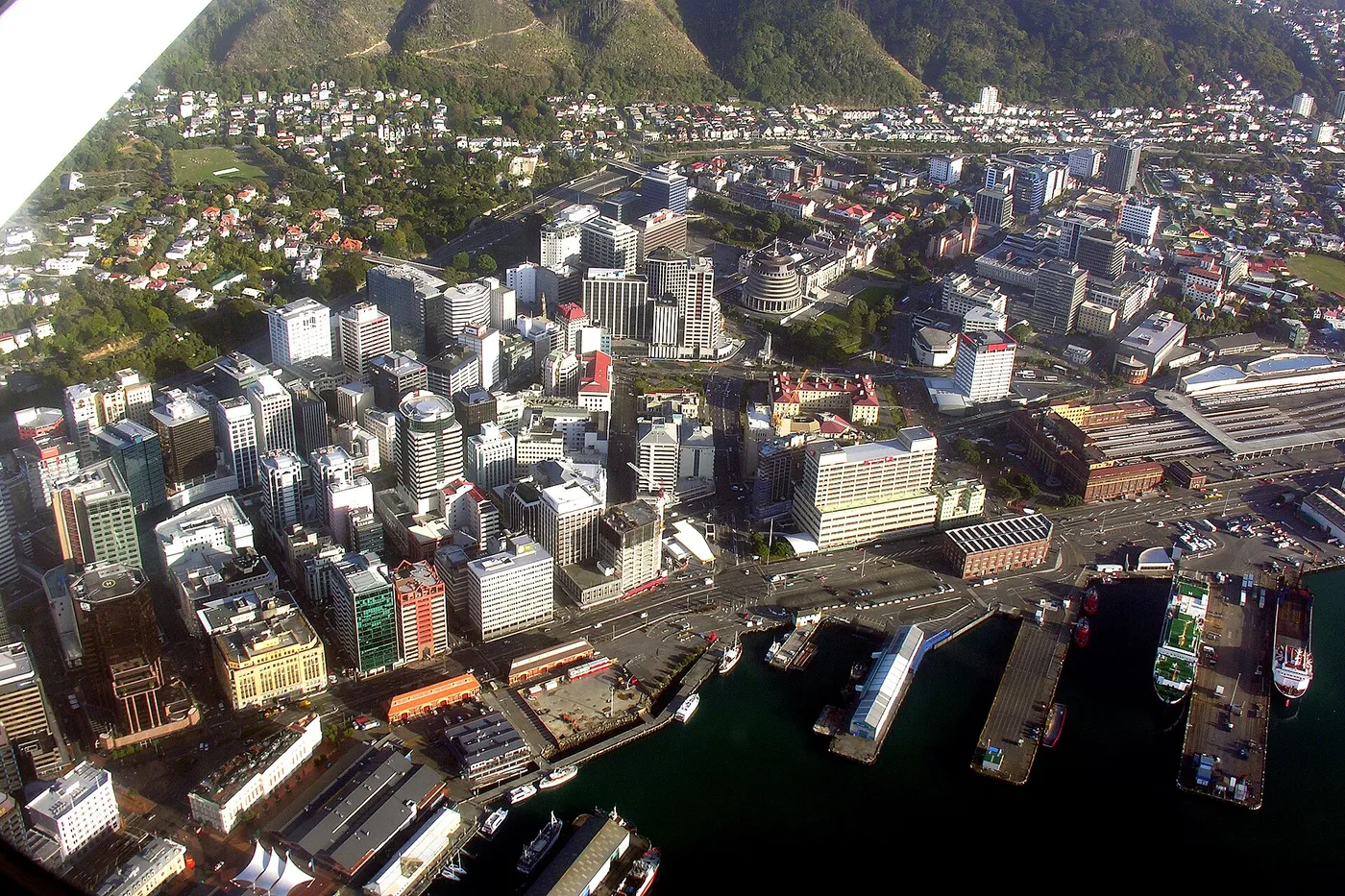
Wellington punches well above its weight for a city of 215,000. Te Papa Tongarewa — the national museum on the waterfront — tells New Zealand's geological and cultural story with world-class collections and interactives, while Cuba Street packs an improbable density of independent cafés, record shops, vintage stores, and live music venues into a few hundred metres. The Wellington Cable Car climbs from the CBD to the Botanic Garden at Kelburn, and Mount Victoria Lookout — reached by foot or bus on the city's southeastern flank — commands sweeping views over the harbour, the Remutaka Range, and on clear days the northern tip of the South Island.
Queenstown — The Adventure Capital
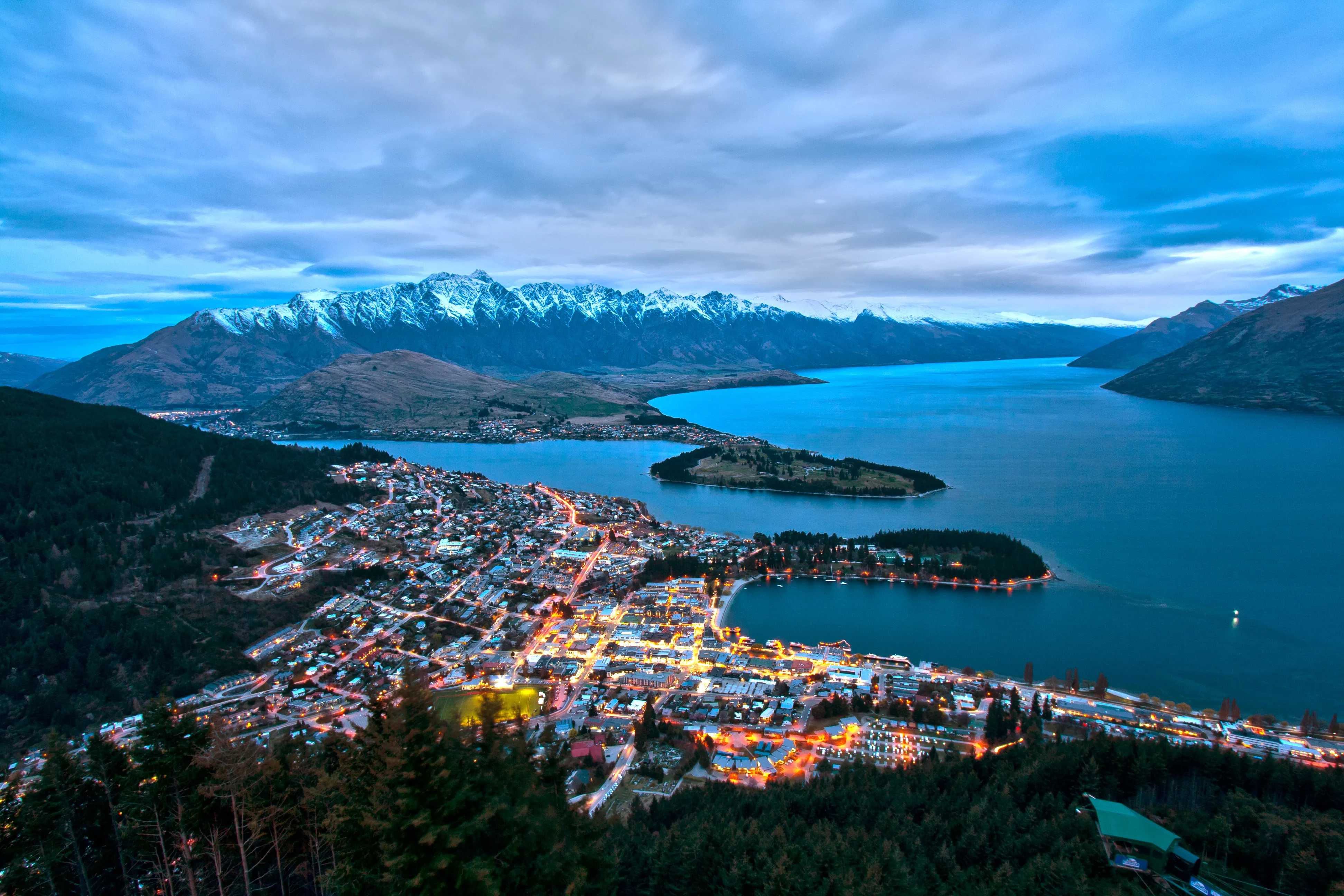
Queenstown sits at the edge of Lake Wakatipu with the jagged Remarkables mountain range as its backdrop — a setting so dramatic it served as one of the most extensively used filming regions for both the Lord of the Rings and The Hobbit trilogies. The Skyline Gondola whisks visitors to a ridge above the town for panoramic views and luge runs, the TSS Earnslaw vintage steamship crosses the lake to a high-country sheep station, and day trips reach Milford Sound through some of the most dramatic mountain scenery anywhere in the world. The free Queenstown Hill Summit Walk rewards two hours of effort with a 360-degree panorama that rivals anything a gondola ticket can buy.
Broader New Zealand
North Island destinations include Auckland, the country's largest city and a maritime hub built across a volcanic field; Rotorua, the heart of Māori cultural tourism and geothermal activity; and Wellington, the compact capital whose Te Papa national museum houses the finest Māori taonga collection in the world. The Coromandel Peninsula, Bay of Islands, and Northland's Ninety Mile Beach anchor the subtropical north. South Island highlights beyond Queenstown include Christchurch, which is rebuilding its centre after the 2011 earthquakes and has created some of the most architecturally interesting urban spaces in the Pacific; Abel Tasman National Park, accessible only on foot or by sea; and Fiordland, whose fjords are too steep to have been mapped comprehensively until the GPS era.
Must-see attractions across New Zealand
Skip straight to the landmarks that define New Zealand, spread across the cities below. A local guide turns any of them into a richer half-day.
What do visitors need to know about New Zealand?
Finding a Guide
- Tourism New Zealand (the national tourism authority) maintains a register of accredited operators at tourismnewzealand.com; accredited operators meet specific standards for safety, environmental practice, and authenticity
- Department of Conservation (DOC) lists approved guiding operators for all nine Great Walks and most national parks on its website — essential for Milford, Routeburn, and Fiordland circuits
- Qualmark is the national quality assurance system for New Zealand tourism; gold-rated operators represent the top tier for environmental and service standards
- Māori cultural operators — authentic guided experiences on marae (meeting grounds) or in cultural centres should be sought from operators directly affiliated with the relevant iwi (tribal authority); book through visitor centres in Rotorua or Northland
Typical Costs
| Tour Type | Price Range |
|---|---|
| Guided day walk (group) | NZ$120–250 per person |
| Private wilderness guide (full day) | NZ$400–700 (up to 4 people) |
| Queenstown adventure activity (half day) | NZ$200–400 per person |
| Māori cultural experience | NZ$80–150 per person |
| Marlborough wine-region tour | NZ$80–180 per person |
Must-See Experiences
- Milford Sound — granite walls rising 1,200 metres above mirror-calm water
- Te Papa Tongarewa — New Zealand's national museum, free entry, on Wellington's waterfront
- Queenstown Skyline — gondola views over Lake Wakatipu and the Remarkables
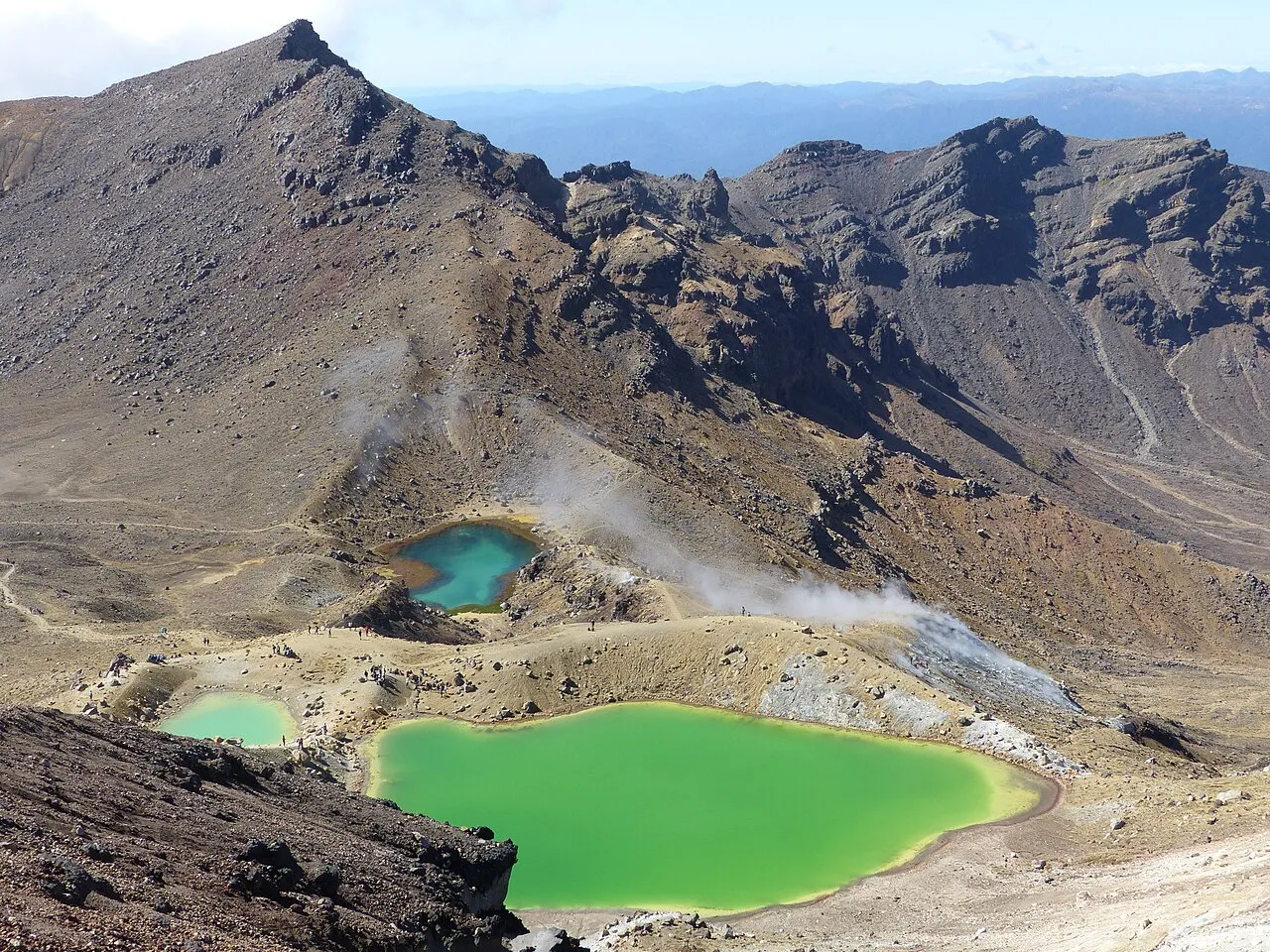
- Tongariro Alpine Crossing — one of the world's great day walks across volcanic craters
- Wellington Cable Car and Botanic Garden — compact city views and historic funicular
- Kaikoura whale watching — sperm whales year-round, plus dolphins and New Zealand fur seals
- TSS Earnslaw Steamship — 1912 coal-fired vessel on Lake Wakatipu
- Rotorua geothermal parks — Te Puia, Wai-O-Tapu, and Orakei Korako for boiling mud and silica terraces
Tips for Visitors
- Driving — New Zealand drives on the left; most rental agreements restrict driving on certain unsealed roads, so clarify before renting if you plan backcountry access
- Weather — mountain conditions change within hours; guided parties carry emergency gear and have retreat routes that independent walkers may not know
- UV — New Zealand has some of the world's highest UV radiation levels due to ozone thinning; SPF 50+ is essential even on overcast days
- Currency — New Zealand Dollar (NZD); contactless card payments are standard in all tourist centres
- Tipping — not customary, but guides appreciate 10–15% for outstanding service
- Camping — the freedom camping tradition is protected by law in designated areas; a guide who knows the regulations and locations saves significant logistics stress
Frequently Asked Questions
What is the best time to visit New Zealand?
New Zealand's seasons are reversed from the northern hemisphere. The austral summer from December through February delivers long days, warm temperatures, and the best conditions for coastal and high-country hiking, though these months also bring the largest tourist crowds, particularly in Queenstown and Fiordland. March through May offers autumn colours in the beech forests of the South Island and softer light ideal for landscape photography, with fewer visitors and reasonable accommodation prices. The ski season runs from late June through September, when Queenstown's Coronet Peak and The Remarkables draw snow-sport visitors from across the Asia-Pacific region. Spring from September through November balances mild weather, wildflowers on the Tongariro Crossing, and the beginning of the lambing season that defines New Zealand's rural landscape.
How much does a tour guide cost in New Zealand?
Walking tours in Wellington and Queenstown typically cost NZ$30–65 per person for a two-hour experience. Private full-day guides run NZ$300–500 for up to four people. Milford Sound cruises with naturalist commentary cost NZ$75–160 per person. Guided Maori cultural experiences at Rotorua cost NZ$80–150 per person for a hangi meal and performance evening. Queenstown adventure activities — bungee jumping, skydiving, jet boating — are quoted separately and range from NZ$100 to NZ$350.
Do I need a visa to visit New Zealand?
New Zealand requires most international visitors to obtain a New Zealand Electronic Travel Authority (NZeTA) before arrival. This applies to visitors from visa-waiver countries including the United Kingdom, the United States, Canada, Australia, and most EU nations. The NZeTA costs NZ$23 when applied for online and is linked to your passport. Australian citizens have the right to live and work in New Zealand without restriction. All visitors must also pay an International Visitor Conservation and Tourism Levy of NZ$35, collected as part of the NZeTA process. Visa- exempt visitors landing by air or sea from countries without visa-waiver arrangements must apply for a visitor visa before departure.