
Tips for Visitors
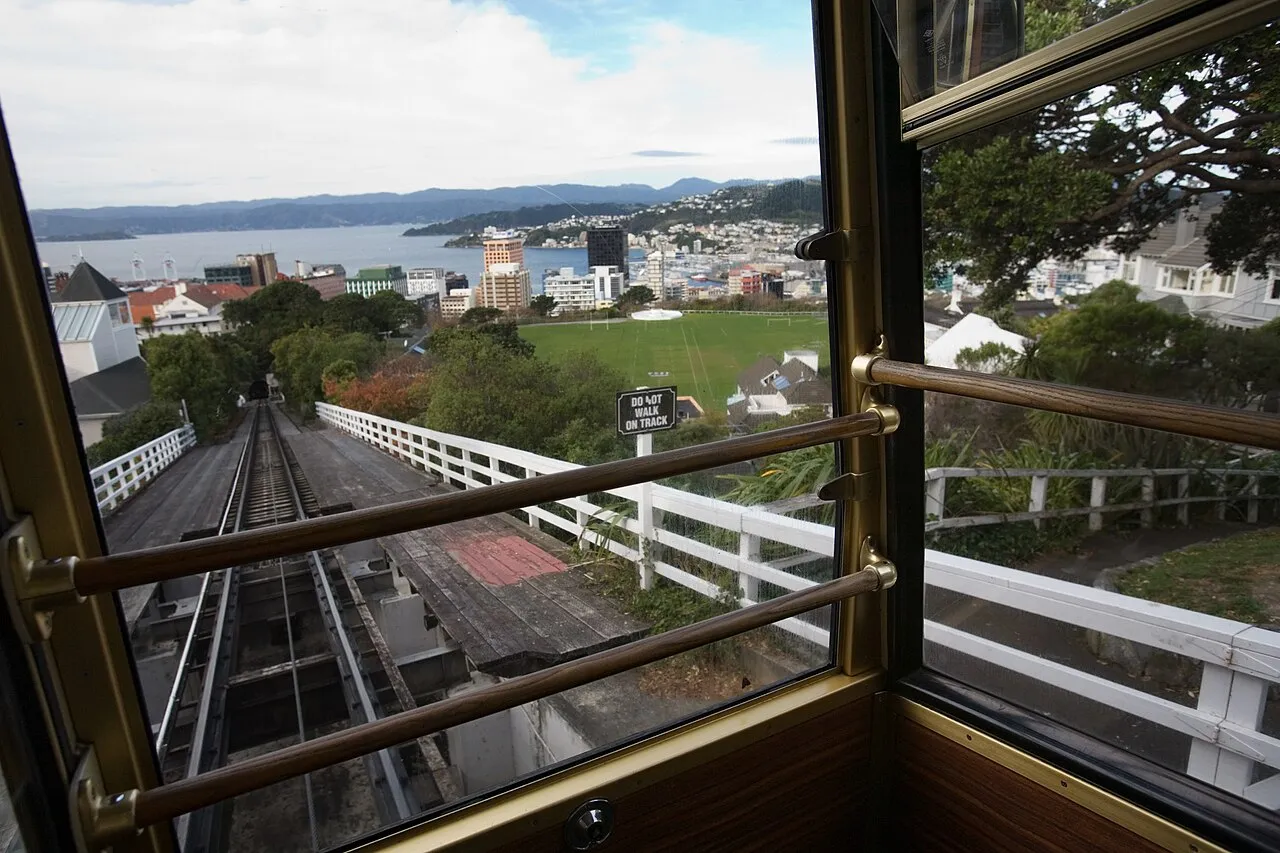
The return trip on the Cable Car is the most economical viewing option for Wellington's harbour — at NZ$10 for a 10-minute round trip, it costs less than a coffee and delivers a better view than most paid lookouts in New Zealand. Walk downhill through the Botanic Garden rather than taking the cable car back down — the 20-minute descent through the garden's native and specimen plantings, past the rose terrace and the Carter Observatory, is one of Wellington's most pleasant urban walks. The best photograph of the Cable Car is taken from the base of the hill looking up, framing the red car against the city's steep hillside backdrop — position yourself on the footpath opposite the Lambton Quay base station for this angle.
When to Visit
Weekdays: 7 AM to 10 PM. Weekends and public holidays: 8 AM to 10 PM. Departures approximately every 10 minutes from both the Lambton Quay base and the Kelburn top station. The Cable Car Museum at the top is open during operating hours (free entry). Last car descends 10 minutes before closing time. The best time for the uphill ride is early morning when the city below is wrapped in harbour mist and the light is extraordinary; the best time for the downhill ride is late afternoon when the CBD towers are lit by the western sun.
Admission and Costs
Single ticket: NZ$5 adults, NZ$3 children (5–15), free under 5. Return ticket: NZ$10 adults, NZ$5.50 children. Cable Car Museum: Free — included in the ticket and accessible from the top station. Botanic Garden: Free — accessible via the pedestrian path from the Kelburn terminus. Wellington City Council GoCard holders and Snapper card users receive a small transit discount; confirm at the time of visit.
The Case for a Guide
- Historical engineering — the original 1902 cable mechanism on display at the top station represents a specific era of Wellington's colonial infrastructure ambition; a guide explains how the cable car was built before the suburb it served had been fully subdivided
- Wellington topography — the five-minute ascent is the most efficient way to understand why Wellington's streets are so steep and its suburbs so dramatically separated by vertical distance, shaping the city's social geography in ways a flat city never has to negotiate
- Botanic Garden orientation — the 25-hectare garden has multiple entrances and a genuinely complex internal path network; a guide who knows the garden sequences the walk to cover the most interesting native plantings, the Carter Observatory historic dome, and the descent through Bolton Street's veteran native trees
- Film location history — various Wellington productions, including scenes from the Lord of the Rings extended universe productions, used the Cable Car and Kelburn area for period and contemporary filming; a guide with local film knowledge traces these connections
Frequently Asked Questions
How much does the Wellington Cable Car cost?
The Cable Car costs NZ$5 one-way or NZ$10 return for adults (NZ$3/NZ$5.50 children). The round trip fare includes access to the Cable Car Museum at the top station at no additional charge. The Cable Car runs every 10 minutes from approximately 7 AM to 10 PM on weekdays and 8 AM to 10 PM on weekends and public holidays.
What is at the top of the Wellington Cable Car?
The Kelburn terminus sits at 120 metres above sea level, adjacent to the Wellington Botanic Garden and the free Cable Car Museum. From the top station's outdoor observation terrace, views extend over Wellington Harbour, the CBD skyline, and the airport runway on the Miramar Peninsula. The Botanic Garden is accessible directly from the top station — a 20-minute walk downhill through the garden returns you to the CBD via Bolton Street Memorial Park, passing the duck pond, the begonia house, and several hundred-year-old native trees.
How do you combine the Cable Car with other Wellington attractions?
The Cable Car base station is on Lambton Quay in the CBD, a 12-minute walk from Te Papa Museum on the waterfront. Many visitors ride up to Kelburn, walk through the Botanic Garden back down to the CBD, then continue walking to Cuba Street for lunch — a 3-hour morning programme that covers three of Wellington's best experiences with no backtracking and significant downhill walking.