
Planning the Perfect Trip to Mumbai
A practical planning guide to Mumbai — how many days to give the city, when to go, where to stay, which tour to pick, and how to budget.
Read the full guideUpdated · 9 min read
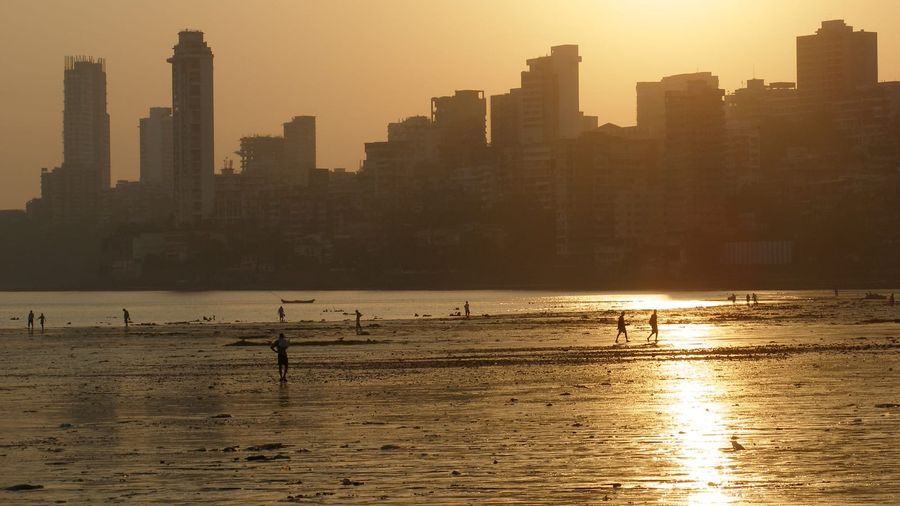
Mumbai rewards two to three focused days: one for the colonial seafront, one for the working city of studios and bazaars, and a third for the Elephanta ferry or a street-food crawl. Come between November and February, base yourself in South Mumbai, plan your days around the traffic, and let a local guide turn the city's overwhelming density into a pleasure rather than a trial.
No Indian city moves quite like Mumbai. India's financial capital packs more than twenty million people onto a narrow peninsula in the Arabian Sea, where Art Deco waterfronts meet Victorian Gothic railway stations, Bollywood studios sit blocks from century-old fishing villages, and an army of dabbawalas delivers some 200,000 home-cooked lunches a day with near-perfect accuracy. That intensity is exactly what makes the city hard to plan for. This guide sets out how long to stay, when to come, where to sleep, which tour to choose, and what to budget so a first trip to India's most cosmopolitan city feels exhilarating rather than exhausting.
How many days do you need in Mumbai?
Give Mumbai two to three full days. Most of the headline sights cluster in the southern tip, so the constraint is rarely how much there is to see — it is how much of the sprawling city you can cross in a day without losing hours to traffic.
A clean way to shape the trip is to treat each day as a single geographic theme. Day one belongs to the colonial seafront: the Gateway of India at dawn before the crowds, the Art Deco sweep of Marine Drive, and the Victorian Gothic of the Fort district, ending at the Chhatrapati Shivaji Terminus, a working railway station that doubles as a UNESCO World Heritage masterpiece. Day two digs into the living city — the open-air laundry of Dhobi Ghat, a Bollywood film-city tour, and the antiques of Chor Bazaar. A third day earns its keep with the ferry to the rock-cut Elephanta Caves or a street-food trail down Mohammed Ali Road, at its most spectacular during Ramadan.
When is the best time to visit Mumbai?
November through February is the clear winner, with dry, mild days that make walking the waterfront and the bazaars comfortable. The monsoon from June to September brings genuinely disruptive flooding, and the pre-monsoon months of March to May turn hot and sticky.
The cool, dry window is short but reliable, and December and January are the busiest, when the best guides and seaview hotels fill up. The monsoon is worth understanding rather than simply avoiding: the rains are dramatic and the city is greenest then, but low-lying roads flood, ferries to Elephanta pause in rough weather, and a downpour can erase an afternoon's plans. If your dates fall in the shoulder months, front-load outdoor sightseeing into the cooler mornings and save museums and shaded lanes for the humid afternoons.
| Season | Months | What to expect |
|---|---|---|
| Peak | Dec–Jan | Dry, mild, festive; busiest sights and highest prices |
| Ideal shoulder | Nov, Feb | Comfortable, dry, thinner crowds, best value |
| Hot and humid | Mar–May | Sticky heat, dawn starts essential |
| Monsoon | Jun–Sep | Lush but flooded; ferries and street plans disrupted |
Where should you stay in Mumbai?
Your base shapes the trip more than any single ticket. Colaba and Fort put you within walking distance of the seafront sights; Marine Drive and Churchgate trade a little distance for the Queen's Necklace on your doorstep; and Bandra suits travellers who want cafés, nightlife, and the newer city over colonial monuments.
Colaba, at the southern tip, is the classic first-timer's base — the Gateway of India, the Taj Mahal Palace hotel, and a cluster of cafés and craft shops are all on foot, and most heritage walks begin nearby. Fort and Churchgate, just north, put you among the Victorian and Art Deco ensemble and beside the Western Railway line, handy for day trips. Marine Drive offers the city's most romantic setting, the curving seafront lit up at night. Farther north, Bandra is the hip suburb of restaurants, sea forts, and Bollywood-star bungalows, but it is a long haul from the southern sights, so it best suits a return visitor or a stay focused on the newer city.
Which type of tour should you choose in Mumbai?
Match the tour to the side of Mumbai you most want to understand. Heritage walks decode the architecture, Bollywood tours open the dream factory, and responsible Dharavi tours reframe a neighbourhood that headlines get wrong — each rewards a specialist over a generalist in a city this layered.
Mumbai's density of stories means a guide who knows one world intimately beats one who skims several. A heritage walk through the Fort district and the Oval Maidan connects the colonial architecture to the merchants who built it; a Bollywood studio tour gets you onto active sets and dance rehearsals; and an ethical Dharavi tour — photography discouraged, small groups, profits returned to the community — shows the workshops and recycling industries that the word "slum" entirely fails to convey. Book through a reputable operator or your hotel rather than accepting offers at the Gateway, where unlicensed touts gather.
| Tour type | Typical cost | Best for |
|---|---|---|
| Heritage walking tour | ₹1,500–3,000 ($18–36) per person, 3 hours | Understanding the colonial architecture |
| Bollywood studio tour | ₹3,000–5,000 ($36–60), half-day with transport | First-timers curious about the film industry |
| Responsible Dharavi tour | ₹1,000–1,500 per person | Seeing the working city beyond the clichés |
| Street-food crawl | ₹2,000–4,000 ($24–48), tastings included | Eating like a local, safely |
| Private full-day guide | ₹5,000–10,000 ($60–120), car included | Combining scattered sights at your own pace |
For a first visit, a common and sensible mix is one private full day pairing the seafront with a Bollywood or Dharavi tour, plus a self-guided evening along Marine Drive — expert guidance where it counts, with independent time in between.
How much should you budget for Mumbai?
Mumbai spans every price point, from ₹30 vada pav to ₹15,000 tasting menus, so daily costs swing widely. A frugal traveller can manage under $50 a day, a mid-range visitor $120–220, and a higher-end trip climbs well beyond once a seaview hotel and a private guide enter the picture.
Two things dominate the daily total: where you sleep and whether you hire a private guide with a car. Site entry is a smaller, separate cost — the Elephanta ferry, cave entry, and museum tickets each add a little — and rupee prices shift with the exchange rate, so treat the figures below as planning estimates and confirm current rates before you go. Carry small banknotes for taxis, tips, and street stalls, as cash still rules the informal economy even as UPI payments spread.
| Travel style | Lodging / night | Food / day | Guiding + transport / day | Rough daily total |
|---|---|---|---|---|
| Budget | $15–30 | $6–12 | $10–25 | $35–70 |
| Mid-range | $60–120 | $20–40 | $40–80 | $120–220 |
| Higher-end | $150+ | $50+ | $100+ | $300+ |
How do you get around Mumbai?
The city runs on its suburban trains, which are the fastest way to cover distance but brutal at rush hour. Pair them with metered black-and-yellow taxis in the south, ride-hailing apps everywhere, and the growing metro, and always budget generously for the traffic.
Mumbai's local trains carry 7.5 million passengers a day across the Western, Central, and Harbour lines, and nothing beats them for speed north to south — but avoid the 8–10 AM and 5–7 PM crush unless you want the authentic sardine experience, and pay the small premium for first class. In South Mumbai, kaali-peeli taxis run on meters and are the classic way to get around; auto-rickshaws are restricted to the suburbs north of Bandra but are cheap and plentiful there. Ola and Uber work citywide and spare you the haggling, while the expanding metro offers air-conditioned relief on a still-limited network. Whatever you choose, let a guide sequence the day so you are not crossing the peninsula twice, and treat every cross-city hop as 45–90 minutes.
What should you know before you go?
A few habits smooth almost every Mumbai friction point: dress modestly at religious sites, carry cash in small notes, drink only bottled water, and meet the crowds and touts with patience rather than irritation.
Cover your shoulders and knees for temples and mosques, and remove your shoes where required. Tap water is best avoided, so stick to sealed bottles and let a guide steer you to the street stalls locals trust — Mumbai's food is a highlight, but choose busy vendors with high turnover. Bargaining is expected in Chor Bazaar and most markets, where the first price is only an opening bid; keep it good-humoured and walk away freely. Petty theft exists on packed trains and in crowds, so keep your bag in front of you, but violent crime against visitors is rare and the city is genuinely welcoming. Handle these small things and Mumbai stops feeling like an obstacle course — it becomes one of the great cities of the world to simply move through.
Related Guides
- Delhi First-Timer's Guide — planning a first visit to India's layered capital
- Planning the Perfect Trip to Kolkata — how to shape a trip to eastern India's cultural heart
- Visiting the Taj Mahal — the essential day trip on the Golden Triangle
Mumbai is not a city to conquer in a hurry; it is one to decode. Split it into its colonial seafront and its working neighbourhoods, come in the dry cool of winter, ride the trains past the traffic, and let a local guide open the doors that guidebooks only describe — and India's most electric city resolves into one of the most rewarding introductions to the subcontinent anywhere.
Frequently Asked Questions
How many days do you need in Mumbai?
Two to three days is the sweet spot. One day covers the colonial seafront around the Gateway of India, Marine Drive, and the Fort district; a second day tackles the working city — Dhobi Ghat, a Bollywood studio, and the bazaars; a third frees you for the ferry to the Elephanta Caves or a street-food crawl.
What is the best time to visit Mumbai?
November to February, when the air is dry and mild. The monsoon from June to September brings dramatic but disruptive flooding, while March to May turns hot and humid. December and January are the peak, so book guides and hotels early.
How much does a tour guide cost in Mumbai?
A three-hour heritage walking tour runs roughly ₹1,500–3,000 ($18–36) per person, a half-day Bollywood studio tour with transport ₹3,000–5,000 ($36–60), and a private car-included full day ₹5,000–10,000 ($60–120). A responsible Dharavi tour costs around ₹1,000–1,500 per person.
How do you get around Mumbai?
The suburban trains are fastest across long distances — ride first class outside rush hour. Black-and-yellow metered taxis rule South Mumbai, auto-rickshaws serve the suburbs north of Bandra, and Ola and Uber work everywhere without haggling. The metro is expanding but still limited.
Is Mumbai safe for tourists?
Mumbai is one of India's safest big cities and violent crime against visitors is rare. The real friction is crowds, monsoon flooding, and the odd taxi or souvenir tout. Keep your bag close on packed trains, use app-based cabs after dark, and drink only bottled or filtered water.