
Planning the Perfect Trip to Quito: Altitude, Old Town, and the Equator
A practical Quito trip planner — acclimatising to 2,850 metres, timing the dry season, choosing between walking tours and volcano day trips, budgeting in US dollars, and getting around the Andes' highest capital.
Read the full guideUpdated · 10 min read
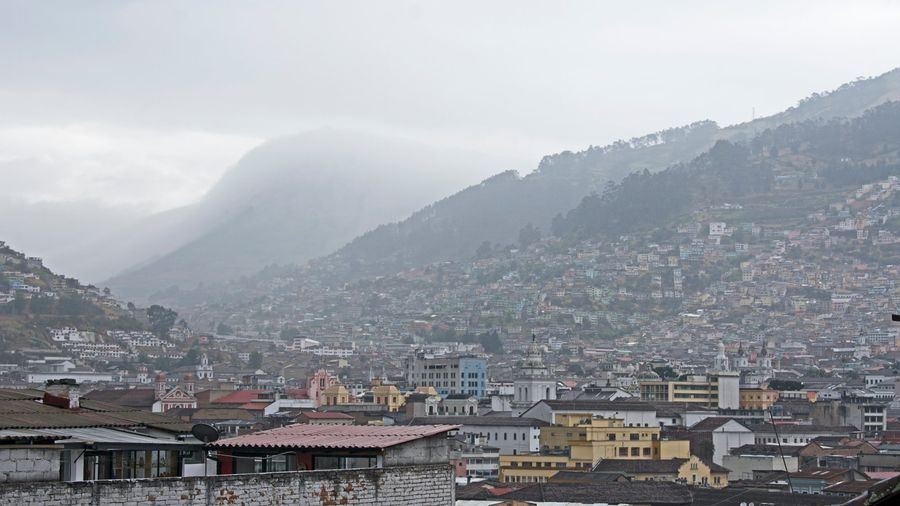
Plan Quito around two things: the altitude and the season. At 2,850 metres, the city asks you to slow down for a day before you tackle its steep cobbled streets, so give it three to four days and keep the first afternoon light. Come between June and September for the clearest Andean skies, budget in US dollars — which makes Ecuador refreshingly easy to plan — and save a guide for the volcanoes and the denser corners of the old town.
Quito is a capital that rewards patience. Stretched along a narrow Andean valley beneath the Pichincha volcano, Ecuador's seat of government sits higher than any other official capital on earth, and the thin air shapes everything from how fast you walk to how quickly you tire on a church-tower climb. It is also one of the great colonial cities of the Americas — the first place, alongside Kraków, ever inscribed on the UNESCO World Heritage List, back in 1978. Planning a trip to Quito is really about balancing two rhythms: the unhurried pace the altitude demands, and the density of things to see once you have acclimatised. Get that balance right, and the city opens up as one of South America's most rewarding and best-value destinations.
When is the best time to visit Quito?
Sitting on the equator, Quito has no summer or winter — only a drier season and a wetter one. June through September brings the clearest skies and the best volcano views but the strongest winds, while October through May offers clear mornings, afternoon showers, greener valleys, and quieter churches. The temperature barely changes either way.
Because Quito sits almost exactly on the equator at high altitude, it enjoys a "eternal spring" climate of roughly 14–20°C year-round, so you never plan around heat or cold. What you plan around is rain and visibility.
The dry season (June to September) delivers the deepest blue skies and the best odds of seeing Cotopaxi and the other Andean giants ringing the city. It coincides with the northern-hemisphere summer holidays, so it is the busiest and windiest window — August in particular can be gusty. June is also festival season: the Corpus Christi and Fiestas de Quito calendars fill the plazas with dance troupes in feathered costume.
The wetter months (October to May) are far from a washout. Mornings are usually clear, with showers arriving in the afternoon, which is easy to plan around — sightsee early, rest or shelter in a café when the rain comes. The valleys turn a vivid green, the historic churches are noticeably less crowded, and the light before a storm lends the gilded interiors an extraordinary glow. Semana Santa (Easter Week) in March or April brings some of the most striking processions in the Andes.
How many days do you need, and where should you stay?
Give Quito three to four days: one to acclimatise gently, one or two for the historic centre and viewpoints, and one for a day trip. Base yourself in or near the old town for atmosphere and walkability, or in the modern La Floresta and Mariscal districts for restaurants and nightlife — all within a short, cheap taxi ride of each other.
Two full days is enough to cover the essentials of the historic centre, but the altitude argues for arriving a day early and taking that first afternoon slowly rather than launching straight into steep streets and tower climbs. A third day opens up the equator monument to the north, and a fourth makes a Cotopaxi or Otavalo excursion comfortable rather than rushed.
Where you sleep sets the tone. Staying in the historic centre puts you steps from the churches and plazas, at their most magical in the early morning and after the day-trippers leave. The modern districts of La Floresta and La Mariscal, a little higher and to the north, hold most of the city's cafés, museums, and nightlife, and make a comfortable, well-connected base. Both areas are close together — the old town sits about 300 metres lower than the modern city, and a taxi between them costs only a few dollars.
Which tours and experiences are worth booking?
Quito's compact core is walkable on your own, but a guide unlocks the layers of history behind the church facades and is essential for the volcanoes. The one experience almost everyone should book is a guided walk of the historic centre; beyond that, the choice is between the equator monument, a Cotopaxi ascent, and the Otavalo craft market.
Some of Quito works perfectly well independently, but its richest experiences are better with a local. Here is how the main options compare:
| Experience | Why book it | Best for |
|---|---|---|
| Guided historic-centre walk | Decodes the Historic Center of Quito — its 40 churches and gilded "Quito School" art | Everyone, especially first-timers |
| Basílica tower climb | The Basílica del Voto Nacional gives the city's most vertiginous views | Heads for heights, photographers |
| Middle of the World day trip | Stand in both hemispheres at the equator monument, 26 km north | Families, half-day add-ons |
| Cotopaxi volcano day trip | Certified mountain guides lead the climb to the refuge on Cotopaxi | Fit travellers, adventure seekers |
| Otavalo market (Saturdays) | South America's most famous Indigenous craft market, two hours north | Shoppers, culture-focused visitors |
A guided walk of the old town is the single most valuable booking. The Historic Center of Quito is a living neighbourhood, not a museum, and a guide connects the baroque facades to the story of the Quito School artisans who blended European technique with Andean symbolism. For the biggest views, the neo-Gothic Basílica del Voto Nacional rewards a slightly nerve-testing climb up its towers — the altitude makes the last stairs harder than they look. Out of town, the Middle of the World Monument is an easy half-day, while a Cotopaxi ascent is a full-day commitment best left to accredited guides.
How much should you budget?
Ecuador uses the US dollar, which makes Quito one of the easiest capitals to budget for and one of the cheapest to visit. Group walking tours run $15–30, a private half-day guide $50–100, and a Cotopaxi day trip $150–300. Food and taxis are inexpensive; the line items worth spending on are the guided volcano trips.
The dollar removes the currency guesswork that complicates budgeting elsewhere in the Andes, and day-to-day costs are low. Rough current ranges:
| Tour Type | Price | Notes |
|---|---|---|
| Group historic-centre walking tour | $15–30 | Per person, ~2 hours |
| Private half-day historic-centre guide | $50–100 | Up to about 4 people |
| Middle of the World + old town, full day | $80–180 | Per vehicle |
| Cotopaxi volcano day trip | $150–300 | Per person, includes transport + equipment |
Beyond tours, Quito is gentle on the wallet. A hearty almuerzo (set lunch) costs a few dollars, a metered taxi across the historic centre runs $2–5, and museum entries are modest. The two costs that dwarf the rest are guided high-altitude excursions and any onward flight to the Galápagos — both worth planning and booking ahead. Carry small-denomination cash for markets, taxis, and the church entrance fees, and keep the bulk of your money in the hotel safe.
How do you handle Quito's altitude?
Altitude is the one thing that catches visitors off guard. At 2,850 metres, mild symptoms — headache, breathlessness, fatigue — are common in the first day or two for anyone arriving from sea level. The fix is simple: slow down, hydrate, skip alcohol on arrival, and give your body 24 to 48 hours before anything strenuous.
Quito is high enough that soroche, the local word for altitude sickness, is a genuine consideration rather than a footnote. Most travellers feel a little short of breath on the uphill streets and adjust within a day or two, but the adjustment goes more smoothly if you plan for it. Arrange your itinerary so the first afternoon is light — a gentle plaza stroll rather than a tower climb — and drink far more water than usual.
Avoid alcohol on your first evening, eat lightly, and treat the steep old-town streets as a workout rather than a stroll. If you have a history of mountain sickness, ask your doctor about acetazolamide before you travel; many hotels can also arrange soroche tablets or coca tea. Anyone heading straight up to Cotopaxi or the Teleférico station at 4,100 metres should be especially cautious, since those altitudes amplify every symptom.
How do you get around Quito?
The historic centre is best explored on foot, though its steep streets feel steeper at altitude. For longer hops, metered taxis are cheap and plentiful, the Trole and Ecovía bus lines run north–south through the city, and the Teleférico cable car climbs Pichincha for panoramic views. Most visitors arrive at Mariscal Sucre airport, about 45 minutes east.
Walking is the natural way to see the old town, whose churches and plazas cluster within a compact grid — just pace yourself on the climbs. For crossing the city, metered taxis are inexpensive and easy; always make sure the meter is running, or use a ride-hailing app for a fixed fare and a record of the trip. The Trole and Ecovía bus rapid-transit lines are cheap and useful for longer north–south journeys, though they get crowded at peak hours.
Two rides are attractions in themselves. The Teleférico cable car lifts you from 3,117 to 4,100 metres on the flank of Pichincha for sweeping views over the valley and, on clear days, Cotopaxi. Arriving travellers land at Mariscal Sucre International Airport, about 45 minutes east of the centre in the Tababela valley — arrange a hotel transfer or official taxi, since it sits well outside the city.
Related Guides
- Machu Picchu from Cusco — another high-Andes trip where acclimatising before you climb makes or breaks the experience
- Planning a Trip to Cartagena's Old Town — a coastal contrast to Quito's highland colonial core
- Planning the Perfect Trip to Bariloche — a South American planner built, like this one, around settling your rhythm before you book
Quito is a city you ease into rather than rush. Give the altitude its due, come in the clear months if you can, keep the mornings for the churches and the afternoons for resting or a viewpoint, and lean on a guide for the volcanoes and the deeper history of the old town. Do that, and the highest capital in the Andes gives back a colonial city, an equatorial line, and a ring of snow-capped volcanoes — all from one walkable, dollar-priced base.
Frequently Asked Questions
How many days do you need in Quito?
Two full days cover the historic centre, the Basílica towers, and a viewpoint or two. A third day leaves room for the equator monument, and a fourth for a Cotopaxi or Otavalo day trip. Budget your first afternoon for resting rather than climbing, so your body can adjust to the altitude.
When is the best time to visit Quito?
June to September is the dry season, with the clearest skies and the best chance of seeing the surrounding volcanoes — it is also the windiest stretch. October to May brings clear mornings and afternoon showers, lush green valleys, and thinner crowds inside the churches.
How do you avoid altitude sickness in Quito?
Take your first 24 to 48 hours slowly, drink plenty of water, skip alcohol on arrival, and walk the steep streets at a gentle pace. Most people adjust within two days. If you have a history of mountain sickness, ask your doctor about acetazolamide before you travel; many hotels can also arrange soroche tablets.
Is Quito expensive to visit?
No — Ecuador uses the US dollar and Quito is inexpensive by international standards. Group walking tours run $15–30, set lunches a few dollars, and metered taxis $2–5 across the historic centre. The bigger costs are guided volcano day trips and any onward travel to the Galápagos.