
Planning the Perfect Trip to Nice
How to plan a Nice trip that pairs the city with the Riviera — when to go, how many days you need, which tours are worth booking, what it costs, and how to use the trains and trams that make the coast so easy.
Read the full guideUpdated · 8 min read
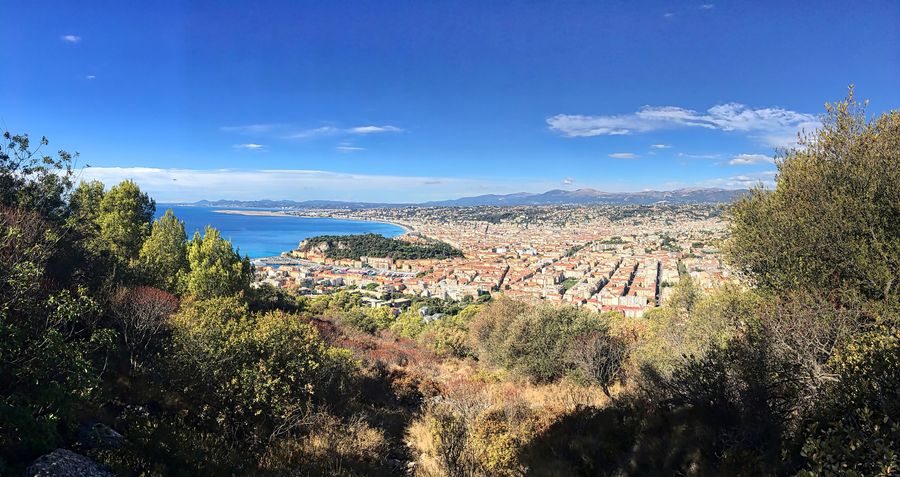
Nice is the rare city that works as both a destination and a base. Spend your days here and you get a walkable Mediterranean capital — Belle Époque facades, a Baroque Old Town, world-class art, and a seven-kilometre seafront — but step onto a coastal train and the whole French Riviera opens up within an hour: Monaco, Èze, Antibes, Menton. The art of planning a good Nice trip is deciding how much time to give the city itself and how much to spend fanning out along the coast, then using the region's excellent trains and trams so you never touch a rental car. This guide covers the choices that shape the visit — when to come, how long to stay, which tours earn their price, what it costs, and how to get around.
When to Visit
The shoulder seasons — May to June and September to October — are the sweet spot, with warm sun, a swimmable sea, and none of the August crush. Nice claims some 2,700 hours of sunshine a year, more than almost any other city in France, so the weather rarely lets you down; the real variable is crowds and price.
| Season | What to expect |
|---|---|
| Spring (Apr–Jun) | Warm days, blossoming Cimiez gardens, comfortable for walking |
| Summer (Jul–Aug) | Peak beach season, sea near 24 °C, hotel rates double, busy Promenade |
| Autumn (Sep–Oct) | A local favourite — mild, warm sea lingering from summer, thinning crowds |
| Winter (Nov–Mar) | Mild for the latitude, quiet museums, and February's Carnaval de Nice |
If your trip is fixed to winter, aim for February: the Carnaval de Nice is one of the world's largest carnivals, with flower-covered floats parading along the seafront for two weeks. Autumn is the connoisseur's pick — the water stays warm well into October while the summer queues melt away.
How Many Days You Need
Give Nice three to four days: about half for the city and half for day trips along the coast. Two days will show you the essentials, but the Riviera villages within easy reach are half the reason to base yourself here, and shortchanging them is the most common regret.
| Length of stay | What it realistically covers |
|---|---|
| 2 days | Old Town, Promenade des Anglais, Castle Hill, one museum |
| 3 days | The above plus a full day on the coast (Monaco and Èze, or Antibes) |
| 4–5 days | City, two coastal excursions, a museum morning, and slow market time |
A sensible rhythm is to spend your first day getting oriented in the city on foot, your second on a coastal day trip, and later days mixing museums with a second excursion. Because trains run frequently and the longest hop to Menton is under 40 minutes, day trips here feel light rather than logistical.
Where to Base Yourself
Stay in or beside the Old Town or near the train station, and you can reach almost everything on foot or by a short tram ride. Nice is compact, so no central choice leaves you stranded, but each district has its own character.
Vieux Nice (the Old Town) puts you in the middle of the Baroque churches, the Cours Saleya market, and the evening buzz — atmospheric but noisy late into the night. The Carré d'Or and the streets behind the Promenade des Anglais are the elegant, higher-priced heart, a few steps from the beach. Around Gare de Nice-Ville, the main train station, rooms are cheaper and you are perfectly placed for coastal day trips, though the immediate area is more workaday. The Musicians' Quarter just inland offers a quieter, residential base within a flat walk of the sea.
Choosing the Right Tour
A guide turns Nice from a pretty seafront into a city you understand — and the right tour depends on whether your interest is the streets, the food, or the coast beyond. The Old Town rewards a walking tour that decodes its Niçois-Italian heritage (Nice was Italian until 1860, which explains the ochre facades and the local dialect), while excursion tours handle the logistics of reaching several coastal towns in a day.
| Tour type | Typical price (per person) | Best for |
|---|---|---|
| Old Town walking tour | €20–35 | Baroque churches, history, first orientation (2–3 hrs) |
| Food & market tour | €60–90 | Socca, pissaladière, tastings at Cours Saleya |
| Half-day private | €200–300 | City highlights at your own pace |
| Full-day private | €400–600 | Nice plus villages like Èze, Monaco, or Menton |
Food tours are the local speciality worth singling out: Niçois cuisine is distinct from the rest of France, and a good guide will steer you to socca (a chickpea pancake), pissaladière (onion tart), and pan-bagnat rather than generic bistro fare. For a day on the Riviera, a shared minibus tour is the affordable option, while a private driver-guide lets you set the route and linger in the villages you like. Book food tours and private guides a week or two ahead in summer, when the best English-speaking guides fill first.
Day Trips Along the Riviera
Nice's greatest asset is what lies a short train or bus ride away, and the coastal rail line makes reaching it almost effortless. From Gare de Nice-Ville, TER regional trains hug the shore in both directions, turning famous names into easy half-day outings.
Heading east, the medieval hill village of Èze perches above the sea with its exotic garden; Monaco and Monte-Carlo are barely 20 minutes by train; and Menton, on the Italian border, is known for its lemon groves and pastel old town. Westward lie Villefranche-sur-Mer, with one of the Mediterranean's deepest natural harbours, and Antibes, home to a Picasso museum and a superb daily market. The clifftop bus route 82 to Èze and the panoramic Sentier du Littoral coastal footpath around Cap Ferrat reward travellers who prefer heights or walking to another town. Because trains are cheap and frequent, you can improvise: buy a ticket, ride two stops, and see where the coast takes you.
Getting Around the City
Within Nice, three modern tram lines and your own feet cover everything — a rental car is a liability, not a help. The seafront and Old Town are flat and made for walking, and the tram fills in the longer distances.
Line 2 runs east–west and, crucially, connects Nice Côte d'Azur Airport — France's third-busiest — directly to the city centre and port in about 25 minutes, so most visitors never need a taxi from the plane. A single tram or bus ticket is inexpensive and valid for transfers within about 74 minutes, while multi-day passes suit anyone riding often. Between the beach and the hilltop of Castle Hill there is a free public lift, sparing you the climb to the best panorama over the Baie des Anges. Two practical notes: the beaches are pebbles, not sand, so bring water shoes; and the Cours Saleya flower and produce market runs Tuesday to Sunday mornings, worth planning your day around.
Budgeting Your Trip
Nice can be done cheaply or lavishly, and the swing factors are the season, your beach choice, and how many private tours you book. The city hands out a lot of pleasure for free — the Promenade, Castle Hill, the markets, the Old Town lanes — so the baseline is generous even on a modest budget.
| Expense | Budget | Mid-range |
|---|---|---|
| Hotel (double, per night) | €80–120 | €150–260 |
| Lunch / dinner per person | €15–25 | €35–65 |
| Tram / bus day of travel | Single tickets ~€1.70 | Multi-day pass |
| Beach | Free public pebble beach | Private beach lounger €20–30 |
Many of Nice's museums are inexpensive, and the city periodically offers reduced or free municipal-museum access — worth checking before you pay full price at the Matisse Museum in Cimiez or the Chagall Museum nearby. The biggest hidden cost is peak-summer accommodation, where July and August rates roughly double; shifting a trip to June or September is the single most effective way to cut the total.
A Practical Checklist
A few decisions made before you arrive are what separate a smooth Nice trip from a rushed one. Sort the timing and transport, and the rest falls into place.
- Aim for May–June or September–October for warm weather without peak prices
- Give yourself three to four days so the coast gets its share of your time
- Base yourself near the Old Town or the train station for walkability and easy day trips
- Take tram Line 2 from the airport instead of a taxi
- Ride the coastal train to Èze, Monaco, Menton, Villefranche, or Antibes
- Pack water shoes for the pebble beaches and use the free Castle Hill lift for the view
- Eat Niçois — socca, pissaladière, pan-bagnat — rather than defaulting to standard bistro dishes
Plan Nice as a city and a launchpad in equal measure, and it rewards you twice over. Between the light that kept Matisse here for 37 years, a seafront built for slow strolling, and a coastline of villages a train ticket away, it becomes exactly the kind of place you start planning a return to before you have even left.
Frequently Asked Questions
How many days do you need in Nice?
Two days are enough to walk the Old Town, the Promenade des Anglais, and one museum, but three or four let you add day trips along the coast to Èze, Monaco, or Menton — which is what most people really come to the Riviera for.
Do you need a car in Nice?
No. The city runs on three tram lines and your own feet, and the coastal train links Cannes, Antibes, Villefranche, Monaco, and Menton without any of the parking headaches a car brings to the Riviera in summer.
When is the best time to visit Nice?
May, June, September, and October offer warm weather, swimmable sea, and thinner crowds than peak summer. February brings the Carnaval de Nice, while July and August are hottest and most expensive.
Are the beaches in Nice sandy?
No — the beaches along the Baie des Anges are smooth pebbles, not sand, so pack a pair of water shoes and a padded mat or rentable sun lounger for comfort.