

Nice timeline
- c. 350 BCE
Nikaia founded
Greek settlement gave Nice its ancient Mediterranean origin.
-
Savoy rule begins
Nice's long Savoyard chapter shaped its borderland identity.
- 18th century
UNESCO World Heritage listing
UNESCO inscribed "Nice, Winter Resort Town of the Riviera" in 2021, recognising the cosmopolitan winter resort that English, Russian and other elites shaped from the.
-
Joined France
Annexation made Nice part of France and accelerated resort-city growth.
-
Settlement begins
Henri Matisse settled in Nice in 1917 and stayed until his death in 1954, producing many of his most celebrated works inspired by the Mediterranean light
Cited city facts
Key facts for visiting Nice
7 km Promenade des Anglais
Laid out from 1820 and funded by Nice's English winter colony, the seafront promenade sweeps along the Baie des Anges from the airport to the Old Port
UNESCO World Heritage since 2021
UNESCO inscribed "Nice, Winter Resort Town of the Riviera" in 2021, recognising the cosmopolitan winter resort that English, Russian and other elites shaped from the 18th century
Nice joined France in 1860
The County of Nice was ceded by the Kingdom of Sardinia under the Treaty of Turin and confirmed by plebiscite, explaining the city's Italianate architecture and its Niçard dialect
2,724 hours of sunshine annually
Nice receives more sun than almost any other city in France, making it the warmest major destination on the French mainland year-round
Matisse lived in Nice for 37 years
Henri Matisse settled in Nice in 1917 and stayed until his death in 1954, producing many of his most celebrated works inspired by the Mediterranean light
France's busiest airport outside Paris
Nice Côte d'Azur Airport is the leading French air gateway beyond the Paris region, the entry point for the Riviera's tourism-driven economy
Source: tour-guide.com — Free to cite with attribution
Things to see
What are the top attractions in Nice?
- Promenade des Anglais — Stroll the seafront, rent a blue chair
- Vieux Nice — Cours Saleya market, socca tastings, Baroque churches
- Castle Hill sunset — Free elevator up, stunning views over Baie des Anges
- Matisse Museum — Artist's former home with key works
- Chagall Museum — The Biblical Message cycle in a purpose-built hall
- Fenocchio gelato — Legendary ice cream with exotic flavors
- Cimiez Gardens — Roman ruins, olive groves, peaceful retreat
🏞️ Castle Hill
Colline du Château - Nice's panoramic perch

🏘️ Cimiez
Ancient Cemenelum above Nice — a Roman arena, Matisse, and a rose-filled monastery garden over the sea

🚶 Cours Saleya
Nice's colorful soul - flowers, food, and Riviera life

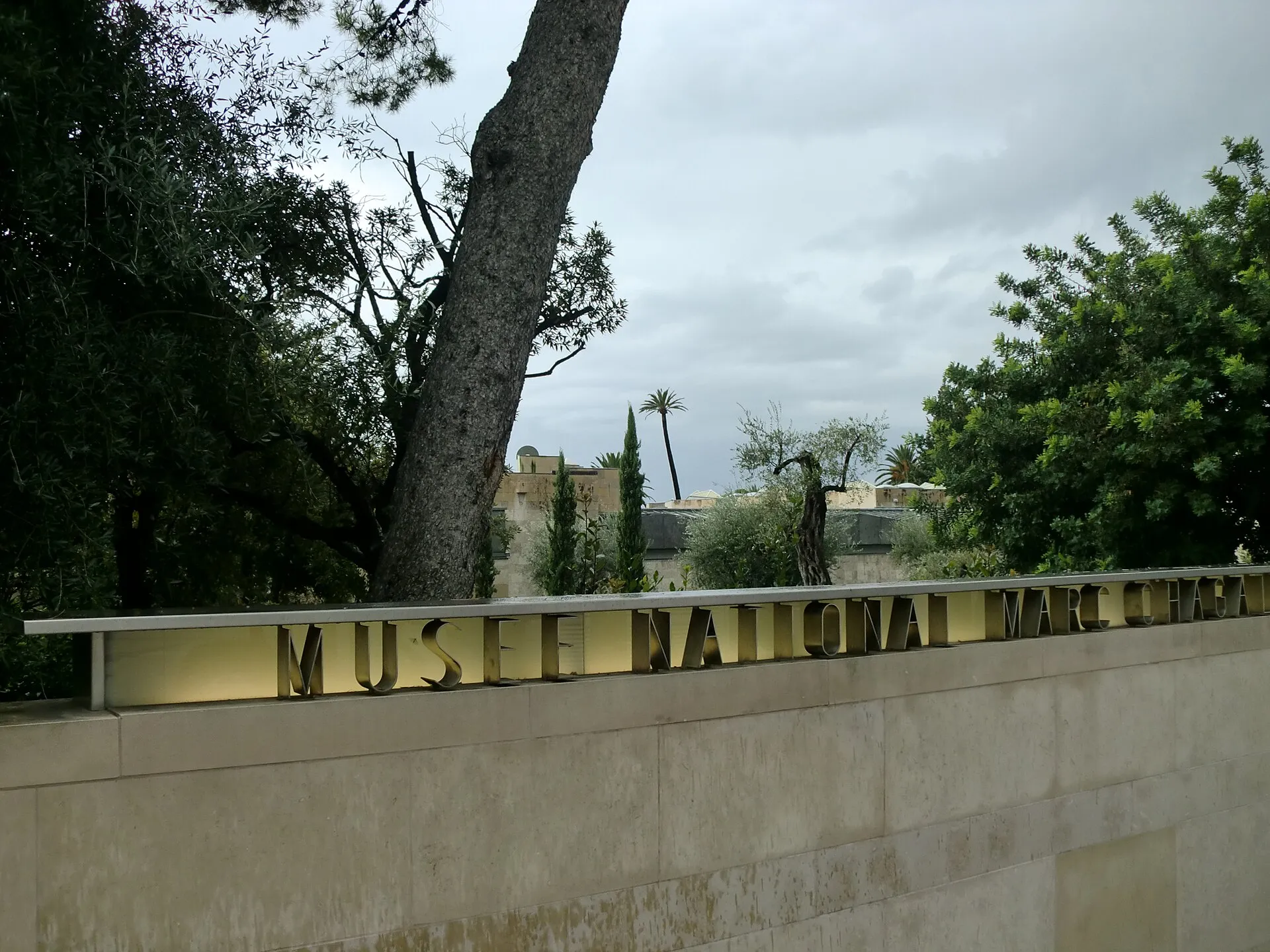
🏛️ Marc Chagall National Museum
Biblical dreams in color - the world's largest Chagall collection
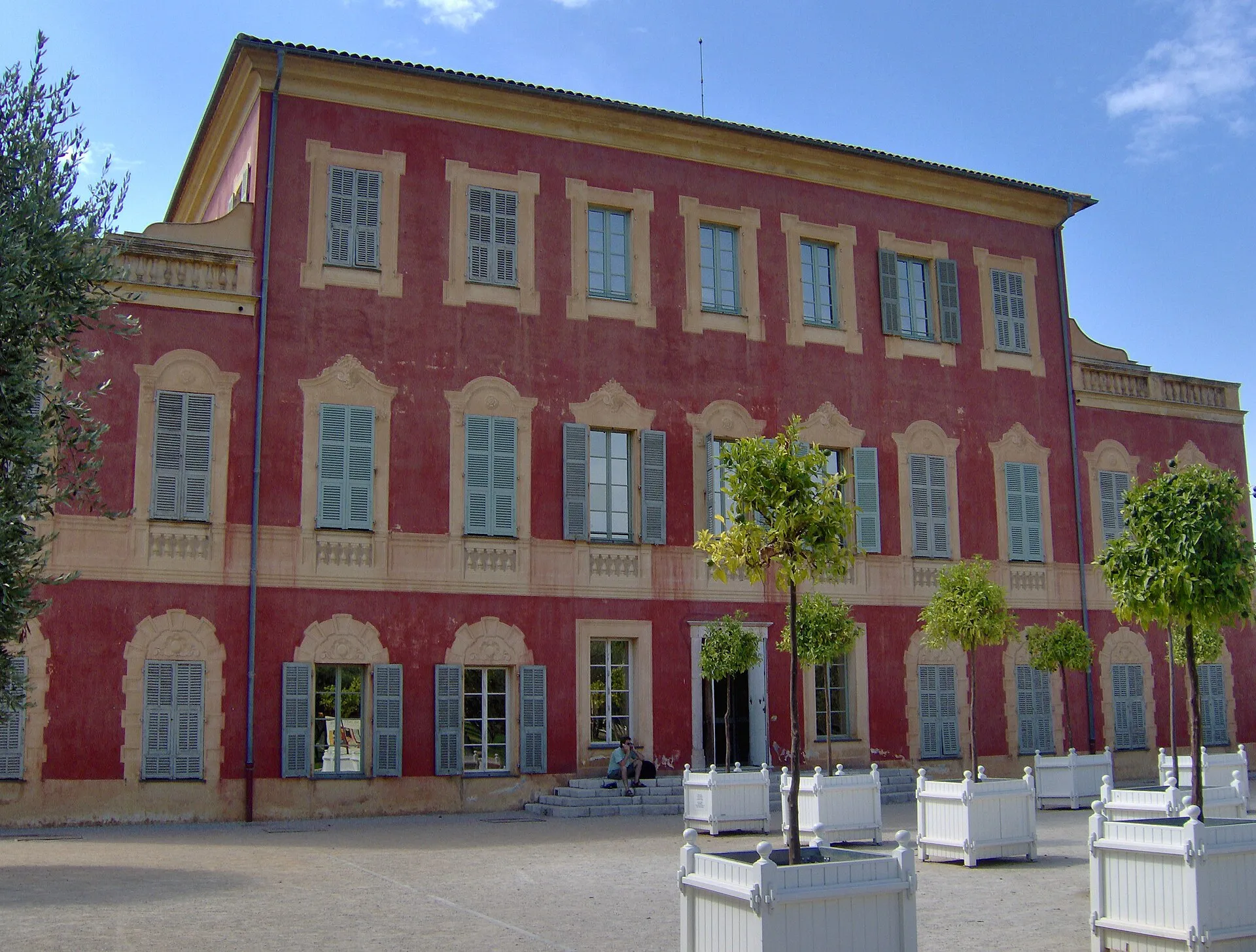
🏛️ Matisse Museum
Where the master found his light - 37 years of Nice inspiration
🏘️ Old Town Nice
Vieux Nice - Mediterranean soul

See all 7 attractions

Guide planning
How much does a tour guide cost in Nice?
| Tour Type | Price | Details |
|---|---|---|
| Walking Tours | €20-35 | Per person Old Town |
| Food Tours | €60-90 | With market tastings |
| Half-Day Private | €200-300 | City highlights |
| Full-Day Private | €400-600 | Including nearby villages |
Season planner
When is the best time to visit Nice?
February belongs to the Carnaval de Nice, one of the world's largest carnival celebrations, whose flower-covered floats and batailles de fleurs parade along the Promenade des Anglais and Place Masséna for two weeks. Spring, from April to June, offers warm sunshine, blossoming gardens in Cimiez, and comfortable temperatures for exploring Vieux Nice and the hilltop villages of the arrière-pays without the summer heat.
July and August are peak beach season along the Baie des Anges, with sea temperatures reaching a swimmable 24°C. They are also the most expensive and crowded months: hotel prices roughly double, the pebble beaches fill early, and the Promenade stays busy well into the warm evenings.
Autumn, from September through November, is a local favourite. Temperatures hover around a mild 20°C, the sea stays warm from summer, crowds thin, and the harvest brings fresh olives, figs, and grapes to the Cours Saleya market — the sweet spot for pairing beach time with unhurried sightseeing.
Winter is surprisingly gentle, with daytime highs rarely dropping below 10°C, making it pleasant for Promenade strolls and for visiting the Matisse and Chagall museums without queues. The month-by-month ratings above favour May to September, when sun, sea, and festival energy align most reliably.
On the ground
How do you get around Nice?
- Trams — Three modern lines cross the city; Line 2 runs underground from the port to Nice Côte d'Azur Airport in about 25 minutes
- Single fare — An inexpensive flat-fare Lignes d'Azur ticket covers trams and buses, with free transfers for 74 minutes
- On foot — The Promenade des Anglais and Vieux Nice are flat and best walked; beaches are pebble, so bring beach shoes
- Coastal trains — From Nice-Ville station, frequent regional trains reach Monaco, Cannes, and the Riviera villages in under 30 minutes
- Market days — The Cours Saleya flower and food market runs Tuesday-Sunday mornings
- Siesta — Many smaller shops close 12-3 PM, so plan around French lunch hours
Frequently Asked Questions
What is the best time to visit Nice?
February's Carnaval de Nice is a spectacular two-week celebration with flower-covered floats along the Promenade des Anglais. July and August are peak beach season with warm sea temperatures, though hotels are priciest; autumn offers mild weather, warm water, and thinner crowds.
How much does a tour guide cost in Nice?
Walking Tours: €20-35 (Per person Old Town). Food Tours: €60-90 (With market tastings). Half-Day Private: €200-300 (City highlights). Full-Day Private: €400-600 (Including nearby villages)
How do you get around Nice?
Nice has three modern tram lines connecting major sites, plus an extensive bus network. The Promenade des Anglais and Old Town are best explored on foot, with flat seaside paths ideal for walking and cycling.
Was Nice once part of Italy?
Nice was never part of the modern Italian state. For centuries it belonged to the House of Savoy and then the Kingdom of Sardinia, governed from Turin, until France annexed it in 1860 after the Treaty of Turin and a near-unanimous local plebiscite. That Savoyard borderland past, not Italian rule, explains the Ligurian-flavoured Niçard dialect, the ochre facades, and specialities such as socca and pissaladière.
Which neighbourhoods should you explore in Nice?
Start in Vieux Nice, the Baroque Old Town wrapped around the Cours Saleya market, then climb Castle Hill for the panorama over the Baie des Anges. The elegant hill of Cimiez holds Roman ruins and the Matisse and Chagall museums, while the Promenade des Anglais defines the seafront and the Port Lympia district adds quieter restaurants and antique shops.