
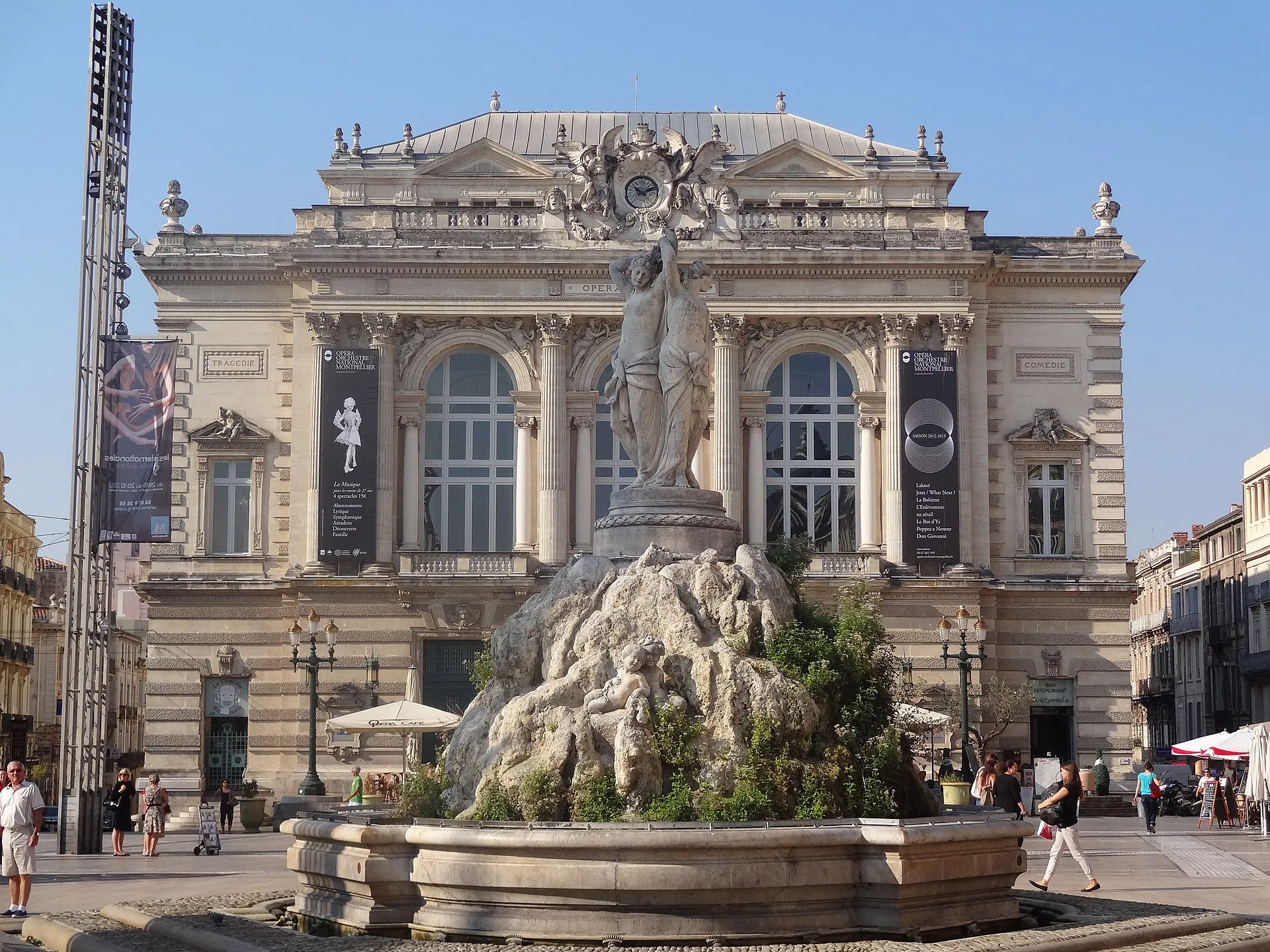
Montpellier timeline
- 10th century
Old town begins
Founded as a trading hub in the 10th century, the city boasts one of Europe's oldest universities (founded 1220) and a beautifully preserved historic center called the.
-
Montpellier first recorded
The settlement appeared in medieval records before growing into a trading and university town.
-
Medical school recognized
Montpellier's medical teaching gained formal protection, beginning a scholarly reputation that still matters.
-
University statutes issued
The medical faculty's statutes made Montpellier one of Europe's landmark centers for medicine.
-
City joins the French crown
Montpellier passed to France, changing its political orbit while preserving its southern mercantile character.
Cited city facts
Key facts for visiting Montpellier
University of Montpellier founded in 1220
One of the oldest universities in the world, where Nostradamus and Rabelais studied; its Faculty of Medicine has operated continuously since 1220
300 days of sunshine per year
Montpellier receives more annual sunshine hours than any major French city except Nice, contributing to a 40% population growth since 1990
One-third of residents are students
With over 70,000 students in a city of 300,000, Montpellier has the highest student-to-resident ratio of any large French city
4 tram lines covering 56 km
Montpellier's tram system, launched in 2000, was designed by fashion designers including Christian Lacroix, making each line a moving art installation
Source: tour-guide.com — Free to cite with attribution
Things to see
What are the top attractions in Montpellier?
- Place de la Comédie evening — Watch the promenade culture unfold
- Hôtels particuliers — Hidden Renaissance mansions in the Écusson
- Musée Fabre — Outstanding collection from old masters to Soulages
- Palavas-les-Flots — Nearest beach, 15 minutes by tram then bus
- Pic Saint-Loup wines — Local Languedoc wine region day trip
- Camargue — Flamingos, wild horses, salt marshes nearby
L'Écusson
Montpellier's medieval maze - 1,000 years of history in every stone
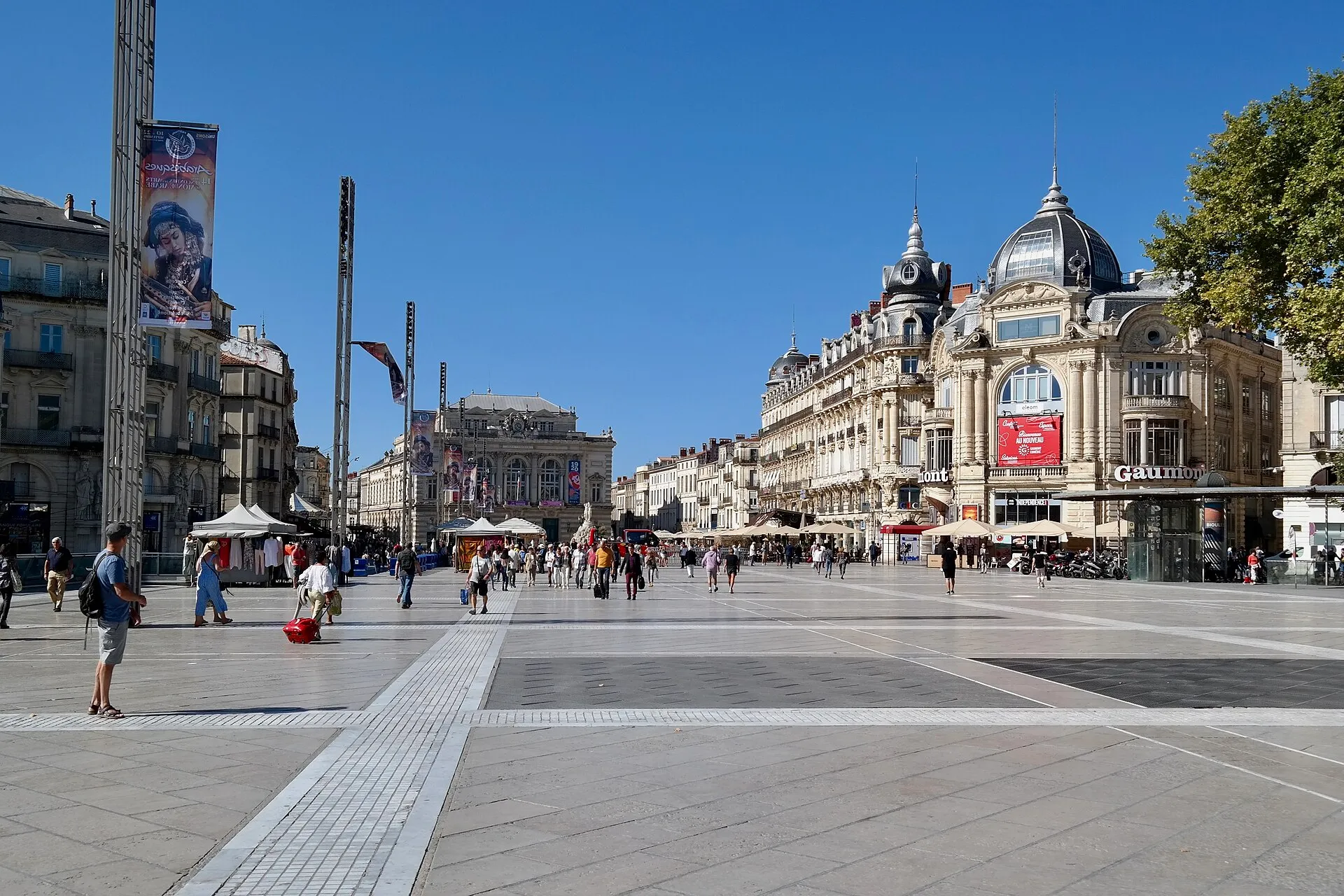
Musée Fabre
One of France's greatest art museums - from Rubens to Soulages
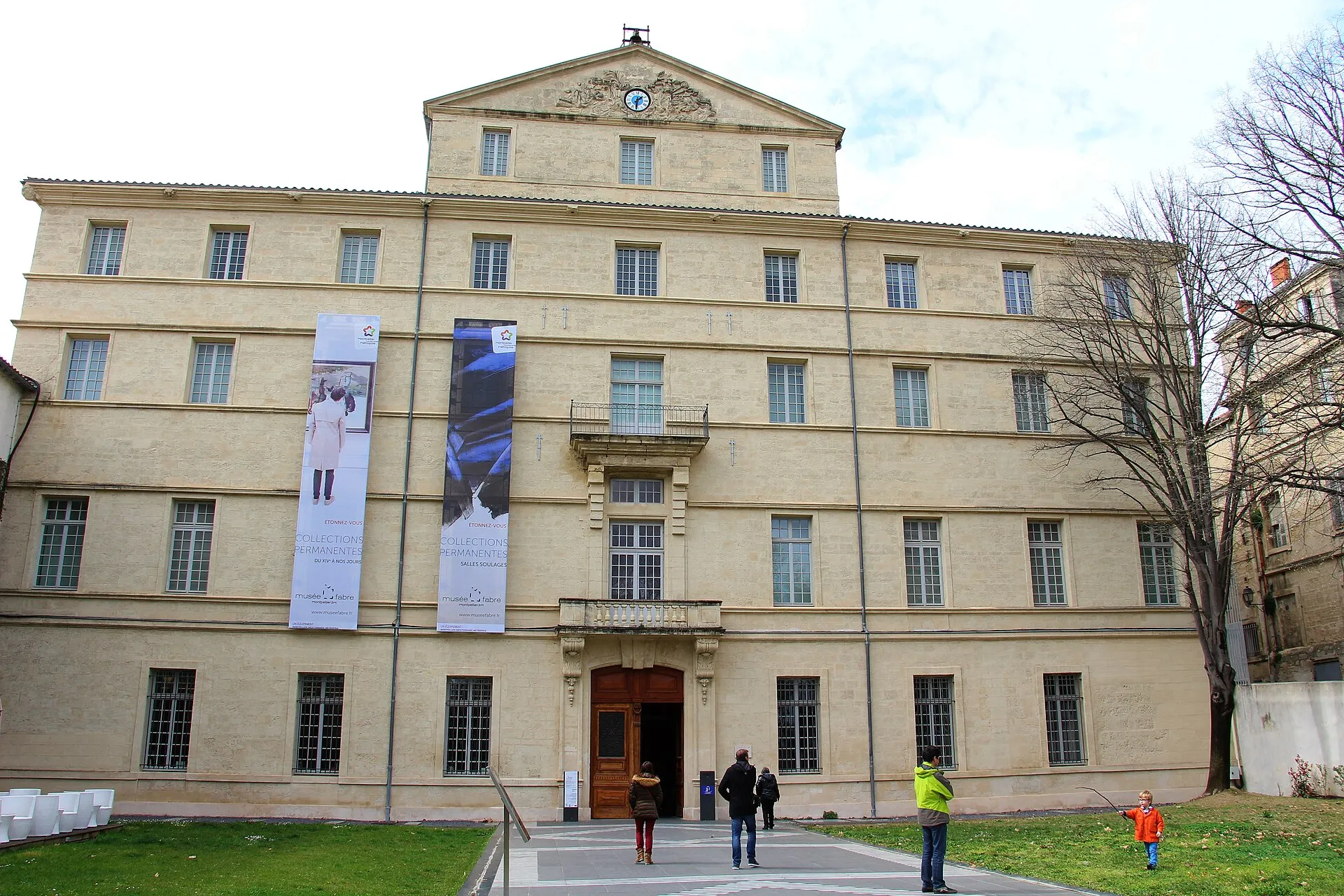
Place de la Comédie
"L'Œuf" - Montpellier's egg-shaped heart and Mediterranean meeting place
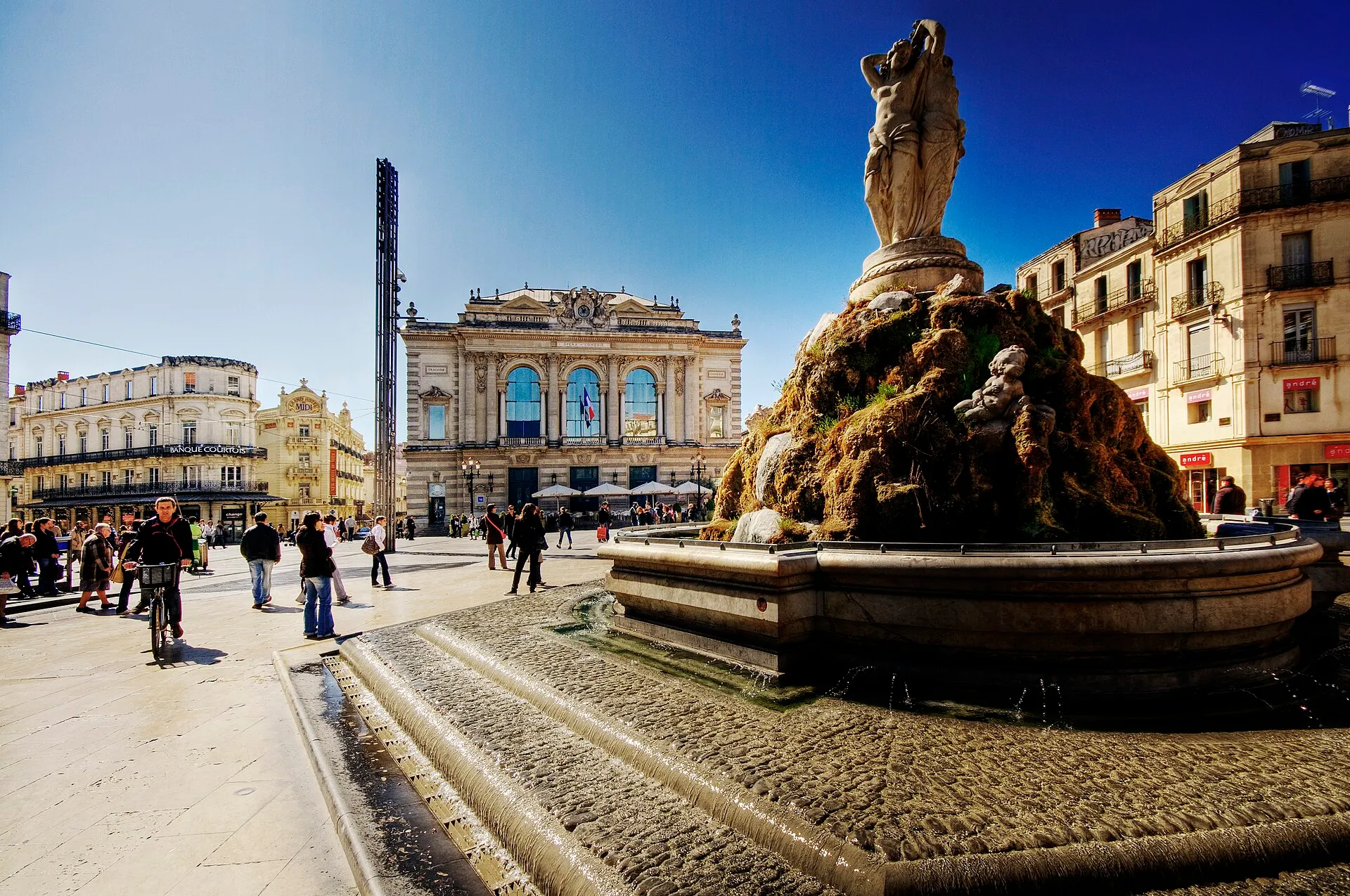
Guide planning
How much does a tour guide cost in Montpellier?
| Tour Type | Price | Details |
|---|---|---|
| Group Walking Tours | €10-18 | Per person, 2 hours |
| Food & Wine Tours | €60-90 | Per person, with tastings |
| Private Half-Day | €130-220 | Up to 6 people |
| Camargue Day Trip | €80-120 | Per person, transport included |
Season planner
When is the best time to visit Montpellier?
Montpellier's Mediterranean climate delivers 300 days of sunshine and mild winters, but summer heat can be fierce. The academic calendar shapes the city's energy — when students are here, Montpellier buzzes; in August, much of the local population heads to the coast.
- May–June (late spring) — The sweetest window: warm without being stifling (20–27°C), the Jardin des Plantes in full bloom, and the student population still around to fuel the nightlife and terrace culture. Pic Saint-Loup vineyards nearby are lush and green
- September (early autumn) — Temperatures remain beach-friendly (24–28°C), students flood back into the Écusson, and the city hums with an energetic start-of-term atmosphere. Wine harvest events begin in the surrounding Languedoc vineyards
- October–November — The crowds thin out, prices drop, and the light turns golden over the Place de la Comédie. Ideal for unhurried museum visits at the Musée Fabre and long lunches at market-side restaurants
- December–February (winter) — Mild by French standards (8–15°C), with occasional tramontane winds keeping the sky brilliantly clear. Montpellier's Christmas market fills the centre, and the university keeps the city livelier than most southern French towns in winter
- July–August (peak summer) — Temperatures regularly exceed 35°C, and many locals decamp to Palavas-les-Flots or Carnon beach. Good for dedicated beach-seekers, but the historic centre feels emptier. Book any outdoor walking tours for early morning
Spring
Mar-May
Summer
Jun-Aug
Autumn
Sep-Nov
Winter
Dec-Feb
Each score averages that season’s monthly ratings out of 5. The top-rated window is usually the peak season too, so read the guidance above for its trade-offs before you book.
On the ground
How do you get around Montpellier?
Montpellier's compact Écusson centre is entirely pedestrianised, and the city's tram network — famously designed by fashion houses including Christian Lacroix — is one of the best in France. Getting around is straightforward and affordable.
- Tram — Five colour-coded lines criss-cross the city and reach the main university campuses, the train station, and the Odysseum shopping district. A single ticket (€1.60) is valid for one hour of unlimited transfers, and day passes cost €4.20. Line 3 extends all the way to the coast at Pérols
- Walking the Écusson — The medieval heart is a maze of narrow lanes that rewards aimless wandering. Hidden behind unassuming stone doorways are dozens of hôtels particuliers — private Renaissance mansions with ornate interior courtyards that guides can talk their way into on weekdays
- Cycling — The city has over 200 km of cycle paths, and the TAM bike-share system has stations across the centre and along the banks of the Lez river. Flat terrain makes cycling easy except within the cobbled Écusson itself
- Bus to the beach — Regular buses connect the centre to Palavas-les-Flots and Carnon beach in about 30 minutes. In summer, services run late into the evening
- TGV and regional rail — Montpellier's Gare Saint-Roch is in the city centre, with TGV connections to Paris (3h20), Barcelona (3h), and Marseille (1h40). A second station at Montpellier Sud de France handles some long-distance services
- Car rental for day trips — Essential for visiting the Camargue wetlands (wild horses, flamingos, salt flats), the medieval fortress-town of Carcassonne, or the Gorges de l'Hérault. Rental offices cluster near the train station
Montpellier in Pictures
Frequently Asked Questions
What is the best time to visit Montpellier?
May-June: Perfect weather before summer heat, gardens blooming. September: Still warm for beach, students return, city buzzes. Winter: Mild compared to north, 10-15°C, uncrowded.
How much does a tour guide cost in Montpellier?
Group Walking Tours: €10-18 (Per person, 2 hours). Food & Wine Tours: €60-90 (Per person, with tastings). Private Half-Day: €130-220 (Up to 6 people).
How do you get around Montpellier?
Montpellier has an extensive tram network with five lines designed by fashion houses, and the historic Ecusson centre is very walkable. Buses extend to the beach and surrounding areas.