
Collections Highlights
Fleurs et fruits (1952-53) - Monumental cut-paper composition from Matisse's final years, among the largest works he ever made. Nature morte aux grenades (1947) - Luminous Nice-interior still life. Tempête à Nice (1919-20) - Rare stormy seascape from his early Riviera winters. The cut-outs
- Late gouaches découpées such as the Blue Nudes and the Danseuse créole, drawing reinvented "with scissors". Rocaille armchair - The silvered Venetian chair Matisse prized and painted repeatedly. Sculpture rooms - Bronzes including the Jeannette heads and reclining nudes, a near-complete run of his sculpture. Jazz (1947) - The stencil-printed book where colour and line turn boldest. Vence Chapel room - Maquettes and vestment designs for the Chapelle du Rosaire, the chapel Matisse designed at nearby Vence and called his masterpiece
Guided Tours
Fauvism to cut-outs: A guide traces how Matisse moved from the worked, sombre oils of his first Nice winters to the radiant papiers découpés of his last decade. The role of light: Why a painter from the industrial north settled on the Riviera, and how the Nice light reshaped his palette. Reading the interiors: Decoding the recurring props — the rocaille armchair, the Venetian mirror, the patterned textiles — that turn his rooms into stage sets. The Vence Chapel: How the maquettes here connect to the Chapelle du Rosaire Matisse considered his crowning work. Cimiez in context: Sequencing the museum with the free Roman ruins and the Chagall Museum next door
Matisse Museum timeline
-
Matisse arrives in Nice
Drawn south by the winter light, the northern-born painter began what became 37 years on the Riviera.
-
Studio on Place Charles-Félix
Matisse took an apartment above the Old Town overlooking Cours Saleya, the setting for his celebrated Nice interiors.
-
Moves up to Cimiez
He settled into the former Hôtel Régina, a few minutes' walk from the villa that now holds his museum.
- 1948-1951
Chapelle du Rosaire, Vence
Matisse designed the Vence chapel entire, from stained glass to vestments, and called it his masterpiece.
-
Death in Nice
Matisse died on 3 November 1954 and was buried in the cemetery of the Cimiez monastery, uphill from the museum.
-
Musée Matisse opens
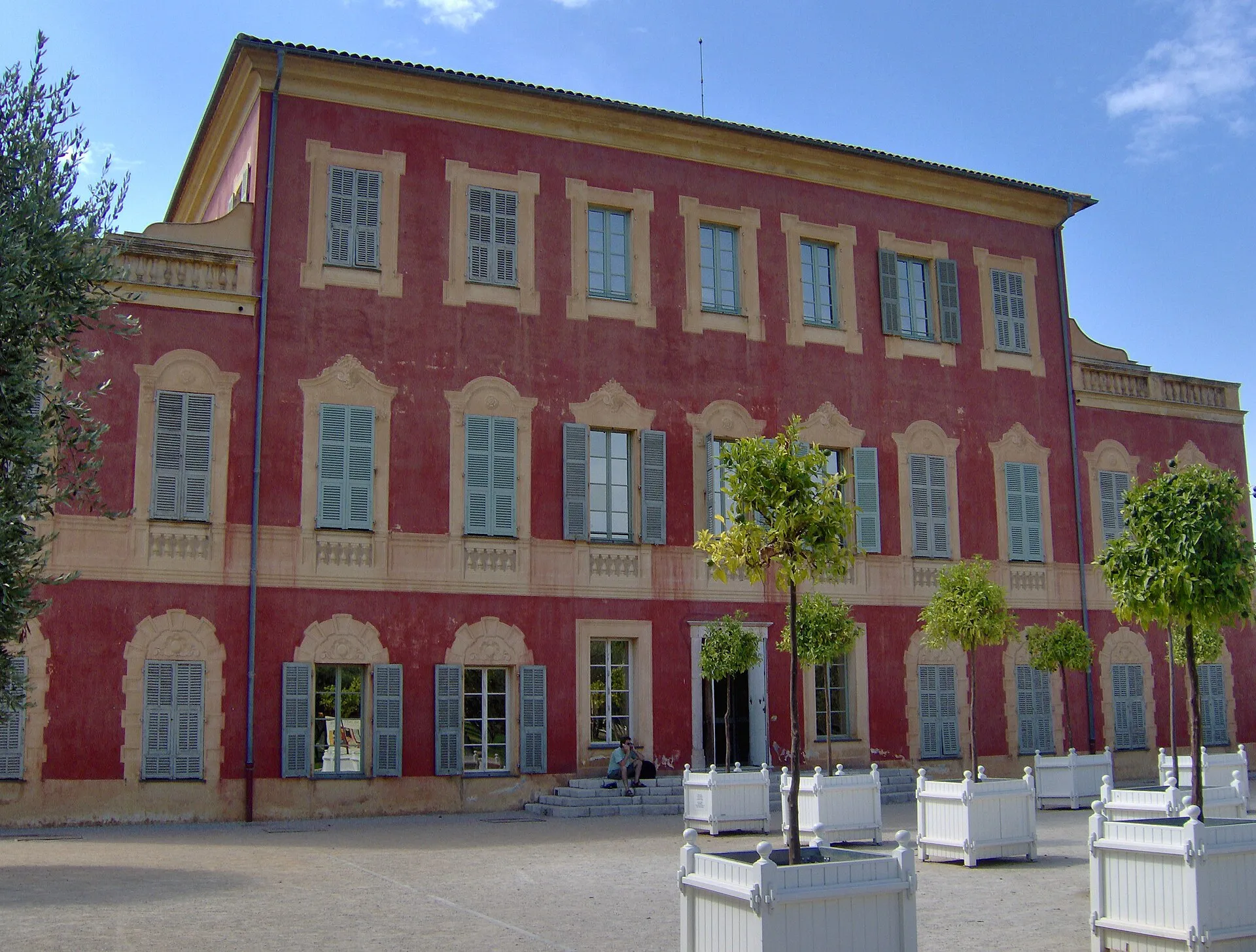
The city of Nice installed its Matisse holdings in the 17th-century Villa des Arènes at Cimiez.
-
Renovation and extension
The villa reopened after a redesign that added underground galleries to display the modern collection.
When to Visit
Open Wednesday-Monday, 10:00 AM - 6:00 PM (closing at 5:00 PM from November to April); closed Tuesdays, plus January 1, Easter Sunday, May 1 and December 25. Arrive at opening for the quietest galleries — the cut-out rooms fill by mid-morning. Allow 1.5-2 hours, longer if you pair the visit with the Roman ruins of Cimiez. Municipal opening times shift with the season, so confirm the day's hours on the official museum site before you set out.
Admission and Costs
Full ticket: €10. Under 18: Free. First Sunday of the month: Free for Nice residents. Guided tour: €15-25 per person. Private guide: €150-220 for 1.5-2 hours. Nice's municipal museums also sell multi-museum passes that bundle the Matisse Museum with other city collections — worthwhile if you plan to add the archaeology museum in Cimiez or a downtown gallery. Check current rates on the official site.
The Case for a Guide
Matisse's Nice work can read as merely decorative — pretty rooms, flat colour, cut-paper shapes — until someone explains what he was actually doing, which is why a guide transforms this museum more than most.
- The northern painter and the southern light: A guide explains why Matisse, raised in the grey textile towns of northern France, staked his late career on the Riviera, and how the specific quality of Nice's winter light drove the shift from his dark early canvases to pure colour.
- "Drawing with scissors": The late cut-outs look effortless; a guide describes the illness and surgery that confined Matisse to bed and wheelchair, and how gouaches découpées let a bedridden man keep composing at monumental scale.
- The recurring interior: The same armchair, jug, and textiles surface across decades of paintings — a guide points them out here as real objects, then shows where they reappear on the walls.
- The Vence Chapel: The chapel maquettes make little sense without context; a guide connects them to the Chapelle du Rosaire that Matisse designed down to the vestments and called his masterpiece.
- Cimiez as one story: A guide sequences the Roman ruins, Matisse's grave, and the Chagall Museum so the hilltop reads as a single itinerary rather than three separate stops.
Tips for Visitors
Getting there: buses 15 and 17 climb from the centre to the Arènes/Musée Matisse stop; from the Chagall Museum it is a 15-minute walk uphill. There is no café inside, but the surrounding olive grove — the Jardin des Arènes — is made for a picnic. Photography without flash is allowed for personal use. Combine the visit with the free Roman arena, baths and archaeology museum of Cimiez, and pay respects at Matisse's grave in the monastery cemetery just uphill. For a full art morning, start lower at the Chagall Museum and walk up to Cimiez
Frequently Asked Questions
What are the opening hours of Matisse Museum?
Hours: Wednesday-Monday 10:00 AM - 6:00 PM (November-April until 5:00 PM). Closed: Tuesdays, January 1, Easter Sunday, May 1, December 25. Best time: Morning for quiet contemplation. Combine with: Chagall Museum nearby for artistic morning
What does admission to Matisse Museum cost?
Full ticket: €10. Under 18: Free. First Sunday: Free for Nice residents. Guided tour: €15-25 per person. Private guide: €150-220 for 1.5-2 hours
What should visitors know before visiting the Matisse Museum?
Bus 15 or 17: From city center to Arènes/Musée Matisse stop. Combine with Cimiez: Roman arena, monastery, and Chagall nearby. Photography: Allowed without flash for personal use. Café: No café inside, picnic in gardens possible.
How long should you plan for a visit to the Matisse Museum?
Allow 1.5 to 2 hours for the collection itself, which is intimate rather than exhausting. Set aside a half-day if you add the free Roman ruins of Cimiez, Matisse's grave in the monastery cemetery, and the Chagall Museum a 15-minute walk downhill.
Which Matisse works should you not miss at the museum?
Seek out the monumental cut-paper composition Fleurs et fruits (1952-53), the glowing still life Nature morte aux grenades (1947), the early stormy seascape Tempête à Nice, the near-complete rooms of bronze sculpture, and the maquettes for the Vence Chapel that Matisse considered his masterpiece.