
Planning the Perfect Trip to Santorini
A practical planner for Santorini — when to go, how many days to stay, which caldera village to base yourself in, what tours are worth booking, and honest guidance on budget, ferries, and getting around.
Read the full guideUpdated · 8 min read
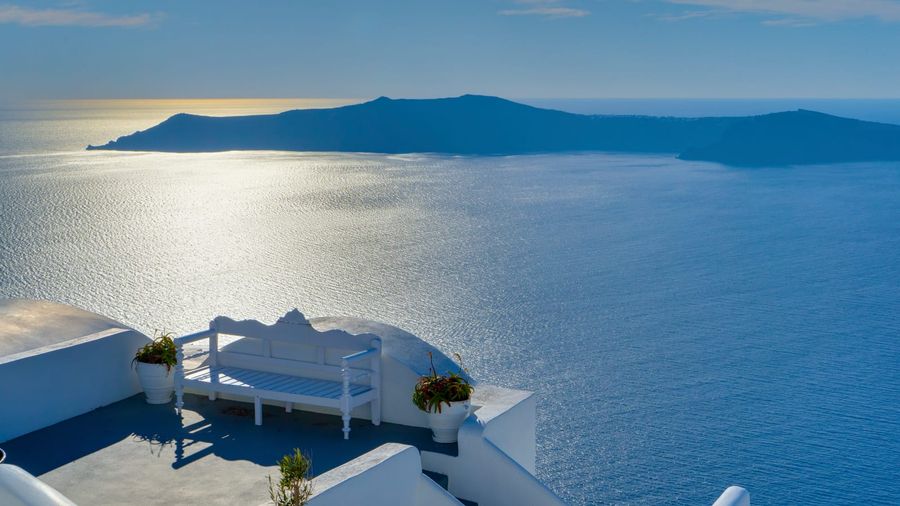
Plan around three days on the island, base yourself in a caldera-rim village such as Fira or Imerovigli, book the Oia sunset and a volcano-and-wineries day early, and travel in the May–June or September–October shoulder seasons to sidestep the worst of the crowds and prices.
Santorini packs an improbable amount into 76 square kilometres: a drowned volcanic crater ringed by cliff-top villages, a Bronze Age town frozen under ash, beaches in red and black, and vineyards that grow their vines coiled into baskets against the wind. That density is exactly why a little planning pays off — the island is small, but it is also one of Greece's most visited destinations, and the difference between a magical trip and a frustrating one usually comes down to timing and logistics. This guide walks through the decisions worth making before you arrive.
When is the best time to visit Santorini?
The shoulder months of May–June and September–October deliver warm weather, a swimmable sea, and noticeably thinner crowds than the July–August peak, when heat, prices, and cruise-ship day-trippers all hit their maximum.
Santorini's season runs roughly from April to October. Spring brings wildflowers on the volcanic slopes and daytime temperatures in the low-to-mid 20s°C, while autumn keeps the sea warm from a whole summer of sun and coincides with the grape harvest at the island's wineries. High summer is spectacular but demanding: temperatures climb past 30°C with little shade on the caldera path, and the narrow lanes of Oia can feel shoulder-to-shoulder by late afternoon.
| Season | Months | What to expect |
|---|---|---|
| Spring shoulder | Apr–Jun | Mild 20–28°C, wildflowers, fewer crowds, lower rates |
| Peak summer | Jul–Aug | Hot 30°C+, busiest, priciest, cruise crowds in Fira |
| Autumn shoulder | Sep–Oct | Warm sea, harvest season, soft light, good value |
| Off-season | Nov–Mar | Cool and quiet; many businesses closed |
If your dates are flexible, aim for late May, June, or September. Whenever you go, note that Fira is busiest on days when cruise ships are in port — a quick check of the port schedule lets you flip your plans and spend those days on a beach or at a winery instead.
How many days do you need?
Three full days lets you cover the caldera villages, the volcano, the wineries, and a beach without rushing; two days captures the essentials, and a fourth day rewards anyone who wants to slow down or add the Akrotiri excavation.
Many travellers arrive on a cruise and see only Fira and Oia in a single frantic afternoon — enough for photographs, not enough to understand the place. With three nights you can pace yourself: dedicate one day to walking the caldera rim and staying out for the Oia sunset, one to a boat trip across the caldera to the active volcano paired with an afternoon of wine tasting, and one to the beaches or the remarkable Ancient Akrotiri site. If Santorini is part of a wider island-hopping route, it pairs naturally with Mykonos or a few days in Athens at either end.
Which village should you base yourself in?
Where you sleep shapes the whole trip: Fira is the lively, well-connected hub, Oia is the romantic showpiece, Imerovigli offers caldera views without the crush, and inland or beach villages trade the famous cliffs for lower prices and calm.
The caldera-rim villages command the iconic views — and the highest prices. Fira, the capital, sits in the middle and is the transport hub for buses, so it suits first-timers and anyone without a car. Oia is quieter and more upscale but books out earliest and is farthest from the airport and port. Below are the trade-offs at a glance:
| Base | Best for | Trade-off |
|---|---|---|
| Fira | Nightlife, bus links, central location | Busiest, cruise crowds by day |
| Firostefani / Imerovigli | Caldera views, quieter evenings | Fewer restaurants, still pricey |
| Oia | Romance, the classic sunset | Priciest, far from airport/port |
| Kamari / Perissa | Beaches, budget stays | No caldera view, need transport |
| Pyrgos / Megalochori | Village calm, authentic feel | Inland, a car helps |
Whichever you choose, book accommodation months ahead for summer — the cliff-face cave hotels in particular sell out well before the season starts.
Which Santorini tours are worth booking?
A guided experience turns Santorini's scenery into a story — the geology of the caldera, the archaeology of Akrotiri, or the volcanic terroir behind the wine — and the highest-demand tours should be reserved before you arrive.
You can see the island independently, but the volcano is only reachable by boat, and both Akrotiri and the wineries reward expert context. Group tours are the budget-friendly option; private guides cost more but tailor the day to your pace. Typical prices, in line with rates across the island, look like this:
| Tour type | Typical price | Notes |
|---|---|---|
| Group half-day island tour | €50–80 per person | Villages, viewpoints, a winery stop |
| Private half-day (up to 4) | €200–350 | Flexible route, ~4 hours |
| Full-day private (up to 4) | €400–600 | ~8 hours, covers the whole island |
| Wine tour | €90–150 per person | Three wineries, ~4 hours, tastings |
| Caldera / volcano boat trip | €40–100 per person | Crater hike, hot springs, some at sunset |
Look for licensed guides with a genuine specialism — a geologist for the volcano, an archaeologist for Akrotiri, or a sommelier for the Assyrtiko wineries. Sunset catamaran cruises are the most popular single booking on the island and fill days ahead in summer, so reserve early.
How do you get around the island?
Local buses connect Fira to every major village cheaply, while ATVs and rental cars offer freedom at the cost of tricky parking and narrow, winding roads — and the cliff-top caldera path is best covered on foot.
Santorini's public buses all radiate from the central station in Fira, running frequently in summer to Oia, Kamari, Perissa, Akrotiri, and the port. Fares are only a couple of euros, though services thin out in the evening, which matters if you are staying for the Oia sunset. Rental cars and the ubiquitous ATV quad bikes give you the run of the island, but parking in Fira and Oia is genuinely scarce, and the roads are steep and narrow — take the insurance and drive cautiously. The scenic Fira-to-Oia caldera walk (about 10 km, three to four hours) is one of the best things to do on foot; start early to beat the heat. A cable car links Fira with the old port below the cliffs, sparing you the 580-step donkey path.
How much should you budget?
Santorini is one of Greece's more expensive destinations, especially in peak season, but costs swing widely with the calendar and with how close to the caldera you sleep.
Accommodation is the biggest variable: a caldera-view cave suite in Oia in August can cost many times what a comfortable room in Kamari or Pyrgos costs in May. Food and activities are more predictable. The ranges below are per person, per day, excluding flights or ferries to the island:
| Style | Rough daily budget | Where it goes |
|---|---|---|
| Budget | €80–130 | Inland/beach room, buses, tavernas, one group tour |
| Mid-range | €150–300 | Caldera-view room, mix of tours, dining out |
| Premium | €350+ | Cave suite, private guides, sunset cruises |
To keep costs down, travel in the shoulder season, base yourself away from the caldera rim, use the buses, and eat where the locals do — the tavernas in Pyrgos and Megalochori charge a fraction of the cliff-edge restaurants for equally good food and a warmer welcome.
Getting to Santorini and what to book ahead
Reach the island by a 45-minute flight from Athens or a longer, cheaper ferry, and lock in your accommodation, sunset cruise, and any private guides well before the summer rush.
Flights from Athens take about 45 minutes and run frequently in season, with seasonal direct routes from several European cities. Ferries from the Athenian ports of Piraeus and Rafina take five to eight hours on a conventional boat or roughly four to five on a high-speed catamaran; they are cheaper and more scenic, but high-speed services are the first to be cancelled in strong meltemi winds, so never schedule a ferry to connect directly with a same-day flight home. Once your dates are fixed, the booking priority is simple: accommodation first (cave hotels sell out months ahead), then the sunset catamaran cruise and any private guides, then car or ATV rental. With those secured, the rest of Santorini — the long lunches, the unplanned village detours, the evening you simply sit and watch the caldera turn gold — takes care of itself.
Frequently Asked Questions
How many days do you need in Santorini?
Three full days is the sweet spot — one for the caldera villages and the Oia sunset, one for the volcano and wineries, and one for the beaches or the Akrotiri excavation. Two days works if you only want the highlights.
Is it better to reach Santorini by ferry or by plane?
Flights from Athens take about 45 minutes and are the fastest option, while ferries take 5–8 hours on a conventional boat or around 4–5 by high-speed catamaran. Ferries are cheaper and more scenic but are the first thing cancelled in strong meltemi winds, so leave a buffer day before any onward flight.
Do you need a car in Santorini?
Not necessarily. Local buses radiate from Fira to Oia, Kamari, Perissa, and Akrotiri, and are cheap and frequent in summer. A rental car or ATV gives you freedom to reach quieter beaches and viewpoints, but parking in Fira and Oia is scarce and roads are narrow.
Where is the best place to watch the sunset without the crowds?
Oia's castle terrace is the famous spot and gets packed an hour before sunset. For a quieter view, try the walk down toward Ammoudi Bay, the village of Imerovigli, or the ruins of the Byzantine castle in Pyrgos, which looks back across the whole island.