
Cape Town First-Timer's Guide
How to plan a first trip to Cape Town — Table Mountain and the cableway, the Robben Island ferry, Kirstenbosch gardens, the Cape Peninsula drive.
Read the full guideUpdated · 9 min read
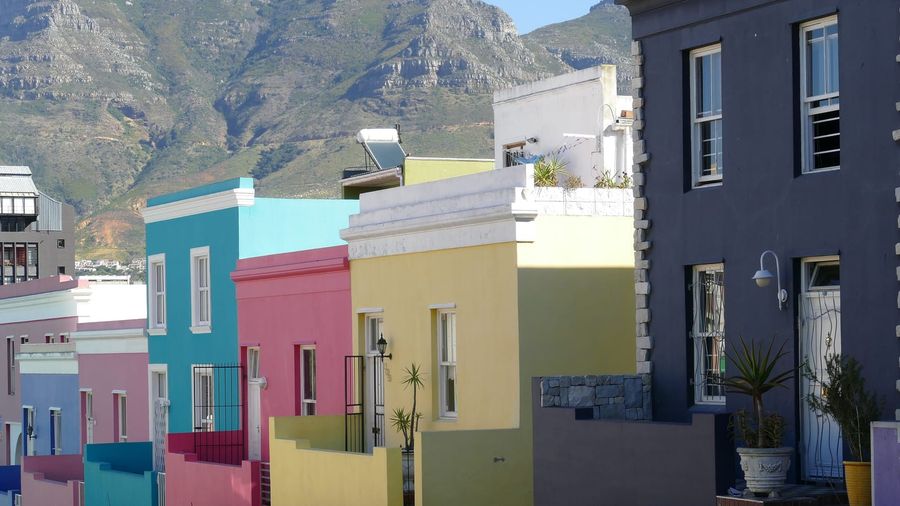
A first trip to Cape Town needs four to five days to cover its landscape-driven highlights: ride the cableway up Table Mountain, ferry to Robben Island, wander Kirstenbosch gardens, and drive the Cape Peninsula to Cape Point and Boulders Beach. Visit in the warm, dry summer of November to March, and keep a spare day for weather.
Few cities are as defined by their geography as Cape Town. A flat-topped mountain rises straight out of the city centre; two oceans meet at the tip of the peninsula below it; and the whole arrangement is so dramatic that first-time visitors spend their early hours simply staring upward. The pleasure of the place is that the landscape and the sightseeing are the same thing — you climb the mountain, you sail to an island, you drive a coast road carved into cliffs. This guide lays out what to prioritise on a first trip to South Africa's Mother City, how to time it around the weather, and how to move around with confidence.
Why start with Table Mountain?
Table Mountain dominates every Cape Town view, so make it your first proper outing. Reach the flat, thousand-metre summit by a stiff Platteklip Gorge hike or the five-minute rotating cableway, and go on the first clear, still morning — the cableway closes in high wind and cloud can erase the view fast. Buy timed tickets online.
There is no easing into Cape Town: Table Mountain dominates every view and should be your first proper outing. The flat summit, more than a thousand metres above the city, is reached either by a stiff two-to-three-hour hike up the Platteklip Gorge or, far more popularly, by the rotating cableway that lifts you to the top in five minutes while the floor turns for a 360-degree view. The crucial rule is to go on a clear, still morning — the cableway closes in high wind, and the "tablecloth" of cloud that pours over the summit can erase the view in minutes. Buy a timed ticket online, watch the forecast, and treat the first calm morning of your trip as your mountain day, whatever else was planned.
Once up, the summit is laced with easy walking paths, dassies (the rock hyrax, improbably the elephant's closest living relative) sun themselves on the rocks, and the panorama runs from the city bowl and the harbour out to the long arc of the peninsula. Allow a couple of hours and don't rush back down.
What makes Robben Island worth the trip?
Robben Island is Cape Town's second essential, a UNESCO-listed former prison where Nelson Mandela spent eighteen of his twenty-seven years jailed. Many guides are former political prisoners who lead visitors through the cell blocks themselves. The ferry from the V&A Waterfront takes about half an hour, sells out routinely, and is cancelled in rough seas — book ahead.
Cape Town's second essential is a boat trip with a very different weight. Robben Island, the low island visible from the Waterfront, was the prison where Nelson Mandela spent eighteen of his twenty-seven years of incarceration, and it is now a museum and a UNESCO World Heritage Site. The tour is built around a powerful detail: many of the guides are former political prisoners who were themselves held there, and they lead visitors through the cell blocks and the limestone quarry where they were forced to work. The ferry from the V&A Waterfront takes about half an hour each way, sells out routinely, and is cancelled in rough seas — book several days ahead and choose a calm day.
The V&A Waterfront itself, where the ferry leaves from, is the city's busy harbour-side hub of restaurants, shops, and the superb Zeitz Museum of Contemporary African Art, and it makes a natural base for an afternoon either side of the crossing.
Is Kirstenbosch worth a half-day?
Yes. Kirstenbosch is one of the world's great botanical gardens, set on Table Mountain's eastern slopes and showcasing South Africa's fynbos and proteas — the Cape Floral Kingdom, the planet's smallest and most diverse. The Boomslang canopy walkway lifts you into the treetops, and summer sunset concerts on the lawns are a Cape Town institution.
For a gentler half-day, Kirstenbosch is one of the world's great botanical gardens, set on the eastern slopes of Table Mountain. It showcases South Africa's extraordinary native flora — the fynbos and proteas of the Cape Floral Kingdom, the smallest and most diverse of the planet's plant kingdoms — across landscaped lawns that run up into the mountain forest. The Boomslang, a curving steel-and-timber canopy walkway, lifts you into the treetops, and in summer the open-air sunset concerts on the lawns are a Cape Town institution. It is an easy, restorative counterpoint to the more demanding sights.
What does the Cape Peninsula drive involve?
Set aside a full day for the peninsula. Drive south along Chapman's Peak Drive, carved into the cliffs between Hout Bay and Noordhoek, to the wild headlands of the Cape of Good Hope and Cape Point. Returning, stop at Boulders Beach near Simon's Town to walk boardwalks among nesting African penguins. A guided tour lets you watch the scenery.
Set aside a full day for the peninsula. The drive south from the city threads along Chapman's Peak Drive, one of the most spectacular coastal roads anywhere, carved into the cliff face between Hout Bay and Noordhoek. It continues to the Cape of Good Hope and Cape Point at the peninsula's tip, where wild Atlantic headlands meet a nature reserve of baboons and bontebok. On the way back, stop at Boulders Beach near Simon's Town to walk the boardwalks among a colony of African penguins nesting among the granite boulders. Hire a car or, better for a first visit, join a guided peninsula tour so you can watch the scenery rather than the road.
When is the best time to visit Cape Town?
Cape Town's seasons are flipped for northern visitors. Summer, November to March, is warm, dry, and reliable but windiest, thanks to the south-easter known as the Cape Doctor. Autumn and spring shoulders are quieter and calmer, while wet, green winter, June to August, brings the lowest prices and the best land-based whale watching.
Cape Town's seasons are flipped for northern-hemisphere visitors, and the weather genuinely shapes the trip. The summer months from November to March are warm, dry, and reliable — peak season for the mountain and the beaches, but also the windiest, with the south-easter known locally as the Cape Doctor. The shoulder seasons of autumn (April–May) and spring (September–October) are quieter and often calmer. Winter, from June to August, is wet and green, with the lowest prices and the best land-based whale watching, when southern right whales gather in the bays along the coast. Build a flexible day into any itinerary, because the two headline sights — the cableway and the ferry — both bow to the weather.
How do you get around Cape Town safely?
Cape Town is spread out, so most visitors mix cheap ride-hailing apps with a hire car for the peninsula and Winelands; the MyCiTi bus network usefully covers the centre, Waterfront, and Atlantic Seaboard. On safety, apply ordinary big-city sense: keep to busy areas, use apps after dark instead of walking, hide valuables, and take local trailhead advice.
Cape Town is spread out, and most visitors rely on a mix of ride-hailing apps, which are cheap and widely used, and a hire car for the peninsula and the Winelands. The MyCiTi bus network covers the city centre, the Waterfront, and the Atlantic Seaboard usefully. On safety, the city rewards ordinary big-city sense rather than anxiety: keep to busy areas, use apps instead of walking after dark, don't flash valuables, take local advice on trailheads (hike Table Mountain in a group or with a guide), and you will find the tourist circuit relaxed and welcoming.
Where does a local guide earn their keep in Cape Town?
Cape Town's logistics are its main friction, and a guide dissolves most of it. The sights sprawl across a large area, the best ones hinge on weather windows a local reads better than any app, and Robben Island, District Six, and the townships come alive only through someone who links landscape to the country's history.
Cape Town's logistics are its main friction, and a guide dissolves most of it. The sights are scattered across a large area, the best ones depend on weather windows that a local reads better than any forecast app, and the most meaningful — Robben Island, the District Six story, the townships — come alive only through someone who can connect the landscape to the country's history. A guided peninsula day means you watch Chapman's Peak instead of navigating it; a half-day city tour orients you to the neighbourhoods and the safety map far faster than trial and error. For a first trip especially, pairing a hire car for freedom with a guided day or two for context is the way to get the most out of a city where the scenery and the story are equally the point.
Related Guides
- Best Time to Visit Iceland — another destination where the weather, not the calendar, dictates the plan
- Marrakech Medina & Souks Guide — a different African city where a guide turns chaos into clarity
- Best Time to Visit London — seasonal planning for travellers continuing north
Cape Town gives you a mountain, an ocean, an island, and a piece of modern history within an hour of one another. Watch the weather, book the cableway and the ferry the moment a calm day appears, give the peninsula a full day, and you will understand why so many visitors arrive for a few days and start plotting how to come back.
Frequently Asked Questions
How many days do you need in Cape Town?
Four to five days is the comfortable minimum for a first visit. That covers Table Mountain, Robben Island, Kirstenbosch, and a full day on the Cape Peninsula, with a buffer day for the Winelands or for the weather — the mountain and the ferry both close in high wind, so flexibility matters more here than in most cities.
When is the best time to visit Cape Town?
The summer months of November to March bring warm, dry, reliable weather and are peak season for Table Mountain and the beaches. The shoulder months of April, May, September, and October are quieter and still pleasant. Winter, June to August, is green and wet, with the lowest prices and the best whale watching along the coast.
Do I need to book Table Mountain and Robben Island in advance?
Yes for both. The Table Mountain cableway sells timed online tickets that skip the long queue and only runs in safe wind, so buy on a clear morning and go early. Robben Island ferries are limited, frequently sell out, and are cancelled in rough seas — book several days ahead and pick a calm-looking day.
Is Cape Town safe for tourists?
Cape Town rewards normal big-city caution rather than worry. Stick to the busy tourist areas, use ride-hailing apps after dark instead of walking, don't display valuables, and take local advice on which neighbourhoods and trailheads to avoid. The main sights, the Waterfront, and the peninsula are well used by visitors and straightforward to enjoy.