Country guide
What makes South Africa a must-visit destination?
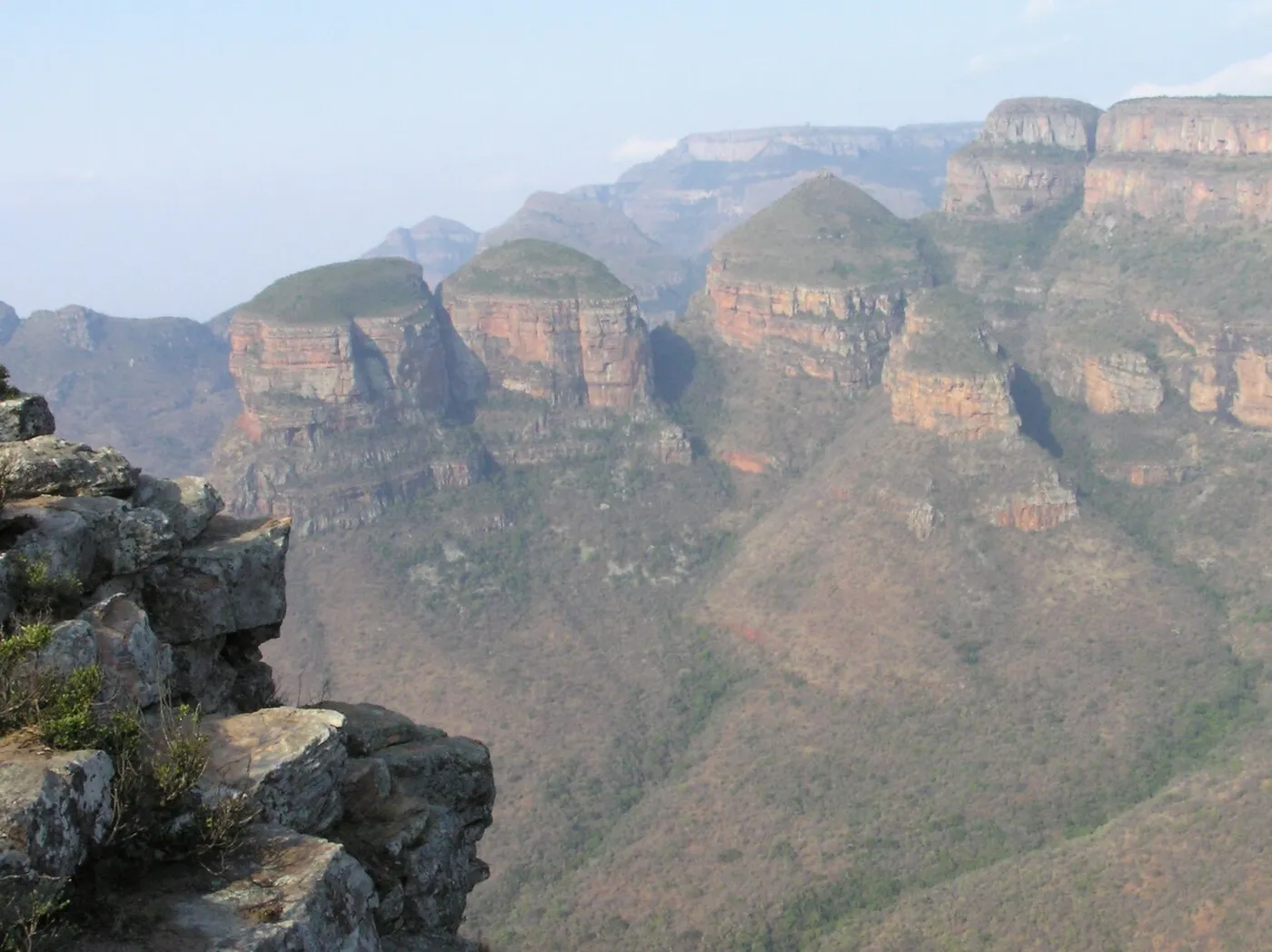
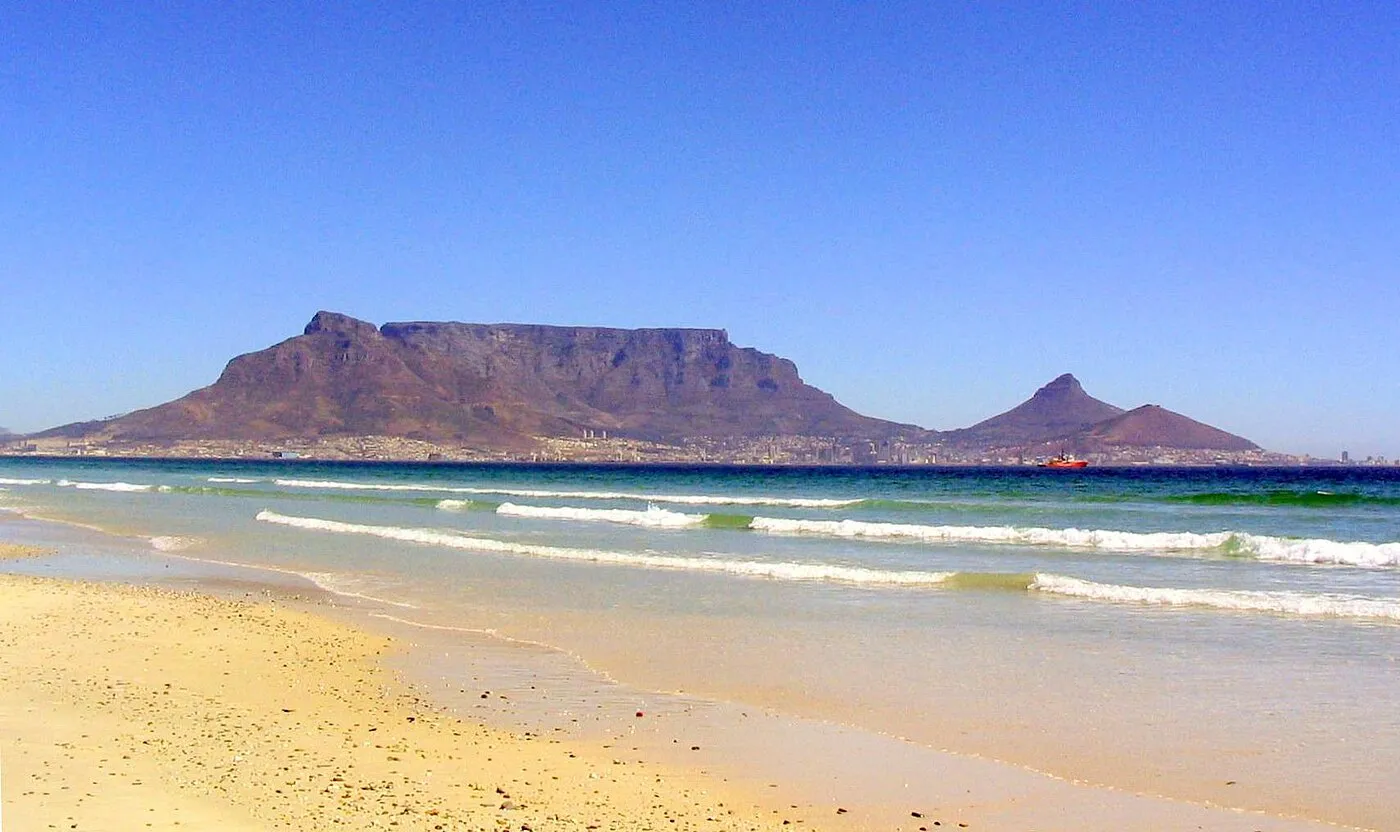
South Africa occupies the southern tip of the African continent, where the Atlantic and Indian Oceans collide off the rocky headlands of the Cape. Its landscapes shift from the flat-topped drama of Cape Town's Table Mountain to the golden grasslands of Gauteng and the subtropical shores around Durban. Wildlife reserves harbour the Big Five, while centuries of indigenous, colonial, and post-apartheid history have produced a culture unlike any other on Earth.
English is one of eleven official languages, making South Africa one of the most accessible African destinations for international visitors. Yet the country's layered past and diverse communities mean a local guide transforms any trip from sightseeing into genuine understanding, whether you are tracking leopards in the bush or tracing Nelson Mandela's footsteps through Johannesburg.
- Language
- English, Zulu, Afrikaans & more Widely spoken across South Africa
- Currency
- Rand (R) Legal tender across South Africa
- Time zone
- UTC+2 Local time in South Africa
- Power plugs
- Types D, M, N · 230V Sockets used across South Africa
- Getting around
- Rental car & domestic flights Getting between South Africa's cities
- Best months
- Jan, Feb, Mar, Apr, May, Sep, Oct, Nov, Dec Averaged across South Africa's city ratings
South Africa timeline
-
Mapungubwe flourishes
The southern African kingdom adds a precolonial trade and power layer before Cape settlement.
-
Cape colony begins
Dutch settlement at the Cape created the colonial layer behind Cape Town and wine country.
-
Union of South Africa
The union formed the modern state structure before apartheid.
-
Apartheid begins
Apartheid law shaped the memory sites, townships, and museums visitors encounter today.
-
Democratic elections
The first nonracial election made freedom history central to South African travel.
-
World Cup hosted
The tournament added stadiums and a global celebration layer to major city routes.
Local context
Culture and travel signals
11 official languages recognized in the constitution
South Africa's linguistic diversity — from Zulu and Xhosa to Afrikaans and English — reflects a cultural mosaic found nowhere else, with most citizens speaking at least two or three languages daily
Kruger National Park spans nearly 20,000 square kilometers
Roughly the size of Israel, Kruger is home to 147 mammal species including all of the Big Five, and its network of camps and private concessions generates over 1.8 million visitor-nights per year
The Cape Winelands produce over 1 billion liters of wine annually
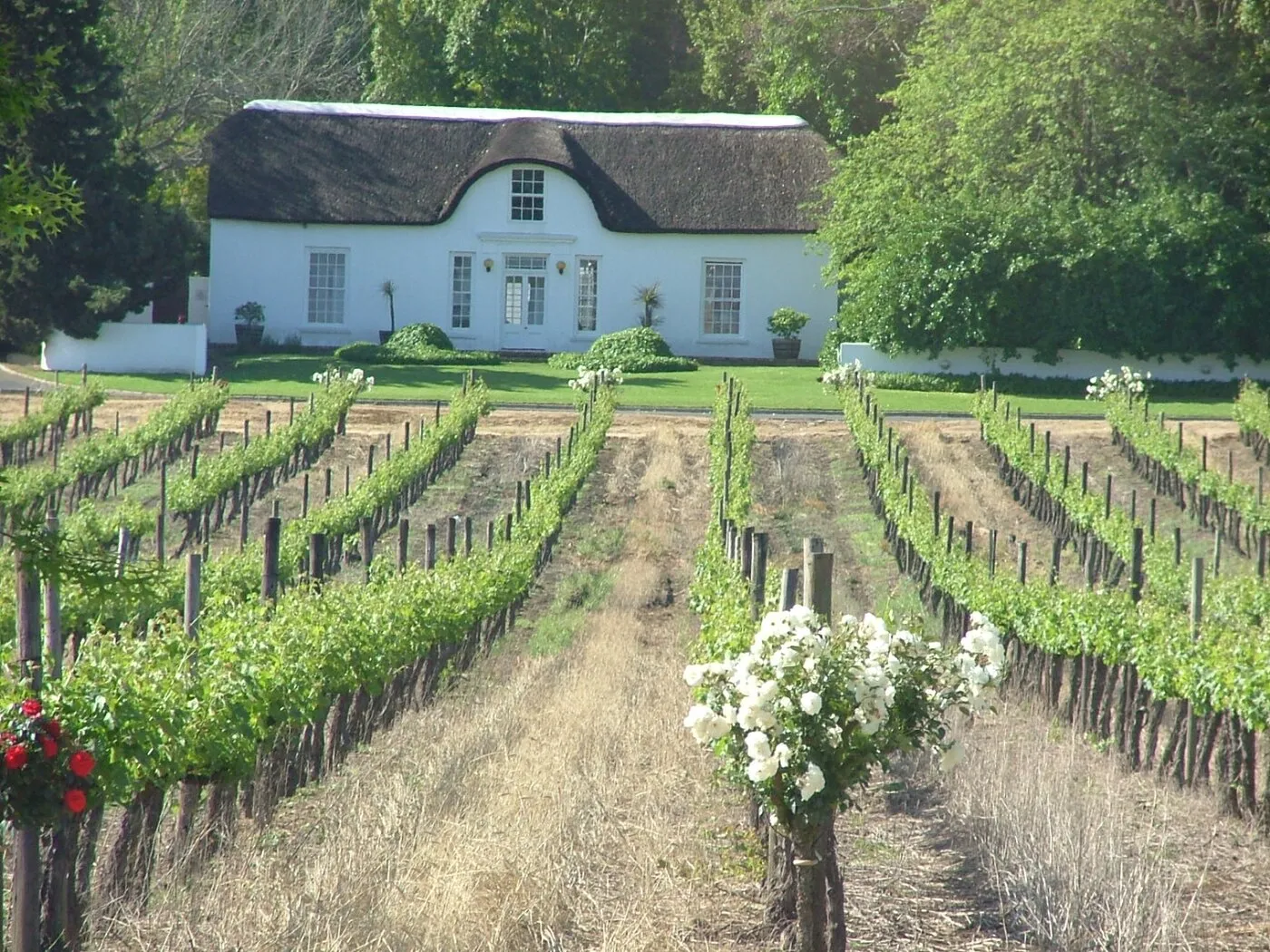
South Africa ranks among the world's top 10 wine producers, with Stellenbosch and Franschhoek vineyards dating back to the late 1600s when Huguenot refugees planted the first French varietals
Table Mountain is estimated at roughly 600 million years old
Predating the Andes, Alps, and Himalayas by hundreds of millions of years, Table Mountain's sandstone summit hosts over 1,470 floral species, more than the entire British Isles combined
Source: tour-guide.com — Free to cite with attribution
Season planner
A year in South Africa
Use this best time to visit snapshot as a country-wide average, then check the city guides for local timing.
Mar-May
Spring
Spring holds up well for guided travel in South Africa, averaging Mar-May (4/5).
Jun-Aug
Summer
Summer stays workable in South Africa at Jun-Aug (3/5), so lean on city-by-city timing.
Sep-Nov
Autumn
Autumn holds up well for guided travel in South Africa, averaging Sep-Nov (4/5).
Dec-Feb
Winter
Winter holds up well for guided travel in South Africa, averaging Dec-Feb (4/5).
Where should you go in South Africa?
The Western Cape
Cape Town unfolds beneath the flat summit of Table Mountain, its neighborhoods stretching from the sobering history of Robben Island to the indigenous botanical splendor of Kirstenbosch on the mountain's eastern slopes. An hour east of Cape Town, Stellenbosch offers oak-lined streets and the Cape Winelands, where centuries-old estates pour vintages against a backdrop of rugged mountain ranges.
Gauteng & the Interior
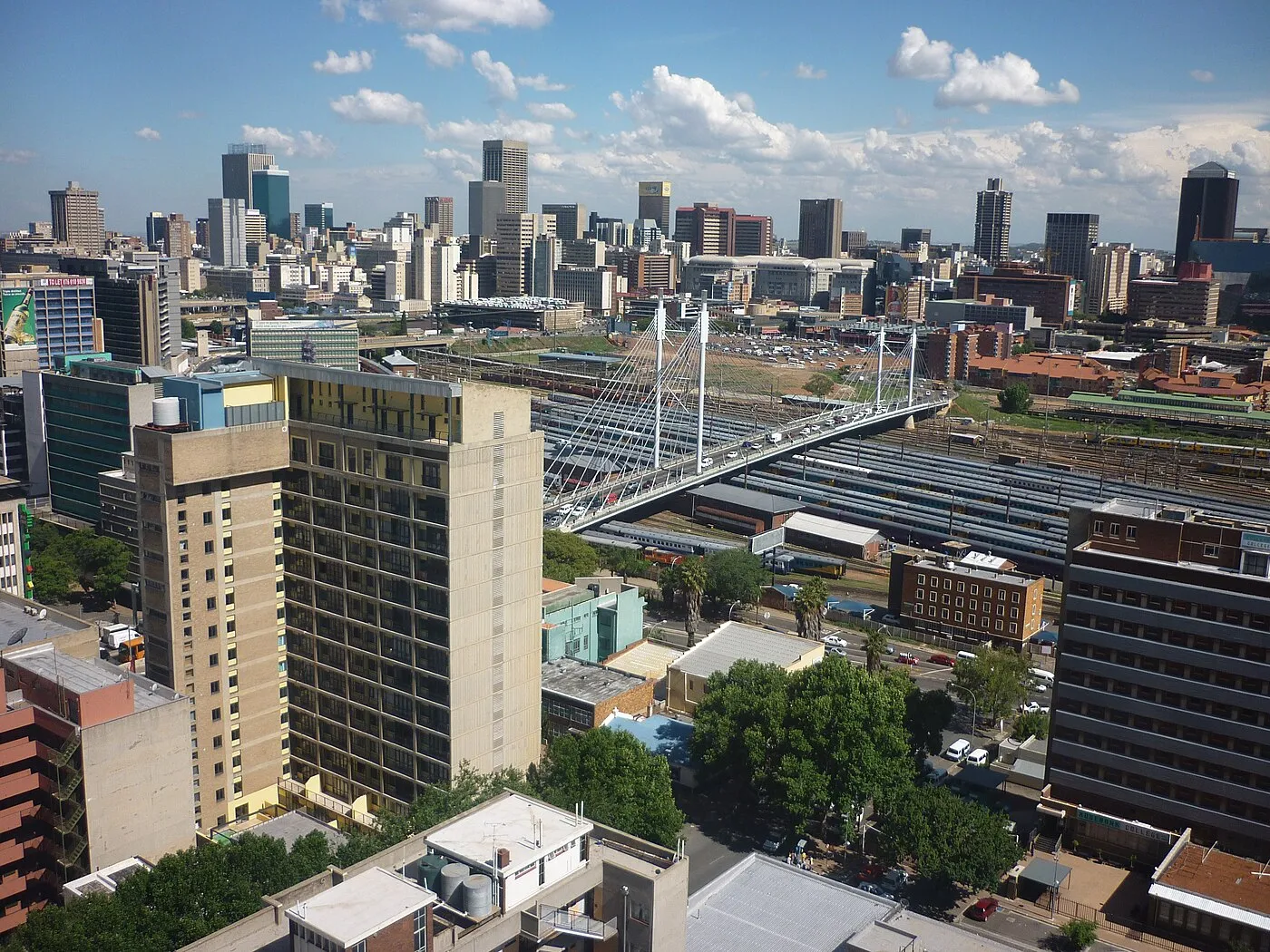
In Gauteng, Johannesburg confronts its past head-on at the Apartheid Museum and Constitution Hill while the streets of Soweto pulse with the energy that helped reshape a nation. Pretoria anchors the administrative capital around the sweeping lawns of the Union Buildings, the granite mass of the Voortrekker Monument, and the contemplative gardens of Freedom Park.
The KwaZulu-Natal Coast
Durban lines the Indian Ocean with the Golden Mile beachfront and uShaka Marine World, backed by deep-rooted Zulu heritage that a local guide can bring to life.


Must-see attractions across South Africa
Jump past the planning and straight to what makes South Africa memorable, city by city. A guided visit is where the specifics click into place.
What do visitors need to know about South Africa?
Finding a Guide
- South African Tourism requires cultural and nature guides to register with provincial authorities — look for a valid tour guide badge and registration number before booking
- FGASA-accredited field guides — for Big Five game drives, book through established lodges in Kruger, Sabi Sands, or Addo Elephant Park for safe, expert-led encounters
- Community-led tours in Soweto, Langa, and other townships connect you with residents who share personal stories of life during and after apartheid, ensuring tourism revenue stays local
- Wine estate tours in Stellenbosch and Franschhoek offer sommelier-guided tastings and cellar tours, often paired with gourmet cuisine and vineyard walks
Typical Costs
| Tour Type | Price Range |
|---|---|
| Group walking tour | R200–500 ($11–28) per person |
| Private half-day guide | R1,500–3,000 ($83–167) |
| Private full-day guide | R2,500–5,000 ($139–278) |
| Safari game drive | R1,000–3,500 per person per drive |
| Wine tour with tastings | R1,200–2,500 per person (including tasting fees) |
Must-See Experiences
- Table Mountain cableway — rotating car with 360-degree views of the Cape Peninsula
- Big Five safari — Kruger National Park or private reserves for lion, leopard, elephant, rhino, buffalo
- Robben Island — where Nelson Mandela was imprisoned for 18 years, now a UNESCO site
- Cape Winelands — world-class Pinotage and Chenin Blanc among mountain scenery
- Garden Route — coastal drive through forests, lagoons, and seaside villages
- Soweto heritage tours — walk through the streets that changed a nation
- Boulders Beach penguins — African penguin colony near Simon's Town
- Shark cage diving — great whites off Gansbaai or Mossel Bay
Tips for Visitors
- Safety awareness — stick to guided tours in unfamiliar areas, avoid displaying expensive jewellery, and follow your guide's advice in cities
- Load shedding — power outages still occur; confirm your accommodation and activities have backup generators
- Driving — South Africans drive on the left; distances between cities are large, so plan travel time or fly between regions
- Malaria zones — Kruger and Limpopo require prophylaxis; consult a travel clinic before departure
- Currency — the South African rand (ZAR/R) offers strong purchasing power for visitors from dollar or euro economies
- Best season — May to September is dry winter, ideal for safari; December to February is warm summer, perfect for coastal cities
- Visa — many nationalities enjoy visa-free entry for up to 90 days; check before travel
- Water — tap water is safe in major cities; carry bottled water in rural or reserve areas
- Tipping — 10–15% is customary for guides; most attraction entrance fees are separate
Frequently Asked Questions
What is the best time of year to visit South Africa?
The dry winter months from May to September concentrate wildlife around waterholes in Kruger National Park and private reserves, offering the best Big Five safari conditions with sparse vegetation and cool mornings. Southern right whales arrive along the Western Cape coast from June through November, with Hermanus offering some of the world's finest land-based whale watching. August and September bring the spectacular Namaqualand wildflower season, when the arid Northern Cape erupts in carpets of orange and purple blooms. Cape Town comes alive from December to February during the warm summer months, when outdoor markets, beach culture, and vineyard lunches in Stellenbosch and Franschhoek are at their peak.
How much does a private tour guide cost in South Africa?
The favorable exchange rate makes South Africa outstanding value for international visitors. Group walking tours of Cape Town or Soweto heritage sites cost R200–500 ($11–28) per person, while private half-day guides run R1,500–3,000 ($83–167). Safari game drives are priced separately and vary widely by reserve — typically R1,000–3,500 per person per drive.
Do I need to speak the local language to travel in South Africa?
English is one of eleven official languages, making South Africa one of the most accessible African destinations for international visitors. Yet the country's layered past and diverse communities — Zulu, Xhosa, Afrikaans, and more — mean a local guide transforms any trip from sightseeing into genuine understanding, whether you are tracking leopards in Kruger or tracing Nelson Mandela's footsteps through Johannesburg.