
Trails
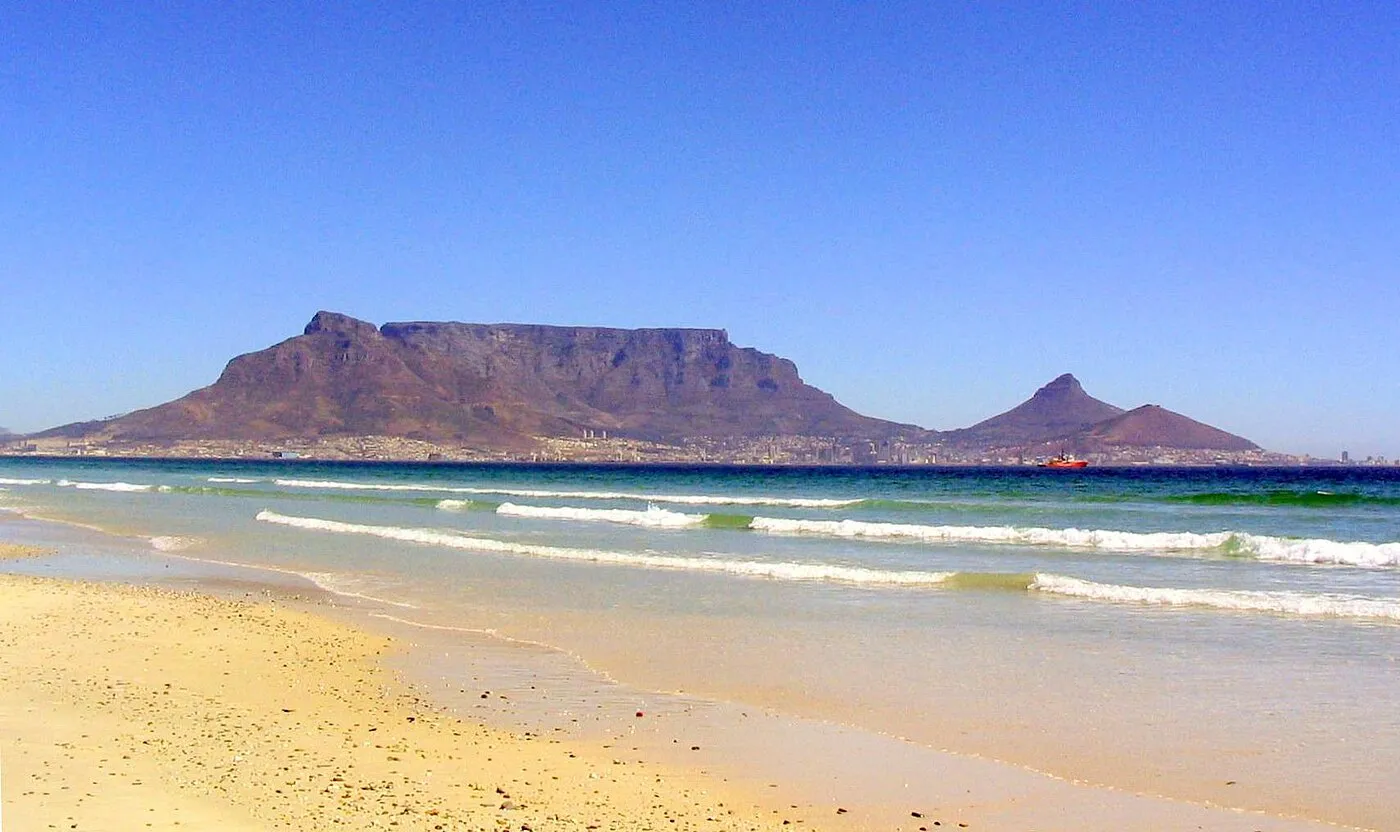
New7Wonders of Nature - Voted alongside the Amazon and Ha Long Bay. Fynbos kingdom - More plant species per square kilometre than any comparable area on Earth. Wildlife - Dassies (rock hyraxes), sunbirds, and rare ghost frogs. Views - Spot Robben Island, the Cape Flats, the Winelands, and the Twelve Apostles peaks. Ascent routes - Climb the direct Platteklip Gorge or the shaded Skeleton Gorge trail (the Smuts Track), which starts inside the gardens at Kirstenbosch
Wildlife
Rock hyraxes (Procavia capensis) — the dassies that bask on sun-warmed boulders near the upper cableway station — are, improbably, the closest living relative of the elephant. Cape sugarbirds (Promerops cafer) and orange-breasted sunbirds (Anthobaphes violacea) feed on protea nectar along the Smitswinkel trail, both species endemic to the fynbos biome. In the damp kloofs below the summit, the Table Mountain ghost frog (Heleophryne rosei) survives in a handful of cold streams — it exists nowhere else on the planet and is classified as Critically Endangered by the IUCN.
When to Visit
Cableway: Daily 8 AM - 6 PM (extended to 8:30 PM in summer). Best: Early morning for clear skies and fewer crowds, or late afternoon for golden light. Avoid: Mid-afternoon on weekends and whenever the south-easter is blowing strongly (cableway closes in high wind)
Admission and Costs
Cableway return: R400 ($22) adults, R200 children. Guided summit hike (Platteklip Gorge): R800-1,500 per person. Abseil off the summit: R1,295 per person. Private guide full day (including India Venster route): R2,500-4,000
The Case for a Guide
Table Mountain is one of the world's most biodiverse places per square kilometer, and most visitors ride the cableway, take a photograph of the city, and leave — a guide unlocks a completely different summit experience grounded in botany, geology, and human history.
- Fynbos biome uniqueness: The fynbos vegetation covering the mountain contains more plant species than the entire UK — a guide identifies Proteas, Ericas, and Restios by name and explains why the Cape Floral Kingdom is one of only six plant kingdoms on Earth, with 70% of its species found nowhere else
- San rock art sites: The mountain has San hunter-gatherer art sites in sheltered overhangs that are not marked on tourist maps — a guide knows the locations, explains the spiritual significance of specific symbols, and provides context for the San people who lived on and around the mountain for thousands of years before European settlement
- Cableway vs. hiking trail plant life comparison: The Platteklip Gorge hiking route passes through distinct vegetation zones that the cableway skips — a guide on foot identifies the transition from lowland fynbos to high plateau species and explains what drives the change in altitude
- Cloud tablecloth formation explanation: The famous "tablecloth" of cloud rolling over the summit edge forms when the south-easterly wind rises against the mountain face and cools — a guide explains the orographic lift process and predicts from morning conditions whether the tablecloth will form that afternoon
- Cape Floral Kingdom UNESCO designation: The designation recognizes the mountain and surrounding peninsula as a World Heritage Site specifically for botanical diversity — a guide explains what this means for conservation policy, which species are most threatened, and how the mountain's ecology has changed since European settlement introduced invasive plants
Tips for Visitors
Check conditions first: Visit the Table Mountain Aerial Cableway website for real-time wind status before heading up. Book online: Cableway tickets are cheaper and let you skip the queue. Layers and sun protection: Summit temperatures can be 10°C cooler than at sea level; wind chill makes it feel colder. Hiking preparation: Platteklip Gorge takes 2-3 hours; carry at least 2 litres of water per person. Fog and cloud: The famous tablecloth means zero visibility on top; check forecasts and wait for a clear window
Frequently Asked Questions
What are the opening hours and best visiting times for Table Mountain?
Cableway: Daily 8 AM - 6 PM (extended to 8:30 PM in summer). Best: Early morning for clear skies and fewer crowds, or late afternoon for golden light.
How much does it cost to access Table Mountain?
Cableway return: R400 ($22) adults, R200 children. Guided summit hike (Platteklip Gorge): R800-1,500 per person. Abseil off the summit: R1,295 per person. Private guide full day (including India Venster route): R2,500-4,000
How should visitors prepare for Table Mountain?
Check conditions first: Visit the Table Mountain Aerial Cableway website for real-time wind status before heading up. Book online: Cableway tickets are cheaper and let you skip the queue.