
Stellenbosch timeline
-
Stellenbosch founded
The Cape Dutch town became one of South Africa's oldest inland settlements.
-
Village Museum
— four restored houses furnished from 1709 through the Victorian era.
-
University established
The university gave Stellenbosch a major academic and cultural role.
-
Wine route launched
The Stellenbosch wine route formalized the visitor economy around Cape vineyards.
Cited city facts
Key facts for visiting Stellenbosch
Over 200 wine estates operate within the Stellenbosch wine region
The area produces roughly 14% of South Africa's total wine output, with Cabernet Sauvignon, Pinotage, and Chenin Blanc as its flagship varietals
Stellenbosch was founded in 1679, making it South Africa's second-oldest European settlement
Governor Simon van der Stel established the town along the Eerste River, and many original Cape Dutch homesteads from the 18th century still stand along Dorp Street
Stellenbosch University enrolls over 31,000 students
The university population means that roughly one in every three people in the town centre is a student, fueling a nightlife and cafe culture unusual for a rural wine region
The Jonkershoek Nature Reserve protects 9,200 hectares of mountain fynbos
This critically endangered vegetation type is found only in the Western Cape and contains the highest concentration of endemic plant species per area of any ecosystem on Earth
Source: tour-guide.com — Free to cite with attribution
Things to see
What are the top attractions in Stellenbosch?
Stellenbosch rewards a slow itinerary: a morning among the vines, an afternoon tracing four centuries of Cape history on foot, and a sunset high above the valley. These are the experiences a local guide builds a day around.
- Estate tastings — Pinotage is the signature grape; try it at Kanonkop, Beyerskloof, or Simonsig across the Cape Winelands
- Dorp Street stroll — the longest surviving stretch of Cape Dutch, Georgian, and Victorian architecture in South Africa
- Village Museum — four restored houses furnished from 1709 through the Victorian era
- Jonkershoek waterfall hike — a moderate trail through protea-filled fynbos to a secluded cascade
- Rupert Museum — South African modern art in a sculpture-dotted garden near the university
- Sunset above the valley — watch the sun drop behind Table Mountain from a hilltop estate such as Tokara or Delaire Graff
🌾 Cape Winelands
Over 200 wine estates draped across valleys between dramatic mountain ranges

🏞️ Jonkershoek Nature Reserve
Mountain trails through a Cape fynbos paradise with waterfalls and endemic proteas
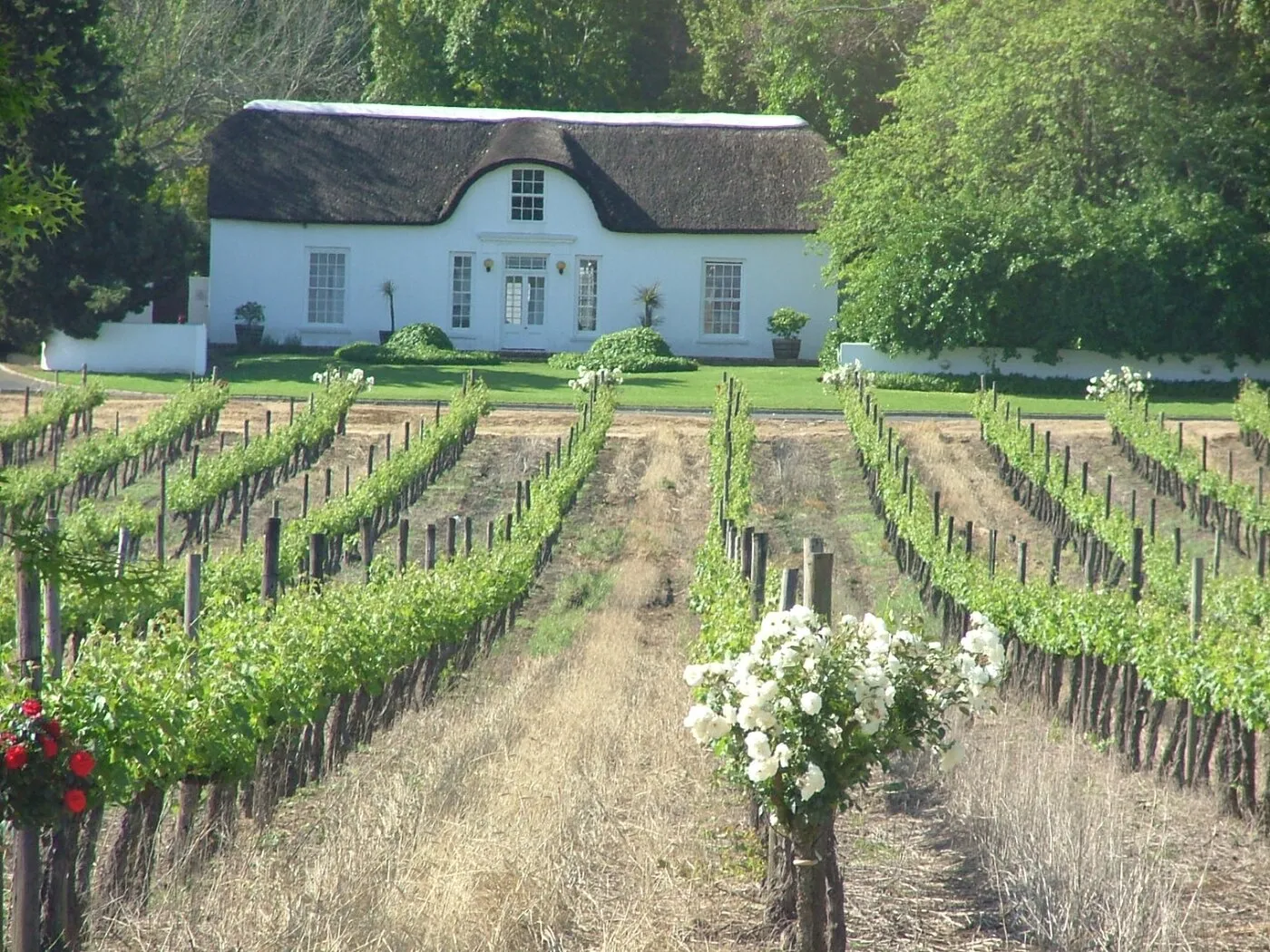
🏛️ Stellenbosch Village Museum
Walk through four centuries of Cape life in four beautifully restored houses

Guide planning
How much does a tour guide cost in Stellenbosch?
Guiding in Stellenbosch spans two traditions: wine specialists who plan and drive a Winelands day, and heritage guides who read the town's architecture and history on foot. Because South Africa enforces strict drink-driving limits, the driver-guide model is the norm — your fee buys both expertise and a sober driver.
| Tour Type | Price | Details |
|---|---|---|
| Group Wine Tour | R800–1,200 | $44–67 per person |
| Private Sommelier Tour | R2,500–4,000 | $139–222 for 2–4 guests |
| Heritage Walking Tour | R250–500 | $14–28 per person |
| Jonkershoek Guided Hike | R400–800 | $22–44 per person |
Tasting fees (R50–200 per estate, often waived with a purchase) and estate lunches are usually billed separately, so confirm what each quote includes before you book.
Season planner
When is the best time to visit Stellenbosch?
Stellenbosch has a Mediterranean climate — warm, dry summers and cool, wet winters — so the vineyard calendar tracks the seasons closely. The sweet spot runs October to April, with long, sunny days ideal for cellar visits, estate lunches, and mountain hikes.
- Harvest (February–March) — the vintage; cellars work around the clock and the valley smells of crushed grapes, though smaller producers may limit tastings while they work
- Summer (December–February) — hottest and busiest; reserve lunches and tastings well ahead, especially over weekends and the festive season
- Autumn (April–May) — settled, clear weather and golden vineyards, the quietest time for unhurried tastings
- Winter (June–August) — cold and rainy with vivid green hills; tasting rooms are near-empty and many estates light fires and pour reds
On the ground
How do you get around Stellenbosch?
Stellenbosch's historic core is compact and flat, so the town itself is best explored on foot — Dorp, Church, and Ryneveld Streets hold most of the sights within a few blocks. The vineyards, however, are spread across the valley, and reaching them is where planning matters.
- Don't drive and taste — South Africa enforces strict drink-driving laws; book a driver-guide or join a group shuttle rather than risk it
- Getting here — the town lies about a 45-minute drive east of Cape Town and 30–40 minutes from Cape Town International Airport; Metrorail reaches Stellenbosch station, but the service is limited and not recommended for tasting days
- Book lunch ahead — top estate restaurants such as Overture and Tokara fill up fast, especially on weekends
- Student town — Stellenbosch University brings lively nightlife and affordable eateries to Dorp and Church Streets, liveliest during term time
Frequently Asked Questions
What is the best time to visit Stellenbosch?
October to April offers the warmest weather and longest days for vineyard visits and mountain hikes. February and March bring the grape harvest, when estates buzz with winemaking — though some smaller producers limit tastings while they work. Winter (June to August) is cold and wet but quiet, with near-empty tasting rooms and estates pouring reds by the fire.
How much does a tour guide cost in Stellenbosch?
A group wine tour runs R800–1,200 ($44–67) per person, while a private sommelier tour costs R2,500–4,000 ($139–222) for two to four guests. A heritage walking tour of the old town is R250–500 ($14–28) per person, and a guided Jonkershoek hike R400–800. Tasting fees and estate lunches are usually extra, so confirm what each quote covers.
How do you get around Stellenbosch?
The historic centre is compact and walkable, but the vineyards are scattered across the valley. Because South Africa enforces strict drink-driving laws, don't drive and taste — book a driver-guide or join a group shuttle. The town is about a 45-minute drive east of Cape Town; Metrorail reaches Stellenbosch station, but the service is limited and not recommended for tasting days.
What is Stellenbosch known for?
Stellenbosch is South Africa's wine capital and the heart of the Cape Winelands, with more than 200 estates pouring Pinotage, Cabernet Sauvignon, and Chenin Blanc. Founded in 1679, it is also the country's second-oldest town, known for its oak-lined streets, Cape Dutch architecture along Dorp Street, and Stellenbosch University, whose students lend the old town a youthful energy.
Can you visit Stellenbosch as a day trip from Cape Town?
Yes — Stellenbosch is roughly a 45-minute drive from central Cape Town, so it makes an easy day trip, and many wine tours run as round-trip excursions. To do it justice, stay a night or two: an overnight lets you pair a Winelands day with a morning hike in Jonkershoek and an unhurried stroll through the Village Museum.