
Planning the Perfect Trip to Montreal
A practical Montreal trip planner covering when to visit, how to choose between walking and food tours, realistic guide budgets in Canadian dollars.
Read the full guideUpdated · 7 min read
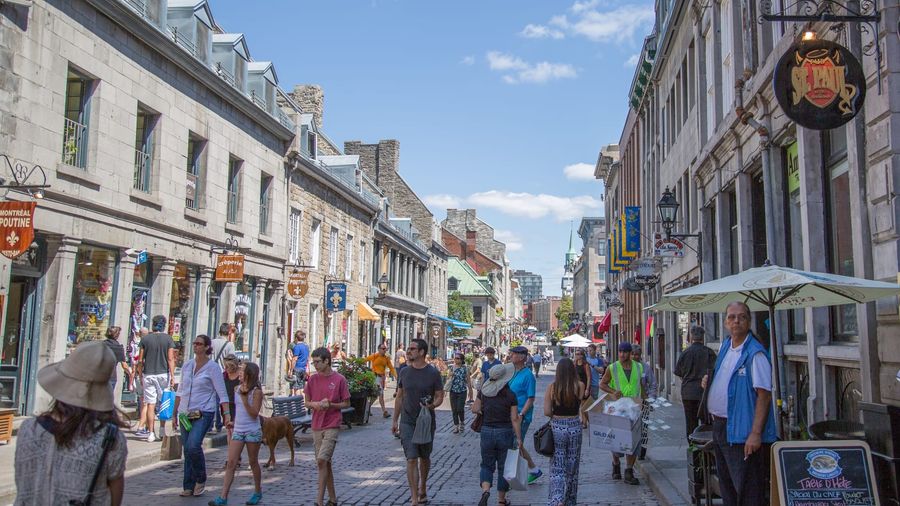
Give Montreal three to four days, base yourself near Old Montreal or the Plateau, and time your visit for the June-to-September festival stretch if you can handle crowds, or May and October if you prefer mild weather and lower prices. Book a bilingual walking or food tour early, budget in Canadian dollars, and lean on the STM métro and BIXI bikes rather than a car.
Montreal is the largest French-speaking city in the Americas after Paris, and it wears that identity comfortably: cobblestone lanes and 17th-century stone façades in the old quarter, a festival calendar that runs more or less continuously through summer, and a food culture argued over as fiercely as hockey. Founded in 1642 as the missionary settlement of Ville-Marie, it predates almost every major city on the continent, which is why a few focused days of planning pay off more here than in a city you can improvise. This guide walks through the decisions that actually shape a trip to Montreal — when to come, which tours are worth the money, what a guide really costs, and how to move around.
When is the best time to visit Montreal?
June through September is peak season, packed with warmth and back-to-back festivals but also the highest hotel prices. May and October give you mild days and thinner crowds. Winter, from December through March, is genuinely cold but rewards visitors with holiday markets, outdoor skating, and the shelter of the underground city.
Montreal's seasons are dramatic, and the month you choose changes the trip completely. Summer (June to August) is when the city is at full volume — the Montreal International Jazz Festival and Just for Laughs comedy festival draw hundreds of thousands, Francofolies fills the Quartier des Spectacles, and Osheaga takes over Parc Jean-Drapeau in early August. Warm evenings, café terraces, and free outdoor concerts make this the postcard version of the city, but it is also when rooms are scarcest and priciest, so book several months ahead.
Late spring and early autumn are the underrated windows. May and September still catch the tail of festival season with more comfortable temperatures, while October brings crisp air and Mount Royal's foliage. Winter (December to March) is bitterly cold, often well below freezing, but it has its own appeal: holiday markets, skating on the Old Port rink, and the RÉSO, the 33-kilometre underground network that links métro stations, malls, and hotels so you can cross the downtown core without stepping outside.
Should you book a walking tour or a food tour?
For a first visit, start with a guided walk through Old Montreal to anchor your bearings and history, then add a food tour if you have the time and appetite. Walking tours are the cheaper, more flexible option; food tours cost more but fold tastings, local vendors, and neighbourhood context into a single outing.
The two most useful tour formats in Montreal serve different purposes. A guided walk through Old Montreal is the best orientation you can buy: a good guide threads Place Jacques-Cartier, Rue Saint-Paul, and the waterfront together, and steps you inside the neo-Gothic Notre-Dame Basilica, whose deep-blue vaulted ceiling is one of the city's signature interiors. Because Montreal's signage, menus, and everyday conversation lean French, a bilingual guide earns their fee by decoding the details anglophone visitors would otherwise miss.
A food tour is the other high-value option, and Montreal justifies it. Guides walk you through the bagel debate — the wood-fired, slightly sweet Montreal style, with St-Viateur and Fairmount as the rival institutions — explain why smoked meat is not pastrami, and often finish at the Jean-Talon Market, where Quebec cheeses, cider, and maple products are laid out by the producers themselves. If you can only choose one, take the walking tour first; if you have a spare afternoon, the food tour is the one to add.
How much does a tour guide cost in Montreal?
Expect roughly CA$25-45 (about US$19-33) per person for a group walking tour and CA$85-140 (US$63-104) for a food and drink tour with tastings. A private half-day guide runs CA$200-350 (US$148-259), and a full private day is CA$400-650 (US$296-481). Tipping 15-20% is standard across Quebec.
Guide pricing in Montreal is predictable, which makes budgeting easy. Group formats are the affordable entry point, while private guides cost more but let you set the pace and focus:
| Tour type | Price (CAD) | Approx. USD |
|---|---|---|
| Group walking tour | CA$25-45 | US$19-33 per person |
| Food & drink tour | CA$85-140 | US$63-104 with tastings |
| Private half-day | CA$200-350 | US$148-259 |
| Private full-day | CA$400-650 | US$296-481 |
Beyond the guide, plan for the ordinary costs of a Canadian city: mid-range restaurant mains commonly run CA$22-34, a museum admission is often CA$15-25, and the flat métro fare is CA$3.75. Remember that most quoted prices are before Quebec's roughly 15% combined sales taxes, and that tipping 15-20% on meals and guided tours is expected rather than optional. Montreal is not a cheap city, but it is a manageable one for travellers who plan in Canadian dollars and book tours before arriving. For a wider view of guide pricing across the country, the Canada overview sets the same ranges in context.
How do you get around Montreal?
The STM métro covers downtown and the main neighbourhoods on four lines, with buses filling the gaps and a single fare across both. BIXI bike-share is ideal for the Plateau and Mile End in warm months, Old Montreal and downtown are easily walkable, and a car is more liability than asset in the core.
Montreal is one of the more transit-friendly cities in North America, and you will rarely need a car. The STM métro runs four lines through downtown and the surrounding boroughs, buses extend the reach across the island, and both share the same CA$3.75 fare — an unlimited weekend or three-day pass is the smart buy for most visitors. In summer, BIXI bike-share docks are everywhere and make the flat, tree-lined streets of the Plateau and Mile End a pleasure to explore on two wheels.
For sightseeing itself, walking is usually the answer: Old Montreal and the downtown core are compact and rewarding on foot, and the climb up to Mount Royal for the Kondiaronk Belvedere is best done slowly, on your own legs. A rental car mainly buys you parking headaches and one-way street confusion, so save it for a day trip beyond the island — Quebec City sits about three hours east if you want to extend the journey.
What should you know before you go?
Non-visa-exempt requirements aside, most travellers need an Electronic Travel Authorization (eTA) to fly into Canada, so arrange it before booking anything time-sensitive. Pack for the season you have chosen, carry a little French goodwill, and reserve guides and festival-week hotels early.
A few practical points smooth out the trip. Most visa-exempt visitors flying to Canada need an eTA, a quick online authorization that is cheap but essential — sort it early rather than the night before departure. Weather swings hard by season, so pack layers for summer evenings and serious cold-weather gear for winter; even a bright October day can turn chilly on Mount Royal. A little French goes a long way: locals appreciate a bonjour, and the effort tends to be met with warmth and a quick switch to English.
Finally, timing your bookings matters more than in most cities. If your dates fall during the Jazz Festival, Just for Laughs, or Osheaga, reserve hotels and guides well in advance, because festival weeks fill the best rooms fast. Get those two or three anchor decisions right — when to come, where to stay, and which tours to lock in — and Montreal handles the rest, rewarding you with a city that feels European and North American at once, and never quite like anywhere else.
Frequently Asked Questions
How many days do you need in Montreal?
Three full days is enough to cover Old Montreal, Mount Royal, a market, and one festival or neighbourhood evening without rushing. Add a fourth day if you want a Jean-Talon food tour or a day trip to Quebec City.
Is Montreal an expensive city to visit?
It sits mid-range for a major North American city. A group walking tour runs about CA$25-45 per person, mid-range restaurant mains land around CA$22-34, and the métro fare is CA$3.75, so careful planners can keep daily costs moderate.
Do I need to speak French to visit Montreal?
No. Montreal is functionally bilingual and staff in tourist areas switch to English easily, but a simple bonjour is appreciated. Bilingual guides are useful for decoding French menus, signage, and local history.
What is the cheapest way to get around Montreal?
The STM métro and bus network shares a single fare, and a weekend or three-day unlimited pass is the best value for visitors. In warm months, BIXI bike-share is an inexpensive way to cover the Plateau and Mile End.