
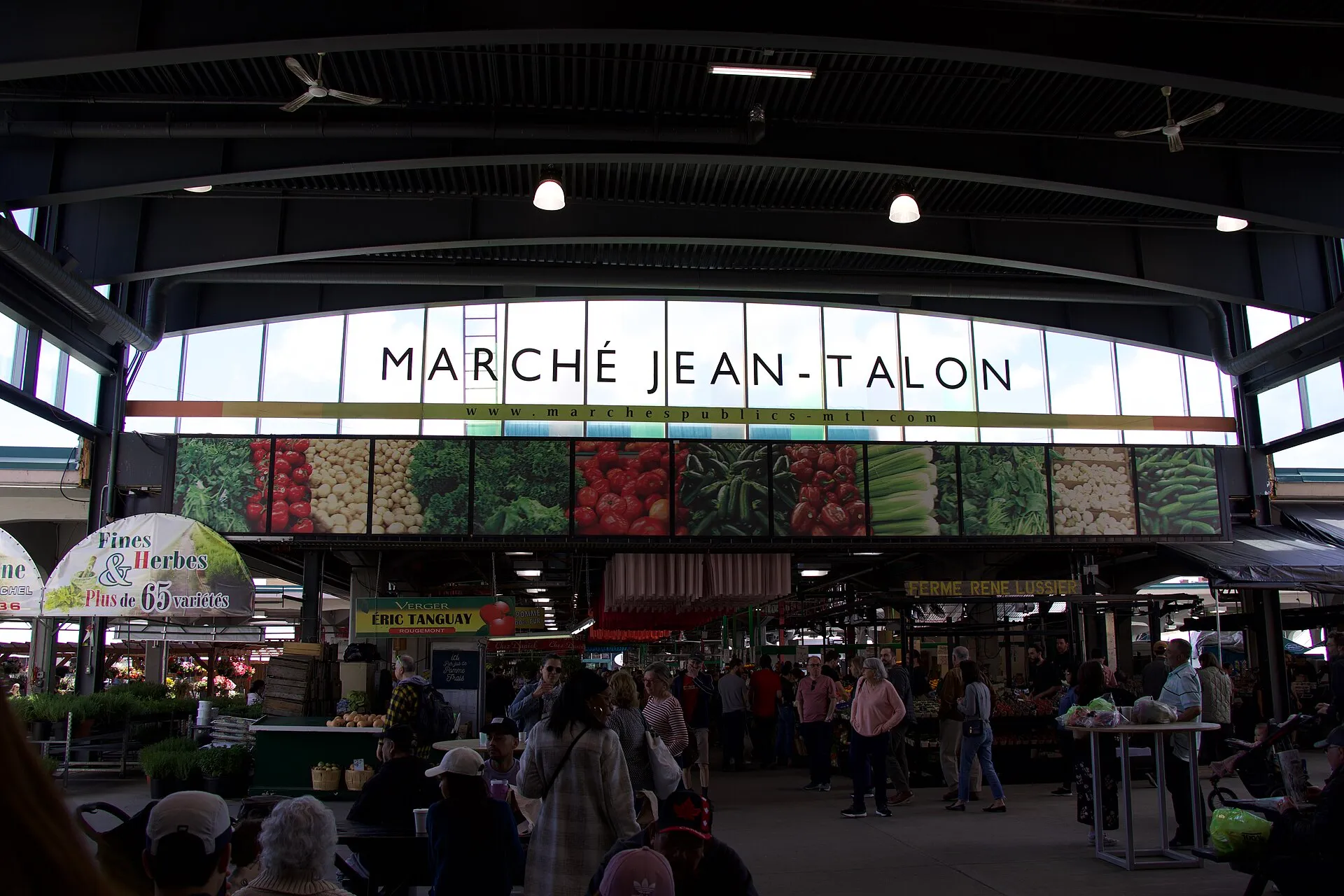
What To Buy
- Artisan fromageries — Shops like Fromagerie Hamel stock hundreds of Quebec cheeses; the province's raw-milk revolution has produced award-winning wheels that stand up to European benchmarks, and vendors happily offer tastes before you commit.
- Maple products — Sugar shacks from the Laurentians and Beauce sell syrup, butter, taffy, and maple-smoked treats directly at the market, letting you compare terroirs the way wine drinkers compare vintages. The darker amber grades are the ones locals reach for when baking.
- Seasonal berries and orchard fruit — Ile d'Orleans strawberries in June, Monteregie blueberries in July, wild blackberries in August, and McIntosh apples from the Eastern Townships through autumn — each week brings a different star ingredient.
- Immigrant pantry staples — The surrounding Little Italy shops carry Italian salumi, Portuguese salt cod, Haitian pikliz, and Middle Eastern spice blends and cured meats you will not find in a supermarket.
- Herbs, seedlings, and cut flowers — In summer, outdoor vendors sell potted herbs, heirloom seedlings, and bouquets of local wildflowers so fragrant the scent carries across the entire square.
What to skip: Out-of-season produce trucked in over winter is no fresher than the grocery store and costs more — the bananas, pineapples, and hothouse tomatoes are there for convenience, not quality, so save your money for what Quebec actually grows. A handful of perimeter stands also mark up staples for tourist convenience; compare a couple of vendors before filling your basket, because prices tend to soften the deeper into the outdoor rows you walk.
Food Stalls
The market's culinary scene divides into two distinct experiences: the permanent perimeter shops and the seasonal outdoor vendors. Among the permanent stalls, Fromagerie Hamel has been aging Quebec cheeses since 1961, offering guided tastings that compare Le Riopelle (a triple-cream named after the painter) with aged cheddar from Ile-aux-Grues. Olives et Epices stocks over 200 spice blends and infused oils imported from the Mediterranean and North Africa. The outdoor vendors rotate with the seasons — in peak harvest months, expect Les Jardins Carya with organic greens, Ferme Guyon with heirloom tomatoes, and multiple cabanes a sucre (sugar shacks) offering maple products in every conceivable form. For ready-to-eat food, the covered hall includes a Portuguese rotisserie, a Vietnamese banh mi counter, and Italian sandwich shops making panini with market-sourced ingredients. A guided food tour coordinates tastings across 5-8 vendors, building a narrative that connects Quebec's agricultural history, immigrant foodways, and the terroir-driven philosophy that makes this market more than a grocery trip. Ask any regular and they will tell you the truest marker of high summer is the queue that forms at the sweet-corn stalls before 9 AM, when farmers sell just-picked cobs by the dozen.
Jean-Talon Market timeline
-
Jean Talon settles New France
The market and the boulevard beside it honour Jean Talon, the first Intendant of New France, whose land grants drew farmers to the St. Lawrence valley.
-
The market opens in Little Italy
Laid out on the former Shamrock Lacrosse Grounds, it gave Depression-era Quebec farmers a direct line to city buyers and quickly became the neighbourhood's beating heart.
-
An underground garage frees the stalls
A major renovation buried parking beneath the site, keeping the whole surface open for the outdoor vendors that define the market today.
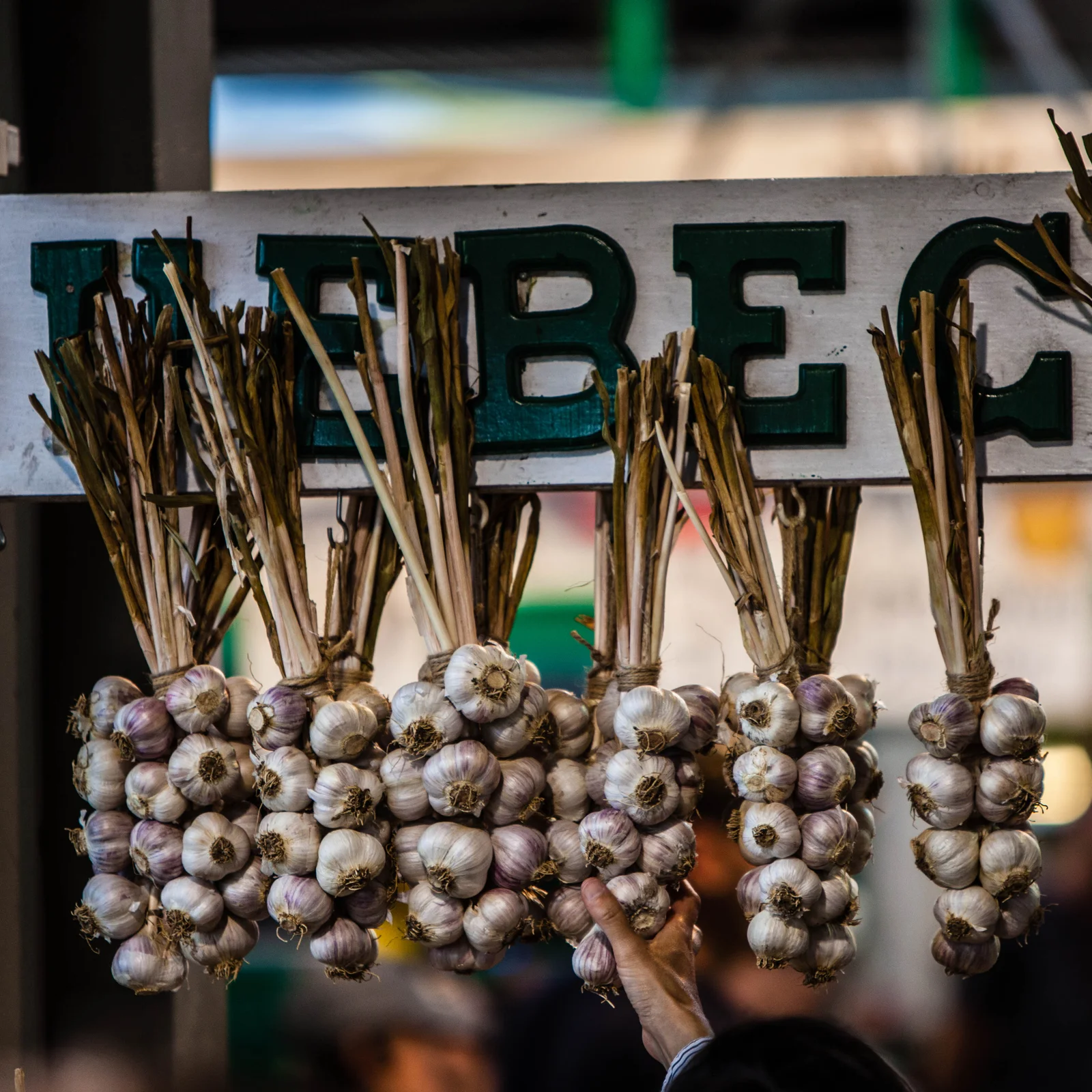
Jean-Talon Market in Pictures
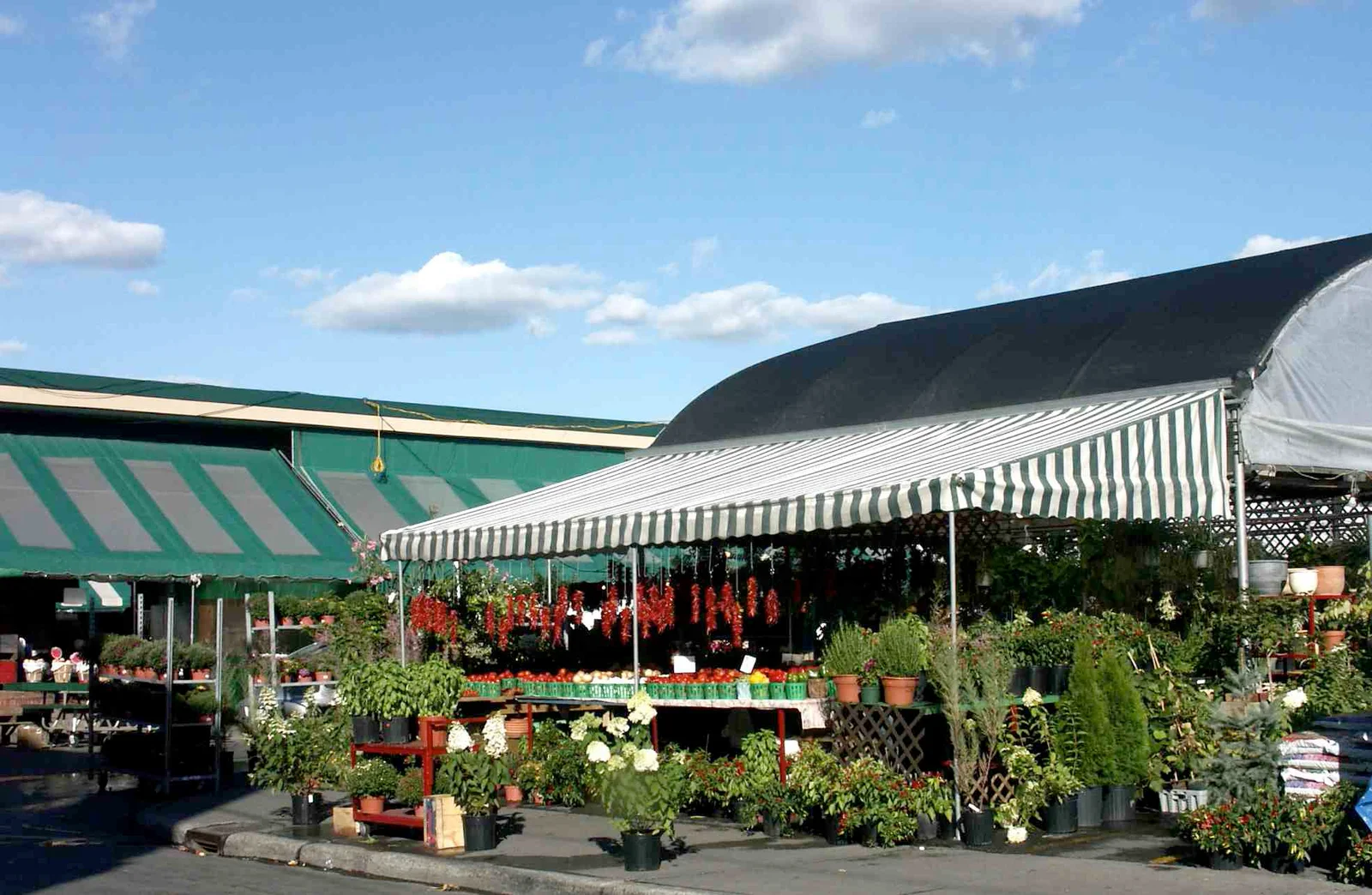
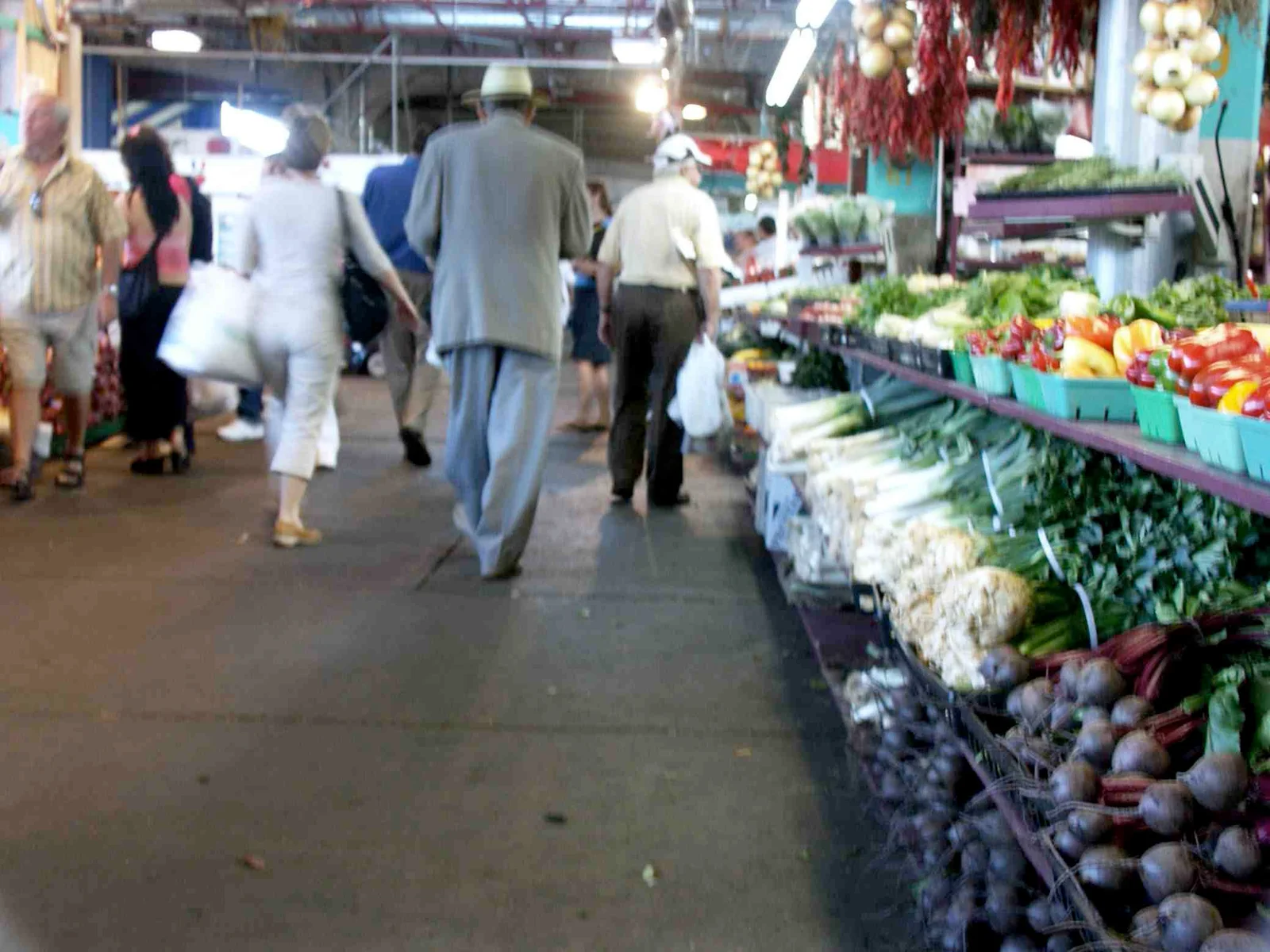
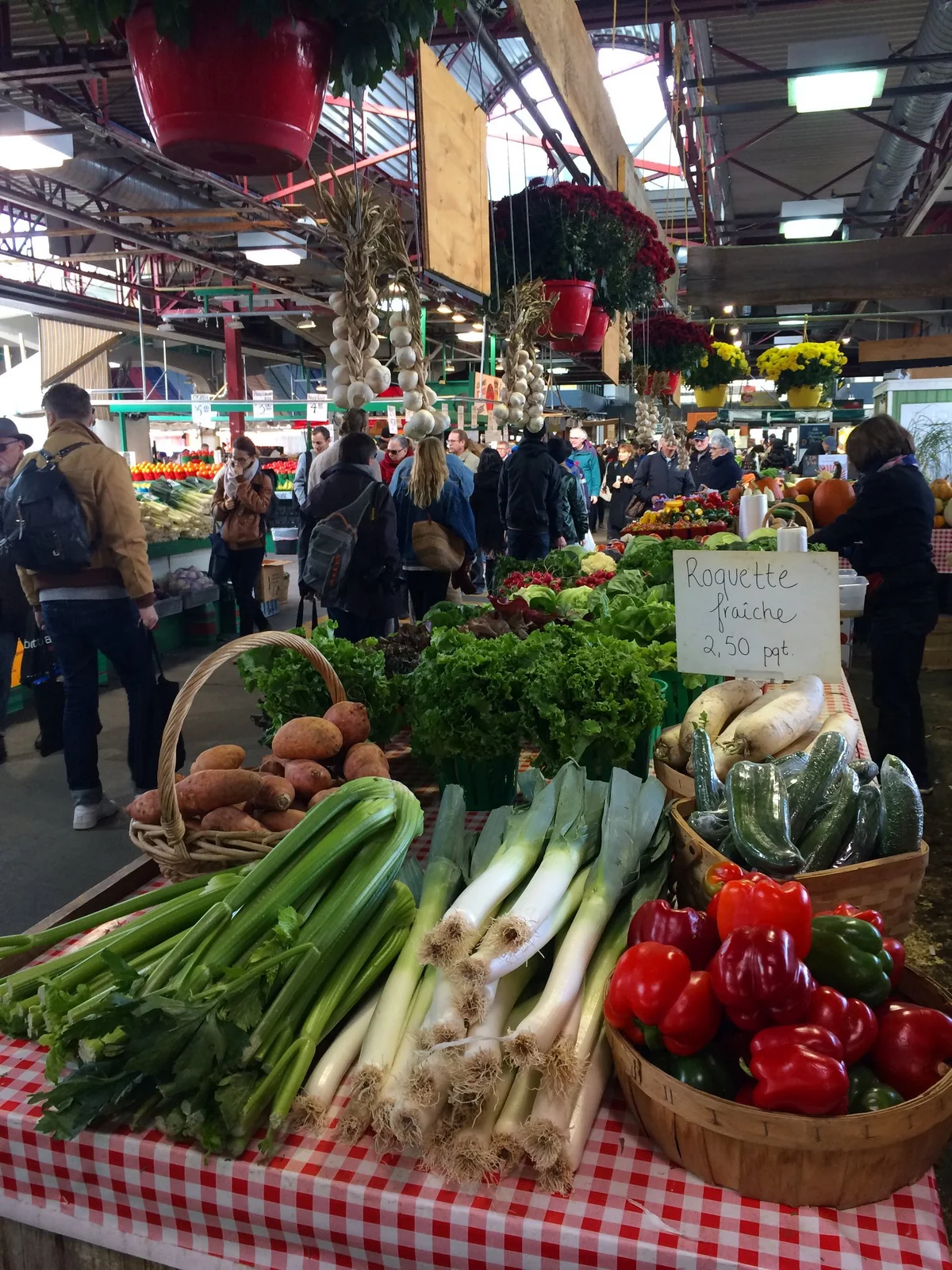
When to Visit
General hours: Daily 7 AM - 6 PM, with some vendors opening earlier and permanent shops staying open slightly later. Peak season: Late July through October, when the outdoor stalls are at full capacity and the harvest is at its most abundant. Best time: Saturday mornings between 8 AM and 10 AM, when farmers arrive with the freshest stock but the aisles have not yet become shoulder-to-shoulder. Winter operation: The market stays open year-round, though outdoor stalls give way to a smaller indoor selection focused on root vegetables, preserved goods, maple products, and greenhouse herbs.
Admission and Costs
Market entry: Free — there is no admission fee to browse, sample, or photograph the stalls. Maple syrup: CA$12-18 (~US$9-13) per can depending on grade and producer; darker grades carry a more robust flavour prized by locals. Artisan cheeses: CA$8-25 (~US$6-18) per piece, ranging from fresh goat curds to aged raw-milk varieties that rival anything from the French countryside. Food tour with tastings: CA$75-100 (~US$55-74) per person for a guided walk that visits five to eight vendors with curated samples and behind-the-counter stories.
The Case for a Guide
A market this dense rewards a guide who knows which counters are worth your appetite. On a guided food walk you taste with intent instead of guessing:
- Vendor introductions — regulars get waved toward the cheese and charcuterie that never reach the display case.
- Seasonal reads — a guide knows whether the Ile d'Orleans strawberries or the Monteregie corn peaked this week, so you buy at the top of the harvest.
- Language bridge — most stalls work in French first; a bilingual guide translates grades, terroirs, and the good-natured haggling outsiders miss.
- Cultural context — the market's Italian, Haitian, Lebanese, and Quebecois threads become a story rather than a jumble of unfamiliar labels.
Independent Montreal food guides typically fold Marche Jean-Talon into a half-day of eating that spills out along Boulevard Saint-Laurent, and many will shape the route around a single obsession — cheese, maple, or fresh pasta — or around dietary needs.
Tips for Visitors
- Bring cash for small vendors — Permanent shops accept cards, but many seasonal outdoor stalls still prefer cash; an ATM sits near the north entrance.
- Pack your own bags — Vendors provide minimal packaging, so a sturdy tote or backpack beats juggling loose paper bags.
- Take the metro — Jean-Talon station on the blue and orange lines sits one block south of the market; neighbourhood parking is scarce and metered, though an underground garage sits beneath the market itself.
- Explore Little Italy — The surrounding blocks along Boulevard Saint-Laurent and Rue Dante are packed with espresso bars, gelaterias, and Italian delis; it is an easy add-on before a visit to Old Montreal or Notre-Dame Basilica.
- Sample before buying — Cheese vendors, olive-oil importers, and maple producers expect you to taste; asking for a sample is how the market has operated for nearly a century.
Frequently Asked Questions
When is the best time to shop at Jean-Talon Market?
General hours: Daily 7 AM - 6 PM, with some vendors opening earlier and permanent shops staying open slightly later. Peak season: Late July through October, when the outdoor stalls are at full capacity and the harvest is at its most abundant. For the freshest stock and thinnest crowds, arrive on a Saturday between 8 AM and 10 AM.
What prices should visitors expect at Jean-Talon Market?
Market entry: Free — there is no admission fee to browse, sample, or photograph the stalls. Maple syrup: CA$12-18 (US$9-13) per can depending on grade and producer; darker grades carry a more robust flavour prized by locals. Artisan cheeses run CA$8-25 (US$6-18) per piece.
What practical tips should visitors know before shopping at Jean-Talon Market?
Bring cash for small vendors: While permanent shops accept cards, many seasonal outdoor stalls still prefer cash — an ATM is available near the north entrance. Bring your own tote, and take the metro, since neighbourhood parking is scarce.
How do you get to Jean-Talon Market, and is there parking?
Jean-Talon metro station on the blue and orange lines sits one block south of the market, making transit the easiest approach. Drivers can use the underground parking garage built beneath the market in the 2004 renovation, which is far more reliable than the scarce, metered street parking in Little Italy.
Is Jean-Talon Market worth visiting in winter?
Yes. The outdoor stalls shrink dramatically once the harvest ends, but the covered central hall and the permanent perimeter shops stay open year-round, selling root vegetables, preserves, maple products, artisan cheeses, cured meats, and greenhouse herbs. Winter is quieter and better for lingering conversations with vendors.