
Planning the Perfect Trip to Brussels: A Practical Guide
How to plan a Brussels trip that works — when to go, where to base yourself, which tours are worth it, what it costs.
Read the full guideUpdated · 8 min read
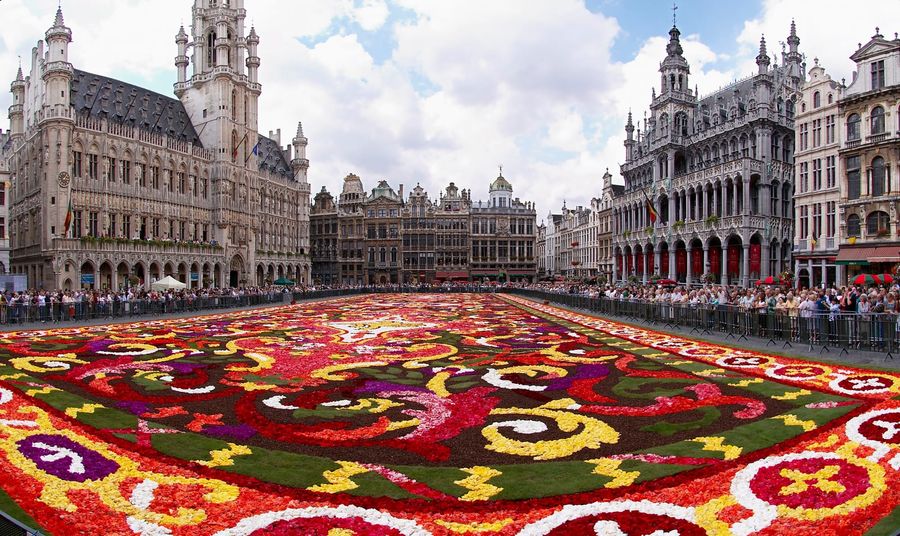
Brussels is easy to underrate and even easier to rush. Millions of travellers treat it as a lunch stop between Paris and Amsterdam, snap a photo of the Grand Place, buy a cone of chips, and move on. That is a mistake. The de facto capital of the European Union rewards visitors who slow down: it hides one of the world's densest concentrations of Art Nouveau architecture, a surrealist art collection without rival, a comic-strip heritage painted across its walls, and a food-and-beer culture that punches far above the city's size. This guide walks you through the decisions that make or break a Brussels trip — when to come, how long to stay, where to sleep, which tours actually add value, and what it all costs.
When to Visit
Brussels has a mild maritime climate, which is a polite way of saying it can rain in any month. Pack a light waterproof layer whatever the season and you will rarely be caught out.
Late April to early June is the sweet spot. Temperatures sit comfortably in the high teens, the parks around the Cinquantenaire fill with blossom, and for roughly three weeks from late April the Royal Greenhouses of Laeken open to the public — one of the few chances to see the royal family's glass palaces from the inside. September is an excellent second choice, with warm terraces and thinner crowds once the summer peak fades.
July and August bring the longest days and the liveliest street life, but also the biggest crowds. In even-numbered years — 2026 among them — mid-August delivers the biennial Flower Carpet, when close to a million begonias are laid across the Grand Place in an intricate pattern for a single long weekend. If your dates are flexible, timing a visit around it is worth the extra bustle.
Late November through early January turns the city over to Plaisirs d'Hiver (Winter Wonders), a Christmas market of more than 200 chalets stretching from the Bourse to Place Sainte-Catherine, complete with an ice rink, a Ferris wheel, and a sound-and-light show projected onto the Grand Place façades.
One scheduling quirk worth knowing: the European Parliament sits in plenary roughly one week a month, and during those weeks hotels in the Schuman and Luxembourg districts near the EU Quarter fill up and prices spike. Check the parliamentary calendar before booking a room in that part of town.
How Many Days to Spend
Two full days are enough for a satisfying first visit: one for the medieval and baroque core around the Grand Place and Manneken Pis, and one for a major museum plus an Art Nouveau neighbourhood. Add a third day and Brussels opens up — you can dig into the Magritte Museum, ride out to the Atomium on the city's northern edge, or take a half-day train trip. Because the rest of Belgium is so close — Bruges and Ghent are both under an hour away, Antwerp around forty minutes — many people use Brussels as a base and day-trip outward, which is a sound strategy if you prefer unpacking once.
Where to Stay
Brussels is compact, so no central neighbourhood leaves you badly placed, but each has a distinct character:
The Lower Town (around the Grand Place and Sainte-Catherine) puts you within walking distance of the icons and the best concentration of restaurants. Sainte-Catherine in particular has shed its tourist-trap reputation and become a genuinely good dining quarter. Expect the highest room rates and some late-night noise.
The Upper Town (Sablon and Mont des Arts) is quieter and more elegant, home to the Royal Museums, antique dealers, and chocolate houses, with the Sablon square at its centre. It suits travellers who want museums and calm over nightlife.
Ixelles and Saint-Gilles are where locals actually live — leafy, residential, and studded with the Art Nouveau townhouses that made Brussels architecturally famous. Basing yourself here means a short tram ride to the centre in exchange for cafés and a more authentic rhythm.
The EU Quarter (Schuman) is business-oriented and can feel deserted at weekends, but midweek deals appear when Parliament is not sitting. It is convenient for the Cinquantenaire park and museums.
Getting Around
The historic centre is small and best explored on foot — the Grand Place, Manneken Pis, the Galeries Royales Saint-Hubert, and the main museums are all within a fifteen-minute walk of one another. For everything beyond, the STIB network of metro, tram, and bus lines is fast, clean, and comprehensive. A single journey runs a few euros, but a 24-hour pass costs around €8 and pays for itself quickly if you are hopping between neighbourhoods. If you plan to see several paid museums, price up the Brussels Card, which bundles museum entry with unlimited public transport over 24, 48, or 72 hours.
A word on language: French is the default in daily conversation, street signs are bilingual French and Dutch, and opening with a bonjour rather than an English greeting goes down well — most people switch to fluent English straight away. Take normal city precautions with pickpockets around the Gare du Midi and on busy metro platforms.
Choosing the Right Tour
Brussels is a city where a good guide genuinely changes what you see, because so much of its interest is hidden in plain sight — a doorway, a mural, a shift from one language zone to the next.
- Free walking tours (tip-based, with €10–15 the customary tip for a two-hour loop) are a solid orientation on a first morning, covering the Grand Place, the guild houses, and the central legends.
- Art Nouveau walking tours (roughly €40–70) are the city's signature specialist experience. A knowledgeable guide leads you through Ixelles and Saint-Gilles, decoding the ironwork, stained glass, and botanical motifs that Victor Horta pioneered — much of it invisible if you do not know where to look.
- Food and beer tours (typically €60–90 with tastings included) walk you through chocolate, waffles, and the distinctions between Trappist, abbey, and lambic beers, which reward explanation far more than a random café stop.
- Private half-day guides (about €150–250) make sense for families or anyone wanting a tailored route, while full-day private tours (€300–450) can fold in a nearby city.
Whatever you choose, book Art Nouveau and food tours ahead in summer — the best English-speaking guides fill up quickly.
Budgeting
Brussels is more affordable than Paris or Amsterdam without being a bargain. Hostel dorm beds start around €25–35 a night; mid-range central hotels typically run €100–170, climbing during plenary weeks and the Christmas market. A filling lunch of moules-frites or a brasserie plat du jour costs €15–25, while a dinner with drinks at a sit-down restaurant lands nearer €35–55 per person. A Trappist or specialty beer at a good café is €4–7.
The city is also generous with free sights: the Grand Place itself, wandering the Galeries Royales, the exterior architecture of the Sablon and Art Nouveau quarters, and the weekend flea market at Place du Jeu de Balle all cost nothing. Paid museums generally run €10–15, which is where a Brussels Card can start to make financial sense.
Food and Markets
Eat deliberately. Skip the whipped-cream-mountain waffle stands and seek out the real thing — Liège waffles are dense and caramelised, meant to be eaten plain; Brussels waffles are lighter and rectangular. For chocolate, look to established houses like Pierre Marcolini or Neuhaus rather than bright tourist shops. Moules-frites, stoemp, and carbonnade flamande are the local classics, and lunch service typically runs 12:00–14:30 with dinner from around 19:00, so plan around the gap between them.
Weekends bring the markets to life: the daily flea market at Place du Jeu de Balle in the Marolles is best early on Sunday, when the Sunday morning market by the Gare du Midi also spreads out into one of the city's largest and most cosmopolitan.
A Practical Checklist
- Pack a light rain layer regardless of season — Brussels weather is genuinely changeable
- Check the European Parliament calendar before booking near the EU Quarter to dodge plenary-week price spikes
- Buy a 24-hour STIB pass or the Brussels Card if you plan to move around or visit several museums
- Open conversations with bonjour and let locals switch to English
- Book Art Nouveau and food-and-beer tours in advance during summer
- Reserve dinner tables for weekend evenings, and remember many shops close on Sundays
Give Brussels three unhurried days and it stops being a stopover. Between the surrealists and the guild houses, the Trappist beers and the Art Nouveau façades, it turns out to be exactly the kind of city that reveals itself only to travellers who decided to stay.
Frequently Asked Questions
How many days do you need in Brussels?
Two full days cover the historic core, one major museum, and an evening in a brasserie, while a third day gives you room for a neighbourhood like Ixelles or a half-day trip to Bruges or Ghent.
Is Brussels an expensive city to visit?
Brussels sits mid-range for Western Europe — cheaper than Paris or Amsterdam for hotels and restaurants, with plenty of free sights, tip-based walking tours, and a compact centre that keeps transport costs low.
Do I need to speak French to visit Brussels?
No. Brussels is officially bilingual in French and Dutch, French dominates daily life, and most people in tourism switch to fluent English, though opening with a French greeting is appreciated.
What is the best way to get around Brussels?
The historic centre is walkable, and the STIB metro, tram, and bus network covers everywhere else — a 24-hour pass costs around €8 and is the simplest option for a day of neighbourhood-hopping.