
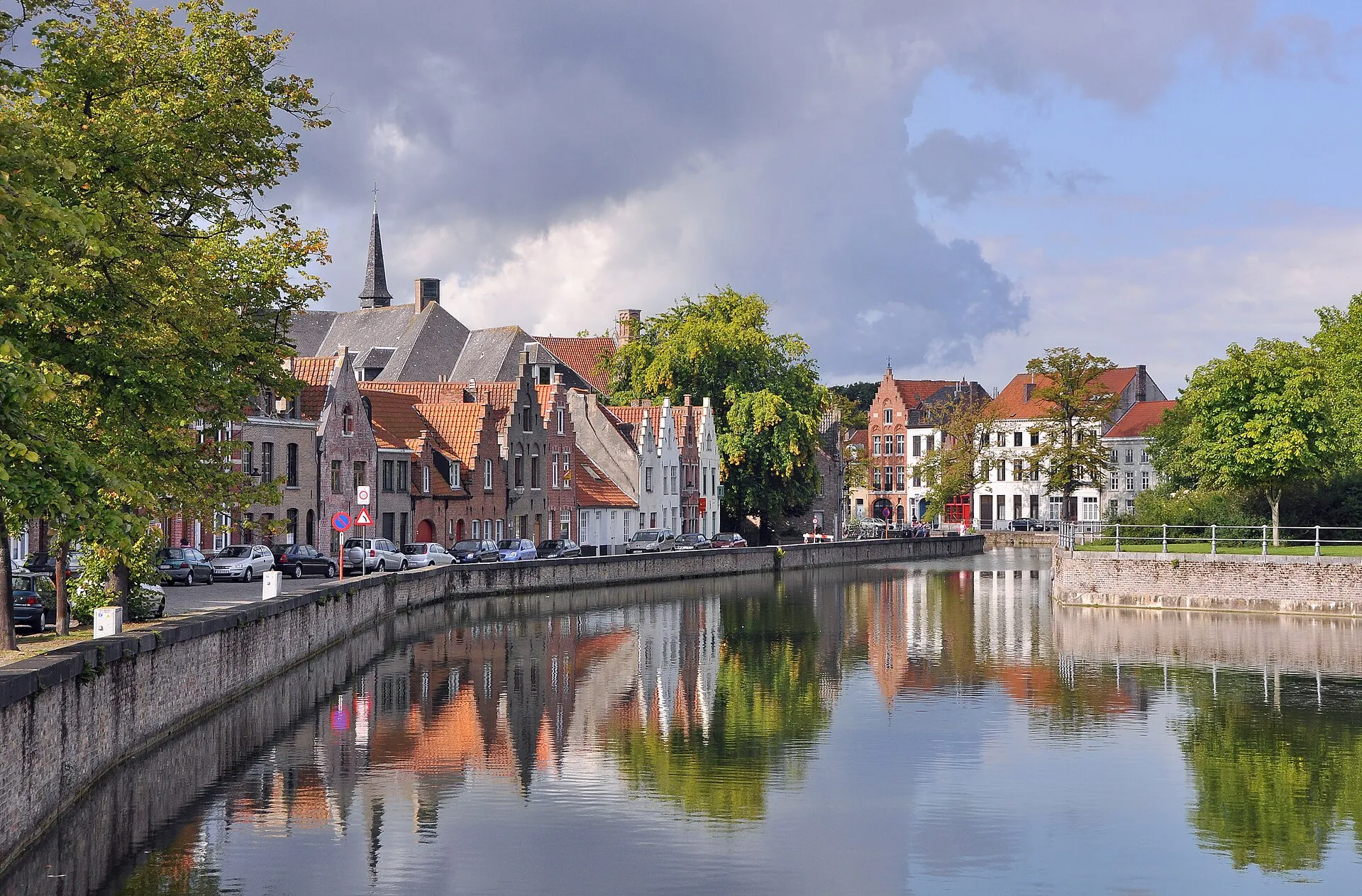
Bruges timeline
- 13th century
Belfry defines the skyline
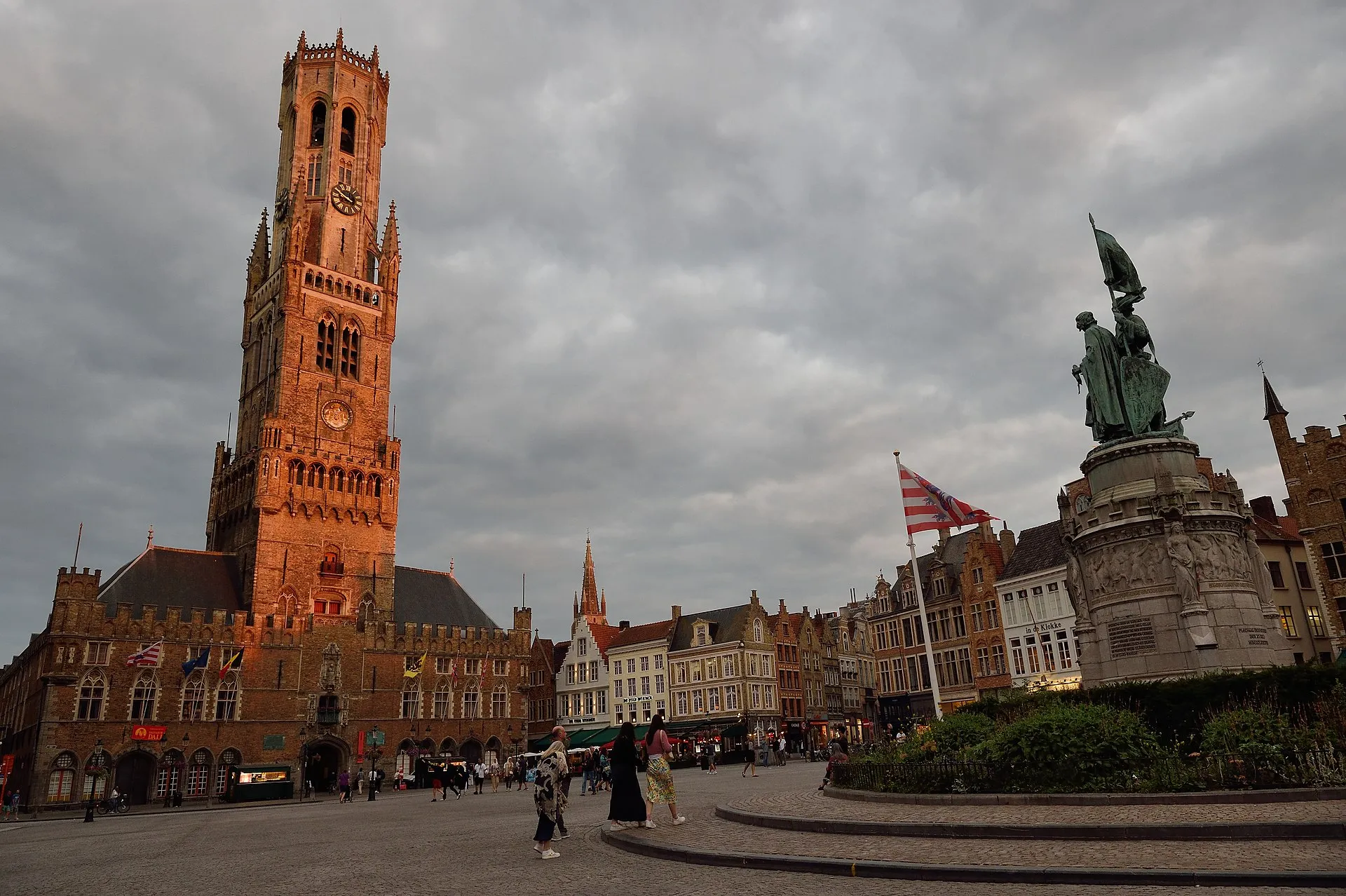
The 83-meter medieval bell tower on the Markt has been Bruges' defining landmark since the 13th century, and its 47-bell carillon still gives concerts three times a week
- 15th century
Perfectly preserved medieval city where time stopped
Perfectly preserved medieval city where time stopped in the 15th century
-
Economic decline preserves Bruges
Bruges' entire medieval core was inscribed in 2000 for the exceptional survival of its urban fabric, preserved largely because economic decline after 1500 froze the.
-
Economic decline preserves Bruges
Bruges' entire medieval core was inscribed in 2000 for the exceptional survival of its urban fabric, preserved largely because economic decline after 1500 froze the.
Cited city facts
Key facts for visiting Bruges
366 steps to the top of the Belfry
The 83-meter medieval bell tower on the Markt has been Bruges' defining landmark since the 13th century, and its 47-bell carillon still gives concerts three times a week
A UNESCO World Heritage historic center since 2000
Bruges' entire medieval core was inscribed in 2000 for the exceptional survival of its urban fabric, preserved largely because economic decline after 1500 froze the city before modern rebuilding could erase it
Home to Europe's first bourse, around 1300
Merchants gathered outside the Huis ter Beurze, the inn of the Flemish Van der Beurze family, to trade bills and goods — a market so influential that the family name became the European word for a stock exchange (bourse)
Jan van Eyck died in Bruges in 1441
The pioneering Flemish Primitive spent his final years here, and the oil-glazing technique he refined in Bruges reshaped European painting; his panels anchor the collection at the Groeningemuseum
About 8 million visitors a year to a city of roughly 118,000
Most arrive as day-trippers, many by train from Brussels, so the medieval streets empty dramatically once the tour buses leave around 5 PM and overnight guests reclaim the city
Source: tour-guide.com — Free to cite with attribution
Things to see
What are the top attractions in Bruges?
- Belfry of Bruges — The 366-step climb rewards you with the city laid out in miniature below — red roofs, church spires, and the flat polders beyond. Go early to beat the crowds, and time it for a Monday, Wednesday, or Saturday carillon concert.
- Canal boat tours — Five companies run nearly identical 30-minute routes from different docks. Morning departures offer better light for photos; late-afternoon trips are quieter and more atmospheric.
- Groeningemuseum — See how Flemish Primitive technique — luminous oil glazes, microscopic detail — shaped six centuries of painting, from Van Eyck to Belgian modernism. Don't miss Hieronymus Bosch's Last Judgment triptych.
- Basilica of the Holy Blood — A double chapel on the Burg where Romanesque austerity meets Gothic decoration, home to a venerated relic paraded through the city each Ascension Day in the Procession of the Holy Blood.
- Begijnhof — A walled courtyard of whitewashed houses where lay religious women (beguines) lived from the 13th century. Benedictine nuns keep it now, but visitors can wander the tranquil grounds and simple chapel.
- Master chocolatiers — Skip the mass-market shops for The Chocolate Line (inventive flavors), Sukerbuyc (traditional pralines), or Dumon (family recipes since 1929). Watch a demonstration when one is running.
- Beer heritage — Tour the working De Halve Maan brewery, which ends on a rooftop tasting, or work through 't Brugs Beertje pub's 300+ Belgian beers with expert guidance.
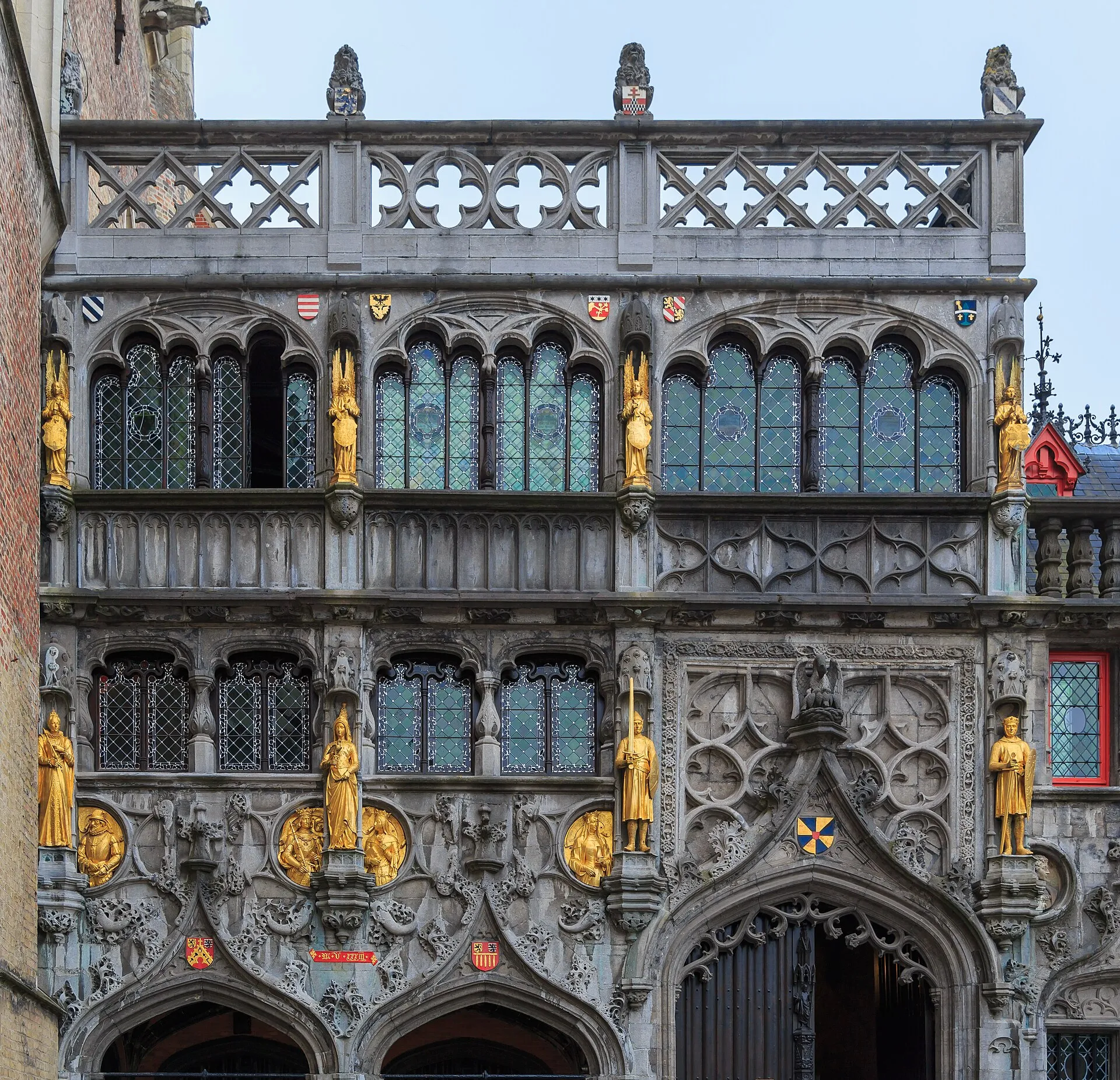
Basilica of the Holy Blood
A Crusade-era relic venerated for 900 years in a chapel where Romanesque stone meets Gothic devotion
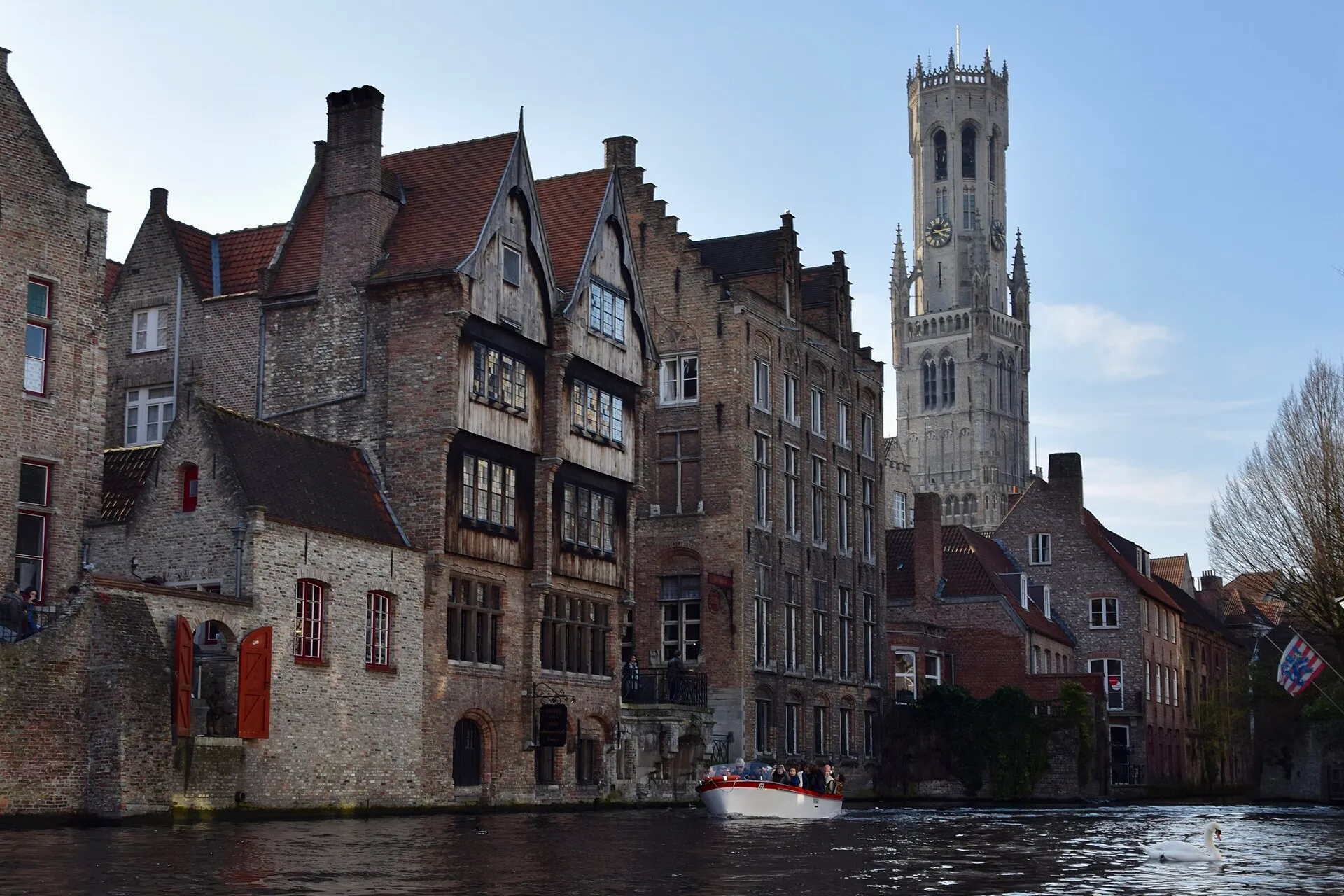
Bruges Canal Boat Tours
The "Venice of the North" revealed from water level — medieval bridges, hidden gardens, and the city that built itself
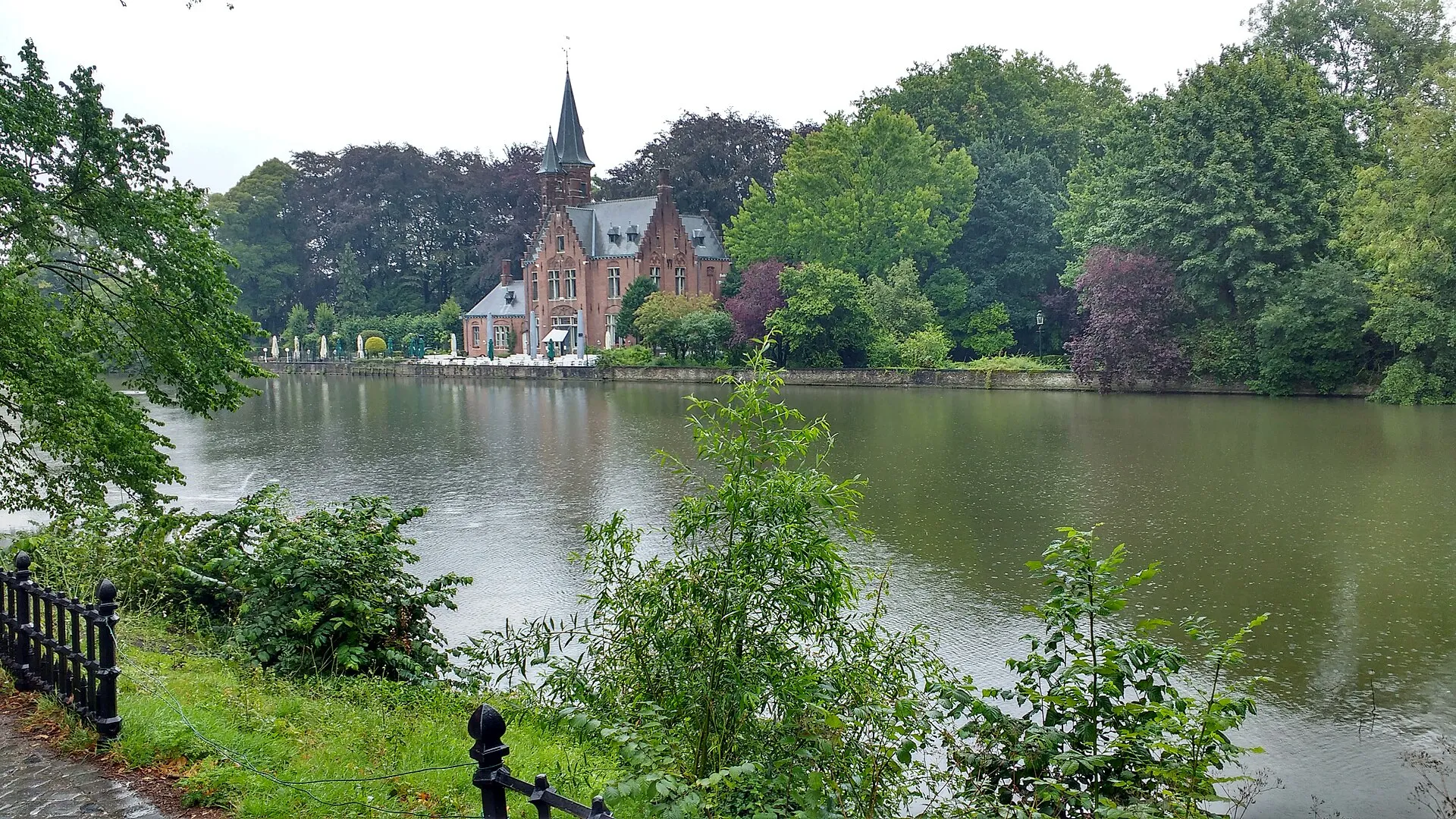
Groeninge Museum
Six centuries of Flemish art — from Van Eyck's revolutionary realism to Belgian modernism's dark visions
Markt Square & Belfry
The 83-meter sentinel watching over Bruges — 366 medieval steps to the finest views in Flanders
Guide planning
How much does a tour guide cost in Bruges?
| Tour Type | Price | Details |
|---|---|---|
| Walking Tours | €0-15 ($0-16) | Free tours (tip-based) or paid group tours |
| Canal Boat Tours | €10-14 ($11-15) | 30-minute guided boat tour through the canals |
| Chocolate & Beer Tours | €45-75 ($49-81) | Tastings at artisan chocolatiers and breweries included |
| Private Half-Day Tours | €140-220 ($150-240) | 3-4 hours exploring hidden courtyards and major sites |
| Art History Tours | €70-110 ($76-119) | Specialist guides focusing on Flemish Primitives and medieval art |
| Full-Day Private Tours | €280-400 ($300-430) | 7-8 hours including nearby sites like Damme or windmills |
Season planner
When is the best time to visit Bruges?
April through early June is ideal for Bruges, when the canals come alive with boat tours, spring flowers line the quaysides, and day-tripper crowds have not yet reached peak summer intensity. July and August bring the largest visitor numbers and warmer temperatures for canal cruises, but the medieval streets can feel uncomfortably packed between 10:00 and 16:00 when tour buses are parked outside the center. September and October offer golden autumn light over the Belfry and thinning crowds, making it the preferred season for photography and unhurried museum visits. Time your trip around a signature event if you can: on Ascension Day the Procession of the Holy Blood, a tradition inscribed on UNESCO's list of Intangible Cultural Heritage, carries the venerated relic from the Basilica of the Holy Blood through streets lined with costumed participants. The Bruges Christmas market, running late November through early January, transforms the Markt and Simon Stevinplein into a winter wonderland of wooden chalets selling glühwein, artisan chocolates, and handmade gifts, with an ice rink set up beneath the floodlit Belfry.
Spring
Mar-May
Summer
Jun-Aug
Autumn
Sep-Nov
Winter
Dec-Feb
Each score averages that season’s monthly ratings out of 5. The top-rated window is usually the peak season too, so read the guidance above for its trade-offs before you book.
On the ground
How do you get around Bruges?
- Arriving by train — Direct trains reach Bruges from Brussels in about an hour (roughly €15 ($16)) and from Brussels Airport in about 1 hour 30 minutes. The station sits a 15-minute walk south of the Markt, so most visitors never need a car
- Day-tripper timing — Tour buses flood in around 10:00 and depart by 16:00. Visit major attractions early morning or evening, or stay overnight to experience the city at its most serene
- Walking is essential — The historic center is compact (about 1 km across) and best explored on foot. Cobblestones make wheeled luggage impractical — pack light or use the train station luggage storage
- Bicycle rental — Bruges is extremely bike-friendly. Rent from the station or city center to reach the windmills, the Damme canal route, or coastal villages within 30 minutes
- Waffle reality — Authentic Bruges waffles are simple — just butter and pearl sugar. Elaborate toppings are tourist inventions. Try them fresh from Chez Albert or Lizzie's Wafels
- Museum combinations — Buy the Musea Brugge Card for reduced-rate access to all city museums, including the Groeningemuseum, the Church of Our Lady, and the St. John's Hospital complex, if you plan to visit several
- Restaurant reservations — Popular spots like De Stove or Den Gouden Harynck book days ahead. Many close Wednesdays or Thursdays — check before planning meals
- Lace authenticity — Most "Bruges lace" is imported from China. For genuine handmade lace, visit the Lace Centre or shops with Echte Kant certificates
- Layer clothing and bring waterproofs — Sudden showers are common year-round
Frequently Asked Questions
What is the best time to visit Bruges?
April through early June is best for canal boat tours and spring flowers along the quaysides, before peak summer crowds pack the medieval streets. September and October bring golden light and thinner crowds — ideal for photography and unhurried museum visits. The Bruges Christmas market from late November turns the Markt into a winter wonderland of wooden chalets, glühwein, and an ice rink beneath the floodlit Belfry, while on Ascension Day the centuries-old Procession of the Holy Blood fills the streets.
How much does a guided tour of Bruges cost?
Free walking tours run on tips (€10–15 ($11–16) is standard for a two-hour loop), while a canal boat tour costs about €14 ($15) for a 30-minute cruise. Combined chocolate and beer tastings run €45–75 ($49–81), and a private half-day guide for a small group is typically €140–220 ($150–240). Specialist art-history walks focused on the Flemish Primitives and the Groeningemuseum run €70–110 ($76–119).
How do you get around Bruges?
The historic core is barely 1 km across and best explored on foot — cobblestones make wheeled luggage miserable, so pack light or use the station's luggage lockers. Bruges is also exceptionally bike-friendly, with rentals reaching the windmills, the Damme canal path, or coastal villages within 30 minutes. Day-tripping tour buses arrive around 10:00 and leave by 16:00, so climb the Belfry and see the other headline sights in the early morning or evening for the calmest experience.
How do I get to Bruges from Brussels or the airport?
Direct trains link Brussels and Bruges in about one hour (roughly €15 ($16) each way), running several times an hour, which is why Bruges is such a popular day trip. From Brussels Airport (Zaventem) the same rail network reaches Bruges in about 1 hour 30 minutes with one straightforward change. Bruges station sits a 15-minute walk south of the Markt, or a short local bus ride into the center.
Is Bruges better as a day trip or an overnight stay?
A day trip covers the headline sights — the Markt and Belfry, a canal cruise, and a chocolate stop — but you share them with the crowds that peak between 10:00 and 16:00. Staying overnight is the insider move: once the buses leave around 5 PM the medieval streets empty, the floodlit canals turn cinematic, and you get the Groeningemuseum and quiet cafés almost to yourself at opening time.