
Compact, Walkable Bruges: Which Tour Earns a Slot
How to choose the right guided tour in Bruges — canal boat trips, walking tours, chocolate-and-beer tastings and art-focused walks.
Read the full guideUpdated · 9 min read
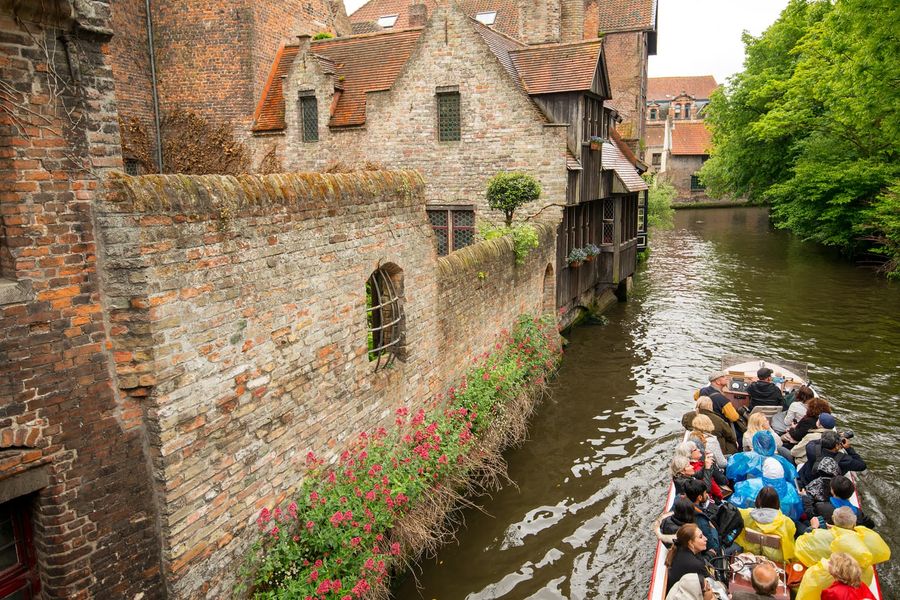
In compact, walkable Bruges, self-guided is the sensible default and a paid tour is the exception you choose on purpose: spend on the 30-minute canal boat (€10–14), the Flemish Primitives at the Groeningemuseum, the De Halve Maan brewery, or a day trip to Damme, and cover everything else for free on foot.
Bruges packs its entire UNESCO-listed medieval core into roughly a kilometre of cobbled lanes, so most of what draws visitors here — the gabled Markt, the reien, the chocolate shops — is already visible, free, and easy to find without a booking. The real work is narrower than a menu of tour options suggests: deciding which few experiences genuinely need paid access or expert framing, timing them around the coach groups that own the centre at midday, and knowing what a day or two should cost. This guide answers those questions sight by sight. Pair it with the Bruges city guide and the Belgium overview for the wider trip.
The parts of Bruges that need nothing but your legs
Treat wandering as the default in Bruges — the historic core rewards it more than any single booking would. The Markt and its ring of stepped gables, the 83-metre Belfry looming over the square, the Burg, and the Begijnhof courtyard are all free to reach and photograph without a guide, and the lanes along the reien are as rewarding walked slowly as narrated. If you want a light structure rather than a fully specialist tour, tip-based walking tours (free, or a €0–15 tip) and modestly priced licensed small-group walks cover the same ground in 1.5–2.5 hours and add running commentary — a useful middle option between solo wandering and paying for a specialist. Chocolate-shop browsing costs nothing either, though moving past the mass-market storefronts toward the artisan makers takes either research or, later in this guide, a guide who already knows which is which.
Four stops where paying for a guide changes what you get
Four experiences justify their price regardless of how much you enjoy exploring solo, because each buys physical access or interpretation you can't replicate alone. The half-hour canal boat trip shows the bridges and waterside merchant houses from water level — an angle walking never gives you — and five companies run near-identical routes from docks near the Rozenhoedkaai and the Dijver, so simply board whichever has the shortest queue; boats operate roughly March through mid-November. The De Halve Maan brewery tour ends on a rooftop that's otherwise off-limits, alongside an explanation of the abbey ales and fruit lambics it produces. Inside the Groeningemuseum, a specialist guide turns the Flemish Primitives collection — Van Eyck, whose oil-glazing technique reshaped European painting before his death in 1441, plus Memling and Bosch's "Last Judgment" — from a room of old panels into a readable story. And the relic inside the Basilica of the Holy Blood means little without someone to explain its provenance and the veneration ritual around it. Threading through all four is the same historical hook a good guide keeps returning to: a cloth-trading city that froze in place after its river silted up around 1500, which is why so much of it still looks medieval.
Self-guided or guided, sight by sight
Laid side by side, the pattern is consistent: static, outdoor sights are fine alone, while anything requiring physical access, expert reading, or regional logistics rewards a guide.
| Sight | Independent option | What a guide adds |
|---|---|---|
| Markt & Belfry | View the square and tower for free; climb it solo | Context on the guild rivalries the tower once settled |
| Canal boat | Board at any of 5 docks near Rozenhoedkaai/Dijver | Already narrated by the boatman — just queue-hop for the shortest wait |
| De Halve Maan brewery | Walk past the building | Working tour reaches the rooftop and explains the brewing process |
| Groeningemuseum | Walk the galleries with wall text | Specialist reading of Flemish Primitive technique and rivalries |
| Basilica of the Holy Blood | Free entry, view the relic | Explanation of provenance and the veneration ritual |
| Damme, windmills, coast | Rent a bike and go at your own pace | Private guide handles regional transport and timing |
| Chocolate & beer tasting | Shop-hop on your own (tourist-trap risk) | Steered past mass-market shops to artisan makers |
What a Bruges day, or three, actually costs
Bruges is gentle on a budget compared with many European cities, but a few paid layers add up fast if you don't plan for them.
| Tour type | Approximate cost |
|---|---|
| Tip-based walking tour | Free–€15 per person |
| Canal boat trip (30 min) | €10–14 per adult |
| Chocolate & beer tasting tour | €45–75 per person |
| Art-history / Flemish Primitives walk | €70–110 per person |
| Private half-day guide | €140–220 for a small group |
| Full-day private tour (Damme, windmills) | €280–400 for a small group |
A few things worth knowing before you book: the Musea Brugge Card usually beats separate tickets once you're visiting two or more of the Groeningemuseum, the Church of Our Lady, and the St. John's Hospital complex; canal boat tickets are cash-friendly and paid at the dock, so there's rarely a need to book ahead; and private-guide fees are charged per group rather than per head, so splitting a half-day guide across four people brings the cost down sharply. Treat every figure as a planning guide rather than a quote, since boat, museum, and guide prices shift each season.
Choosing your season around the coach buses
The calendar matters here as much as the itinerary, because Bruges's crowd pattern swings hard between seasons. April through early June is the sweet spot: canal boats are running, spring flowers line the quays, and the day-tripper crush hasn't peaked yet. July and August bring the warmest weather and longest boat-cruising light, but the lanes feel uncomfortably packed between 10:00 and 16:00, when the coaches are parked outside the centre. September and October trade a little warmth for golden light over the Belfry and noticeably thinner crowds — the preferred window for photography and unhurried museum time. Boats mostly pause from late November into early January, but the Christmas market compensates with wooden chalets, glühwein, and an ice rink beneath the floodlit tower. Whatever month you land on, pack a light waterproof; showers arrive without warning year-round. If you're combining Bruges with the rest of the country, Antwerp's seasonal notes pair naturally with a Bruges stop.
Making the daily clock work for you
Independent of season, the single biggest swing factor in any Bruges day is the coach schedule, not the weather. Buses flood the centre around 10:00 and clear out by 16:00, so visit the marquee sights either early morning or late afternoon — or stay overnight to have the lanes to yourself after 5pm. The core is only about a kilometre across and genuinely best done on foot; the cobblestones make wheeled luggage miserable, so pack light or use the station's luggage storage. For the edges — the windmills on the ramparts, the Damme canal route, or the coast within half an hour — renting a bike from the station beats trying to walk or bus there. Book restaurants ahead, since popular spots fill days in advance and plenty close midweek. And treat "Bruges lace" and bulk chocolate with some skepticism: most lace sold near the Markt is imported, so look for the Echte Kant certificate for the real thing, and save the shop-hopping for a tasting guide who already knows which chocolatiers still work by hand.
Finding someone credentialed for the indoor stops
Belgium licenses guides for work inside national monuments and museums, so for the Groeningemuseum or the Basilica of the Holy Blood, that credential is worth checking rather than assuming. The Bruges tourist office and the Flemish tourism boards keep vetted registries and can arrange licensed walks, museum visits, and excursions. For open-air city walks, a smaller group leaves more room for questions, and the guides worth remembering are the ones who read the room — slowing down for a genuine question, skipping the parts you already know, and turning a list of gables into one coherent story about cloth, canals, and Flemish paint.
Related Guides
- Bruges city guide — neighbourhoods, attractions, and practical tips for the wider stay
- Belgium country guide — how Bruges fits into a longer trip across the country
- Best Time to Visit Antwerp — pairing Bruges with Belgium's diamond-and-fashion city
- Amsterdam Canal Tour Comparison — how the canals of another great water city compare
Frequently Asked Questions
Do you need a guided tour to see Bruges?
Not for the basics — the historic centre is barely a kilometre across, entirely walkable, and free to wander, so you can find the Markt, the canals, and the chocolatiers on your own. A guide earns its place where context or access changes the visit: the half-hour canal boat trip you can't do on foot, the Flemish Primitive paintings in the Groeningemuseum, the working brewery tour at De Halve Maan, and the medieval history that turns a pretty façade into a story.
How much does a guided tour in Bruges cost?
Tip-based walking tours run roughly €0–15 per person, and the classic 30-minute canal boat trip is €10–14. A combined chocolate-and-beer tasting tour is about €45–75, an art-history walk focused on the Flemish Primitives €70–110, and a private half-day guide €140–220. A full-day private tour that reaches nearby Damme or the windmills runs €280–400. Museum and boat tickets are usually separate unless a package includes them.
When is the best time to take a tour in Bruges?
April through early June is the sweet spot — canal boats are running, spring flowers line the quays, and day-tripper crowds have not yet peaked. September and October bring golden light and thinner crowds. Whatever the month, the practical trick is timing your day around the buses, which flood the centre around 10:00 and clear out by 16:00; take an early-morning or late-afternoon boat to avoid the crush.
Are the canal boat tours worth it, or is walking enough?
Both, and they do different jobs. Walking the lanes is free and shows you the city at eye level; the boat gives you the low-water angle on the bridges and merchant houses you simply can't get from the bank. Five companies run near-identical 30-minute routes from different docks, so board at whichever has the shortest queue — morning light is best for photos, evening for atmosphere.
What is the best Bruges tour for first-time visitors?
Start with a walking tour of the Markt and the medieval core to get your bearings and the history, then take a canal boat trip the same day for the view from the water. With a second day, add the Groeningemuseum with an art-focused guide, or a chocolate-and-beer tasting tour to cover the city's sensory side.