

Antwerp timeline
-
Cathedral construction begins
The Cathedral of Our Lady started its long Gothic build, fixing the spire that still orients the old center.
- 15th century
Diamond trade takes hold
Antwerp's gem merchants made the port a durable center for cutting, trading, and finance.
- 16th century
Antwerp's golden age
Antwerp became Western Europe's busiest port and money market, and the Plantin printing house made it a capital of the book trade.
-
Fall of Antwerp
Spanish forces retook the city, shifting trade north while leaving a powerful baroque and mercantile inheritance.
-
Rubens dies in Antwerp
Peter Paul Rubens died in the city where he had built his studio-palazzo; his baroque altarpieces still hang in the cathedral he painted for.
-
Napoleon expands the docks
Imperial dock works strengthened the port role that still shapes Antwerp's economy and riverfront.
-
Port House opens
Zaha Hadid Architects added a contemporary landmark above the old fire station at the working port.
Cited city facts
Key facts for visiting Antwerp
84% of the world's rough diamonds pass through Antwerp
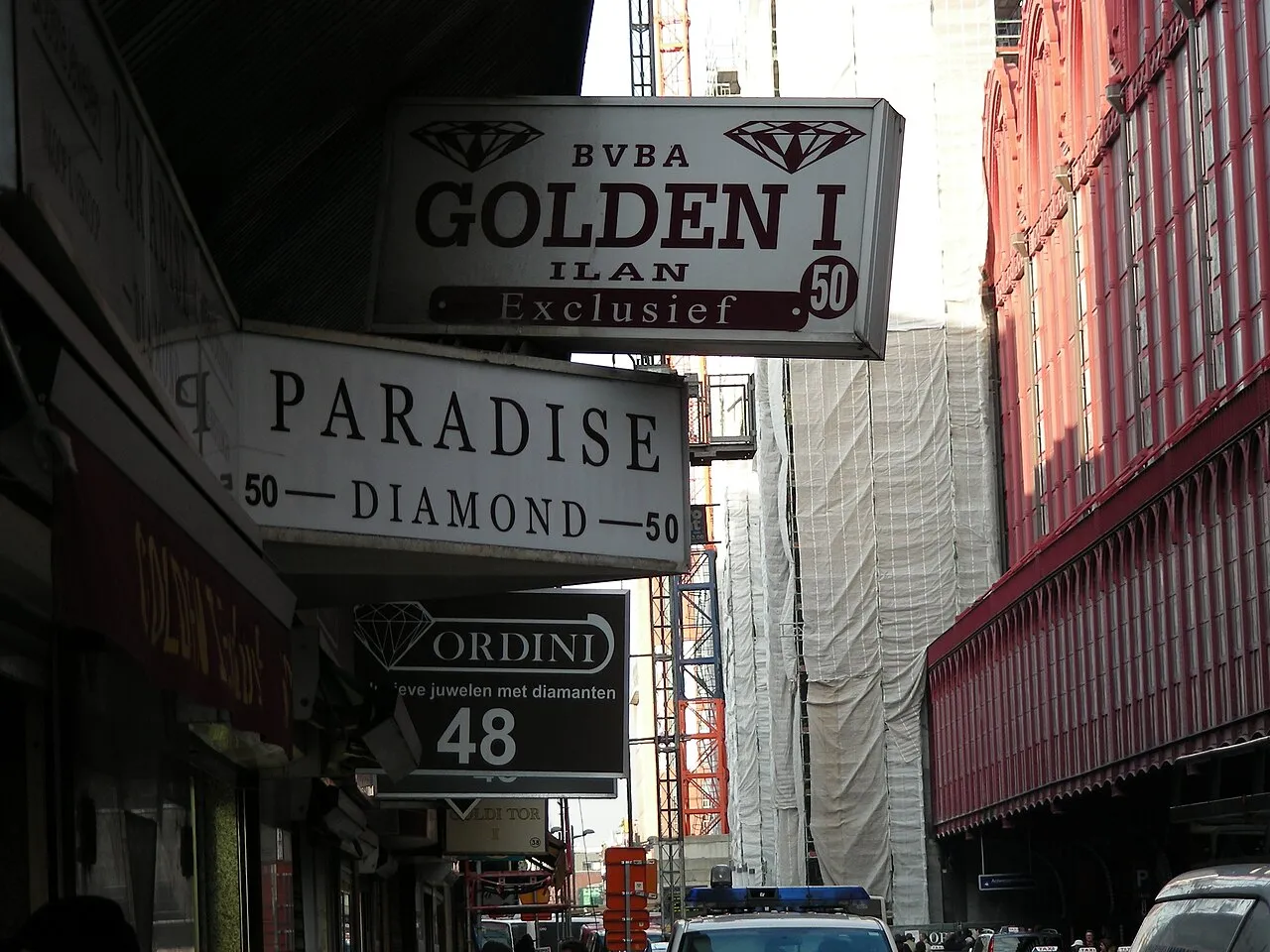
Antwerp's diamond quarter packs into a few blocks beside Central Station and has been a global gem-trading capital since the 15th century. The Antwerp World Diamond Centre reports the city still clears the great majority of the world's rough stones, with total diamond trade worth about $24.5 billion in 2024
169 years to build the Cathedral of Our Lady
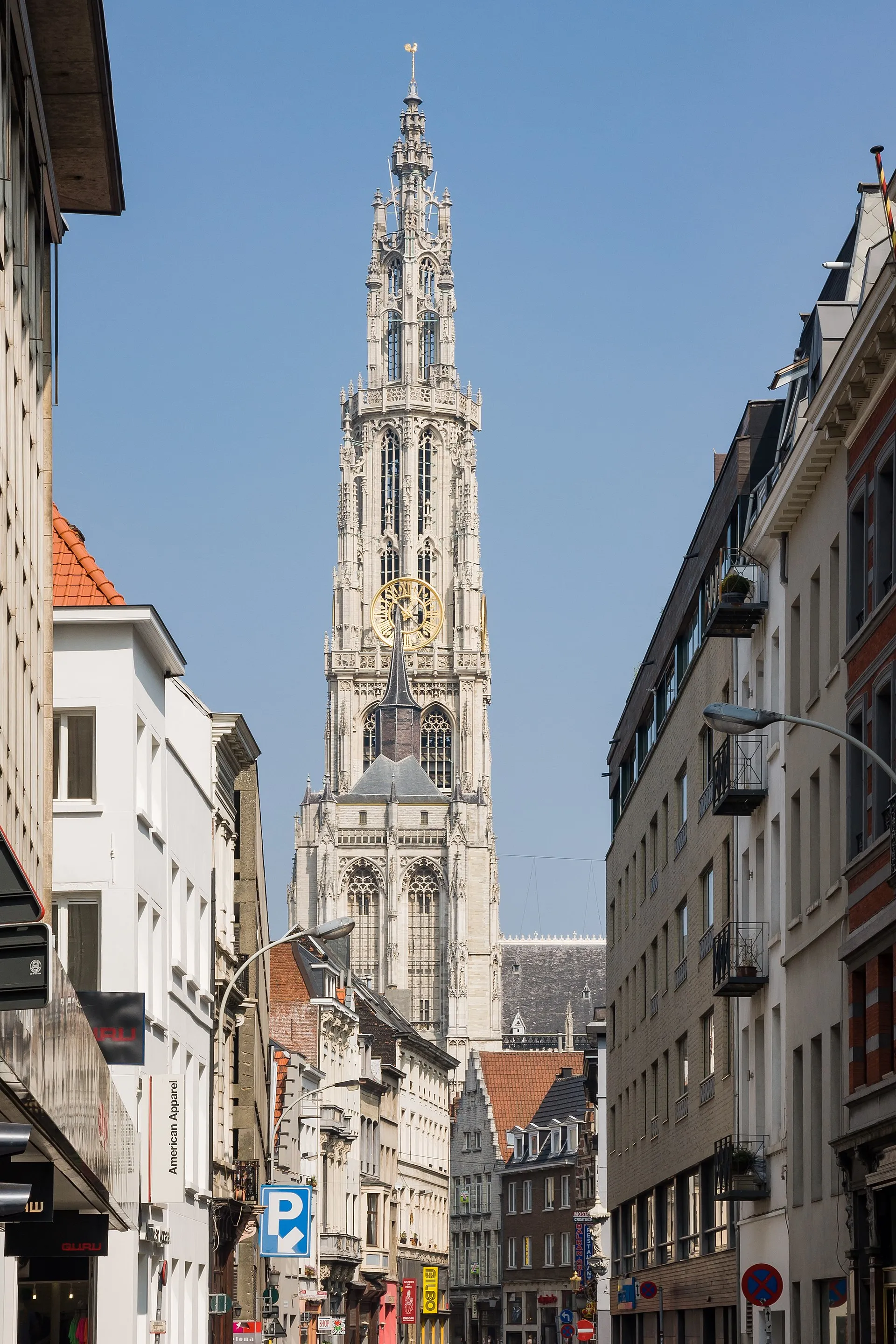
Construction of Belgium's largest Gothic church began in 1352 and finished in 1521, producing a 123-metre north tower that is still the tallest point on Antwerp's historic skyline and is UNESCO-listed among the Belfries of Belgium and France
Around 278 million tonnes of freight a year
The Port of Antwerp-Bruges, Europe's second-largest port after Rotterdam, handled about 278 million tonnes of cargo in 2024. The port has shaped the city's wealth and identity for more than 500 years and remains its economic engine
The Antwerp Six put the city on the global fashion map
In 1986 six graduates of the Royal Academy of Fine Arts stunned London Fashion Week and became known as the Antwerp Six, establishing the city as an avant-garde design capital. Their legacy and the generations of designers since are shown at the MoMu fashion museum on Nationalestraat
Source: tour-guide.com — Free to cite with attribution
Things to see
What are the top attractions in Antwerp?
- Cathedral of Our Lady — Belgium's largest Gothic church took 169 years to build. The four Rubens altarpieces alone justify the entry fee, above all The Descent from the Cross — watch how he steers the eye down a single diagonal of light.
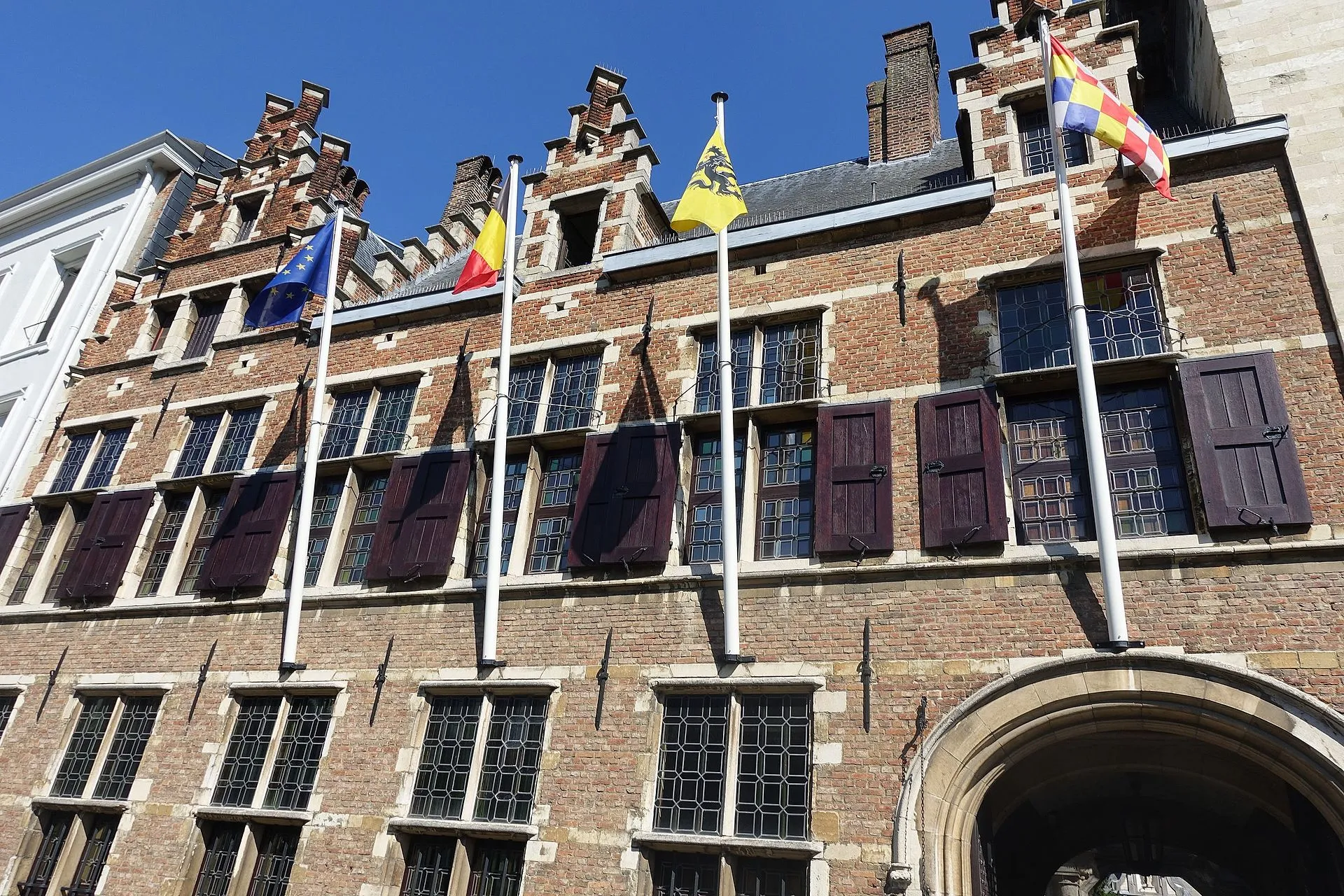
- Rubens House — Walk through the artist's reconstructed studio, where he painted, taught students, and entertained nobility. The self-designed baroque portico and garden pavilion show his architectural ambitions beyond the canvas.
- Grote Markt & Brabo Fountain — The Renaissance town hall and gilded guildhalls frame Antwerp's photogenic heart. The fountain shows Silvius Brabo hurling the giant's severed hand into the Scheldt — the city's founding legend.
- Diamond District — More than jewellery shops: a working trade centre beside Central Station. Visit the DIVA museum for context, then watch cutters at work if you book a workshop in advance.
- Fashion District — Nationalestraat and its side lanes hold concept stores, vintage shops, and boutiques from Academy graduates. MoMu anchors the quarter and traces Antwerp's outsized influence on global fashion.
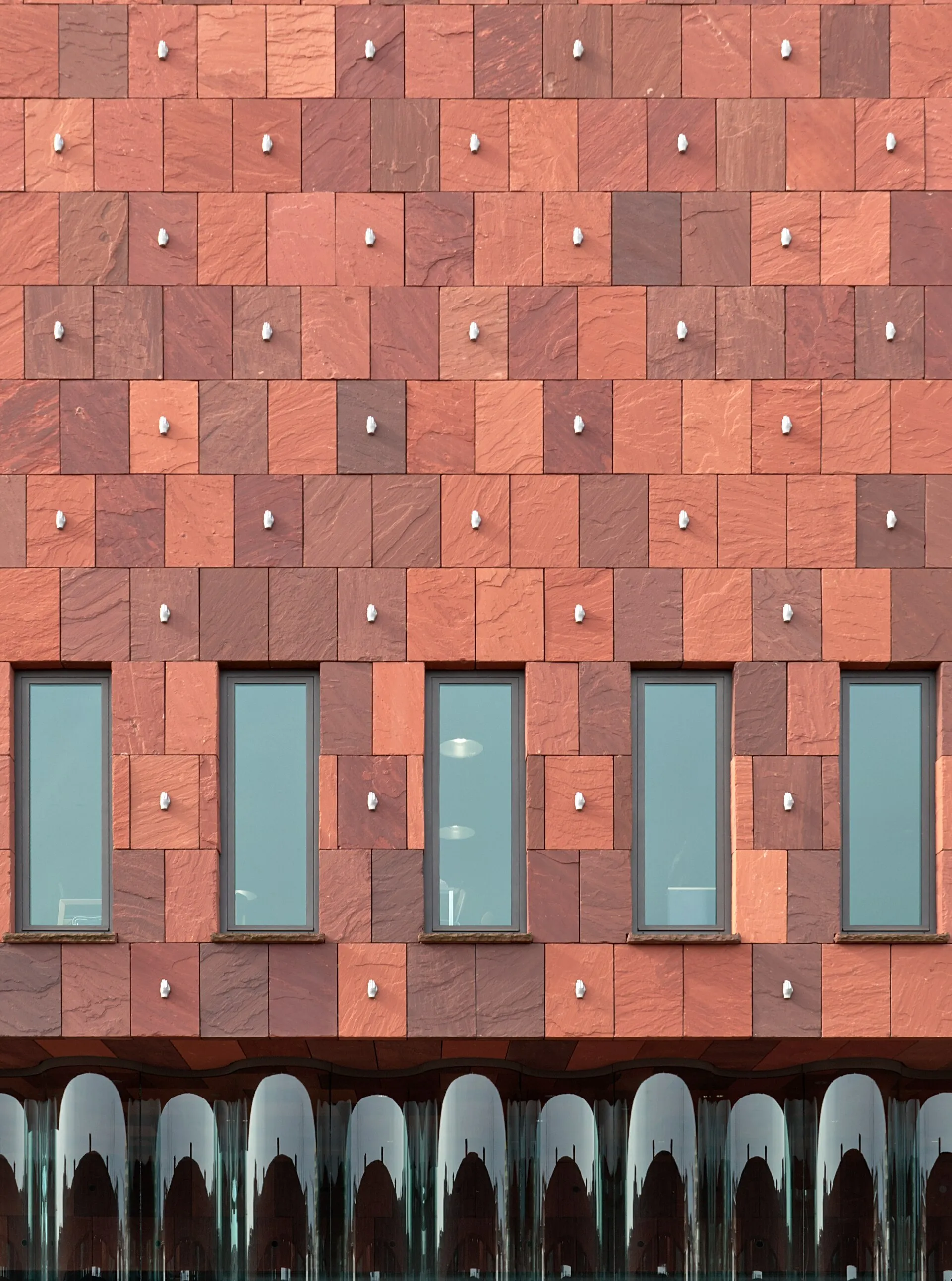
- MAS Museum — The stacked red-sandstone tower is as striking as its collections. Each floor takes a theme — port, trade, folklore — and the rooftop walk delivers a free 360-degree panorama.
🛐 Cathedral of Our Lady
Belgium's tallest spire and four monumental Rubens paintings beneath Gothic vaults in Antwerp
🏘️ Diamond District
Four city blocks where 84% of the world's rough diamonds change hands among centuries-old trading houses
🏛️ MAS Museum
Ten stories of Antwerp's global story rising from reclaimed docklands with a free rooftop panorama
🏛️ Rubens House
Rubens' restored palazzo and studio — where Baroque's greatest master lived, painted, and entertained
Guide planning
How much does a tour guide cost in Antwerp?
| Tour Type | Price | Details |
|---|---|---|
| Walking Tours | €0-15 | Free tours (tip-based) or paid group tours |
| Rubens & Baroque Art Tours | €50-80 | Art historian guides focusing on cathedral and Rubenshuis |
| Diamond District Tours | €40-70 | Workshop visits and diamond grading demonstrations included |
| Private Half-Day Tours | €150-240 | 3-4 hours covering major sites with customizable focus |
| Fashion & Design Tours | €60-100 | Exploring fashion district, boutiques, and design studios |
| Full-Day Private Tours | €300-450 | 7-8 hours including port area, museums, and neighborhoods |
Season planner
When is the best time to visit Antwerp?
Antwerp has a mild maritime climate, which really means changeable: rain can arrive in any season, so a compact umbrella earns its place in your bag year-round. Late spring through early autumn (May–September) is the sweet spot, with long days, café terraces spilling onto the squares, and summer highs around 20–22°C (68–72°F). July and August are the warmest and liveliest months; winter sits near 4°C (39°F) and the short days dim the Rubens altarpieces inside the cathedral.
Shoulder months reward flexible visitors. April, May, September and October bring thinner crowds, lower hotel rates, and comfortable walking weather between showers. Note that parts of the Diamond District wind down for the major Jewish holidays clustered in September and October, when many dealers close for days — worth checking before you build a morning around the quarter.
The festival calendar gives each season its own character (the official Visit Antwerp agenda lists exact dates):
- Spring — the Antwerp Ten Miles & Marathon fills the streets in April, and the Sinksenfoor funfair sets up around Pentecost at Spoor Oost.
- Summer — Zomer van Antwerpen runs open-air theatre, film and music across the city from late June to August, and Jazz Middelheim brings international names to Middelheim Park in mid-August.
- Autumn — gallery openings and the fashion season pick up as the Royal Academy term begins; the city feels studious and creative.
- Winter — Winter in Antwerpen lights the centre from December into January, with a market, a Ferris wheel on the Scheldt quays, and an ice rink near the Grote Markt.
On the ground
How do you get around Antwerp?
- Language — Dutch (Flemish) is the local language. Most residents speak excellent English, especially in shops and restaurants. French is less commonly spoken here than in Brussels
- Getting Around — Central Antwerp is walkable. Trams are efficient for reaching the MAS, fashion district, or Zurenborg Art Nouveau neighborhood. Day passes cost €7
- Sunday Closures — Many shops close Sundays, including some diamond dealers. Museums and restaurants remain open. Plan shopping for weekdays or Saturdays
- Central Station — Often called the world's most beautiful railway station. The eclectic architecture mixing styles is worth a visit even if not catching a train. The cathedral-like waiting hall is spectacular
- Beer Selection — Antwerp excels at beer bars. Visit Kulminator (700+ options including rare vintages) or Paters Vaetje (traditional brown café atmosphere). Don't order mass-market lagers when abbey ales and Trappists are available
- Restaurant Scene — Antwerp has a thriving culinary scene from Michelin-starred fine dining to innovative bistros. Book ahead for popular spots, especially on weekends
- Diamond Purchases — Only buy from dealers certified by the Antwerp World Diamond Centre. Reputable dealers provide GIA or HRD certificates. Avoid pressure sales in tourist shops
- Carry a compact umbrella
Frequently Asked Questions
When is the best time to visit Antwerp?
May to September is the most comfortable window, with highs around 20–22°C (68–72°F), long daylight and busy café terraces. April, May, September and October are quieter and cheaper while still pleasant between showers. Winter is cold and damp near 4°C (39°F), but Winter in Antwerpen lights the centre from December with a market, Ferris wheel and ice rink. Pack a compact umbrella whenever you come — the maritime climate turns quickly.
How much does a tour guide cost in Antwerp?
Free walking tours run on tips (€10–15 for a two-hour loop is standard). Group walking tours cost €0–15 per person, while Rubens and baroque-art tours with an art historian run €50–80. Diamond District tours with workshop visits are €40–70, and fashion-and-design walks €60–100. Private guides charge roughly €150–240 for a half-day and €300–450 for a full day covering the port, museums and neighbourhoods.
How do you get around Antwerp?
The compact centre is very walkable, and an efficient tram and bus network run by De Lijn reaches the MAS Museum, the fashion district and the Zurenborg Art Nouveau quarter; a day pass costs about €7. Antwerp also has excellent cycling infrastructure with dedicated lanes throughout. Most visitors arrive at Antwerp Central, often called the world's most beautiful railway station, which puts the Diamond District and old centre within a short walk.
What are Antwerp's most distinctive neighbourhoods?
Beyond the medieval core around the Grote Markt, Antwerp rewards wandering. Het Zuid (the South) mixes 19th-century avenues with galleries and the fine-arts museum; the Fashion District along Nationalestraat holds concept stores and boutiques; and Het Eilandje, the old dockland, now centres on the MAS Museum and the waterfront. For architecture, Zurenborg — especially Cogels-Osylei — packs in some of Europe's finest Art Nouveau and eclectic townhouses.
Is Antwerp worth visiting alongside Brussels and Bruges?
Yes — and it offers something the others don't. Where Bruges is a preserved medieval set-piece and Brussels the political capital, Antwerp is Belgium's creative and commercial powerhouse: Europe's second port, the world's diamond hub, and a genuine fashion capital. Trains link it to Brussels in about 40 minutes, so it works as a day trip, but its museums, baroque art and nightlife reward an overnight stay far more than a flying visit.