
Collections Highlights
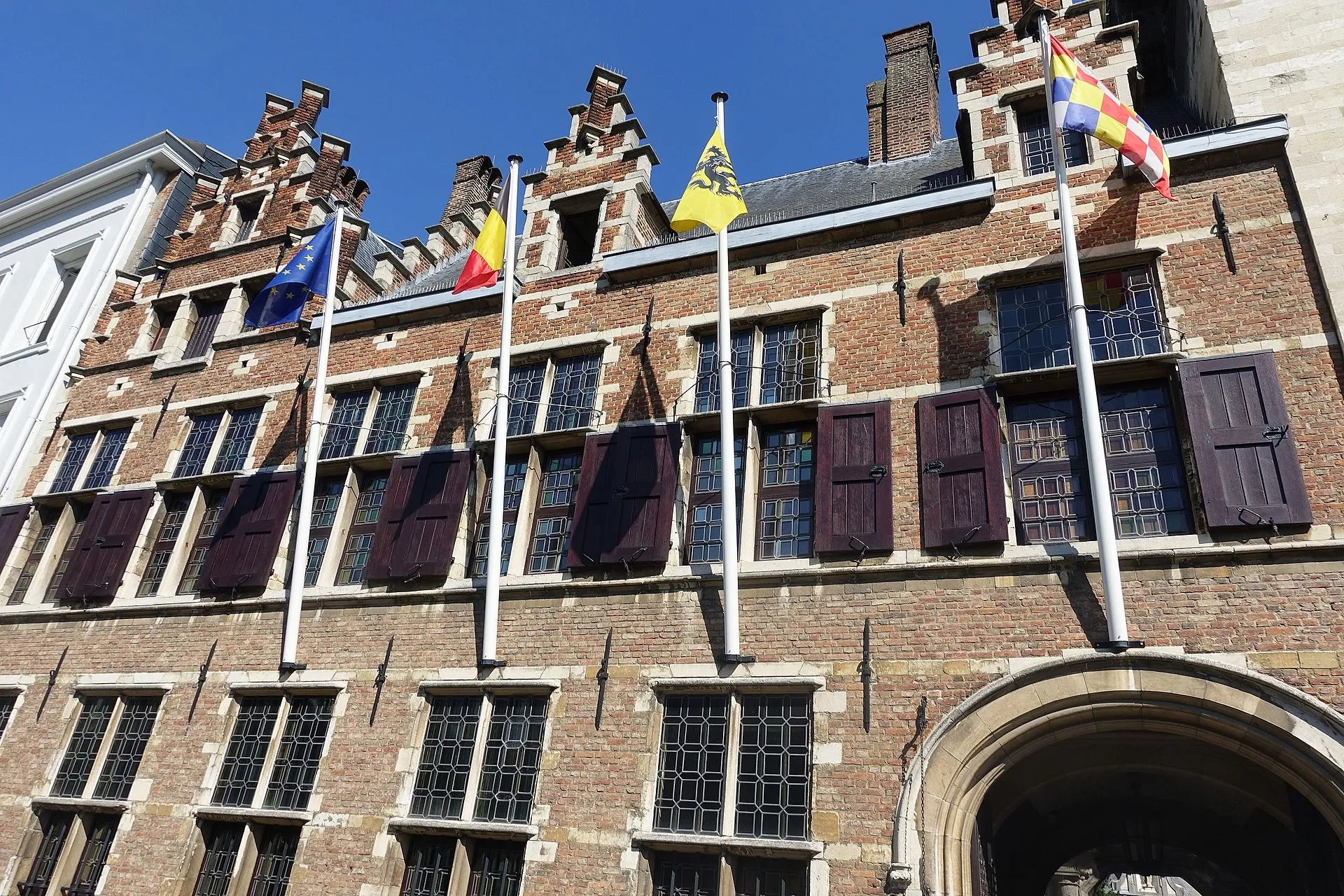
Baroque portico: Rubens-designed architectural screen connecting house to garden — theatrical Italian-inspired entrance showcasing classical sculpture and decorative elements. Grand studio: Double-height workspace with north-facing windows where Rubens supervised production of masterpieces — recreated with period equipment and reproduction paintings. Formal Baroque garden: 500-square-meter geometric garden with period plantings, gravel paths, and Rubens-designed pavilion — reconstructed following 17th-century documentation. Van Dyck and Jordaens works: Paintings by Rubens' most famous students displayed for comparison — revealing workshop influence and Baroque style evolution. Kunstkabinet: Recreation of Rubens' personal collection space displaying curiosities, small paintings, and classical artifacts in period arrangement style. Residential interiors: Period-furnished domestic rooms showing how wealthy 17th-century Flemish families lived — dining hall, bedchamber, and reception spaces.
Guided Tours
Art historian guides at the Rubens House decode the relationship between Rubens' domestic environment and his artistic production — explaining how the studio's north-facing windows were calculated for color accuracy, why the portico design referenced Roman triumphal arches to impress visiting nobility, and which elements of the current rooms survive authentically from the 1610-1640 period versus the 1940s reconstruction. Guides familiar with the Cathedral of Our Lady create walking circuits connecting the artist's home workshop to his four monumental altarpieces, revealing how commissioned works traveled the 850 meters from studio to sanctuary. The MAS Museum rooftop provides a panoramic perspective of the port district whose mercantile wealth funded Rubens' career.
When to Visit
Museum hours: Tuesday-Sunday 10:00 AM - 5:00 PM, closed Mondays. Last admission: 4:30 PM — allow 90 minutes minimum for full visit including garden. Closed: January 1, May 1, Ascension Day, December 25-26. Best: Tuesday and Wednesday mornings (10:00-11:30 AM) for smallest crowds and optimal natural light in studio. Garden peak: Late April through September when plantings are fully grown and pavilion is accessible. Avoid: Weekend afternoons when tour groups and local families create congestion in relatively small interior spaces.
Admission and Costs
General admission: €10 adults, €8 students/seniors (65+), free for children under 12. Audio guide: €2 (available in Dutch, English, French, German, Spanish — provides room-by-room commentary). Guided tours: €30-40 per person for 90-minute tour focusing on Rubens' artistic techniques and biographical details. Private specialist guide: €220-300 for 2-hour tour covering Baroque architecture, 17th-century art market, and Rubens' diplomatic career. Combination ticket: Some city passes include Rubens House alongside other Antwerp museums at reduced total cost.
Tips for Visitors
Audio guide recommended: The €2 audio guide provides essential context about which architectural elements are original versus reconstructed, and explains Rubens' workshop methods. Without this information, the space feels like generic period rooms. Studio lighting: The studio's north-facing windows (facing the courtyard, not the street) provide consistent natural light morning through afternoon. Rubens specifically designed this orientation for painting accuracy — observe how light quality remains stable even as sun position changes. Garden seasonal variations: Visit April-September when plantings reach full growth and the pavilion is open. Winter visits (November-March) show bare hedges and locked pavilion, diminishing the garden's impact. Reconstruction awareness: The house underwent major reconstruction in the 1940s after centuries of alterations. Ask guides to clarify which elements survive from Rubens' era versus 20th-century recreation — understanding this context prevents disappointment. Combine with Cathedral of Our Lady: The 850-meter walk (12 minutes) allows you to see Rubens' four altarpieces in their intended liturgical context. Visiting both sites in one morning contextualizes his religious commissions. Photography: Photos permitted without flash. The Baroque portico and garden pavilion make striking photographs in afternoon light (2:00-4:00 PM) when sun illuminates decorative details. Crowd management: Interior rooms are relatively small — groups of 15+ create congestion. If you encounter a large tour group, wait in the garden for 15 minutes until they move through, then explore rooms at your own pace. Biographical context: Reading a brief Rubens biography before visiting (or hiring a guide) significantly enhances the experience. Knowing about his diplomatic missions, two marriages, and workshop organization transforms empty rooms into spaces where historical events actually occurred.
Frequently Asked Questions
What are the opening hours and closing days at the Rubens House?
Museum hours: Tuesday-Sunday 10:00 AM - 5:00 PM, closed Mondays. Last admission: 4:30 PM — allow 90 minutes minimum for full visit including garden. Closed: January 1, May 1, Ascension Day, December 25-26.
What does admission to Rubens House cost?
General admission: €10 adults, €8 students/seniors (65+), free for children under 12. Audio guide: €2 (available in Dutch, English, French, German, Spanish — provides room-by-room commentary).
Why is an audio guide important when visiting the Rubens House?
Audio guide recommended: The €2 audio guide provides essential context about which architectural elements are original versus reconstructed, and explains Rubens' workshop methods. Without this information, the space feels like generic period rooms.