
Planning the Perfect Trip to Vancouver
A practical Vancouver trip planner covering when to go, choosing between seawall bike tours and walking tours, realistic guide budgets in Canadian dollars, and getting around by SkyTrain.
Read the full guideUpdated · 8 min read
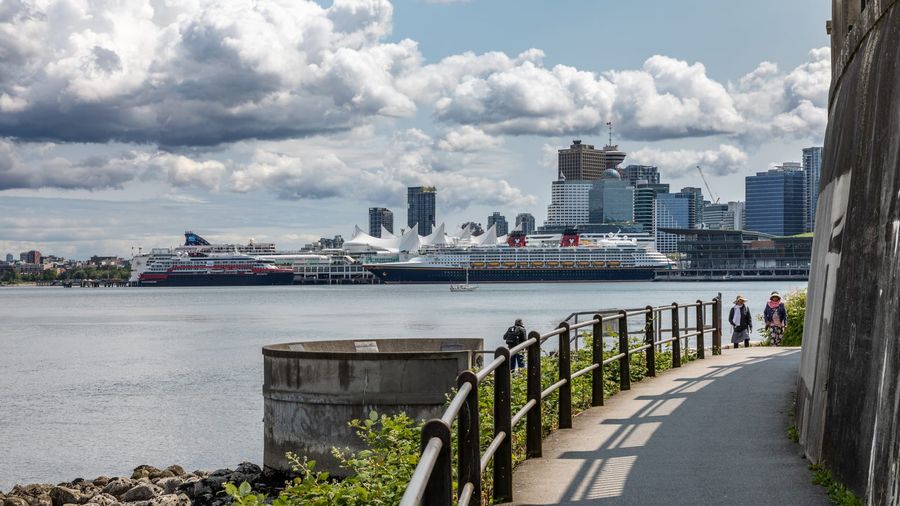
Give Vancouver three to five days, base yourself downtown or in the West End near Stanley Park, and aim for July or August if you want reliable sun — or June and September for the same long days with fewer crowds. Book a seawall bike tour or a walking tour early, budget in Canadian dollars, pack a waterproof layer whatever the forecast, and lean on the SkyTrain rather than a rental car.
Few big cities pack mountains, ocean, and old-growth rainforest into the same skyline the way Vancouver does. You can start a morning on a North Shore summit and finish the afternoon paddling in English Bay without leaving the metro area, which is exactly why the city rewards a little planning: the choices you make about when to come and how you spend your days shape the trip far more than in a place you can simply wander. This guide walks through the decisions that actually matter — timing, which tours are worth the money, what a guide really costs, and how to move around a city hemmed in by water on three sides.
When is the best time to visit Vancouver?
July and August are the peak: warm, dry, and bright until nearly 10 p.m., but also the busiest and priciest months. June and September deliver almost identical weather with lighter crowds. Vancouver averages 160 rainy days a year, so from October through May a waterproof shell is non-negotiable — though those grey months are why the forests and gardens stay so green.
Vancouver's maritime climate gives it the mildest winters in Canada and, in exchange, a lot of rain. The city sees roughly 160 rainy days per year, concentrated between November and March, so the summer window is genuinely worth targeting. July and August bring warm, reliably dry days and daylight that stretches past 9 p.m., ideal for long evenings on the seawall or a sunset at Third Beach. The trade-off is company: hotel rates peak, and the most popular North Shore attractions fill by late morning.
The smarter play for many travellers is the shoulder. June and September catch most of the summer warmth and dry spells while shaving crowds and prices, and September in particular pairs comfortable hiking weather with the start of salmon runs on the North Shore. If your dates land in spring or autumn, treat the forecast as a suggestion and build in an indoor option — the Granville Island Public Market, an aquarium visit, or a museum — for the days the clouds roll in off the Pacific. One seasonal bonus worth planning around: whale-watching season runs April to October, when orcas and humpbacks are most active in the Salish Sea.
Should you book a bike tour, a walking tour, or a nature excursion?
For a first visit, ride the Stanley Park seawall on a guided bike tour to grasp the city's geography, then add a Gastown or Chinatown walking tour for history and food. If you have a spare day, a guided North Shore trip to the mountains and suspension bridges is the single best way to reach the wilderness without a car.
Vancouver's signature experience is the Stanley Park seawall, and the easiest way to appreciate it is on two wheels. The park covers 405 hectares of coastal rainforest — larger than New York's Central Park — and its 10-kilometre seawall is the longest uninterrupted waterfront path in the world. A guided bike tour loops the whole thing in a couple of hours, threading Coal Harbour, the totem poles at Brockton Point, and the beaches of English Bay while a guide fills in the First Nations history and the story of how the park was set aside in 1888. It is the fastest route to understanding how the city fits together.
A walking tour is the natural companion. The cobblestones of Gastown — Vancouver's 1867 birthplace, where the steam clock whistles every quarter hour — and the neighbouring streets of Chinatown, the second-largest in North America, reward a guide who can decode the architecture and the layered immigrant history. And if you want the mountains, a guided North Shore excursion is the highest-value add: outfits combine the Capilano Suspension Bridge, Grouse Mountain's gondola, and the free cedar trails of Lynn Canyon into a single day, sparing you the car and the parking scramble. Start with the bike loop, add the walking tour, and save the North Shore for a full day of its own.
How much does a tour guide cost in Vancouver?
Expect roughly CA$30-55 (about US$22-41) per person for a group walking tour and CA$90-140 (US$67-104) for a guided seawall bike tour including rental. A private half-day guide runs CA$250-400 (US$185-296), and a full private day CA$450-750 (US$333-555). British Columbia adds about 12% in sales taxes, and tipping 15-20% is standard.
Guide pricing in Vancouver is consistent enough to budget with confidence. Group formats are the affordable entry point; private guides cost more but let you set the pace and the focus:
| Tour type | Price (CAD) | Approx. USD |
|---|---|---|
| Group walking tour | CA$30-55 | US$22-41 per person |
| Bike & seawall tour | CA$90-140 | US$67-104 with rental |
| Private half-day | CA$250-400 | US$185-296 |
| Private full-day | CA$450-750 | US$333-555 |
Beyond the guide, plan for the ordinary costs of a West Coast city. Mid-range restaurant mains commonly run CA$24-38, an adult SkyTrain day pass is CA$11.50, and North Shore attractions add up quickly — the Capilano Suspension Bridge alone is around CA$66 (about US$49) for an adult. Remember that most quoted prices are before British Columbia's roughly 12% sales taxes (a 5% federal GST plus a 7% provincial PST), and that tipping 15-20% on meals and guided tours is expected rather than optional. For a wider view of guide pricing across the country, the Canada overview sets these ranges in context.
How do you get around Vancouver?
The SkyTrain's three automated lines connect the airport, downtown, and the suburbs, the SeaBus crosses the harbour to North Vancouver, and buses fill the gaps — all on one tap-to-pay Compass fare. Downtown, the West End, and Granville Island are walkable, and public bike-share covers the flat core. A rental car is only worth it for the North Shore mountains or a Sea-to-Sky day trip.
Vancouver is one of the more transit-friendly cities in North America, and most visitors never need a car. The SkyTrain runs three lines — Expo, Millennium, and Canada — and the Canada Line links Vancouver International Airport (YVR) to downtown in under 30 minutes, a rare convenience among major cities. A reusable Compass Card or a contactless credit card taps you through the whole network of trains, buses, and the SeaBus passenger ferry that glides across Burrard Inlet to Lonsdale Quay in about 12 minutes. Fares are zone-based on weekdays but flat on evenings and weekends, and a day pass is the easy buy for heavy sightseeing days.
For the sights themselves, walking is usually the answer: downtown, the West End, and the approach to Stanley Park are compact and flat, and the tiny Aquabus and False Creek Ferries hop across to Granville Island for a couple of dollars. The city's public bike-share is well suited to the seawall and the waterfront. Where a car earns its keep is beyond the transit map — reaching the North Shore trailheads early, or driving the spectacular Sea-to-Sky Highway to Whistler, about two hours north. For everything inside the city, save yourself the downtown parking rates and ride the rails.
What should you know before you go?
Most visa-exempt travellers need an Electronic Travel Authorization (eTA) to fly into Canada, so arrange it before booking anything time-sensitive. Pack layers and a waterproof shell whatever the season, book Stanley Park bike tours and North Shore excursions ahead in summer, and give yourself a buffer day for the weather or a Victoria or Whistler side trip.
A handful of practical points smooth out a Vancouver trip. Most visa-exempt visitors flying to Canada need an eTA, a quick and inexpensive online authorization — sort it out early rather than the night before departure. Weather planning matters here more than in most cities: even a bright forecast can turn showery, so a packable rain shell and layers belong in every bag, and shoes with grip pay off on damp seawall and forest trails.
Finally, think about the trips beyond the city while you plan. Vancouver is a natural launch point for Victoria, reachable by ferry and floatplane, and for Whistler up the Sea-to-Sky corridor, and both are easier to slot in if you leave a flexible day in the itinerary rather than packing every hour. Get the anchor decisions right — when to come, where to stay, and which tours to lock in — and Vancouver rewards you with a rare kind of city, one where the wilderness starts at the edge of downtown.
Frequently Asked Questions
How many days do you need in Vancouver?
Three full days covers Stanley Park, Granville Island, Gastown, and one North Shore mountain without rushing. Add a fourth or fifth day if you want a day trip to Whistler, Victoria, or a whale-watching excursion.
When is the best time to visit Vancouver?
July and August bring the warmest, driest weather and the longest daylight, while June and September offer nearly the same conditions with thinner crowds. The city averages 160 rainy days a year, so pack waterproof layers whenever you come.
How much does a tour guide cost in Vancouver?
A group walking tour runs about CA$30-55 (US$22-41) per person and a guided seawall bike tour CA$90-140 (US$67-104) with rental. A private half-day guide is CA$250-400 and a full day CA$450-750; tipping 15-20% is standard.
Do you need a car in Vancouver?
No. The SkyTrain, SeaBus, and bus network reaches downtown, the airport, and most suburbs on one Compass fare, and the core is walkable. A car is only worth it for North Shore mountains or a Sea-to-Sky drive to Whistler.