
Planning the Perfect Trip to Hamburg: Harbour, Warehouses and Water
A practical Hamburg planning guide covering when to go, where to stay, which harbour tour to pick, how the HVV ferries work, realistic costs, and whether a local guide is worth it.
Updated · 9 min read
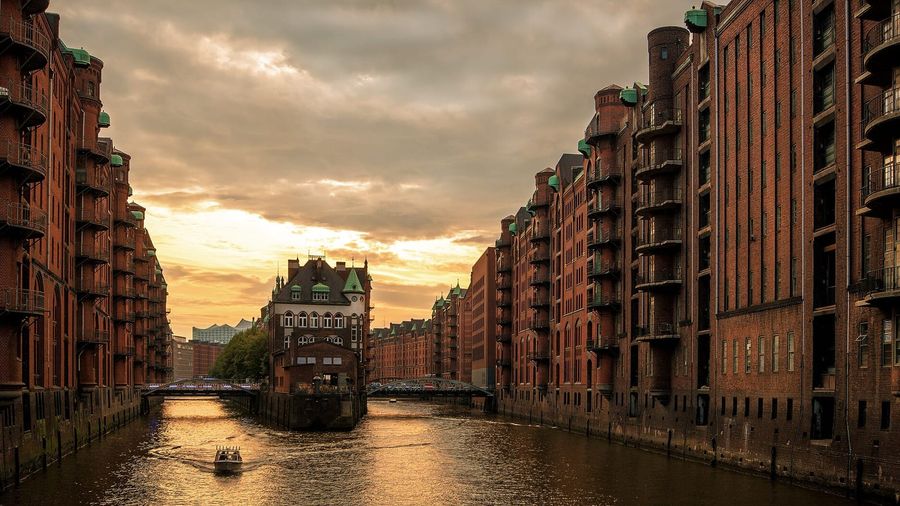
Give Hamburg two to three days, base yourself near the centre or St. Pauli, and build the trip around water — a working-port cruise, the UNESCO warehouses of Speicherstadt, and the harbour ferries that double as scenic public transport. Visit between May and September for festivals and café weather, book Miniatur Wunderland ahead, and pack a rain jacket whatever the forecast says.
Hamburg does not perform for visitors the way some German cities do. It is a wealthy, self-assured Hanseatic port that has always faced the sea rather than the tourist, and its pleasures are correspondingly understated: brick warehouses reflected in a canal, a fish sandwich eaten standing up at the water's edge, a container ship sliding past the end of a residential street. Planning a trip here is mostly about getting close to the water, and this guide walks through how to do that well.
When is the best time to visit Hamburg?
May to September is the clear sweet spot, with mild days, long northern evenings and the harbour festivals that give the city its warm-weather energy; the shoulder months trade some warmth for thinner crowds, and winter is cold, dark and wet but keeps the museums and concert halls busy.
Hamburg sits far enough north that its seasons swing hard, and the weather shapes a visit more than the calendar of events does. The city records over 140 rainy days a year, so the real question is less about avoiding rain than about how much daylight and outdoor life you want around it.
| Season | Weather | What it's good for |
|---|---|---|
| May–Sep | Mild 18–24°C, long evenings | Harbour cruises, Alster boating, café terraces, festivals |
| May | Warm, busy | Hafengeburtstag — the world's largest port festival |
| Apr & Oct | Cool 8–14°C, changeable | Fewer crowds, lower hotel rates, comfortable sightseeing |
| Nov–Feb | Cold, dark, wet | Christmas markets, museums, Elbphilharmonie concerts |
If you can only choose one window, aim for June or early September: you get the summer atmosphere and reliable ferry-deck weather without the peak July–August hotel prices.
How long should you stay and where should you base yourself?
Two days is enough for the essentials and three lets the city breathe; where you sleep matters because Hamburg spreads along the Elbe and the Alster, so pick a base that keeps you close to the water and a short U-Bahn or S-Bahn ride from the harbour.
The centre packs the Alster lakes, the main station and the shopping streets into a walkable core, while the harbour life happens a little to the south and west. These neighbourhoods each suit a different kind of traveller:
- Altstadt & Neustadt — the central heart, walkable to the Alster, the Rathaus and Speicherstadt; the safe, convenient choice for a first visit.
- St. Pauli & the Reeperbahn — the famous nightlife district, loud and lively at night, handy for the harbour but not for light sleepers.
- Sternschanze (Schanzenviertel) — creative, café-dense and full of independent restaurants, popular with younger travellers.
- HafenCity — the sleek modern quarter beside the Elbphilharmonie, all new architecture and waterfront promenades.
- St. Georg — beside the main station, budget-friendly and central, with the city's liveliest dining strip on Lange Reihe.
Which Hamburg experiences should you prioritise?
Anchor the trip on the working harbour, the Speicherstadt warehouse district and one great view; everything else in Hamburg orbits those three, and seeing the port from the water is genuinely non-negotiable.
You cannot understand Hamburg without getting onto the Elbe, and the Port of Hamburg — Europe's third-busiest — is best read from a boat gliding past container terminals and dry docks. From there, the priorities fall into place:
- Speicherstadt — the red-brick, canal-laced warehouse district, a UNESCO World Heritage Site, now home to museums, coffee roasters and the iconic moated Wasserschloss.
- Miniatur Wunderland — the world's largest model railway, with 16+ km of track and a working miniature airport; astonishing regardless of your age, and endlessly popular, so book ahead.
- Elbphilharmonie — the wave-topped concert hall whose free Plaza offers a 360° harbour panorama from 37 metres up.
- Reeperbahn & St. Pauli — the entertainment quarter where the Beatles cut their teeth on Große Freiheit; come after dark for the full effect.
- Alster lakes — rent a rowing boat or sail on the Aussenalster for a calm, skyline-framed counterpoint to the gritty harbour.
Which harbour tour should you choose?
The port can be toured in several ways, from a cheap public ferry to a narrated barge or a private charter, and the right pick depends on your budget and how much commentary you want. The table below compares the realistic options.
| Tour type | Typical price | Best for |
|---|---|---|
| HVV harbour ferry (line 62) | Covered by day ticket | Self-guided, budget scenic ride to Övelgönne |
| Group harbour barge (Barkasse) | €20–35 pp, 1–2 hrs | Narrated cruise through the warehouse canals |
| Group walking tour | €20–35 pp, 2–3 hrs | Speicherstadt and old-town history on foot |
| Private half-day guide | €170–280, up to 6 | Tailored mix of harbour, history and neighbourhoods |
| Private full-day guide | €320–550, up to 6 | Deep dives, including St. Pauli or day-trip context |
For most first-timers, the smart combination is the free ferry ride for the views plus one narrated Barkasse trip through the Speicherstadt canals, where the low bridges and warehouse foundations only make sense from water level. Look for IHK-certified guides — the Chamber of Commerce accreditation signals proper training.
How do you get around Hamburg?
Hamburg's HVV network folds U-Bahn, S-Bahn, buses and — crucially — the harbour ferries onto a single ticket, so a day pass is the cheapest sightseeing tool in the city. The system is punctual and dense, and it turns transport into an attraction in its own right.
The genius of the HVV is that the ferries count as ordinary public transport. Line 62 from the Landungsbrücken piers out to the Övelgönne beach and old fishing village is the classic ride: a full harbour panorama for the price of a normal fare, with none of the cruise premium. Buy a Tageskarte (day ticket) rather than singles the moment you plan more than two journeys, and download the HVV app for live departures. The centre itself is compact enough to walk, and the flat riverside paths make cycling easy in dry weather.
One local ritual worth the early alarm: the Altona Fischmarkt runs on Sunday mornings from 5:00 to 9:30, a centuries-old tradition of bellowing market criers, live bands in the old auction hall, and fish sandwiches at dawn. It is the most Hamburg thing you can do, and it is free.
How much should you budget for Hamburg?
Hamburg is one of Germany's more expensive cities — closer to Munich than to Berlin — but it stays affordable if you lean on ferries, market food and free viewpoints. The ranges below reflect typical mid-range costs.
| Expense | Typical cost |
|---|---|
| Hostel dorm | €25–40 per night |
| Mid-range central hotel | €110–190 per night |
| Fischbrötchen or Franzbrötchen snack | €3–6 |
| Sit-down dinner for one | €18–35 |
| HVV day ticket | around €8–9 |
| Miniatur Wunderland entry | €20 adult |
Much of Hamburg's best character costs nothing: the ferries are covered by your day pass, the Elbphilharmonie Plaza is free with a timed ticket, the Fischmarkt is free to browse, and a walk through Speicherstadt at dusk — when the brick glows and the canals go still — is the finest free show in the city.
Is a local guide worth it in Hamburg?
Yes, if you want the port and the warehouses to mean something beyond a pretty facade, because Hamburg's story is one of trade, water engineering and reinvention that rewards someone who can read it aloud. A good guide connects the visible city to the currents that built it.
Hamburg's guides tend to specialise. Maritime experts explain how the tides, the free port and the container revolution shaped the skyline; architecture-focused guides trace the leap from the 19th-century Speicherstadt to the 21st-century HafenCity and its wave-crested concert hall; licensed Barkasse captains narrate the canals from the helm. For history and context, a private half-day (from around €170) buys a tailored route; for the port specifically, the water-borne commentary is where the money is best spent. If you are pairing Hamburg with the capital, our Berlin trip-planning guide covers the natural rail connection south.
What belongs on your practical checklist?
A handful of habits keep a Hamburg trip smooth — chief among them booking the popular indoor attractions early and never trusting the sky. Keep these in mind before you go:
- Book Miniatur Wunderland two to three weeks ahead in peak season; it sells out daily.
- Reserve or collect an Elbphilharmonie Plaza ticket — free, but timed and limited.
- Pack a proper rain jacket whatever the forecast; Hamburg's weather turns fast.
- Buy an HVV day ticket and use the ferries as scenic transport.
- Set an early alarm for the Sunday Fischmarkt if your dates line up.
- Round up bills and tip roughly 10% for private guides, a few euros for group tours.
Hamburg gives most to the traveller who slows down and follows the water — from the container cranes at Landungsbrücken to the quiet canals of Speicherstadt and the wide grey sweep of the Elbe. Give it two or three unhurried days, and this reserved northern port opens up far more than its cool first impression suggests.
Frequently Asked Questions
How many days do you need in Hamburg?
Two full days cover the harbour, Speicherstadt and the city centre comfortably. A third day lets you add Miniatur Wunderland, the Elbphilharmonie Plaza and a slower wander through St. Pauli or along the Alster lakes without rushing.
Do you need to book Miniatur Wunderland in advance?
Yes. It is one of Germany's most visited attractions and timed-entry slots sell out days ahead, especially on weekends and in school holidays. Book online through the official site two to three weeks before a peak-season visit.
Is the Elbphilharmonie Plaza free to visit?
The Plaza viewing level is free, but you need a timed ticket. You can collect one for free at the ground-floor box office on the day, or reserve a slot online in advance for a small fee to guarantee entry at busy times.
Can you use the harbour ferries with a normal transit ticket?
Yes. The harbour ferries are part of the HVV public transport network, so a standard day ticket covers them. Line 62 from Landungsbrücken to Övelgönne is the scenic favourite and costs nothing extra beyond your regular fare.