
Country guide
What makes Germany a must-visit destination?
Modern Germany is younger than the United States — the patchwork of kingdoms, duchies, and free cities that made up the Holy Roman Empire was only forged into a single nation in 1871 — yet few countries carry a longer or more consequential cultural memory. This is the land of Charlemagne's coronation and Martin Luther's 1517 Reformation, of Gutenberg's printing press and Bach's cantatas, of the Bauhaus and the Berlin Wall. Over 39 million international visitors arrive each year to read that history in the stone itself: the Gothic spires of Cologne Cathedral, the terraced Riesling vineyards of the Rhine gorge, the reconstructed antiquities of Berlin's Museum Island, and the fairy-tale silhouette of Neuschwanstein above the Bavarian Alps.
What binds these threads together is a culture that treats Kultur as a civic institution: state-funded opera houses and orchestras in cities most countries would call provincial, museums by the thousand, and a brewing tradition still shaped by the 1516 Reinheitsgebot purity law. Germany is also a genuinely federal country of vivid regional identity — Bavarian Gemütlichkeit and beer-hall ritual in Munich feel worlds apart from the Hanseatic reserve of maritime Hamburg or the restless creative energy of reunified Berlin. Because the national story is so layered and contested — imperial ambition, wartime catastrophe, Cold War division, and hard-won reunion — a knowledgeable local guide is what turns a checklist of 51 UNESCO World Heritage Sites into a coherent, human narrative.
- Language
- German Widely spoken across Germany
- Currency
- Euro (€) Legal tender across Germany
- Time zone
- UTC+1 (CET) Local time in Germany
- Power plugs
- Types C, F · 230V Sockets used across Germany
- Getting around
- Rail (Deutsche Bahn ICE) Getting between Germany's cities
- Best months
- Apr, May, Jun, Jul, Aug, Sep Averaged across Germany's city ratings
Germany timeline
-
Imperial framework begins
The Holy Roman Empire shaped the castles, free cities, and regional identities visitors encounter.
-
Reformation begins
Luther's challenge reshaped churches, towns, and confessional history across German regions.
-
Germany unifies
Unification created the modern nation-state and gave Berlin a new imperial role.
-
Two German states
Postwar division explains Cold War sites, memorials, and the Berlin Wall story.
-
Berlin Wall falls
The fall of the Wall made divided-city memory central to modern Germany travel.
-
Reunification
Germany reunified, changing Berlin, infrastructure, and national memory routes.
Local context
Culture and travel signals
51 UNESCO World Heritage Sites
Germany protects one of Europe's largest collections of World Heritage, spanning the Roman Limes frontier fortifications, Cologne Cathedral, the Bauhaus buildings in Weimar and Dessau, and the fossil pit of Messel
Over 2,500 Christmas markets each December
Germany's Weihnachtsmarkt tradition dates to the 14th century — the Nuremberg Christkindlesmarkt alone draws roughly 2 million visitors over its four-week run, and the Dresden Striezelmarkt has been documented since 1434
6,000 years of art on Berlin's Museum Island
This UNESCO-listed ensemble of five museums on a single Spree island holds the Pergamon Altar, the Ishtar Gate of Babylon, and the roughly 3,300-year-old bust of Nefertiti
More than 20,000 castles and castle ruins
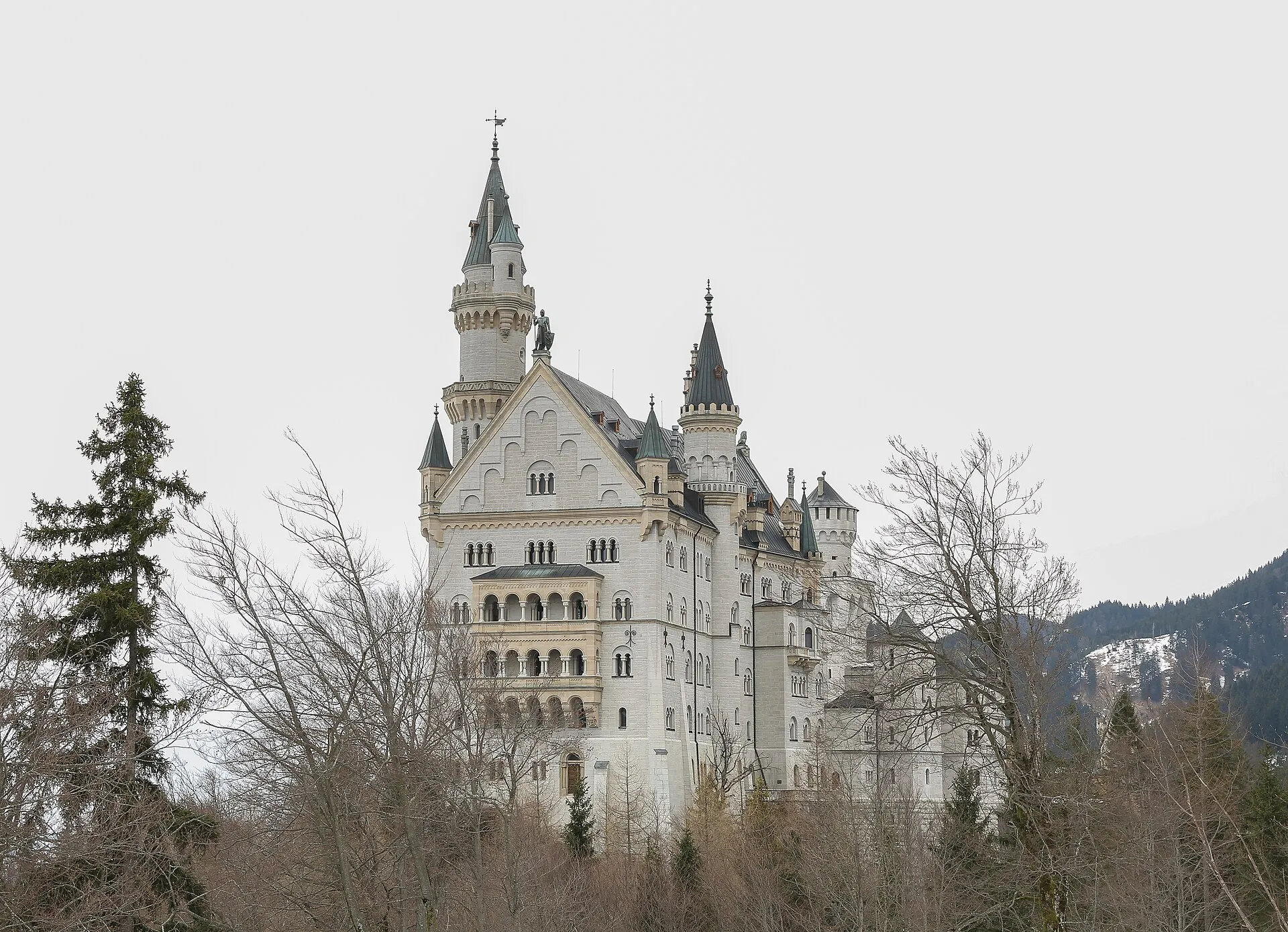
Germany has more fortified sites than any other European country; Ludwig II's fairy-tale Neuschwanstein alone draws around 1.4 million visitors a year and inspired Walt Disney's Sleeping Beauty Castle
65 km of castle-crowned Rhine gorge
The Upper Middle Rhine Valley between Bingen and Koblenz is a UNESCO cultural landscape studded with roughly 40 hilltop castles, terraced Riesling vineyards, and the legendary Lorelei rock
A beer purity law from 1516
The Bavarian Reinheitsgebot is often called the world's oldest food-safety regulation; today around 1,500 breweries keep Germany's brewing culture alive across thousands of distinct beers
Source: tour-guide.com — Free to cite with attribution
Season planner
A year in Germany
Use this best time to visit snapshot as a country-wide average, then check the city guides for local timing.
Mar-May
Spring
Spring holds up well for guided travel in Germany, averaging Mar-May (4/5).
Jun-Aug
Summer
Summer is Germany's strongest guide window — Jun-Aug (5/5) across its cities.
Sep-Nov
Autumn
Autumn stays workable in Germany at Sep-Nov (3/5), so lean on city-by-city timing.
Dec-Feb
Winter
Winter is Germany's quietest stretch at Dec-Feb (2.3/5) — plan narrower, local days.
Where should you go in Germany?
The Capital
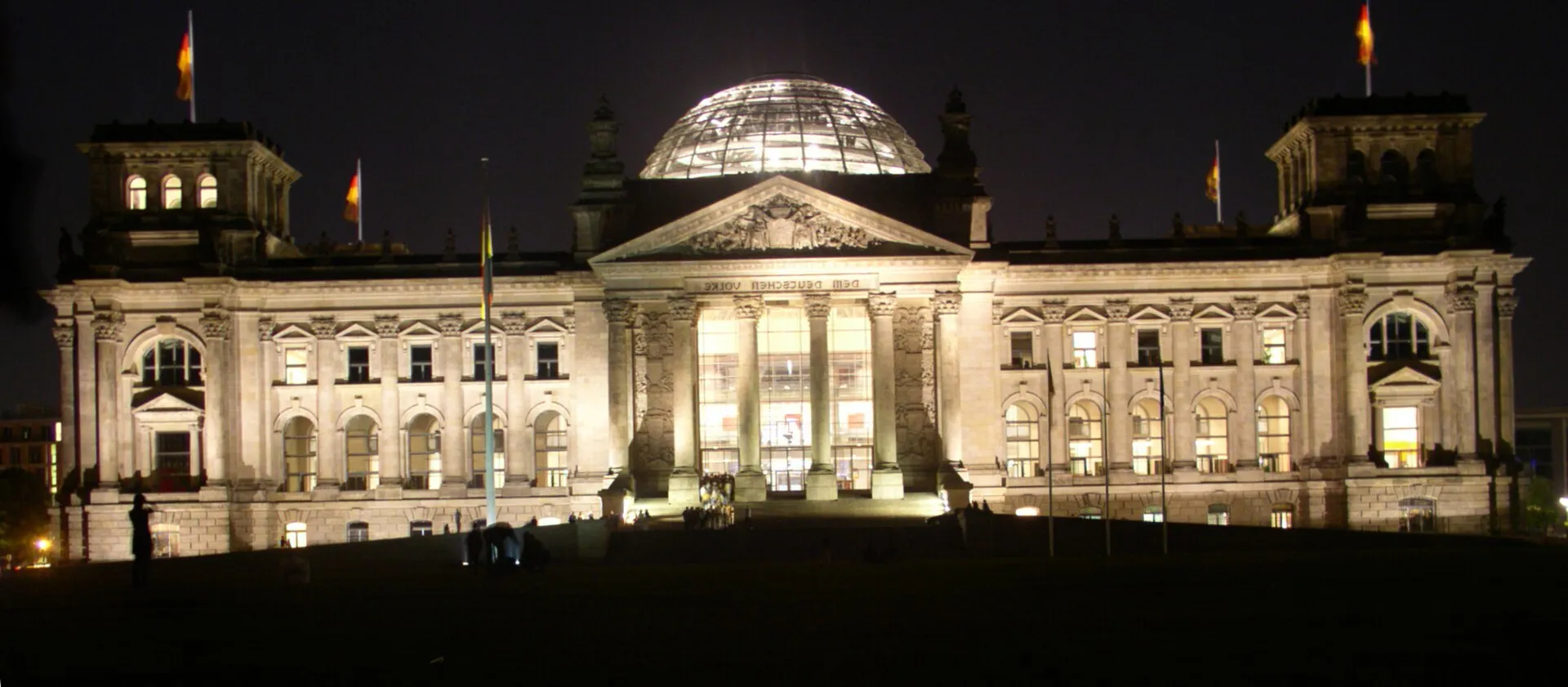
Berlin is the country's biography written in a single city. Prussian kings laid out its boulevards, the Kaiser's empire crowned it a capital, the Nazis staged their terror from its ministries, and the Berlin Wall split it in two for twenty-eight years before crowds tore it down in 1989. Today the Brandenburg Gate stands as the emblem of reunification, Norman Foster's glass dome caps the restored Reichstag, and the Berlin Wall Memorial on Bernauer Straße preserves a stretch of the death strip exactly as it was. A short walk south, Museum Island gathers five world-class collections on one bend of the Spree. First-time visitors will find our Berlin trip-planning guide a useful place to start.
Bavaria & the South
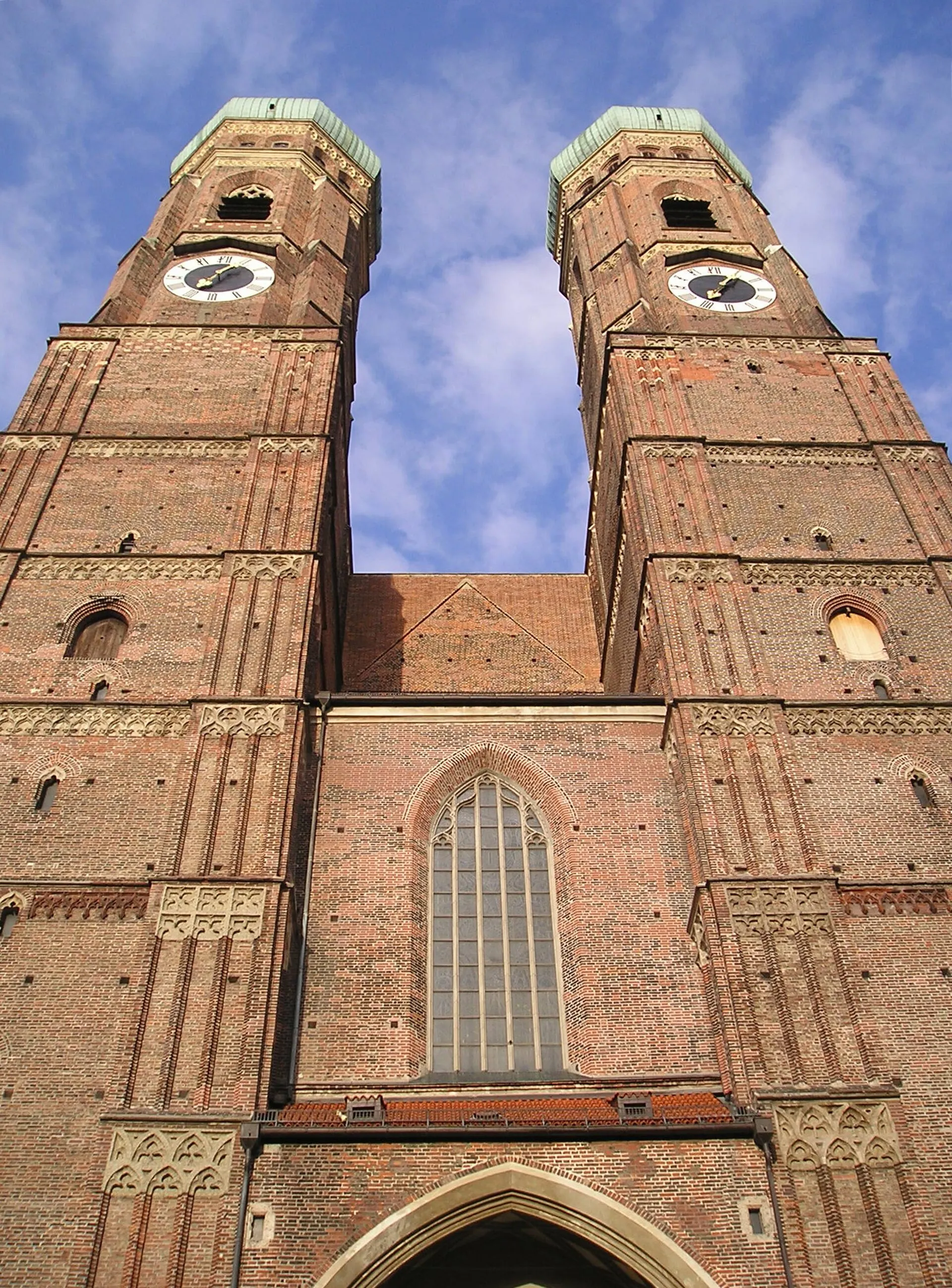
Bavaria guards Germany's most photographed traditions. In Munich, the twin onion domes of the Frauenkirche rise over a city that turns beer into ceremony — nowhere more so than the 16th-century Hofbräuhaus and the vast tents of Oktoberfest, the world's largest folk festival. The Glockenspiel on Marienplatz still clatters through its medieval pageant late each morning. An hour south, the Alps rise abruptly, and the "mad" King Ludwig II's Neuschwanstein Castle floats above the pine forests — the palace that inspired Walt Disney's own.
The North
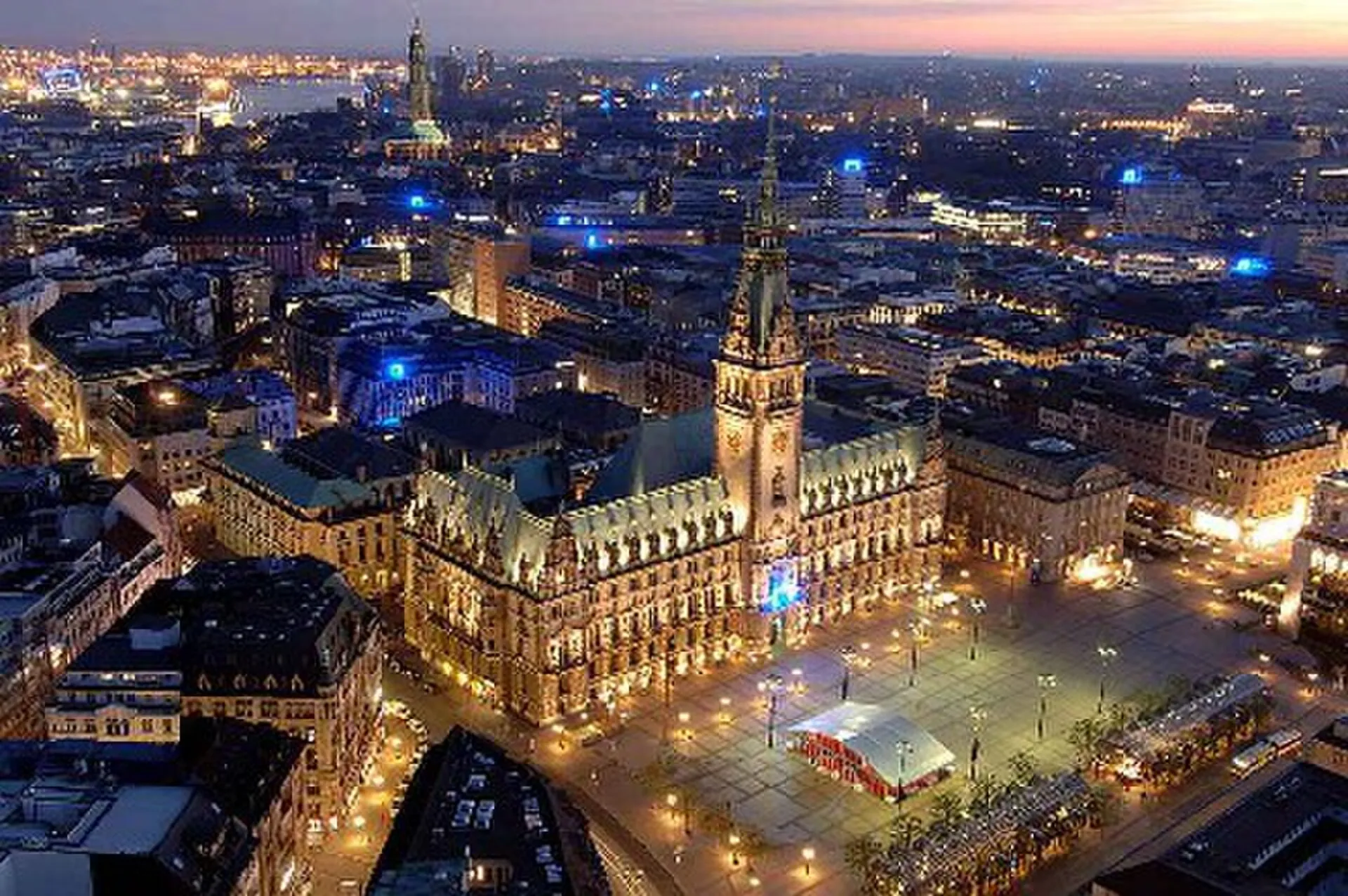
Northern Germany keeps a cooler, saltier temperament. Hamburg, a proud Hanseatic free city and Europe's third-busiest port, laces its centre with more canals and bridges than Venice and Amsterdam combined. The red-brick warehouse district of Speicherstadt — a UNESCO World Heritage Site best seen from the water on a Port of Hamburg cruise — now shelters museums, coffee roasters, and the record-breaking Miniatur Wunderland, while the wave-crested Elbphilharmonie concert hall has given the maritime skyline a soaring new landmark. In every one of these cities a local guide is what connects the grand set-pieces to the quiet courtyards where everyday German life actually unfolds.
Must-see attractions across Germany
The shortlist below gathers Germany's most-visited sights into one place, each linked to its home city and ready for a guided deep-dive.
What do visitors need to know about Germany?
Finding a Guide
- City tourism offices issue their own licensed-guide rosters; look for the IHK (Chamber of Commerce) certification that signals vetted, professional training.
- Free walking-tour companies (tips-based) and established booking platforms run reliable English-language group departures in every major city.
- Hotels and concierges can arrange specialist guides for WWII and Cold War history, Bauhaus and modern architecture, or beer and food culture.
- The Bundesverband der Gästeführer maintains a nationwide directory of certified professional guides.
Typical Costs
| Tour Type | Price Range |
|---|---|
| Free walking tour (tips-based, 2–3 hrs) | €10–15 typical tip |
| Group tour (2–3 hrs) | €20–35 per person |
| Private half-day (up to 6) | €150–280 |
| Private full-day (up to 6) | €300–550 |
| Specialist guide (WWII, architecture, beer) | €350–600 per day |
Getting Around
Germany's Deutsche Bahn network makes city-hopping effortless: sleek ICE trains link Berlin, Hamburg, and Munich at up to 300 km/h, and the flat-rate Deutschland-Ticket covers all regional trains, trams, buses, and U-Bahn/S-Bahn services nationwide for one monthly fare — unbeatable value on a multi-city trip. Within cities, public transport is punctual and dense, and Germany is famously cyclist-friendly with rental stations everywhere. Carry some cash: many Biergärten, bakeries, and market stalls remain cash-preferred despite the country's efficiency elsewhere.
Must-See Experiences
- Brandenburg Gate & Berlin Wall Memorial — Essential Cold War history with expert context
- Neuschwanstein Castle — Fairy-tale palace that inspired Disney's castle
- Hofbräuhaus beer-hall culture — Munich's legendary brewing heritage since 1589
- Museum Island — Five world-class museums on a UNESCO-listed island
- Christmas markets — Historic Weihnachtsmärkte in Nuremberg, Dresden, and across the country
- Automotive museums — Mercedes-Benz, BMW, and Porsche collections for car enthusiasts
When to Go
- May–September brings warm, long days ideal for Rhine cruises, Alpine hiking, and beer-garden evenings.
- Late September–early October means Oktoberfest in Munich — book lodging six-plus months ahead.
- December is the season of the Weihnachtsmarkt; our guide to Europe's Christmas markets covers Munich and beyond.
- April and October are quiet shoulder months with mild weather and thin crowds at castles and museums.
Good to Know
- Language — English is widely spoken in cities, but a guide adds essential historical and cultural context in smaller towns and rural regions.
- Tipping — round up restaurant bills, tip €5–10 for group tours, or 10% for private guides.
- Museum passes — most big cities sell multi-day museum cards with skip-the-line benefits; entry fees are usually separate from guide costs.
- Book ahead — reserve summer and Christmas-market-season (Nov–Dec) guides four to six weeks in advance.
- Pricing note — Berlin and Munich run roughly 15–20% higher than smaller cities.
Frequently Asked Questions
What is the best time of year to visit Germany?
May through September brings warm weather ideal for Rhine Valley cruises, Bavarian hiking, and Berlin's open-air cultural scene. December is magical for traditional Weihnachtsmarkt Christmas markets in Nuremberg, Dresden, and Cologne. Shoulder months like April and October offer mild weather with smaller crowds at major museums and castles.
How much does a private tour guide cost in Germany?
Free walking tours: tips-based, €10–15 typical (2–3 hours). Group tours: €20–35 per person. Private half-day: €150–280 (up to 6 people). Private full-day: €300–550. Specialist guides for WWII history, architecture, or beer culture: €350–600 per day.
Do I need to speak the local language to travel in Germany?
Many Germans speak functional English, particularly in cities and tourist areas, but rural regions and smaller towns rely heavily on German. A guide bridges the gap at local Biergärten, navigates regional dialects from Bavarian to Plattdeutsch, and provides essential context for Germany's layered history — from medieval cathedrals to Cold War memorials in Berlin.
How do I travel between German cities?
Germany has one of Europe's best inter-city rail networks. ICE high-speed trains link Berlin, Hamburg, Munich, and the Rhineland in a few comfortable hours, reaching up to 300 km/h, while the flat-rate Deutschland-Ticket covers every regional train, tram, and bus in the country for a single monthly fare. Book ICE tickets early through Deutsche Bahn for the cheapest Sparpreis saver fares, and reserve seats on popular routes and holiday weekends.
Which German cities should first-time visitors prioritise?
Most first-time itineraries pair Berlin — for 20th-century history and Museum Island's antiquities — with Munich for Bavarian tradition, beer-hall culture, and the nearby Alps. Add Hamburg for maritime character or the Rhine Valley for castles and Riesling vineyards. A week comfortably covers two cities plus a day trip such as Neuschwanstein Castle; a local guide in each place ties the sights back to the wider German story.