
Country guide
What makes Norway a must-visit destination?
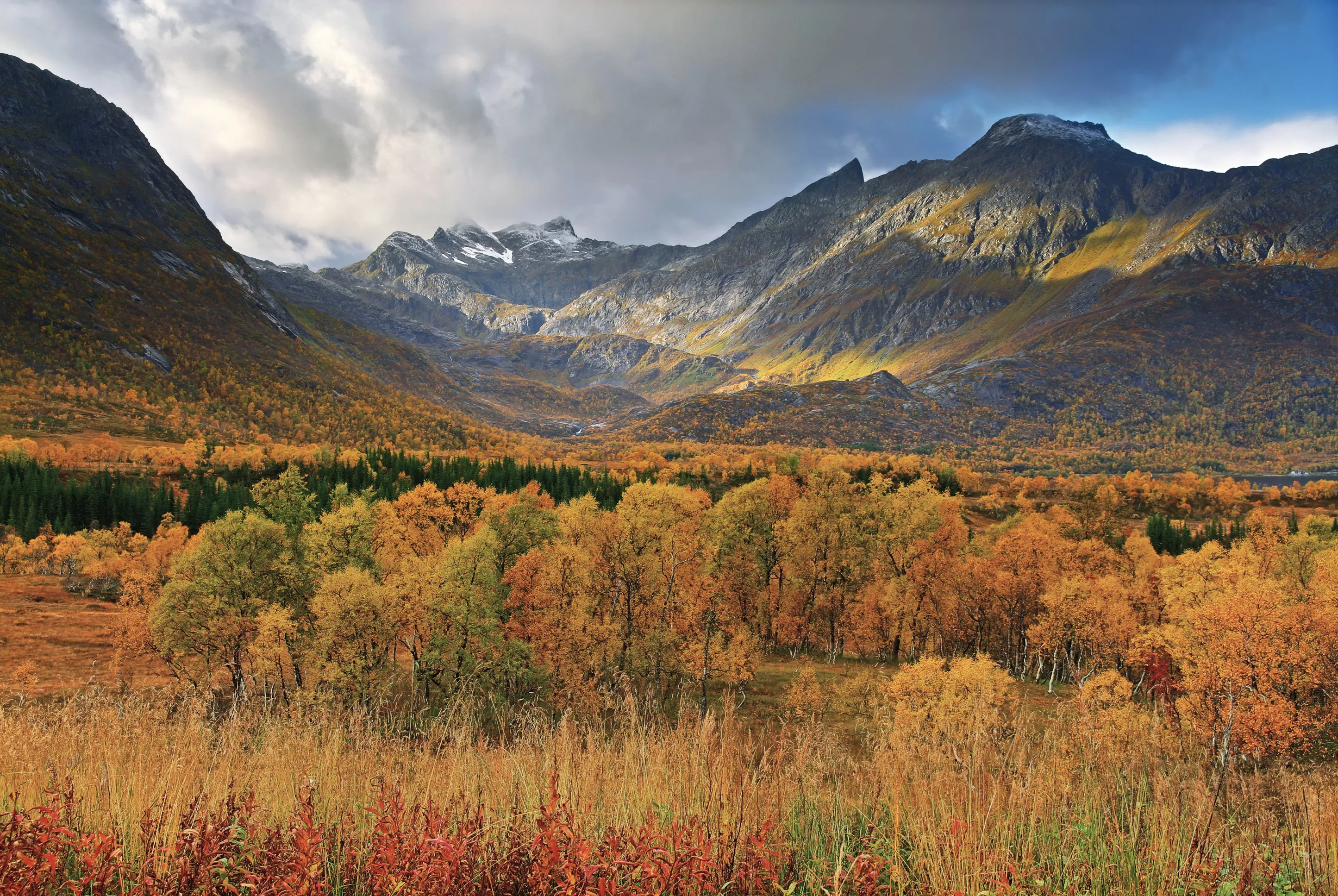
Norway stretches from the latitude of Scotland's northern coast to well above the Arctic Circle, packing an extraordinary range of landscapes and human history into a country of just 5.5 million people. The western fjords — carved by glaciers over millions of years and now protected as UNESCO World Heritage landscapes — are the defining image, with sheer cliff walls dropping a kilometre into still, dark water while cruise ships and kayaks share the same improbable corridors. But Norway is far more than scenery.
Oslo holds three of the world's finest collections of Viking material culture within a single peninsula, plus a contemporary arts scene centred on the dramatic waterfront Opera House and the newly expanded Munch Museum. Bergen, the country's second city and the traditional gateway to the fjords, preserves a medieval Hanseatic wharf recognised by UNESCO since 1979. Further north, Tromsø sits 350 kilometres above the Arctic Circle, making it the world's most accessible city for witnessing the Northern Lights in comfort. Trondheim anchors Norway's medieval heart with Nidaros Cathedral — Scandinavia's largest Gothic church and the traditional coronation site of Norwegian monarchs. Stavanger blends Norway's oil-wealth modernity with some of the continent's most dramatic hiking at Pulpit Rock, while Ålesund offers the unexpected pleasure of a town rebuilt entirely in Art Nouveau style after a catastrophic 1904 fire.
A knowledgeable local guide does more than point at landmarks. In Norway, guides decode the friluftsliv philosophy that sends Norwegians outdoors in all weather, explain the cultural weight of the Viking Age in a society that treats its Norse heritage as living identity rather than distant history, and navigate the country's notoriously expensive pricing to help visitors find genuine value. Whether you're chasing the aurora in February or hiking above the tree line in July's endless light, Norway rewards those who understand what they're looking at.
- Language
- Norwegian Widely spoken across Norway
- Currency
- Norwegian krone (kr) Legal tender across Norway
- Time zone
- UTC+1 (CET) Local time in Norway
- Power plugs
- Types C, F · 230V Sockets used across Norway
- Getting around
- Rail, ferries & coastal boats Getting between Norway's cities
- Best months
- Apr, May, Jun, Jul, Aug, Sep Averaged across Norway's city ratings
Norway timeline
-
Unification tradition
Harald Fairhair traditions anchor the early kingdom story behind coastal and royal sites.
-
Stiklestad tradition
The battle and Saint Olav memory shaped Christian kingship and pilgrimage stories.
-
Constitution at Eidsvoll
The constitution became a central marker of modern Norwegian political identity.
-
Independence from Sweden
Norway became fully independent, reshaping Oslo and national institutions.
-
North Sea oil found
Ekofisk discovery transformed Norway's economy, cities, and modern national story.
-
Lillehammer Olympics
The Winter Games strengthened Norway's global image for alpine and outdoor travel.
Local context
Culture and travel signals
Norway has more electric vehicles per capita than any country on earth
More than 25% of all registered passenger cars in Norway are fully electric, driven by generous government incentives including toll exemptions, free parking, and reduced ferry fares — a striking contrast to the country's identity as one of the world's largest petroleum exporters
The Norwegian fjords cover roughly 25% of Norway's total land area
Over 1,190 named fjords indent Norway's 25,000-kilometre coastline, with the Sognefjord reaching 204 kilometres inland and 1,308 metres below sea level — deeper than most of the North Sea itself. The western fjords earned UNESCO World Heritage status in 2005
Norway was the first country to unify the Scandinavian peninsula under a single king, around 872 CE
Harald Fairhair's victory at the Battle of Hafrsfjord — fought within sight of modern Stavanger — created the first Norwegian kingdom, launching a Viking Age that would see Norse settlers reach Iceland, Greenland, and North America centuries before Columbus
The Oslo region alone has more Viking Age ship burials than any other area on earth
Three extraordinary vessels — the Oseberg, Gokstad, and Tune ships — were recovered from burial mounds within a short radius of Oslo, each entombing a royal or noble figure surrounded by everyday objects that now form the richest source of Viking material culture in existence
Source: tour-guide.com — Free to cite with attribution
Season planner
A year in Norway
Use this best time to visit snapshot as a country-wide average, then check the city guides for local timing.
Mar-May
Spring
Spring stays workable in Norway at Mar-May (3.7/5), so lean on city-by-city timing.
Jun-Aug
Summer
Summer is Norway's strongest guide window — Jun-Aug (5/5) across its cities.
Sep-Nov
Autumn
Autumn stays workable in Norway at Sep-Nov (3.3/5), so lean on city-by-city timing.
Dec-Feb
Winter
Winter is Norway's quietest stretch at Dec-Feb (2.7/5) — plan narrower, local days.
Where should you go in Norway?
The Capital
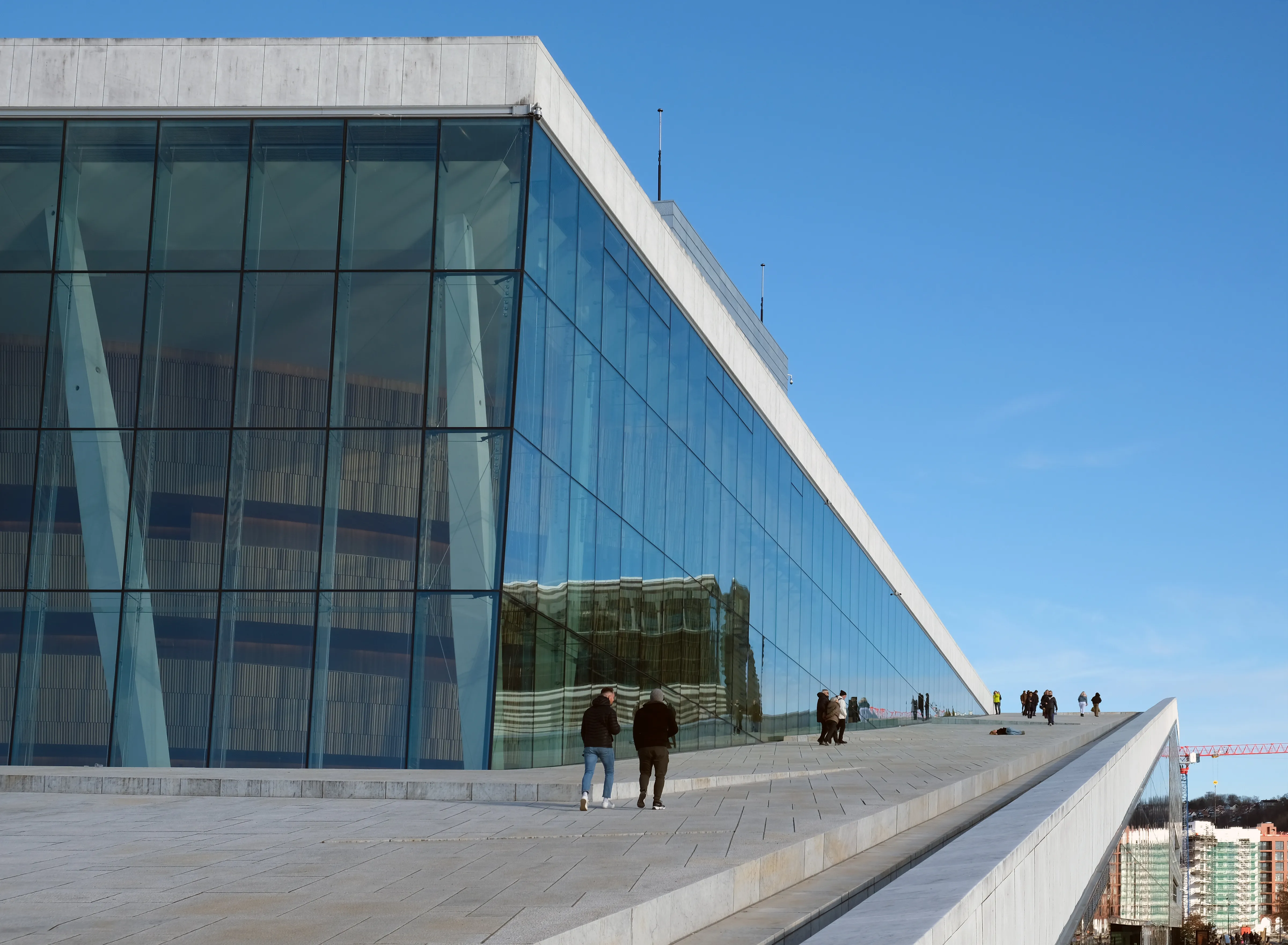
Oslo anchors the southern Oslofjord region, pairing world-class Viking Age collections at the Viking Ship Museum with the contemporary drama of the waterfront Opera House, the vast green corridors of the Nordmarka forest just minutes from the city centre, and the free open-air sculpture experience of Vigeland Sculpture Park. The city's compact centre makes it easily walkable, with tram and metro lines extending to outer neighbourhoods and fjord swimming spots.
Western Fjords
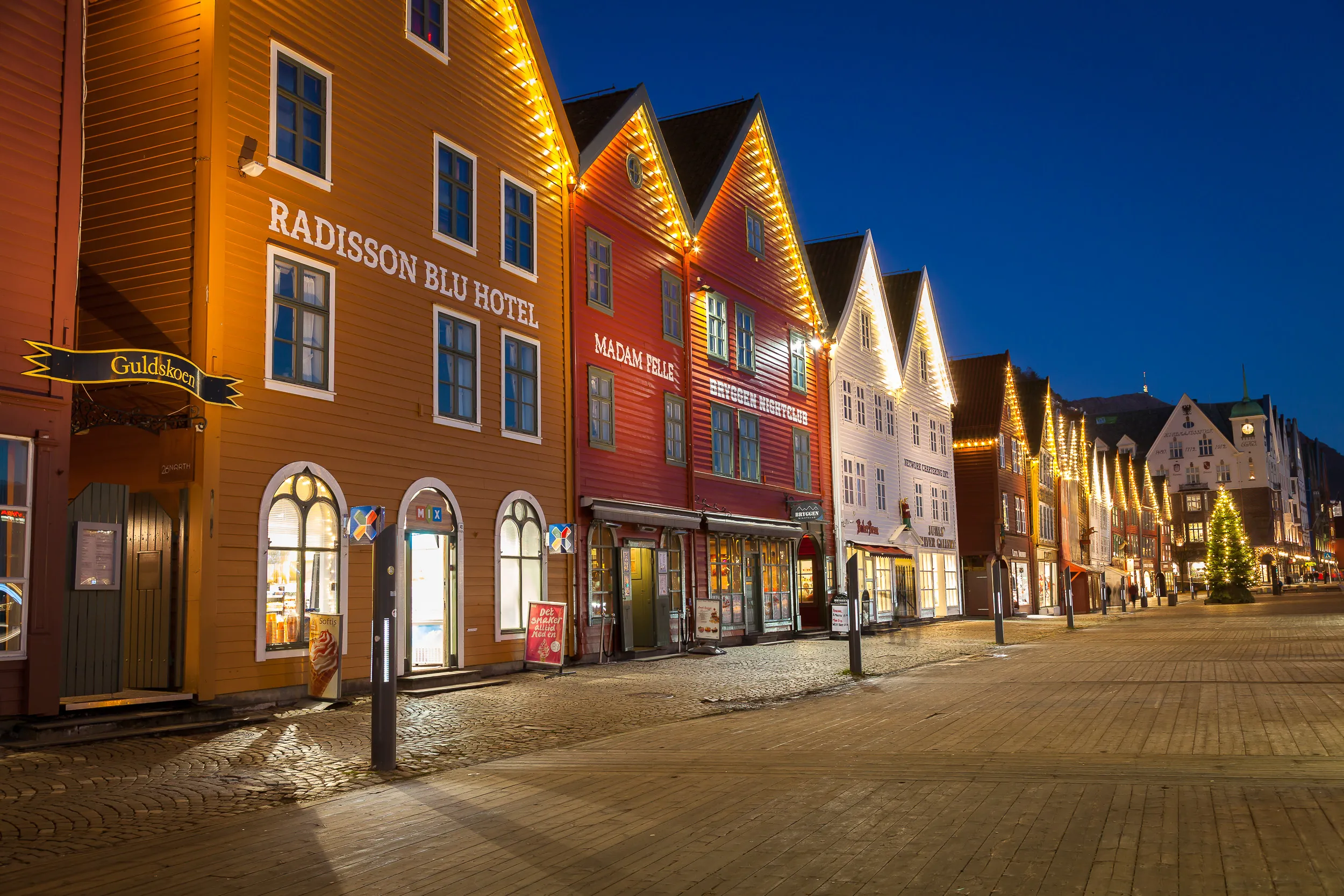
Bergen serves as the natural gateway to Norway's fjord country, with the UNESCO-listed Bryggen wharf lining its harbour and Mount Fløyen rising behind the city for panoramic views of the seven surrounding mountains. The Norway in a Nutshell route — train over the Hardangervidda plateau, the Flåm railway descent, and fjord ferry — begins here and remains the most celebrated day excursion in the country. Bergen itself receives more rain than almost any other European city, giving the surrounding landscape an almost supernatural green intensity.
Arctic North
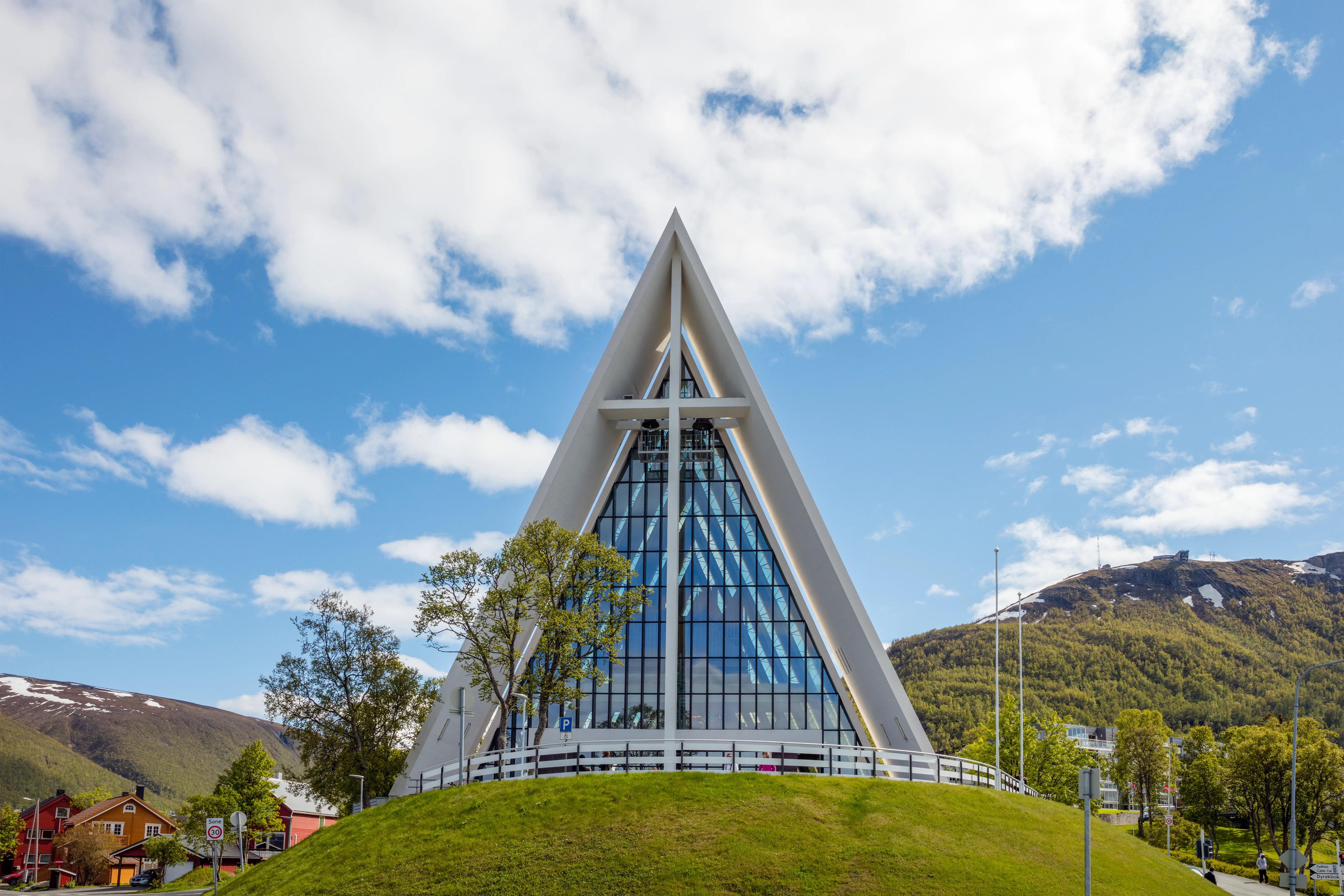
Tromsø is where Norway's Arctic identity is most fully felt — a university city of 77,000 people that functions as the world's most accessible aurora tourism hub from October through March, then flips to midnight sun cruises and wildlife safaris in summer. The dramatic Arctic Cathedral (Ishavskatedralen) on the east bank of the Tromsøsund is the city's architectural signature.
Central Heritage
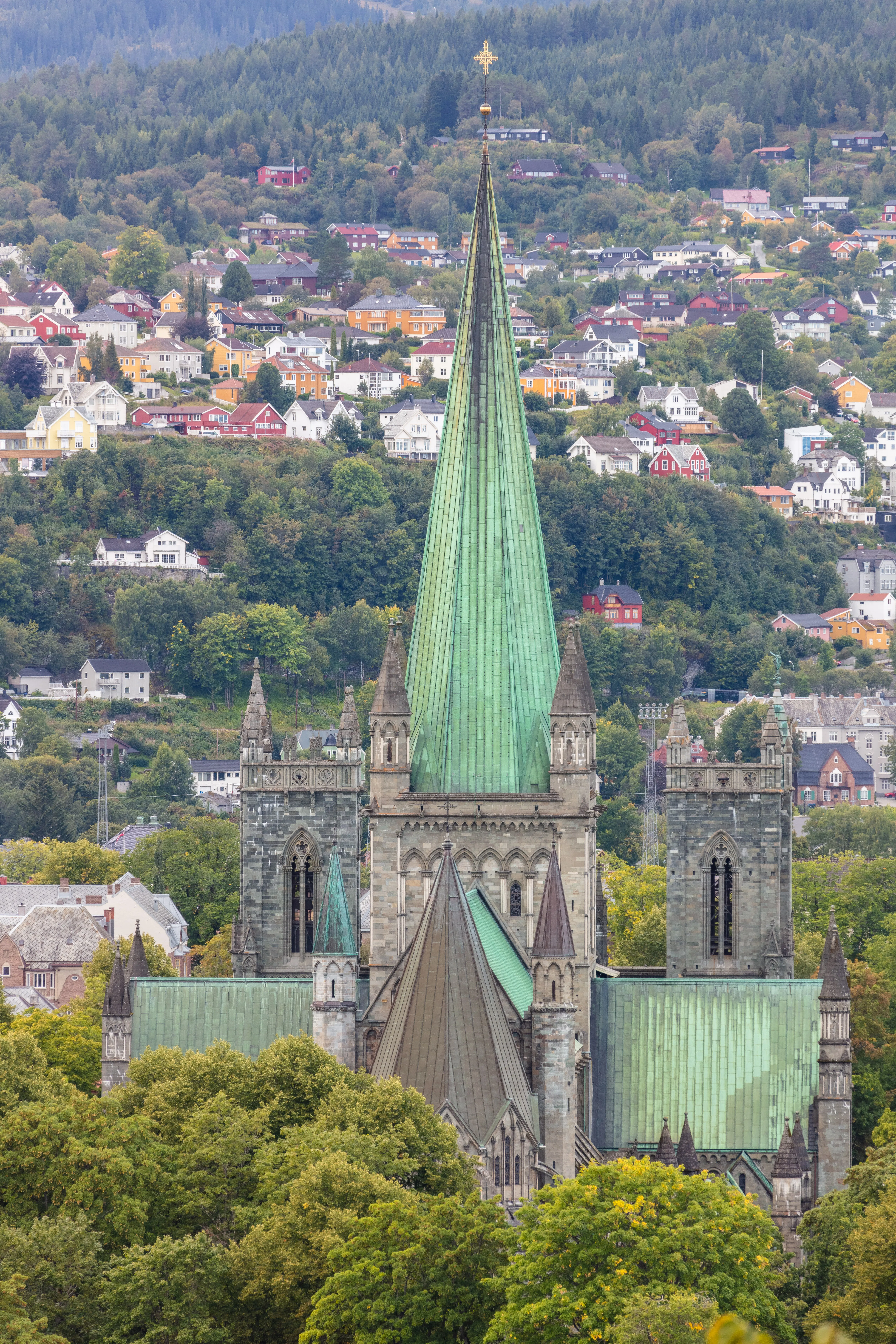
Trondheim draws pilgrims, historians, and architecture lovers to Nidaros Cathedral, whose Gothic west facade rivals anything in northern Europe and whose crypt holds the remains of King Olav Haraldsson, Norway's patron saint. The surrounding Bakklandet quarter — wooden coloured warehouses along the Nidelva river — offers the most photogenic café culture in Norway.
Oil Country & Dramatic Hiking
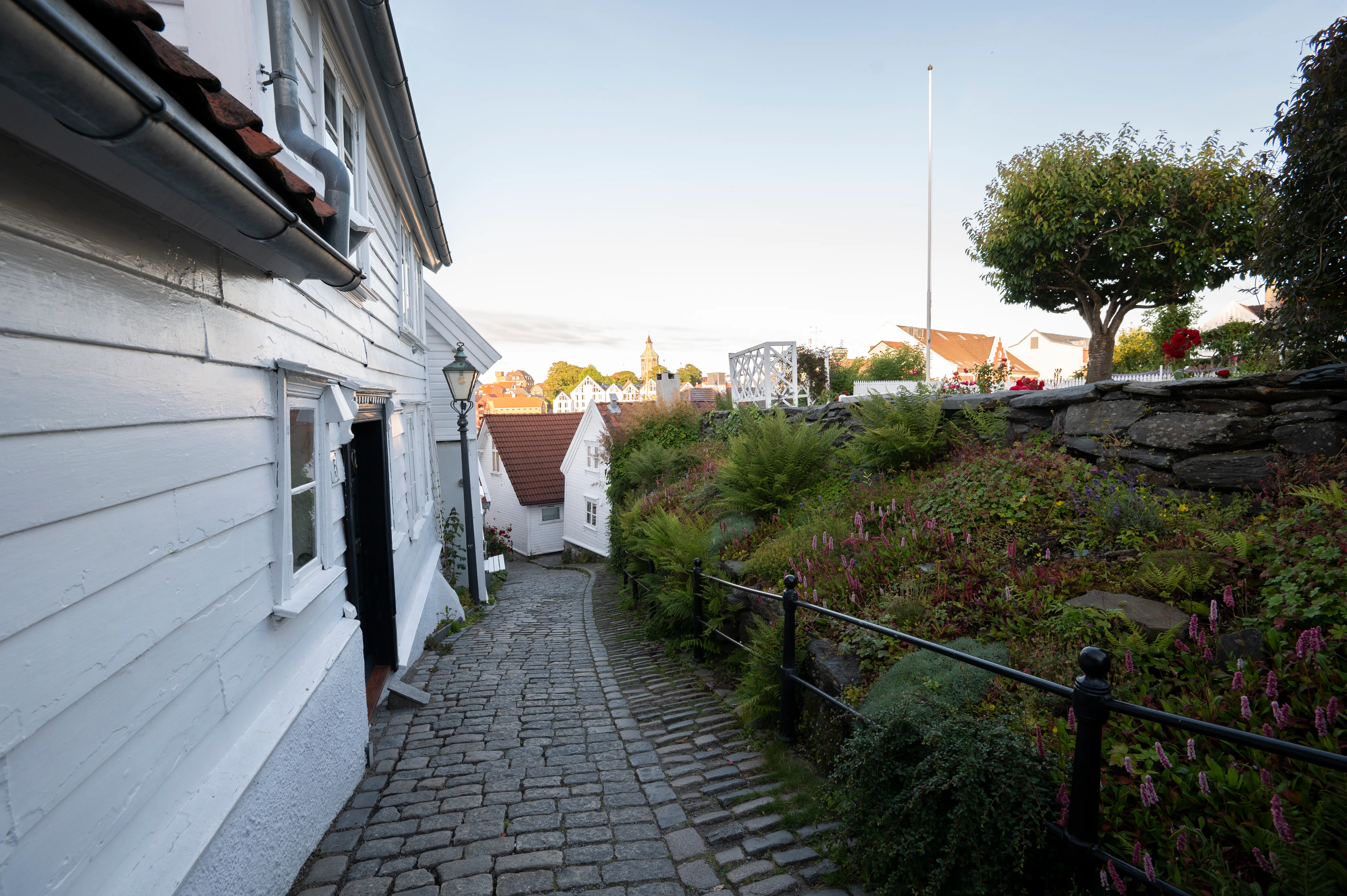
Stavanger balances its identity as Norway's oil capital with the raw adventure of Lysefjord — a 42-kilometre fjord arm whose walls rise to the famous Preikestolen (Pulpit Rock) plateau 604 metres above the water. The city's Gamle Stavanger district preserves the largest collection of wooden 18th-century buildings in northern Europe.
Art Nouveau on the Fjords
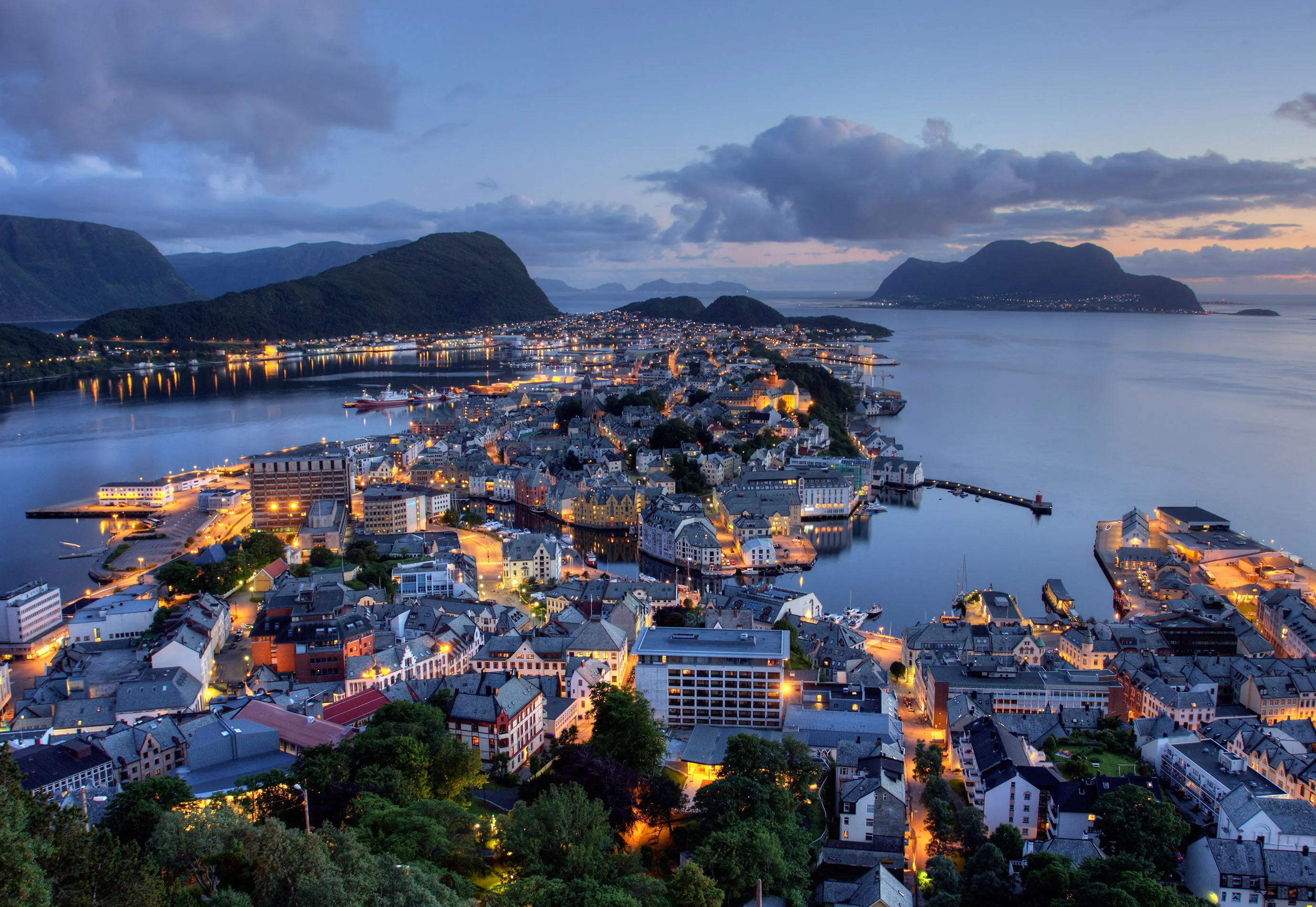
Ålesund stands apart from every other Norwegian city architecturally: almost entirely rebuilt between 1904 and 1907 after a fire destroyed the old wooden town, it emerged as a coherent expression of Jugendstil (Art Nouveau), with the city's island setting and mountain backdrop making it arguably the most visually striking townscape in the country. It is also the ferry terminus for the Geirangerfjord, one of Norway's two UNESCO-listed fjord landscapes.
Must-see attractions across Norway
Jump past the planning and straight to what makes Norway memorable, city by city. A guided visit is where the specifics click into place.
What do visitors need to know about Norway?
Finding a Guide
- Norwegian Guides Association (Norges Turistguiders Forbund) maintains a national directory of state-licensed guides organised by region and specialisation.
- Local tourist offices in Oslo, Bergen, and Tromsø operate booking desks for licensed guides and can match visitors with specialists in Viking history, ornithology, geology, or culinary tours.
- GetYourGuide and Viator list pre-bookable group tours and private experiences for all major cities and fjord regions.
- Fjord boat operators in Bergen and Flåm typically provide commentary on board — look for those who carry International Mountain Leader (IML) or IML+ certifications for hiking-combined itineraries.
Typical Costs
| Tour Type | Price Range |
|---|---|
| Group city walking tour (2 hrs, tips-based) | NOK 100–200 tip customary |
| Group city tour (2–3 hrs, ticketed) | NOK 300–600 per person |
| Private half-day guide (up to 6) | NOK 2,000–4,500 |
| Private full-day guide (up to 6) | NOK 4,000–7,500 |
| Northern Lights excursion (minibus, 3–4 hrs) | NOK 1,200–2,000 per person |
| Fjord day trip with guided commentary | NOK 1,200–1,800 per person |
Must-See Experiences
- Viking Ship Museum — Three 1,200-year-old ships, the greatest collection of Viking material culture on earth
- Vigeland Sculpture Park — 212 sculptures by Gustav Vigeland, free entry, always open
- Bryggen Wharf — UNESCO Hanseatic merchant quarter at the heart of Bergen's harbour
- Mount Fløyen — Funicular to 320 metres above Bergen with views of all seven mountains
- Preikestolen (Pulpit Rock) — 604-metre clifftop plateau above Lysefjord near Stavanger
- Northern Lights in Tromsø — Best viewed October–March, ideally with a guide who knows the forecasts
- Geirangerfjord — The most dramatic of Norway's fjords, a UNESCO World Heritage site near Ålesund
- Nidaros Cathedral, Trondheim — Scandinavia's largest medieval church, coronation site of Norwegian kings
Tips for Visitors
- Book accommodation early — Norway's peak season (June–August) fills popular fjord hotels months in advance
- Husky tipping — Tipping is not culturally obligatory in Norway but is appreciated for exceptional service; NOK 50–100 per person for guide tips is appropriate
- Norway in a Nutshell — Book the Bergen–Myrdal–Flåm–Gudvangen–Voss–Bergen circuit online well in advance in summer
- Public transport — NSB trains connect Oslo to Bergen (7 hrs), Trondheim (6.5 hrs), and Stavanger (8 hrs); regional buses reach smaller fjord villages
- Ferry culture — Ferries are an integral part of Norwegian transport, not just tourist excursions; the Hurtigruten coastal route runs from Bergen to Kirkenes year-round
- Weather layers — Even summer hiking requires waterproofs and extra layers; Norwegian weather changes rapidly at altitude and above the Arctic Circle
Frequently Asked Questions
When to visit Norway — Northern Lights or midnight sun?
Norway offers two entirely different spectacles depending on the season. Northern Lights (aurora borealis) appear from late September through March, with the best displays in January and February when polar nights are longest — Tromsø is the premier base, sitting well above the Arctic Circle. The midnight sun runs from late May through mid-July, when the sun never fully sets north of the Arctic Circle and fjord hiking continues at 2 AM in full daylight. Bergen and the western fjords are most rewarding from May through August, while Oslo is enjoyable year-round with a distinct charm in snow-dusted December. Most visitors choose one phenomenon or the other; the two seasons rarely overlap.
How much does a guided tour cost in Norway?
Norway is among Europe's most expensive countries, and guide rates reflect that. Group walking tours in Oslo and Bergen run NOK 300–500 (roughly €25–45) per person for a two-hour city walk. Private half-day guides in the capital cost NOK 2,000–4,000 for groups of up to six. Specialised arctic experiences in Tromsø — Northern Lights chases by minibus, snowmobile, or boat — range from NOK 1,200–2,500 per person. Fjord day trips from Bergen including the Norway in a Nutshell route cost NOK 1,200–1,800 per person for guided packages. Booking directly through local guide associations is usually cheaper than international platforms.
Do I need Norwegian to travel in Norway?
English is spoken almost universally in Norway — it is taught from age six in schools and used routinely in business, tourism, and daily life. Visitors rarely encounter a language barrier in cities or at major attractions. That said, a local guide adds layers of understanding that go well beyond translation: Norwegian culture prizes friluftsliv (outdoor life), janteloven (social egalitarianism), and a deep pride in Viking heritage that shapes everything from museum curation to the way Norwegians discuss their oil wealth. A guide can explain why Vigeland Sculpture Park is free entry despite being the world's largest single-artist sculpture installation, or why the same nation that drove cod fishing for centuries now leads the world in electric vehicle adoption.