
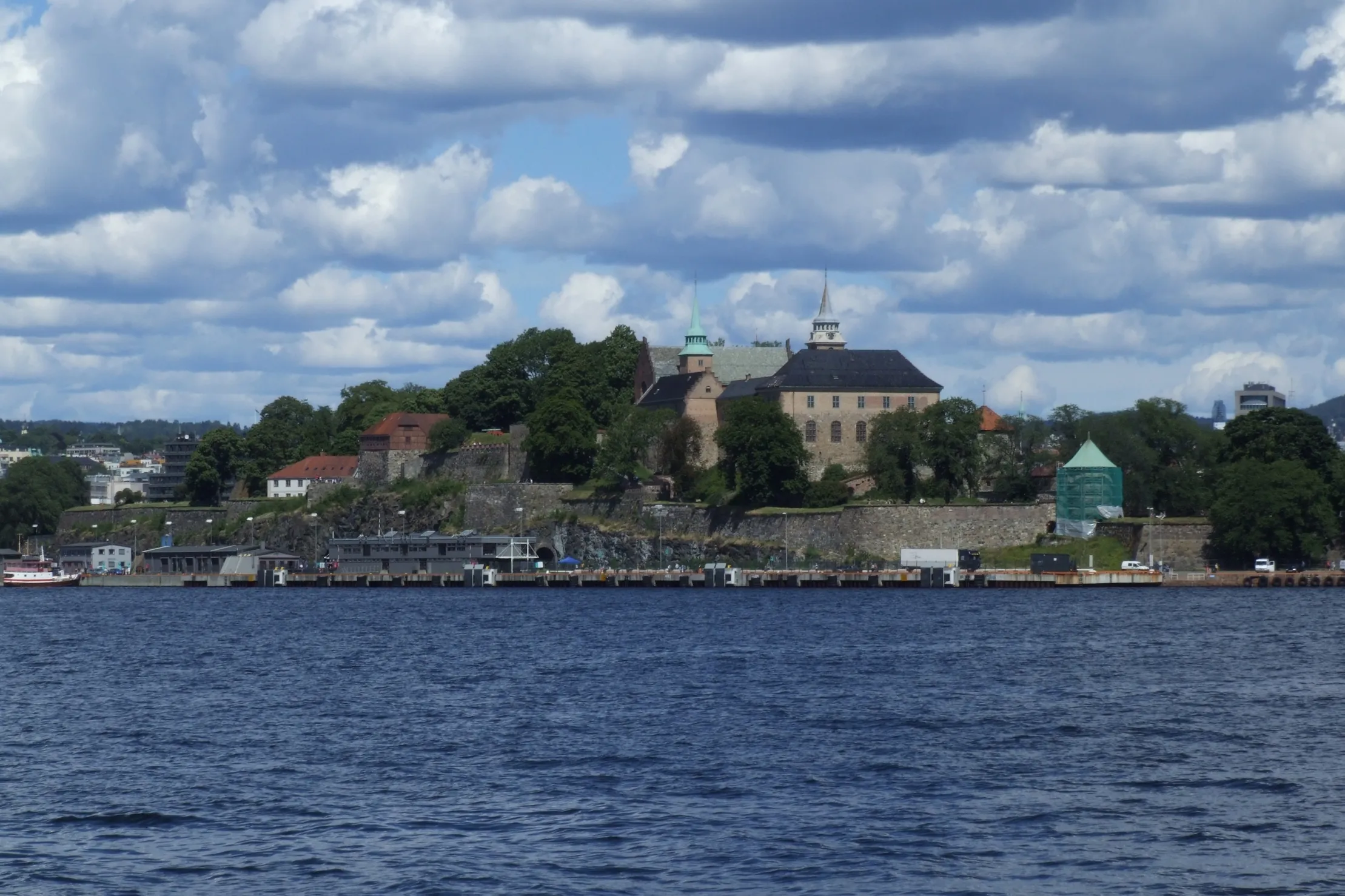
Tips for Visitors
The fortress grounds are free and excellent for a self-guided evening walk — the cannon batteries above Aker Brygge offer some of the finest harbour views in Oslo and are uncrowded after 5 PM. The Resistance Museum can be emotionally demanding; allow extra time and avoid rushing it. Castle tours in English depart daily in summer at noon and 2 PM from the castle courtyard — no advance booking required. The fortress is 10 minutes on foot from the central station (Oslo S) along the harbour promenade. Military ceremonies occasionally close parts of the grounds; check the calendar if visiting on significant dates. The area between the fortress walls and Aker Brygge waterfront is one of Oslo's most pleasant walks along the fjord.
When to Visit
Fortress grounds: Open daily, year-round, free entry. Daylight hours; gates close at varying times by season (typically 9 PM in summer). Akershus Castle: Open May–August, 10 AM–4 PM Monday–Saturday, noon–4 PM Sunday; limited winter opening — verify on the castle's official website. Norwegian Resistance Museum: Open Tuesday–Sunday, 10 AM–5 PM (reduced hours in winter). Guided castle tours depart from the entrance daily in summer at set times; private guide tours can be arranged through Oslo Guidebureau. Allow 2–3 hours for fortress grounds, castle, and Resistance Museum combined.
Admission and Costs
Fortress grounds: Free, always. Akershus Castle: NOK 100 adults, NOK 60 children. Norwegian Resistance Museum: NOK 80 adults, NOK 40 children. Combined castle + museum: NOK 150 adults. The Oslo Pass covers both the castle and the Resistance Museum. Private guided tour of the castle and grounds (up to 6): NOK 1,800–3,000 (approximately 2 hours). Group walking tours including Akershus: NOK 300–500 per person.
The Case for a Guide
Akershus Fortress looks impressive from the outside — stone walls, towers, cannon batteries, harbour views. A guide who knows its 700-year history makes it significantly more than a photogenic backdrop.
- The Danish-Norwegian kings: Akershus was the seat of Danish royal authority in Norway for over 400 years, a period that shaped Norwegian language, culture, and national identity in ways still visible today. A guide traces the political history from the fortress ramparts where you can see the very fjord approach those Danish governors defended.
- The Resistance Museum in context: The museum's exhibits are well-curated but assume a level of knowledge about the Norwegian occupation that most non-Norwegian visitors don't have. A guide provides that context — explaining the Quisling government, the nature of everyday occupation, and why Norway's civilian resistance is considered particularly notable even by WWII standards.
- The execution grounds: Norwegian resistance fighters were executed by German firing squad in specific locations within the fortress. A guide identifies these spots and can name several of the individuals killed there — transforming the abstract horror of occupation into human biography.
- The royal mausoleum: Most visitors don't know the Norwegian royal family's burial chambers lie beneath the castle chapel, or that the modern Norwegian monarchy was established only in 1905 when Norway separated from Sweden. A guide brings this recent constitutional history alive in the context of a medieval fortress.
- The harbour view in history: Standing on the cannon batteries, a guide can explain exactly which naval threats each bastion was positioned to counter — Swedish, Danish, British — and why the fortress's role shifted over centuries from active defence to ceremonial presence.
Frequently Asked Questions
What is the difference between Akershus Fortress and Akershus Castle?
Akershus Fortress (Akershus festning) refers to the entire complex of defensive walls, bastions, and military buildings that surround the headland. Akershus Castle (Akershus slott) is the medieval stone castle at the fortress's core, which was built from around 1299 under King Haakon V, rebuilt as a Renaissance palace in the early 17th century, and now serves as the Norwegian royal family's official Oslo residence for state functions. The fortress grounds — ramparts, cannon batteries, and courtyards — are freely accessible; the castle interior requires a ticket and is best visited with a guided tour.
Why is Akershus Fortress important for WWII history?
During the German occupation of Norway (1940–1945), Akershus Fortress was taken over by the Gestapo and used as the headquarters for the German security forces in Oslo. Norwegian resistance fighters captured by the Gestapo were imprisoned and interrogated here; some were executed by firing squad in the fortress grounds. The Norwegian Resistance Museum (Norges Hjemmefrontmuseum) inside the fortress grounds tells this story in exceptional detail, documenting the organised civilian and military resistance against five years of Nazi occupation. It is one of the most moving WWII museums in Scandinavia.
Can I walk around the fortress for free?
Yes — the fortress grounds, including the rampart walks, cannon batteries, and harbour views, are freely accessible during daylight hours year-round. The stone bastions overlooking the Aker Brygge waterfront offer some of the finest views of Oslo harbour available anywhere in the city. Entry to Akershus Castle itself costs NOK 100 for adults. Entry to the Norwegian Resistance Museum costs NOK 80. The grounds are particularly atmospheric in the evening when the city lights reflect across the fjord below the walls.
Who is buried in the royal mausoleum at Akershus?
The Royal Mausoleum beneath the castle chapel holds the remains of several Norwegian monarchs and their families from the modern royal dynasty, including King Haakon VII (who led Norway's government in exile during WWII), Queen Maud, King Olav V, and King Harald V's parents. The mausoleum is accessible on guided castle tours and provides a direct link between Norway's medieval monarchy and its constitutional successor.