
Oslo timeline
-
Museum completed
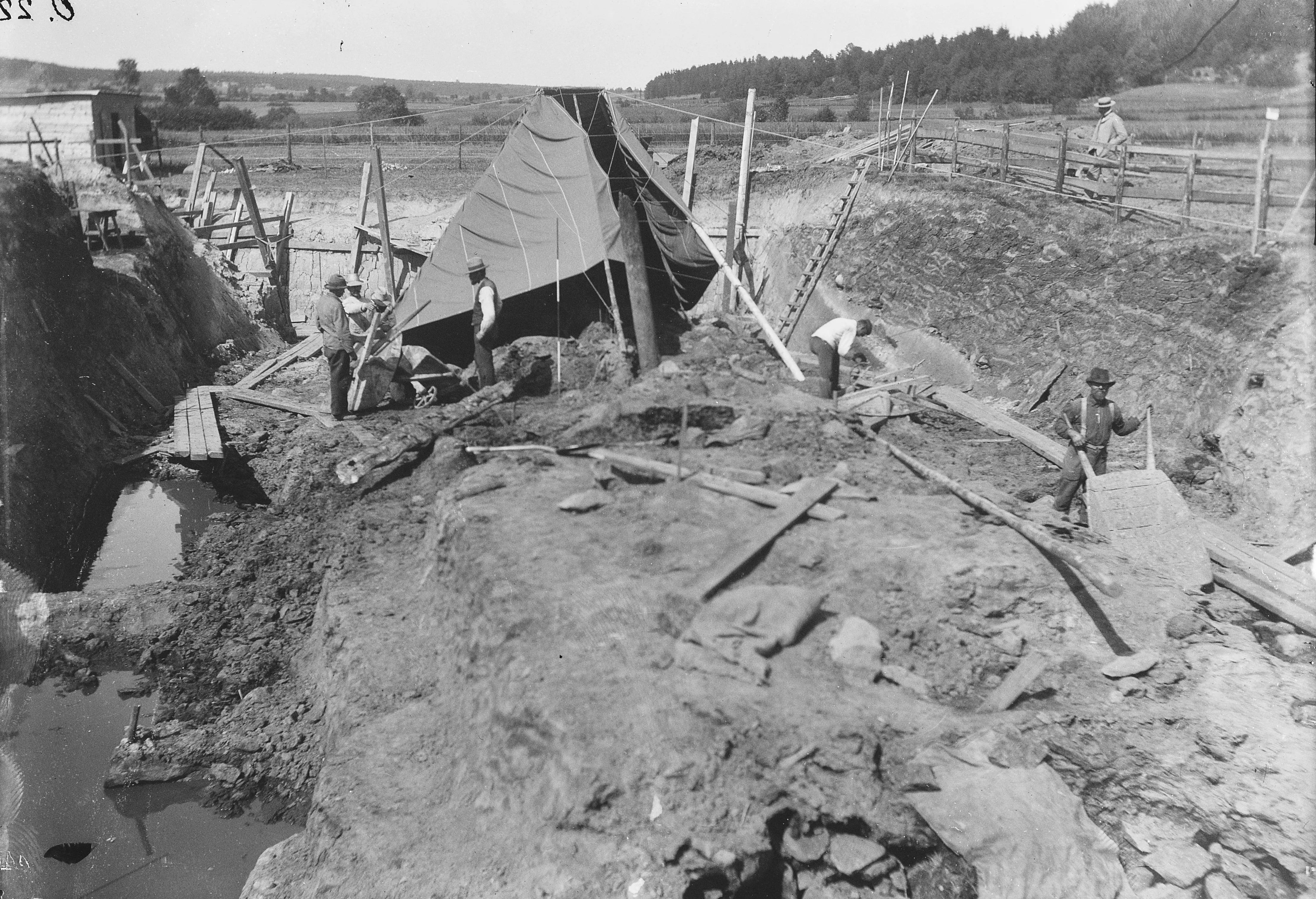
Built around 820 CE and buried as a royal grave in 834 CE, the Oseberg ship survived because its burial mound was sealed with clay before oxygen could reach the wood
-
Museum completed
Built around 820 CE and buried as a royal grave in 834 CE, the Oseberg ship survived because its burial mound was sealed with clay before oxygen could reach the wood
-
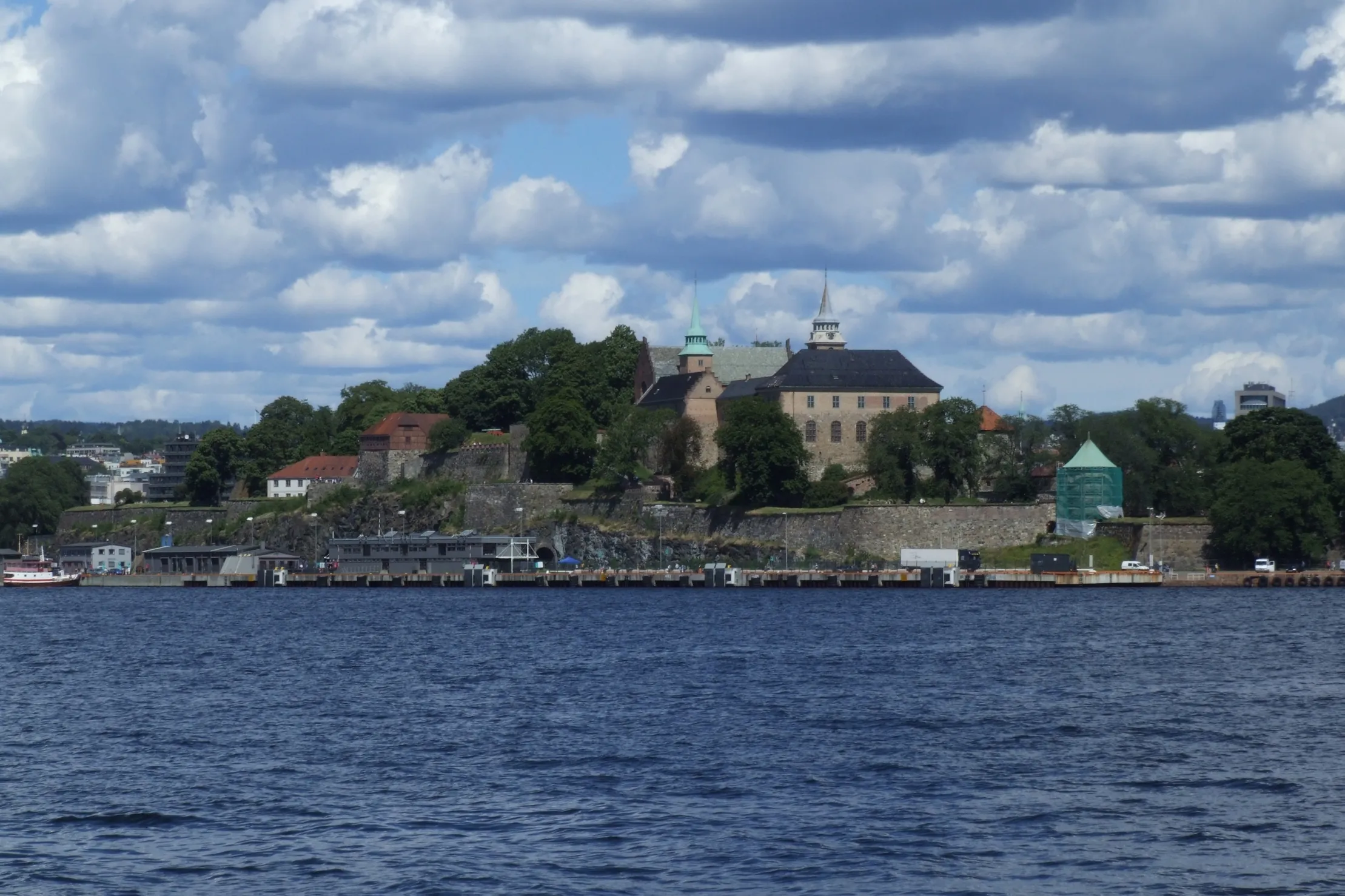
Akershus Fortress
— Medieval castle from 1299 with harbour views, WWII museum, and royal mausoleum.
Cited city facts
Key facts for visiting Oslo
The Oseberg Viking ship is over 1,200 years old and is the most ornately decorated vessel ever found in Scandinavia
Built around 820 CE and buried as a royal grave in 834 CE, the Oseberg ship survived because its burial mound was sealed with clay before oxygen could reach the wood — giving the Viking Ship Museum a 70%-intact hull whose carved animal-head prow remains one of the most extraordinary objects in medieval art
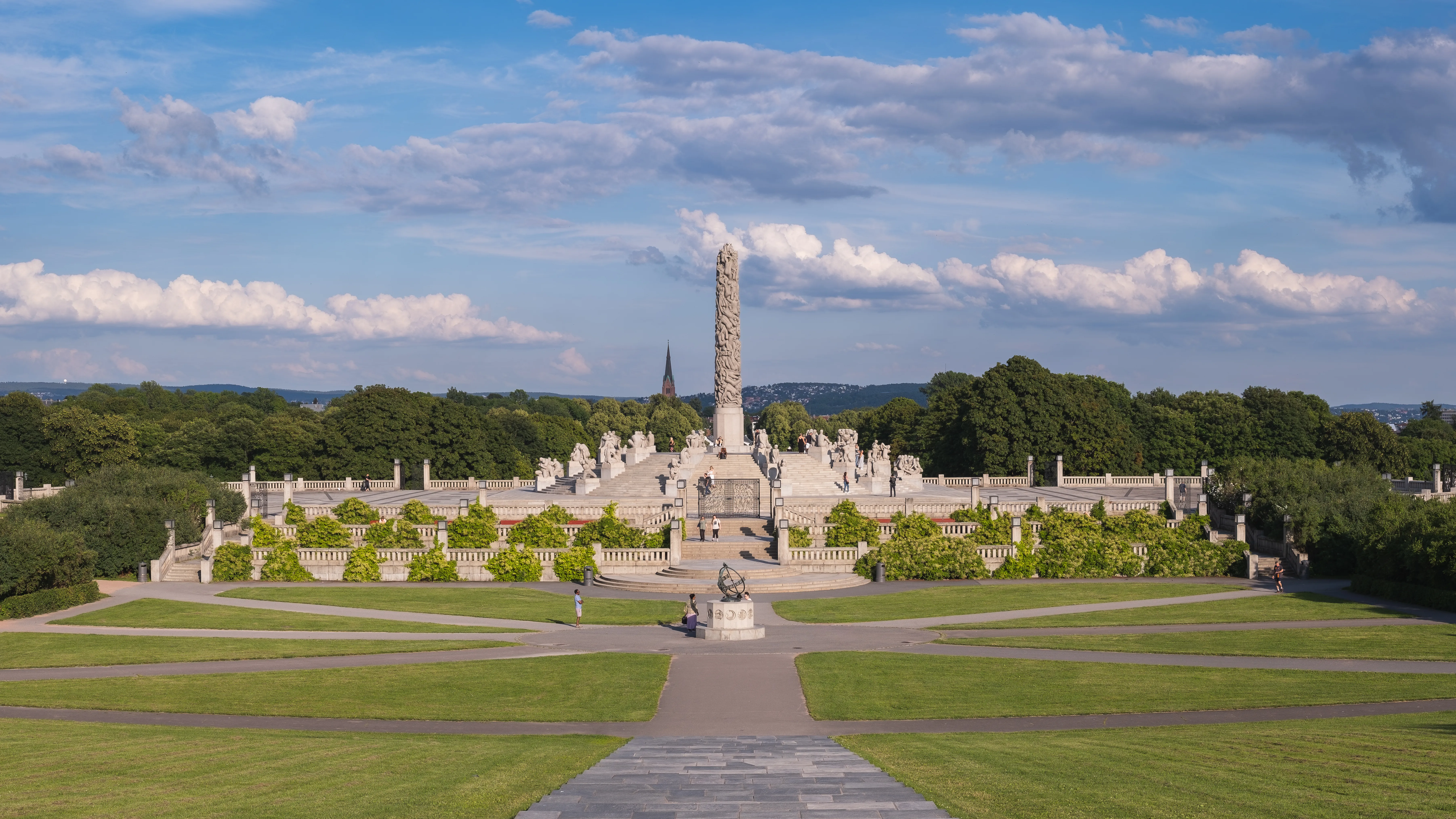
Vigeland Sculpture Park contains 212 sculptures and is free to enter every day of the year
The world's largest sculpture installation created by a single artist, Vigeland's park in Frogner draws over 1 million visitors annually without charging entry — a deliberate decision by Oslo city council when Gustav Vigeland donated the works in exchange for his lifetime studio
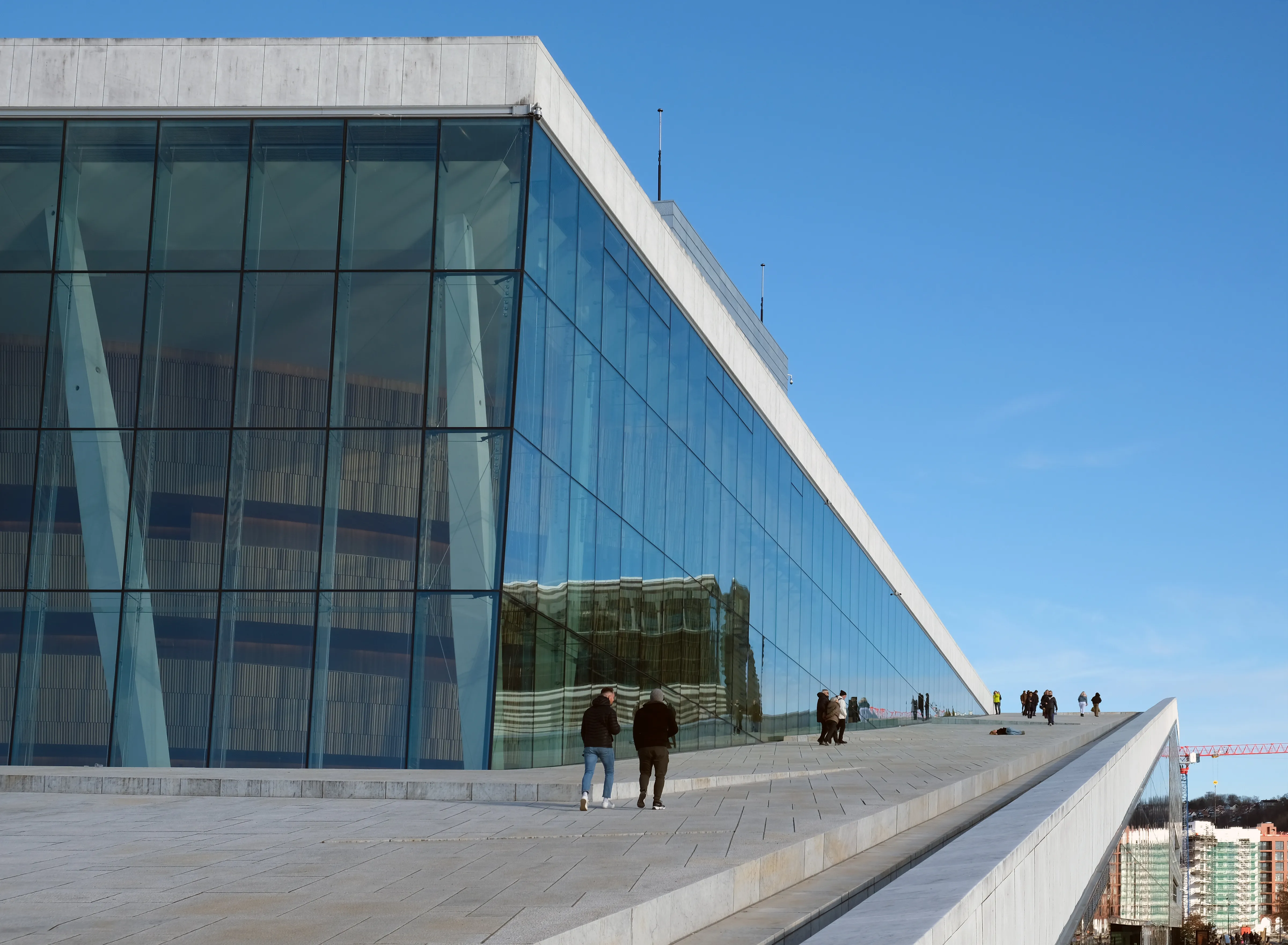
Oslo's Opera House roof is a public walkway open to visitors 24 hours a day
Designed by Snøhetta architects and opened in 2008, the Oslo Opera House is built so that its white marble-clad roof slopes down to street level, inviting pedestrians to walk across it to fjord views — making it simultaneously a performing arts venue and an urban public square
Oslo has the world's highest concentration of electric vehicles per capita among national capitals
More than 30% of all new car sales in the Oslo region are electric, supported by Norway's hydropower grid that makes EV charging effectively carbon-neutral — the city has also committed to becoming entirely car-free in its historic centre
Source: tour-guide.com — Free to cite with attribution
Things to see
What are the top attractions in Oslo?
- Viking Ship Museum — Three royal burial ships from the 800s CE, the world's finest collection of Viking Age artefacts
- Vigeland Sculpture Park — 212 bronze and granite sculptures by Gustav Vigeland, free and always open in Frogner Park
- Akershus Fortress — Medieval castle from 1299 with harbour views, WWII museum, and royal mausoleum
- Munch Museum — World's largest Munch collection including multiple versions of The Scream, in a striking new waterfront tower
- Aker Brygge & Tjuvholmen — Oslo's transformed harbour district with galleries, restaurants, and fjord swimming in summer
- Opera House — Walk the marble roof for fjord panoramas; performances by the Norwegian National Opera and Ballet inside
Akershus Fortress
Seven centuries on Oslo's harbour — medieval castle, WWII resistance site, and royal burial ground
Vigeland Sculpture Park
212 sculptures, one artist, free entry — the world's most ambitious single artistic vision in a public park
Viking Ship Museum
Three 1,200-year-old royal burial ships — the richest Viking Age collection on earth
Guide planning
How much does a tour guide cost in Oslo?
| Tour Type | Price | Details |
|---|---|---|
| Free walking tour (tips-based, 2 hrs) | NOK 100–150 tip | Central Oslo, multiple daily departures |
| Ticketed group walking tour (2–3 hrs) | NOK 300–500 per person | Themed tours, Viking history, WWII |
| Viking Ship Museum private guide | NOK 1,500–2,500 | 1.5–2 hrs, up to 6 people |
| Private half-day Oslo (up to 6) | NOK 2,500–4,000 | City centre + Bygdøy museums |
| Private full-day Oslo + fjord (up to 6) | NOK 4,500–7,000 | Includes island ferry or Oslofjord cruise |
| Oslo Pass (24 hrs) | NOK 445 per person | Transport + 30+ attractions |
Book a Local Guide
The guides below are independent local businesses we recommend purely on editorial merit. We don't sell placement and we earn no commission when you book with them — see our booking and affiliate disclosure.
Oslo Guidebureau
Oslo Guidebureau is the city's most established professional guide association, connecting visitors with state-authorised guides who specialise in Viking history, WWII resistance stories, Norwegian art, and fjord excursions. Their guides hold formal Norwegian Tourist Guide credentials and speak multiple languages. The Bygdøy peninsula tour — covering the Viking Ship Museum, the Fram polar ship, and the Norwegian Folk Museum in a single half-day — is particularly well-constructed, weaving maritime history and cultural heritage into a coherent narrative rather than a checklist of sites.
Norway's Best
Norway's Best offers thoughtfully designed private tours of Oslo that go well beyond the standard museum circuit — including early-morning market visits, guided e-bike rides along the Akerselva river trail, and bespoke fjord island picnic excursions. Their guides bring personal warmth and deep local knowledge, whether you're after Oslo's Viking heritage or its thriving contemporary food scene. For families or small groups wanting a flexible, unhurried day in the city, Norway's Best is consistently the top recommendation among returning visitors.
Season planner
When is the best time to visit Oslo?
- June–August — Long summer days, outdoor fjord swimming, festivals, and 18–20 hours of daylight
- May and September — Shoulder seasons with comfortable temperatures, fewer crowds, and full museum hours
- December — Christmas markets at Youngstorget and Aker Brygge, ice skating in the city centre, ski trails open in Nordmarka
- February — The Holmenkollen ski festival draws international athletes; Nordic skiing traditions in full display
- Early mornings — The Viking Ship Museum and Opera House rooftop are best before 10 AM when tour groups arrive
Spring
Mar-May
Summer
Jun-Aug
Autumn
Sep-Nov
Winter
Dec-Feb
Each score averages that season’s monthly ratings out of 5. The top-rated window is usually the peak season too, so read the guidance above for its trade-offs before you book.
On the ground
How do you get around Oslo?
- T-bane (metro) — Six lines fan out from the city centre; the Ruter app covers tickets for metro, tram, and bus. Single ride NOK 42, 24-hour pass NOK 130
- Trams — Line 12 connects Majorstuen (near Vigeland Park) to the Opera House and waterfront. Line 13 runs along the Oslofjord shore
- Bygdøy ferry — Seasonal passenger ferry from Aker Brygge pier to Dronningen (Viking Ship Museum side) in 10 minutes — the most scenic way to reach the peninsula
- Walking — Central Oslo from Karl Johans gate to the Opera House is 15 minutes on foot; Aker Brygge to Akershus Fortress is 5 minutes
- Oslofjord islands — Short ferries from Aker Brygge pier reach Hovedøya, Langøyene, and Gressholmen for beaches and picnics
- Oslo Pass — Covers all public transport and entry to major museums; worth buying for any visit of two or more days
Frequently Asked Questions
How many days do you need in Oslo?
Two days is enough for Oslo's highlights. Spend the first on the Bygdøy peninsula museums — the Viking Ship Museum and the polar and maritime collections — then the open-air Vigeland Sculpture Park. The second day covers the waterfront: medieval Akershus Fortress, the marble roof of the Opera House, the new Munch Museum holding The Scream, and the harbourside restaurants of Aker Brygge. A third day lets you cruise the Oslofjord or ski and hike the Nordmarka forest above the city.
What is the best time of year to visit Oslo?
Late spring through early autumn is Oslo at its most vibrant — May and June bring long evenings, blooming parks, and the Oslofjord warming enough for outdoor swimming at Sørenga and Tjuvholmen. July and August deliver full summer intensity, with outdoor concerts, the Øya Festival, and 18 hours of daylight. September is arguably the sweet spot: foliage turns across the Nordmarka forest, crowds thin, and the city's cultural season shifts into high gear. Winter in Oslo (November–February) brings short days but genuine Scandinavian atmosphere — ice skating at Spikersuppa in the centre, ski trails starting at the end of metro line T-banen, and a Christmas market in Youngstorget square.
How much does a tour guide cost in Oslo?
Free walking tours of central Oslo operate from the main tourist office near Aker Brygge, with a tip of NOK 100–150 customary at the end. Private half-day guides covering the Viking Ship Museum and city centre cost NOK 2,500–4,000 for groups of up to six. Full-day private tours including the Bygdøy peninsula museums and a fjord excursion run NOK 4,500–7,000. The Oslo Pass (from NOK 445 for 24 hours) covers public transport, the Viking Ship Museum, the Munch Museum, and 30+ other attractions — excellent value for a packed itinerary.
Which Oslo neighbourhood is best for first-time visitors to stay in?
Aker Brygge and Tjuvholmen on the waterfront put visitors within walking distance of the Opera House, the Munch Museum, and the Oslofjord ferry piers. Grünerløkka — Oslo's creative quarter east of the Akerselva river — offers better value accommodation and the city's best independent cafés, vintage shops, and weekend market at Birkelunden park. For access to the Bygdøy peninsula and its cluster of museums, hotels along Frogner or Majorstuen save a tram ride. All of central Oslo is compact enough that neighbourhood choice matters less than in larger European capitals.