Old Town, Art and Coast: Choosing a Montpellier Tour
How to choose the right guided tour in Montpellier — Écusson walks, private courtyard visits, food and wine tastings, and Camargue day trips.
Read the full guideUpdated · 11 min read
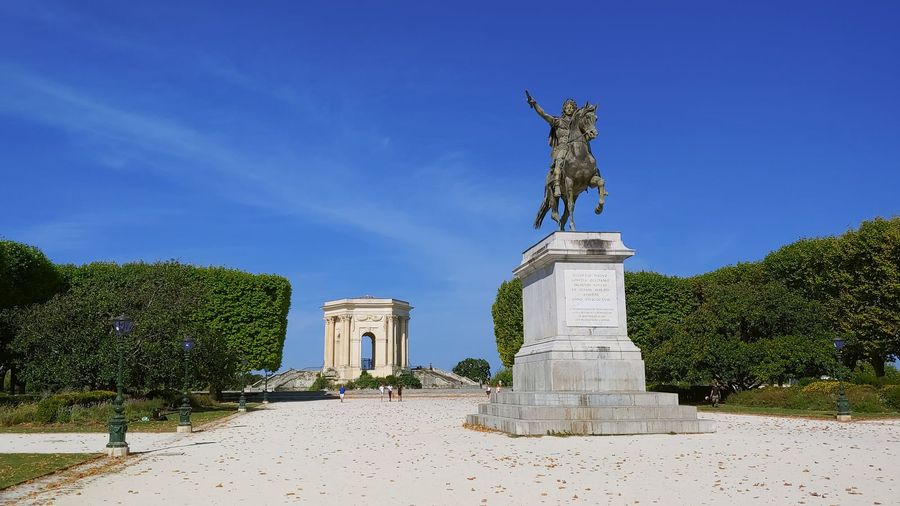
Montpellier packs a maze-like medieval core, a world-class art museum, and Mediterranean wine country into a compact, tram-friendly city, so the smart move is spending your tour budget where it counts. Book guides for the hidden private courtyards of the Écusson, the food-and-wine scene, and day trips to the Camargue or Pic Saint-Loup, and rely on your own feet and the tram for everything else.
Montpellier is one of France's youngest-feeling cities — roughly a third of its residents are students — wrapped around one of its oldest medieval centres. That combination is exactly why the useful question here is rarely whether to take a guided tour, but which one actually adds something you couldn't manage with a good map and a tram ticket. The historic Écusson is small enough to cross on foot in twenty minutes, yet dense enough to hide dozens of Renaissance mansions behind unmarked doors. This guide sorts the options by what they are genuinely good for, what they cost, when to go, and the local logistics that decide whether a day runs smoothly. Read it alongside the Montpellier city guide and the wider France overview for the bigger picture.
What does a guide actually add in Montpellier?
A guide earns its fee on the layer beneath the postcard — the parts of Montpellier that are locked, unlabelled, or easy to walk straight past. Plenty of the city is free and self-explanatory: you don't need anyone to help you photograph Place de la Comédie, wander the arcaded squares, or ride the tram to the beach.
Where a guide changes the experience is in three areas. First, access: the hôtels particuliers — private Renaissance townhouses with ornate staircases and interior courtyards — are still privately owned, and their doors open mainly for licensed guides on weekdays. Second, context: Montpellier's story is not obvious from its stones. A good guide explains why a medical faculty recognised in 1220 still shapes the city, how the Wars of Religion scarred and rebuilt it, and what the fashion-designed tram network says about its modern reinvention. Third, logistics beyond the centre: the Camargue wetlands and the Pic Saint-Loup vineyards are rewarding but awkward without a car, and a driver-guide turns a vague ambition into an easy day. If your trip is short and your interests are mainstream, you can see most of Montpellier without a single paid tour — the skill is spending your budget where it counts.
What are the main types of guided tour in Montpellier?
Montpellier's tours sort into five formats, and matching the format to your interests matters more than booking the most expensive option. The city's compactness means walking tours dominate, but food, wine, and countryside trips round out a longer stay.
| Tour type | Best for | Typical length | Rough cost (per person) |
|---|---|---|---|
| Écusson walking tour | First-timers, history lovers | 2 hours | €10–18 |
| Private courtyard / hôtels particuliers walk | Architecture, repeat visitors | 2–2.5 hours | From private-guide rates |
| Food & wine tasting tour | Foodies, evening groups | 3–4 hours | €60–90 |
| Camargue or Pic Saint-Loup day trip | Nature, wine, photographers | Full day | €80–120 |
| Private half-day city guide | Families, tailored pace | Half day | €130–220 (up to ~6) |
An Écusson walking tour is the natural first-day orientation, threading Place de la Comédie, the narrow lanes, and Saint-Pierre Cathedral with its unusual fortress-like porch. A dedicated hôtels particuliers walk goes deeper, stepping inside the private courtyards most visitors never see. Food-and-wine tours lean on Les Halles Castellane market, local tielle and oysters from the nearby étangs, and Languedoc wines. Day trips run out to the flamingos and salt marshes of the Camargue or the peppery reds of Pic Saint-Loup, while a private guide builds the whole day around you.
How do you match Montpellier's tours to your trip length?
Think in days rather than single bookings, and let the compact centre do half the work for you. Montpellier rewards a mix of one structured tour and plenty of unstructured wandering.
- One day: Take a guided Écusson walk in the morning to absorb the medieval-to-Renaissance story, then spend the afternoon at the Musée Fabre or strolling the Promenade du Peyrou at golden hour.
- Two days: Keep day one as above, then choose your second-day character — a food-and-wine tour for the market and Languedoc cellars, or a half-day trip to the coast at Palavas-les-Flots.
- Three days or more: Add a full day in the Camargue or the Pic Saint-Loup vineyards, and leave one slow afternoon for the cafés and student bars that give the city its buzz.
Resist over-booking. A morning coffee under the plane trees and an aimless hour lost in the lanes of the Écusson are as much a part of Montpellier as any ticketed tour.
When is the best time to take a tour in Montpellier?
Tours run year-round, but the season and the academic calendar decide the atmosphere. When students are in town, Montpellier hums; in August, much of the local population heads for the coast and the centre feels quieter.
- May–June (late spring): The sweetest window — warm without being stifling, the Jardin des Plantes in bloom, and the terraces full. Ideal for combining a morning walk with an afternoon in the vineyards.
- September (early autumn): Still beach-warm, students flooding back, and the surrounding Languedoc slipping into wine harvest. An energetic start-of-term buzz.
- October–November: Thinner crowds, softer prices, and golden light over Place de la Comédie — perfect for unhurried museum visits and long market lunches.
- December–February (winter): Mild by French standards, with clear skies on tramontane days and a Christmas market in the centre. The university keeps the city livelier than most southern towns off-season.
- July–August (peak summer): Often above 35°C. Book any outdoor walking tour for early morning, and save the afternoon for an air-conditioned gallery or the tram out to the beach.
For a fuller month-by-month breakdown, the Montpellier city guide covers seasonal conditions in detail.
How much should you budget for guided tours in Montpellier?
Montpellier is gentler on a budget than Paris or Nice — the large student population keeps dining and drinks affordable — but tours still add up, so think in ranges.
| Tour type | Approximate cost |
|---|---|
| Group Écusson walking tour | €10–18 per person, ~2 hours |
| Food & wine tour with tastings | €60–90 per person |
| Camargue day trip | €80–120 per person, transport included |
| Private half-day city guide | €130–220 for a small group |
A few cost notes worth knowing before you book:
- The free layer is large. The Écusson, Place de la Comédie, and the Promenade du Peyrou cost nothing — spend your budget on access-only and out-of-town experiences.
- Museum tickets are usually separate. The Musée Fabre and other paid sights are rarely bundled into walking tours; check before you assume.
- Private-guide fees are per group, not per head. Splitting a half-day private guide across four or five people brings the per-person cost down sharply.
- Tipping. A few euros for a group walk, or around 5–10% for a private guide, is customary and appreciated across France.
Treat every figure here as a planning guide rather than a quote — guide, museum, and transport prices change each season, so confirm current rates when you book.
What local logistics make a Montpellier tour day run smoothly?
A few details decide whether a day flows, and most of them revolve around the pedestrian centre and the tram. Montpellier makes this easy if you plan around its rhythms.
- The Écusson is car-free. The medieval heart is entirely pedestrianised, so every walking tour is on foot from a central meeting point — wear comfortable shoes for the cobbles.
- Lean on the tram. Five colour-coded lines — several famously styled by fashion houses — reach the train station, the campuses, and Line 3 runs toward the coast at Pérols for Palavas-les-Flots. A single ticket covers an hour of transfers.
- Time the private courtyards. The hôtels particuliers generally open on weekdays, so schedule a courtyard-focused walk for Monday to Friday rather than the weekend.
- Start early in summer. Book outdoor walks for the morning cool; the midday sun in July and August is fierce in the open squares.
- Rent a car for the far day trips. The Camargue, the Gorges de l'Hérault, and Carcassonne reward a guided drive — but if you are self-driving, offices cluster near the Gare Saint-Roch.
- Allow a full day for the countryside. A Camargue or Pic Saint-Loup trip eats most of the daylight, so don't schedule a tight dinner reservation right after one.
How do you find a good guide in Montpellier?
Look for guides carrying a French guide-conférencier card for interpretation inside monuments and museums, and favour small groups that leave room for questions. The card is a national professional qualification, and reputable operators list it openly.
The Montpellier tourist office books licensed guides for Écusson walks, hôtels particuliers visits, and themed tours, and it is the safest starting point for the private-courtyard experiences that are hard to arrange independently. For food and wine, established local operators run bilingual tastings tied to the market and Languedoc cellars; for the countryside, choose a driver-guide who knows the Camargue or Pic Saint-Loup rather than a generic coach transfer. Across all of them, the best guides read the room — adjusting the pace, dropping the script when a question is more interesting, and turning a checklist of sights into a coherent story of medicine, merchants, and Mediterranean reinvention.
Related Guides
- Montpellier city guide — neighbourhoods, attractions, and practical tips for the wider stay
- France country guide — how Montpellier fits into a longer trip across the country
- Best Time to Visit Marseille — pairing Montpellier with the Mediterranean's biggest port
- Getting Around Lyon — transport tips for another compact, tram-friendly French city
- Planning a Bordeaux Trip — extending a wine-focused itinerary to France's south-west
Final thoughts: In a city where a medieval maze, a great art museum, and open wine country sit within easy reach, the smartest approach is to spend on the experiences that genuinely need a guide — the private courtyards, the market-and-cellar tastings, the day out in the Camargue — and lean on your own two feet and the tram for everything else. Decide which side of Montpellier you came for, book the courtyard and countryside slots ahead, start early in the summer heat, and let the squares and terraces do the rest.
Frequently Asked Questions
Do you need a guided tour to see Montpellier?
Not for the basics. The Écusson is small, pedestrianised, and free to wander, and the Musée Fabre, Place de la Comédie, and Promenade du Peyrou are all easy to visit on your own. A guide earns its place where access or context matters — the private Renaissance courtyards of the hôtels particuliers that open on weekdays, the story behind the 1220 medical faculty, and day trips to the Camargue or the Pic Saint-Loup vineyards where a driver-guide removes the logistics.
How much does a guided tour in Montpellier cost?
Group walking tours run roughly €10–18 per person for about two hours. A food-and-wine tour with tastings is typically €60–90, a private half-day guide for a small group €130–220, and a Camargue day trip with transport €80–120 per person. The Musée Fabre and other museum tickets are usually separate. Treat every figure as a planning guide and confirm current rates when you book.
When is the best time to take a tour in Montpellier?
May–June and September are the sweet spots — warm but not scorching, with the student population in town keeping the terraces and squares lively. October–November brings golden light and thinner crowds, ideal for unhurried museum visits. July–August often tops 35°C, so book any outdoor walk for early morning and save the afternoon for the beach or an air-conditioned gallery.
Can you visit the private mansions of the Écusson without a guide?
Mostly no. The hôtels particuliers — grand private townhouses hidden behind plain street doors — are still privately owned, and their ornate staircases and courtyards are generally seen only on a guided walk, usually on weekdays. This is one of the clearest cases in Montpellier where a licensed guide unlocks something you simply cannot reach on your own.
What is the best Montpellier tour for first-time visitors?
Start with a guided Écusson walk taking in Place de la Comédie, Saint-Pierre Cathedral, and a hôtel particulier or two to grasp the medieval-to-Renaissance story, then spend the afternoon at the Musée Fabre or strolling the Promenade du Peyrou. With a second day, add a food-and-wine tour or a half-day trip out to the Camargue or Pic Saint-Loup.