
Best Time to Visit the Amalfi Coast: A Season-by-Season Guide
Month-by-month advice on visiting the Amalfi Coast: weather, warm sea, running ferries, crowds, and budget — and why the shoulder months beat August.
Updated · 8 min read
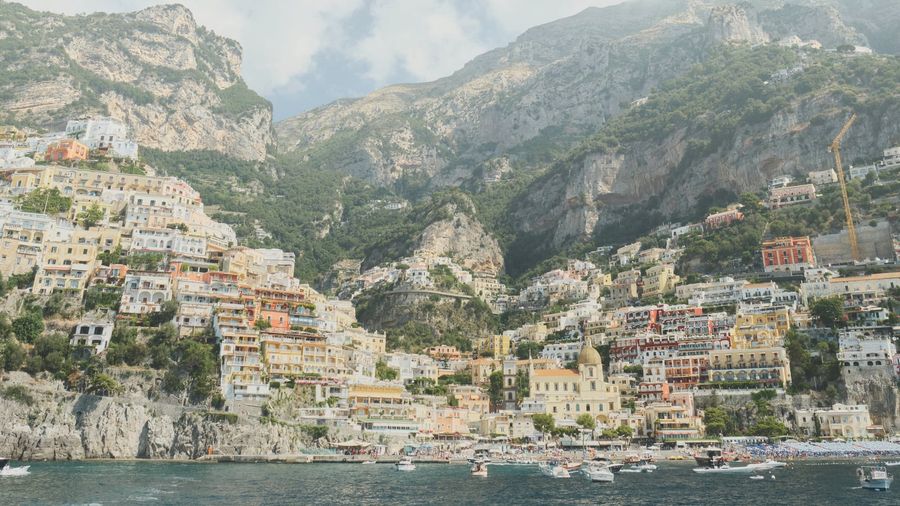
The best time to visit the Amalfi Coast is May to mid-June and September to early October, when the sea is warm enough to swim, the SS163 coast road and the ferries run full schedules, and the cliffside lanes of Positano stay walkable. July and August deliver the warmest water but also fierce heat, gridlocked roads, and peak prices. Winter is quiet and cheap, though many hotels, ferries, and restaurants close.
The Amalfi Coast runs for about 50 kilometres along the southern Sorrentine Peninsula, a UNESCO World Heritage landscape of thirteen towns wedged between sea and mountain. Its charm and its headaches share one cause: that vertical geography. A single road, the SS163, threads every village, and one tour bus or sudden downpour can snarl the whole coast. Which version of this place you meet depends heavily on the month you choose.
What is the short answer on when to visit the Amalfi Coast?
For most travellers the shoulder months win: May to mid-June, or September to early October. You get swimmable water, running ferries, open restaurants, and far thinner crowds than the midsummer peak.
Those windows line up with the coast's own month ratings, which score May through September highest. Spring scatters wildflowers across the hillsides and gives the clearest air for photographs, while early autumn keeps the sea warm from a long summer as the August crush drains away. If swimming is not your priority, April and late October are cheaper still and ideal for walking, though the water turns cool and some beach clubs close.
How does the Amalfi Coast feel month by month?
The coast swings from near-shuttered winters to a packed, sweltering August, with two gentle shoulders on either side of high summer. The table below weighs weather, crowds, and cost across the year.
| Period | Weather | Crowds | Cost | Feel |
|---|---|---|---|---|
| Nov–Mar | Mild, wet, 8–15°C | Very low | Lowest | Quiet, many closures |
| Apr | Fresh, 14–19°C | Low | Low–mid | Blooming, cool sea |
| May–mid-Jun | Warm, 20–26°C | Building | Mid–high | Ideal all-round |
| Late Jun–Aug | Hot, 28–33°C | Maximum | Highest | Crowded, sweltering |
| Sep–early Oct | Warm, 22–27°C | Easing | High–mid | Warm sea, calmer |
| Late Oct | Cooling, 17–21°C | Low | Mid | Great for hiking |
Easter week and Italy's early-June Festa della Repubblica weekend both spike demand briefly, so check the calendar before booking a spring trip. The coast effectively hibernates from November: Ravello's famous concert season pauses, ferry routes shrink to a skeleton, and many Positano hotels close until March or April.
When should you hike the Path of the Gods and explore the villages?
Spring and autumn are the sweet spot for the famous Path of the Gods and for exploring the towns on foot, when temperatures suit the climbs and the stepped lanes are not jammed.
The Sentiero degli Dei, the ridge trail between Bomerano and Nocelle high above Positano, is at its best from April to June and in September and October, when the air is clear and the heat manageable. Midsummer leaves the exposed path shadeless and draining by late morning. The towns are vertical too — Positano alone has roughly 1,500 steps — so sturdy shoes and cooler months make the sightseeing far more enjoyable.
The three headline towns reward different moods. Amalfi wears its medieval maritime past in a striped cathedral above a busy piazza; Ravello sits high and calm, its garden terraces at Villa Rufolo and Villa Cimbrone built for slow afternoons; and Positano is the postcard, best walked early before the day-trippers arrive. In high summer, set out before 9am to have the lanes and viewpoints to yourself.
What do Amalfi Coast tours cost, and how early should you book?
Guided options run from shared Path of the Gods hikes to private drivers and full-day boat charters; prices hold fairly steady year-round, but availability does not — peak-season tours sell out well ahead.
| Tour type | Typical price | Best booked |
|---|---|---|
| Private driver, full day (all towns) | €350–500 | 2–4 weeks ahead in summer |
| Private boat charter (full day, up to 8) | €600–1,200 | A month ahead Jun–Sep |
| Path of the Gods guided hike | €80–120 per person | Days ahead in shoulder season |
| Limoncello or food tour with tastings | €70–100 per person | A few days ahead |
A local driver is the single upgrade most worth its cost here. The SS163 is narrow, relentlessly winding, and nearly impossible to park on, so handing the wheel to someone who knows every blind curve turns a white-knuckle drive into scenery you can actually watch. Boat charters, by contrast, sidestep the road entirely and reach quiet coves and the Emerald Grotto that buses never touch.
How much does an Amalfi Coast trip cost by season?
Accommodation is where the season hits hardest: a Positano room that runs €150 in April can double or more in August. Tours, ferries, and meals move far less.
Rooms with a sea view and a central Positano address command the steepest premiums, so shifting a trip into May or late September — or basing yourself in less-feted Amalfi town — stretches a budget noticeably. The ranges below are indicative for a mid-range traveller.
| Item | Shoulder (May–Jun, Sep) | Peak (Jul–Aug) | Winter (Nov–Mar) |
|---|---|---|---|
| 3-star hotel / night | €150–280 | €300–600+ | Limited; many closed |
| Trattoria dinner | €30–45 | €35–55 | €25–40 |
| Positano–Amalfi ferry | €10–15 | €10–15 | Reduced / suspended |
| Sunbed pair, beach club | €40–70 | €70–130+ | Closed |
Book accommodation two to three months ahead for July and August, both to secure a central room and to beat the sharpest price spikes. Shoulder-season visitors routinely pay well under the August rate for the very same view.
How do you get around the Amalfi Coast, and when?
Leave the driving to ferries, buses, or a hired driver rather than your own rental car — and expect every option to slow down in July and August.
From roughly April to October, passenger ferries link Amalfi, Positano, Sorrento, and Salerno, and they are the fastest, calmest way to travel the coast — until rough seas cancel them, so keep a backup plan. SITA buses run the SS163 cheaply but fill up fast and crawl behind summer traffic. In winter the ferries thin to almost nothing and the buses carry the load.
A few habits smooth any visit: book hotels and well-known restaurants weeks ahead, carry cash for small cafés and ferry kiosks, and wear real walking shoes for the endless steps. Day trips from Naples or Sorrento are feasible, but staying overnight lets you enjoy the towns once the cruise crowds leave. Ferries and buses both wind down in the evening, so check the last departure before a late dinner.
Which season matches your Amalfi Coast priority?
Match the month to what you came for. Swimming and beach clubs point to summer; hiking, value, and calm sightseeing point to the shoulders; a quiet, local coast points to winter.
| Priority | Best window |
|---|---|
| Warm sea and beach clubs | Late June to August |
| Hiking the Path of the Gods | May–June, late September–October |
| Best value with everything open | May, September |
| Fewest crowds, lowest prices | November to March |
| Clearest air for photography | April–May, October |
The Amalfi Coast does not demand a perfect month so much as an honest match between the calendar and your plans. If you want one answer, make it late September: the Tyrrhenian is still summer-warm, the ferries are still sailing, the hillside lemon groves glow in softer light, and you can finally hear your own footsteps on Positano's stairs. For a wider Italian itinerary, the coast pairs naturally with a few days in nearby Naples.
Related guides
- Best Time to Visit Venice — timing another crowd-sensitive Italian destination
- Best Time to Visit Mykonos — season-by-season planning for a Mediterranean island
- Planning the Perfect Rome Trip — pairing the coast with the Italian capital
Weighing up when to see the Amalfi Coast and how to fit the villages, hikes, and boat trips around it? Reach out for tailored, season-specific advice.
Save Best Time to Visit the Amalfi Coast: A Season-by-Season Guide
Save Best Time to Visit the Amalfi Coast: A Season-by-Season Guide to your free account
Sign in or create a free account to keep this place in Saved places and add it to your trips.
Frequently Asked Questions
When is the best time to visit the Amalfi Coast?
May to mid-June and September to early October offer the best balance of warm, swimmable sea, full ferry and tour schedules, and far thinner crowds than the July and August peak.
Is the sea warm enough to swim outside high summer on the Amalfi Coast?
The Tyrrhenian around the Amalfi Coast is comfortably swimmable from roughly June through early October, staying warm into September. May is fresh but fine for the hardy, while by late October many beach clubs have closed for the season.
When is the Amalfi Coast most crowded and expensive?
July and August bring peak heat above 30°C, gridlocked roads, the fullest ferries, and the highest hotel prices. Day-trippers and cruise passengers also pack Positano and Amalfi through the middle of the day across the summer.
Is it worth visiting the Amalfi Coast in winter?
Winter is quiet, cheap, and atmospheric, but many hotels, beach clubs, restaurants, and ferry routes close from November to March. It suits travellers who want calm towns and coastal walks rather than swimming, boat trips, or nightlife.