

Naples timeline
- 470 BCE
Neapolis founded
Greek settlers created the new city whose street grid still underlies the historic center.
-
Angevin capital rises
Charles of Anjou made Naples a royal capital, adding castles, churches, and court institutions.
-
Bourbon kingdom begins
Naples became the seat of an independent Bourbon monarchy, launching palaces and opera houses.
-
Kingdom of the Two Sicilies
Naples became capital of the Two Sicilies, the largest and most populous state in pre-unification Italy.
-
Joined to unified Italy
Garibaldi's campaign brought Naples into the new Italian state after centuries as a capital.
-
Historic center listed
UNESCO recognized the layered Greek, Roman, medieval, and baroque city center.
Cited city facts
Key facts for visiting Naples
66 hectares at Pompeii
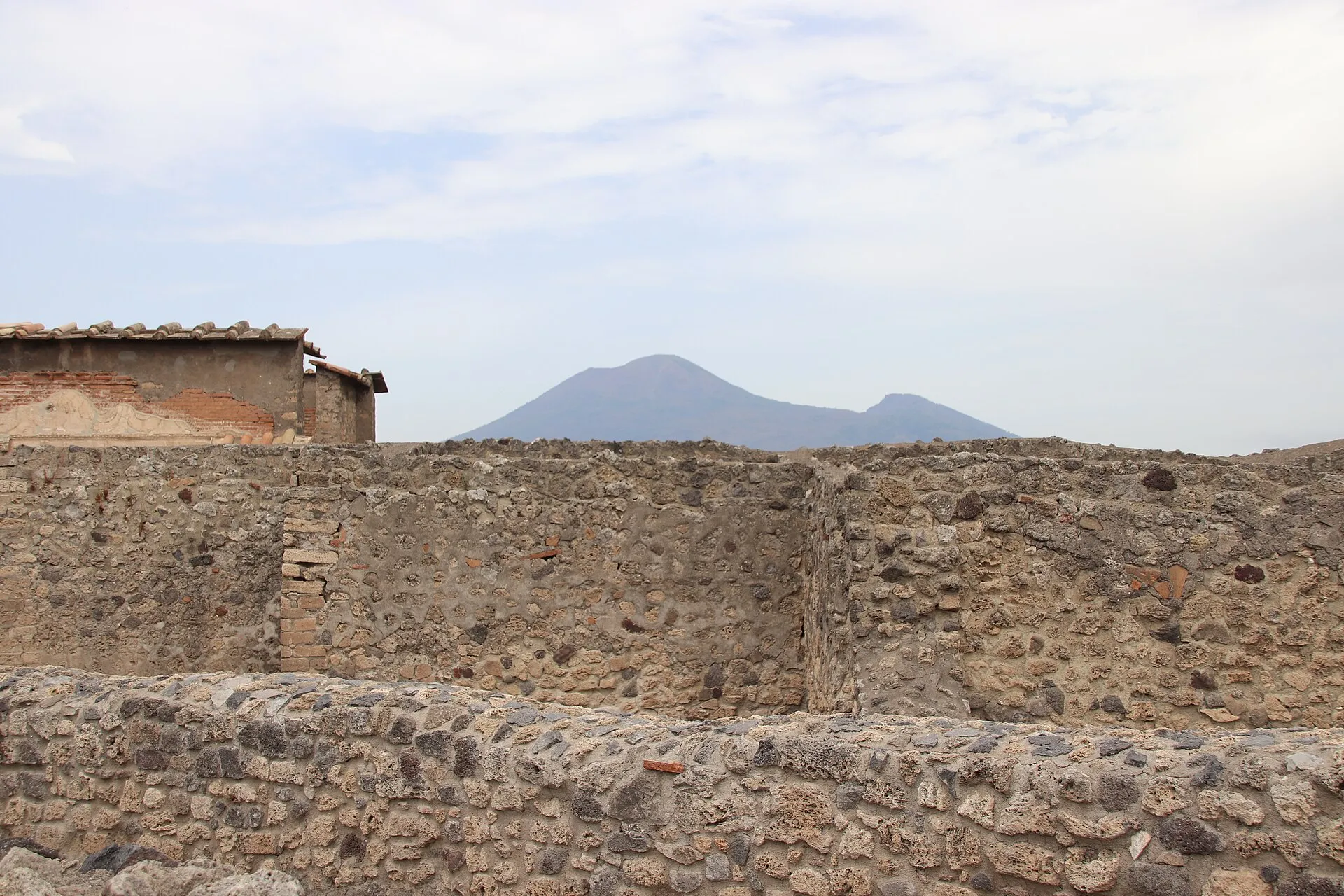
The archaeological site of Pompeii covers 66 hectares, of which roughly two-thirds have been excavated since digging began in 1748
2,400 years of underground tunnels
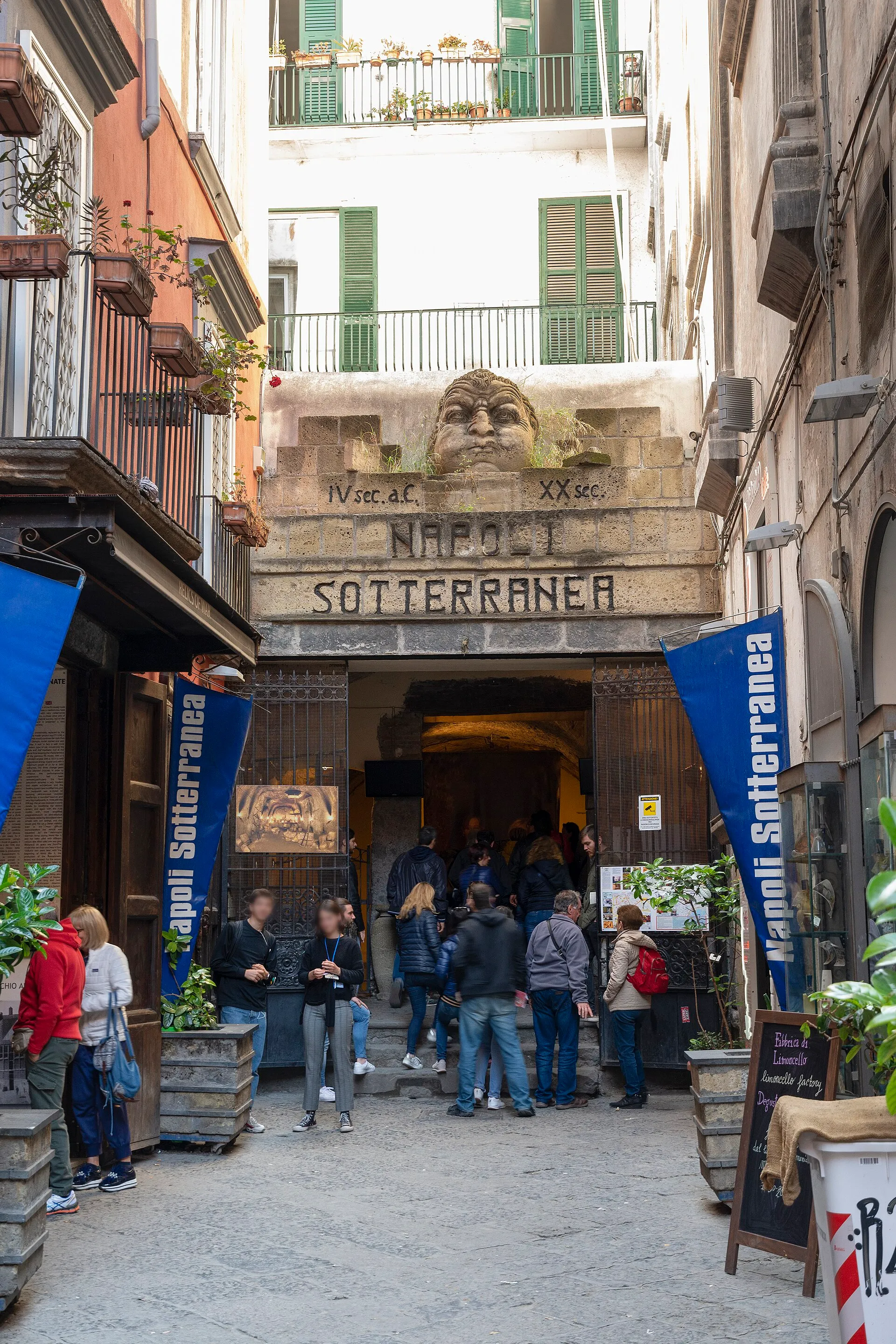
Napoli Sotterranea extends through Greek-era aqueducts carved from tufa stone starting around 400 BC, later repurposed as WWII air-raid shelters
Over 400 historic churches
Naples holds more than 400 historic churches within its city limits, giving it one of the densest concentrations of religious architecture of any city in the world
Pizza Margherita since 1889
The pizza Margherita was reportedly created in Naples in 1889 by Raffaele Esposito to honor Queen Margherita, using tomato, mozzarella, and basil to represent the Italian flag
Italy's third-largest city
With around 3 million residents in its metropolitan area, Naples is Italy's third-largest city and the largest in the southern Mezzogiorno
A royal capital until 1860
Naples was the capital of the Kingdom of the Two Sicilies and, until Italian unification in 1860, the most populous city on the Italian peninsula
Neapolitan pizza is UNESCO heritage
In 2017 UNESCO inscribed the art of the Neapolitan pizzaiuolo on its Representative List of the Intangible Cultural Heritage of Humanity
Toledo metro station opened in 2012
Part of Metro Line 1's Stazioni dell'Arte project, Toledo station is frequently ranked among the most beautiful metro stops in Europe for its mosaic light wells
One of the Mediterranean's busiest passenger ports
The Port of Naples moves millions of passengers a year on ferries and cruise ships, serving the islands of the Bay of Naples and ports across the Mediterranean
Source: tour-guide.com — Free to cite with attribution
Things to see
What are the top attractions in Naples?
- Pompeii — The Roman city frozen by Vesuvius in 79 AD, 35 minutes away by train
- National Archaeological Museum — The Farnese marbles and the finest Pompeian mosaics and frescoes under one roof
- Napoli Sotterranea — Greek quarries and Roman aqueducts 40 metres beneath the centro storico
- Spaccanapoli — The arrow-straight street that splits the old city along its 2,500-year-old Greek grid
- Cappella Sansevero — Giuseppe Sanmartino's Veiled Christ ranks among the world's most extraordinary marble sculptures
- Pizza pilgrimage — Da Michele, Sorbillo, or Di Matteo, where the Neapolitan pizza was perfected
- Castel dell'Ovo — Waterfront fortress built on the islet of the original Greek settlement of Megaride
- Via San Gregorio Armeno — The year-round street of artisan presepe (nativity) workshops
🏛️ Naples National Archaeological Museum (MANN)
The world's greatest collection of Greco-Roman antiquities under one roof

🏺 Napoli Sotterranea (Naples Underground)
2,400 years of history lurking 40 meters beneath the city streets
🏺 Pompeii Archaeological Park
A Roman city frozen in time by Vesuvius - 79 AD preserved for eternity
Guide planning
How much does a tour guide cost in Naples?
| Tour Type | Price | Details |
|---|---|---|
| Group Tours | €25-45 | Per person, 2-3 hours |
| Pompeii Private | €200-350 | Up to 6 people, 2.5-3 hours |
| Naples Walking Tour | €180-280 | Up to 6 people, 3 hours |
| Full-Day Combo | €400-600 | Pompeii + Naples, 7-8 hours |
For Pompeii, Herculaneum, and the National Archaeological Museum, look for a Guida Turistica Abilitata — the regional licence Italian law requires for guiding inside archaeological sites and museums. Most reputable guides fold skip-the-line entry into the quoted fee, but confirm whether the ticket is bundled, since Pompeii (€18) and the museum (€18) are often billed separately.
Season planner
When is the best time to visit Naples?
Late April to June and September to October hit the sweet spot in Naples: warm but not scorching days, thinner crowds at Pompeii, and seas warm enough to swim. Spring carpets the excavations of Pompeii and Herculaneum with wildflowers, the city throws open palaces and cloisters for the month-long Maggio dei Monumenti heritage festival, and the Archaeological Museum is far more pleasant before the summer coach tours arrive.
July and August bring fierce heat and the biggest crowds. The excavated streets of Pompeii and the crater path on Mount Vesuvius offer almost no shade, so start at opening time and carry water. Many Neapolitans head for the coast in August, and some family-run pizzerias close for the mid-month ferie.
Autumn rewards visitors with sea warm enough to swim off Posillipo into October and the feast of San Gennaro on 19 September, when crowds pack the Duomo hoping to witness the patron saint's dried blood liquefy — a rite repeated on the Saturday before the first Sunday of May and again on 16 December. November to March is low season — cooler and occasionally wet, but the year-round mild tunnels of Napoli Sotterranea stay comfortable, museum queues vanish, and the nativity-scene workshops of Via San Gregorio Armeno buzz before Christmas.
On the ground
How do you get around Naples?
- Metro Line 1 — The Stazioni dell'Arte line loops the centre with contemporary-art stations; Toledo (opened 2012) is regularly named among Europe's most beautiful metro stops
- Four funiculars — Centrale, Montesanto, Chiaia, and Mergellina climb from the lower city to the Vomero and the hillside neighbourhoods, and share the same transit ticket as the metro
- One ticket, every mode — A single Unico Campania ticket covers the metro, funiculars, buses, and trams, with daily passes that pay off on heavy sightseeing days
- Circumvesuviana train — Connects Napoli Centrale to Pompeii in about 35 minutes and on to Sorrento; it is dated and crowded, so keep an eye on your belongings
- Ferries from the port — Hydrofoils and car ferries sail from Molo Beverello and Calata Porta di Massa to Capri, Ischia, and Procida
- Airport link — The Alibus shuttle connects Capodichino airport with Napoli Centrale and the port in around 20 minutes
- Book Pompeii guides ahead — The site is vast and overwhelming without expert navigation, and the best-preserved houses keep rotating opening slots
- Cash for pizza — Many traditional pizzerias remain cash-only, and Naples has a real reputation for pickpockets in crowded areas
- Accessibility — Line 1 and the newer metro stations have lifts, but the centro storico's cobbles, steps, and narrow lanes are hard going for wheelchairs and strollers
- Summer heat — Pompeii and Vesuvius offer almost no shade; sunscreen, a hat, and water are essential from June to September
Frequently Asked Questions
What is the best time to visit Naples?
May, June, September, and October are ideal — warm, sunny days with manageable crowds at Pompeii and seas warm enough to swim. July and August are hot and crowded, with almost no shade on the exposed ruins, while November through March is quiet and cheaper, with short museum queues and the build-up to Naples' famous Christmas presepe season.
How much does a tour guide cost in Naples?
Group Tours: €25-45 (Per person, 2-3 hours). Pompeii Private: €200-350 (Up to 6 people, 2.5-3 hours). Naples Walking Tour: €180-280 (Up to 6 people, 3 hours).
How do you get around Naples?
Naples has metro Line 1 with striking art stations, four funicular railways climbing the hills, and a wide bus network. Ferries from the port connect to Capri, Ischia, and Procida, and the Circumvesuviana train reaches Pompeii in 35 minutes.
Is Naples a good base for day trips?
Yes — Naples is the best hub in southern Italy. Pompeii is 35 minutes away on the Circumvesuviana, Herculaneum even closer, and the same line runs to Sorrento for the Amalfi Coast. Ferries from the port reach Capri, Ischia, and Procida in under an hour, and high-speed trains put Rome around 70 minutes away.
Is Naples safe for tourists?
Naples is broadly safe for visitors, but it has a genuine reputation for pickpocketing and scooter-borne bag-snatching in crowded areas, around Napoli Centrale, and on the Circumvesuviana train. Keep valuables out of sight and stay alert in the centro storico after dark — by day the historic center and seafront are well worth exploring on foot.