
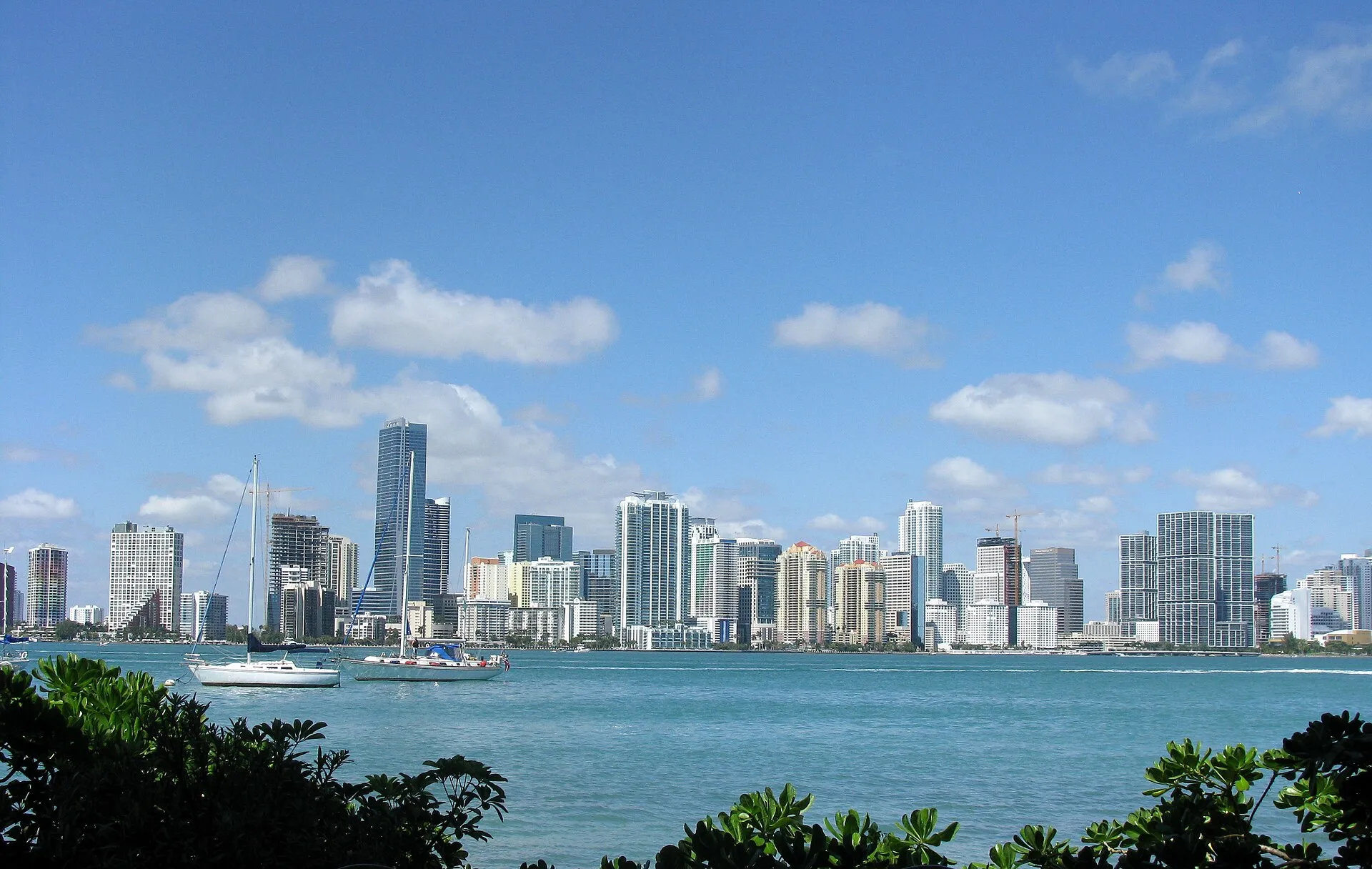
Cited city facts
Key facts for visiting Miami
Over 800 Art Deco buildings in the Historic District
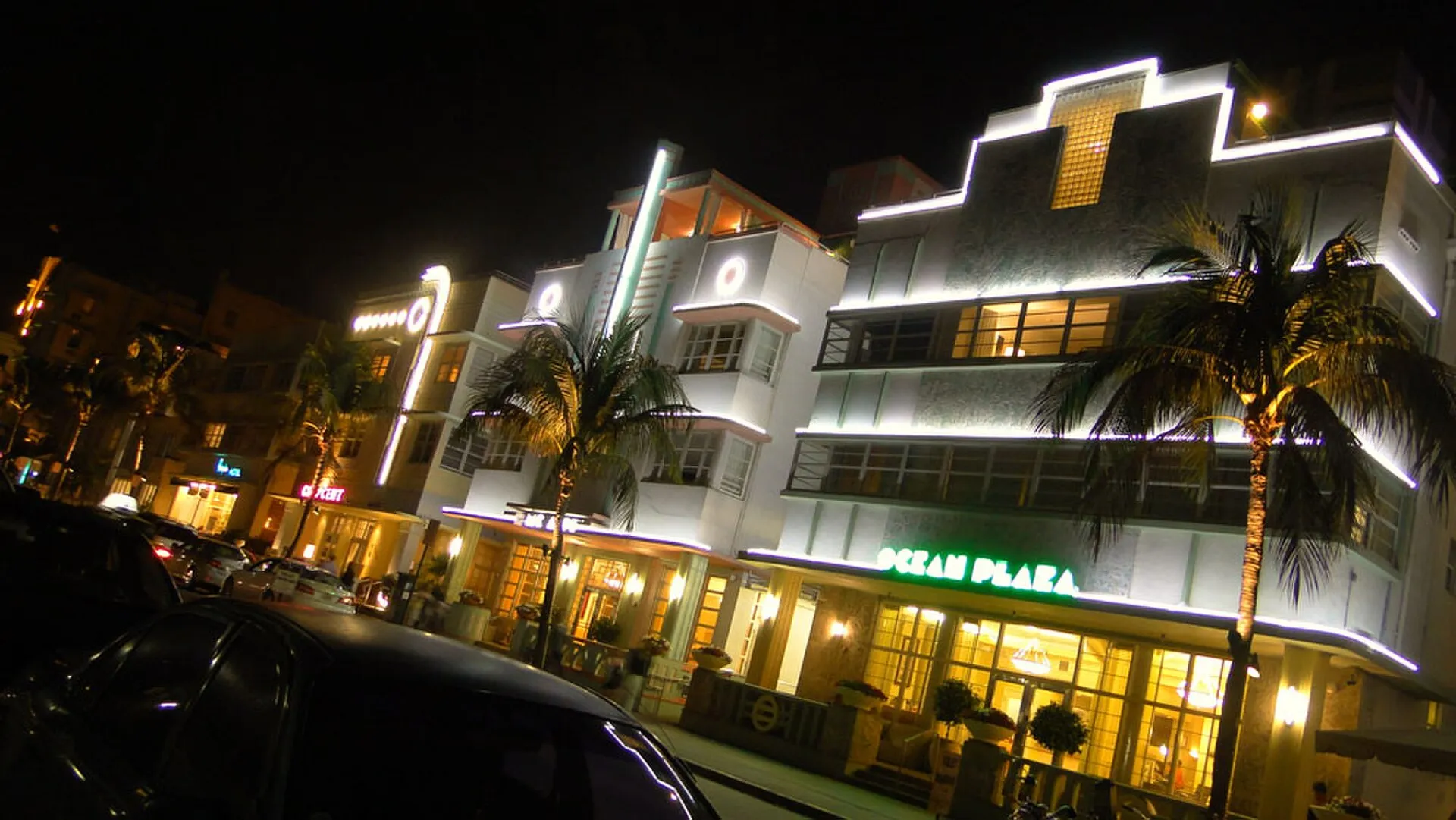
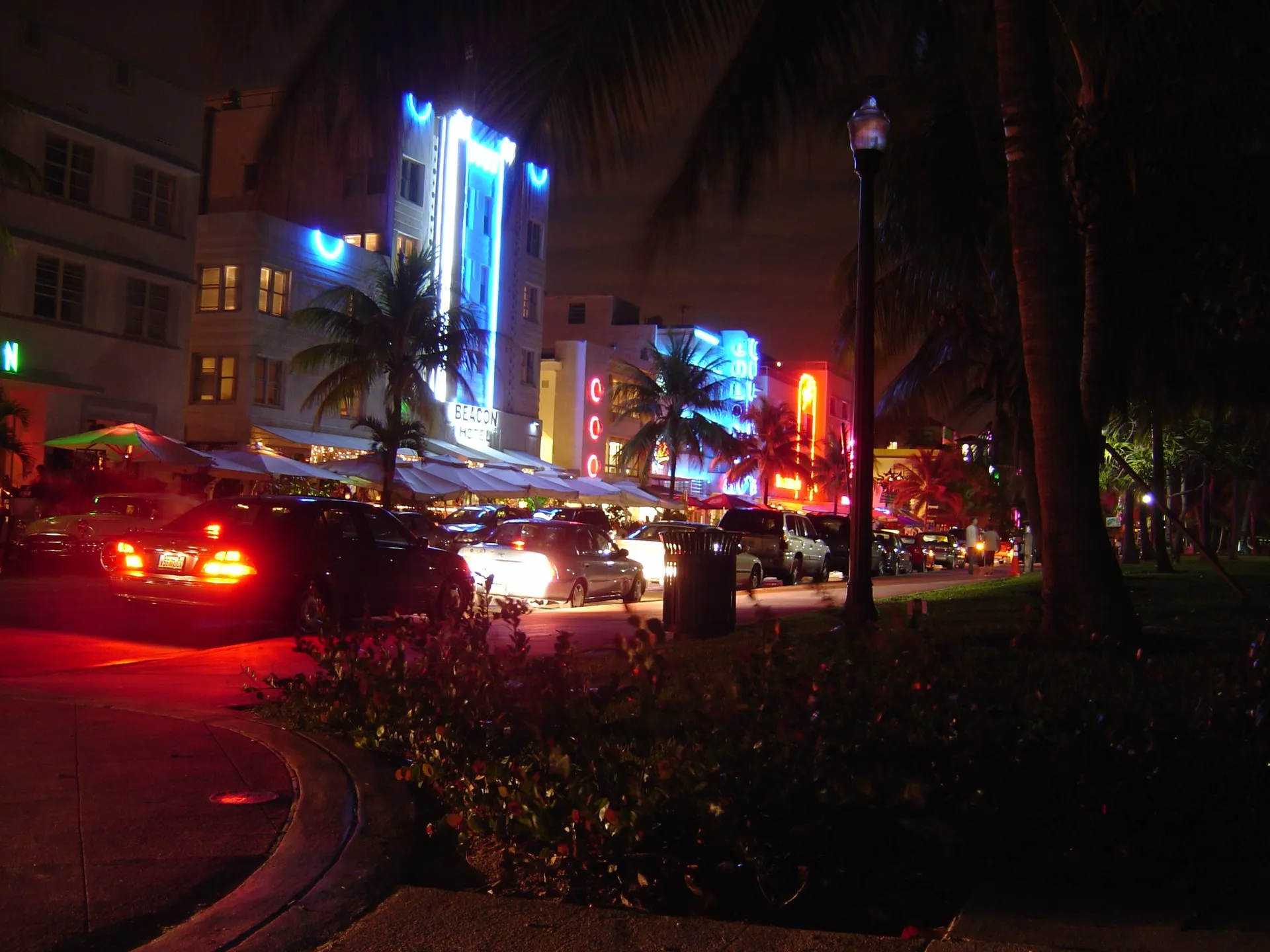
Miami Beach's Art Deco Historic District is the largest collection of Art Deco architecture in the world, with structures built between 1923 and 1943 in Streamline Moderne and Mediterranean Revival styles
The Everglades span 1.5 million acres
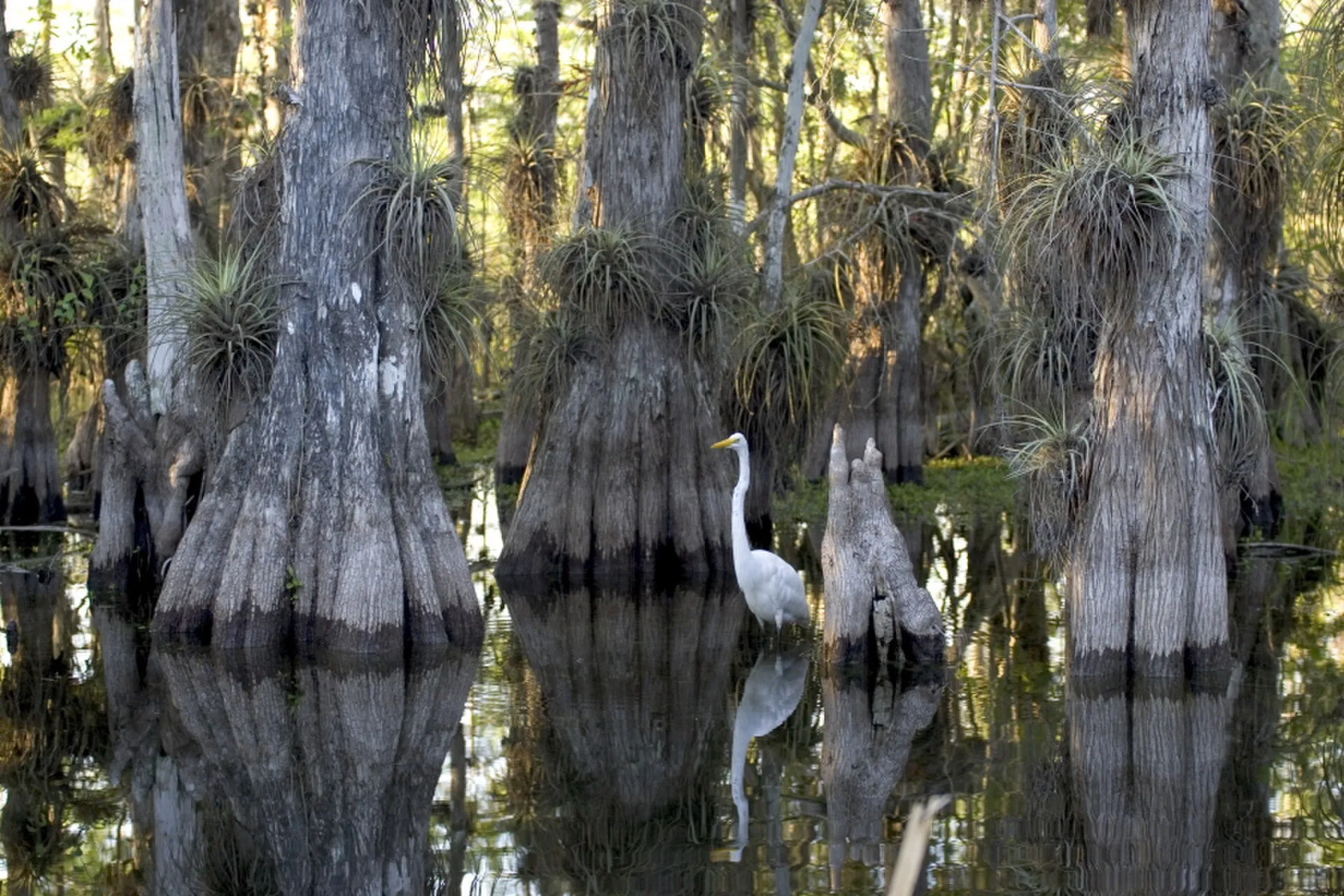
Often called the River of Grass, the Everglades is the largest subtropical wilderness in the United States and the only place on Earth where alligators and crocodiles coexist
73% of Miami residents speak a language other than English at home
Spanish is the dominant second language, but Miami's population also includes large Haitian Creole, Portuguese, and French-speaking communities
Vizcaya took over 1,000 workers and artisans to build
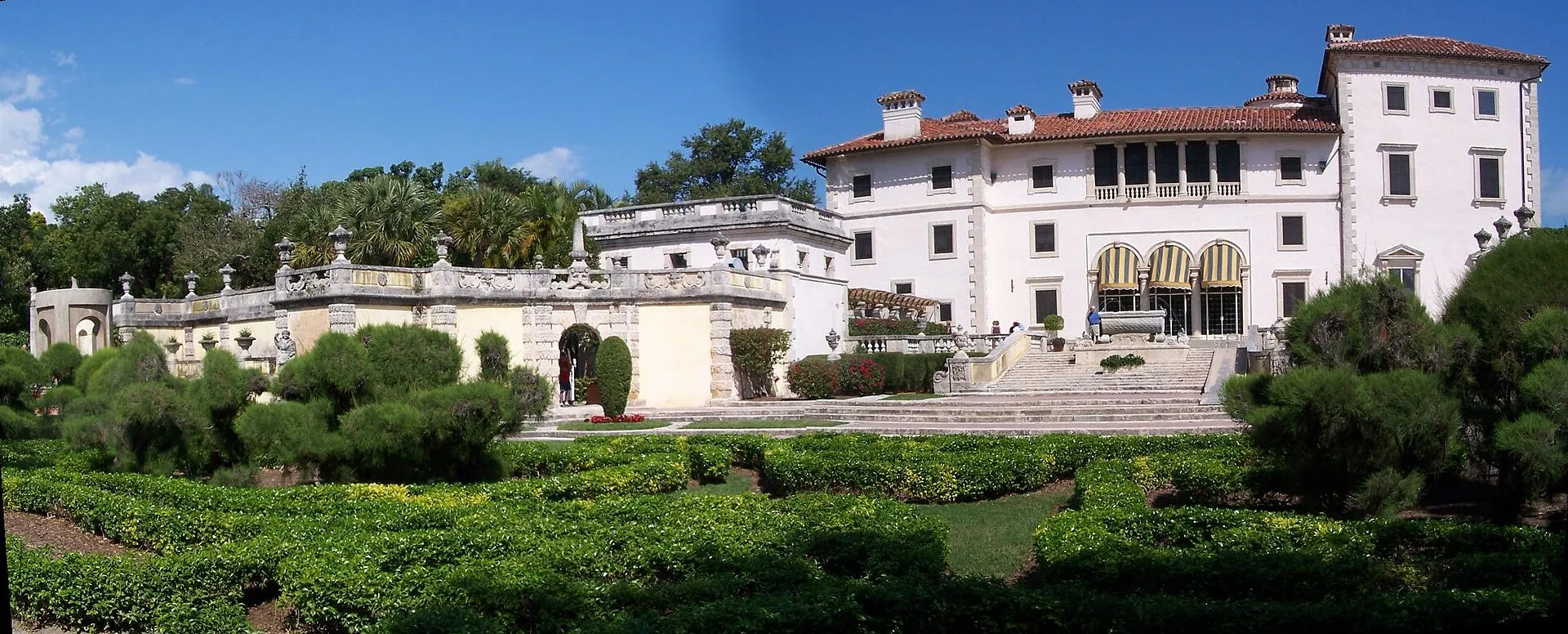
Industrialist James Deering's 1916 Italian Renaissance estate on Biscayne Bay employed roughly a tenth of Miami's population at the time, and today opens 34 furnished rooms and 10 acres of formal gardens to visitors
PortMiami is the Cruise Capital of the World
The port carries more cruise passengers than any other on Earth, and its downtown terminals make Miami the busiest embarkation point for Caribbean voyages
Miami International Airport is the top US gateway to Latin America and the Caribbean
One of the busiest international airports in the country, MIA connects the city to more Latin American and Caribbean destinations than any other US hub, underpinning Miami's role as a hemispheric business capital
Source: tour-guide.com — Free to cite with attribution
Things to see
What are the top attractions in Miami?
- South Beach sunrise — Watch the sky turn pink over the Atlantic before the crowds arrive, then breakfast at a pastel-painted cafe on Ocean Drive
- Art Deco walking tour — Guides from the Miami Design Preservation League explain the Streamline Moderne and Mediterranean Revival details hiding in plain sight
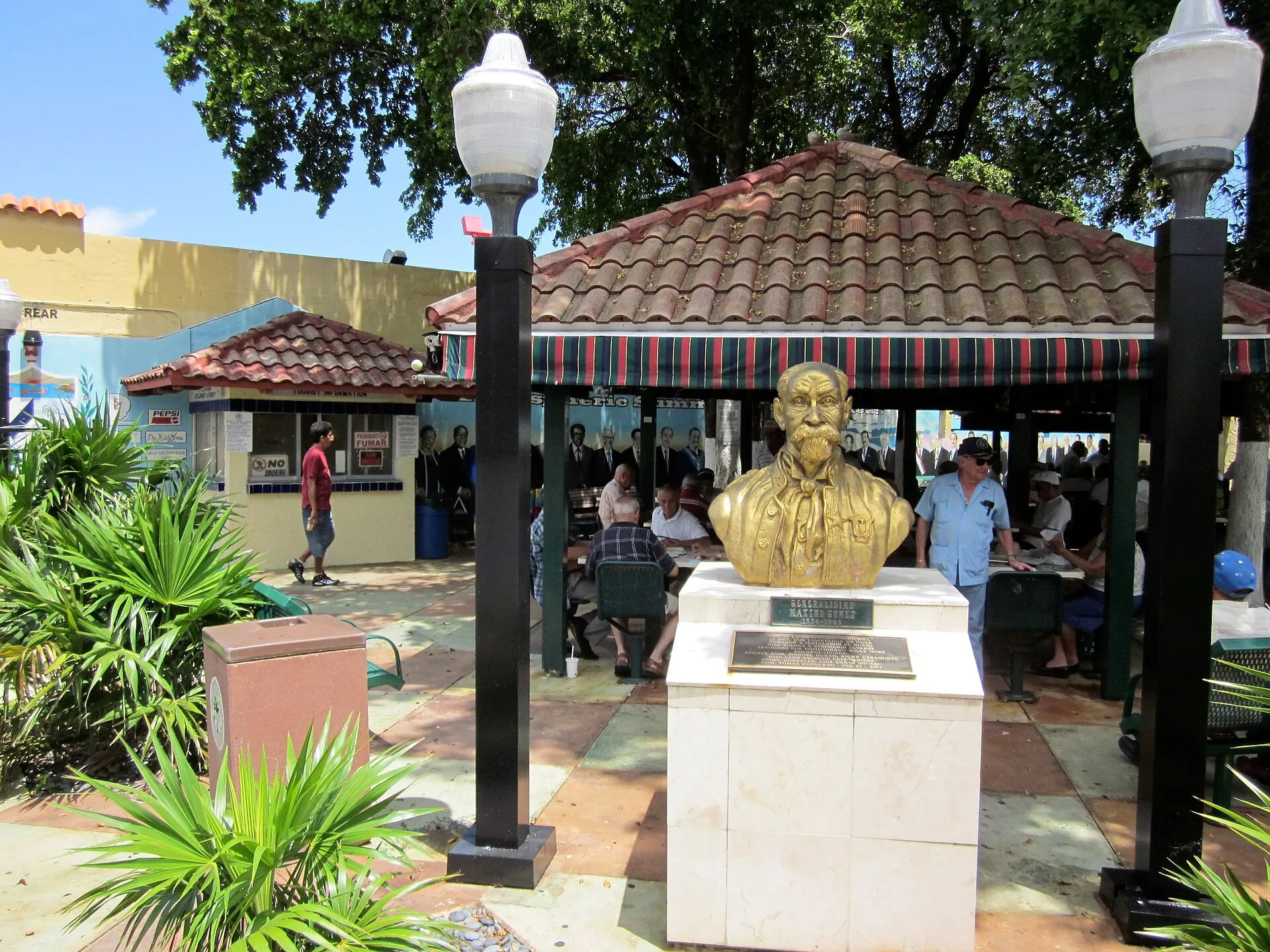
- Calle Ocho cafecito — Sip a thimble-sized Cuban coffee at a ventanita window in Little Havana while watching dominoes clack at Máximo Gómez Park
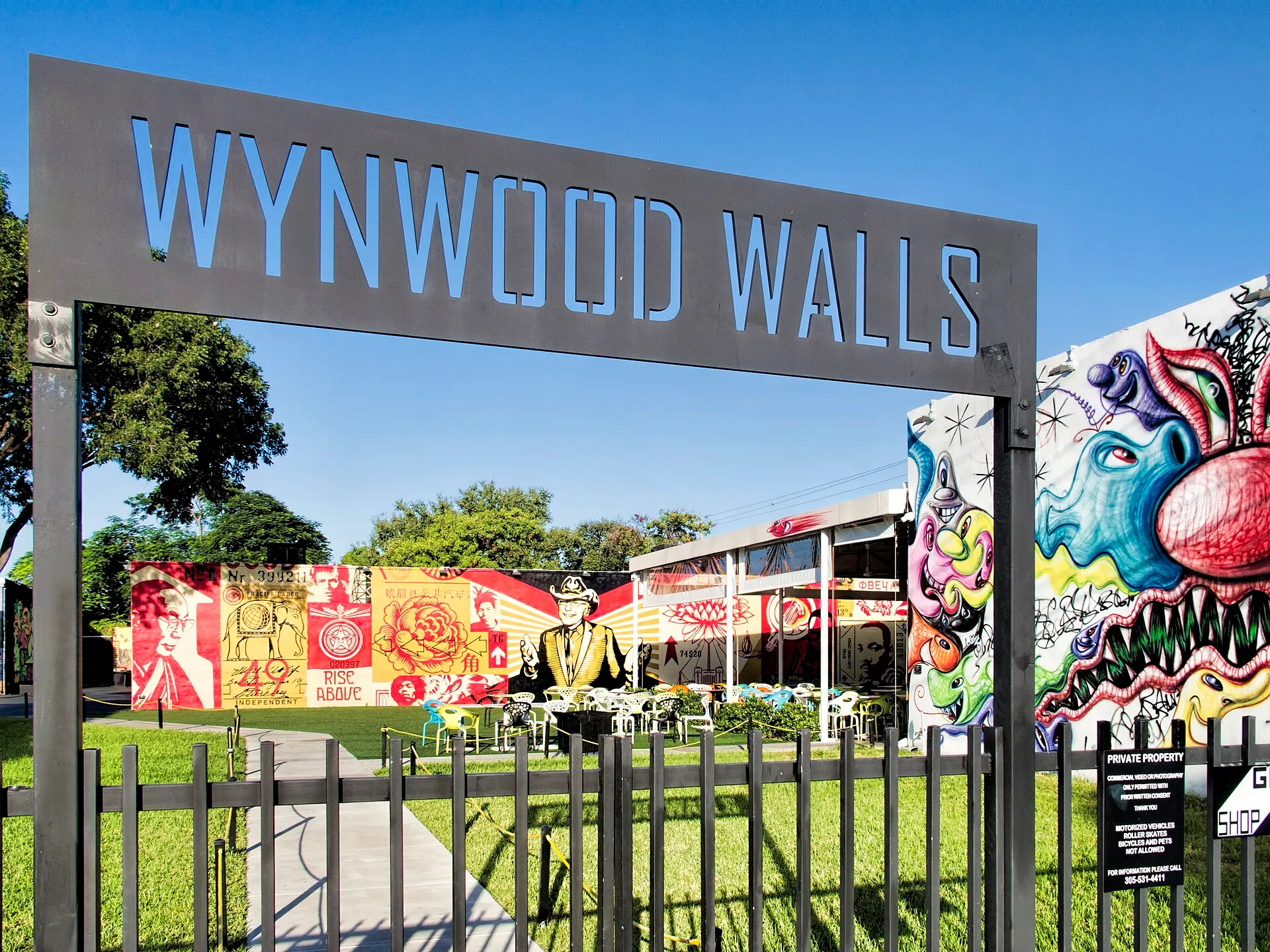
- Wynwood second Saturday — Galleries open late, food trucks line the streets, and new murals appear regularly on the ever-evolving warehouse walls
- Everglades airboat at dusk — Alligators surface as the sun drops, wading birds settle into roosts, and the sawgrass turns gold
- Vizcaya at golden hour — The Biscayne Bay light pours through the Italian Renaissance windows of this Gilded Age estate
Art Deco Historic District
Pastel paradise - the world's largest collection of Art Deco architecture on a sun-drenched shore
Everglades National Park
A fifty-mile-wide river of grass where alligators, manatees and spoonbills share one vast subtropical wilderness
Little Havana
The beating heart of Cuban exile culture, where Calle Ocho tells the story of a people and their adopted city
South Beach
Ten miles of white sand, candy-colored lifeguard towers, and the beach that launched a thousand postcards
Vizcaya Museum and Gardens
A Gilded Age villa on Biscayne Bay - Italian Renaissance grandeur in subtropical Miami
Wynwood Walls
Where warehouse walls became the world's largest outdoor gallery of contemporary street art
Guide planning
How much does a tour guide cost in Miami?
Miami's guide community mirrors the city's cultural kaleidoscope — bilingual Spanish-English guides are essential for Little Havana, architecture specialists decode the Art Deco Historic District, street-art curators lead the Wynwood Walls, and licensed naturalists spot wildlife most visitors miss in the Everglades. A tip of 15–20% is customary for private guides.
| Tour Type | Price | Details |
|---|---|---|
| Art Deco Walking Tour | $20-35 | Per person, 90 minutes |
| Little Havana Food Tour | $55-80 | Per person, 2.5 hours with tastings |
| Wynwood Street Art Tour | $30-55 | Per person, 2 hours |
| Everglades Airboat Tour | $35-65 | Per person, 1-2 hours |
| Vizcaya Private Docent | $250-400 | Up to 10 people, 90 minutes |
| Private City Tour | $250-450 | Up to 6 people, 4 hours |
Season planner
When is the best time to visit Miami?
- December–April — Peak dry season: warm days (70–80°F), low humidity, and the calmest, clearest Atlantic. Hotel rates and crowds peak with it
- March — The busiest month, when the Little Havana Calle Ocho Festival (the largest Hispanic street party in the U.S.), the Miami Open tennis, Miami Music Week, and spring break all overlap
- February — The South Beach Wine & Food Festival and near-perfect beach weather make this the sweet spot for a first visit
- Early December — Art Basel Miami Beach draws the global art world and repaints the Wynwood Walls, though prices spike
- May–June — Shoulder season with lower hotel rates, warm water, and manageable humidity before the summer storms
- Avoid — September–October sit at the peak of hurricane season, and July and August bring daily afternoon thunderstorms and oppressive heat
Spring
Mar-May
Summer
Jun-Aug
Autumn
Sep-Nov
Winter
Dec-Feb
Each score averages that season’s monthly ratings out of 5. The top-rated window is usually the peak season too, so read the guidance above for its trade-offs before you book.
On the ground
How do you get around Miami?
- Metromover — Free elevated people-mover looping through downtown, Brickell, and Omni — the easiest way to connect these neighborhoods
- Metrorail — The elevated train runs north–south from Miami International Airport through downtown to South Miami, with a station beside Vizcaya
- Brightline — The higher-speed Brightline train links downtown's MiamiCentral with Fort Lauderdale, West Palm Beach, and Orlando, a car-free way to reach the rest of South Florida
- Ride-share — Uber and Lyft are the most practical way to reach South Beach, Wynwood, and Little Havana from downtown
- On foot and by trolley — Ocean Drive, Lincoln Road, and the beach are walkable, and the free Miami Beach Trolley loops along Collins and Washington Avenues once you arrive
- Everglades access — Day trips to the Everglades require a car or guided tour; most depart from Shark Valley or the Homestead entrance about 45 minutes south
Frequently Asked Questions
What is the best time to visit Miami?
November-April: Dry season with warm temperatures (70-80°F), low humidity, and the least rainfall—peak tourist season.
How much does a tour guide cost in Miami?
Art Deco Walking Tour: $20-35 per person for 90 minutes. Little Havana Food Tour: $55-80 per person for 2.5 hours with tastings. Everglades Airboat Tour: $35-65 per person for 1-2 hours. Private City Tour: $250-450 for up to 6 people, 4 hours.
How do you get around Miami?
The free Metromover monorail loops through downtown, Brickell, and Omni. Metrorail runs north-south from the airport through downtown to South Miami. Ride-share is the most practical way to reach South Beach, Wynwood, and Little Havana. Ocean Drive and Lincoln Road are walkable once you arrive.
Which Miami neighborhoods are worth visiting?
Each neighborhood offers a different Miami. South Beach pairs the Atlantic with the pastel Art Deco Historic District; Little Havana centers Cuban-exile culture along Calle Ocho; Wynwood is the street-art district built around the Wynwood Walls; Brickell is the high-rise financial core; and Coconut Grove and Coral Gables offer leafy, historic calm.
How many days do you need in Miami?
Three to four days covers the essentials: one for South Beach and the Art Deco Historic District, one split between Little Havana and Wynwood, one for a day trip to the Everglades, and time for Vizcaya or the beach. A long weekend works, but a full week lets you slow down and add the Florida Keys.