

Boston timeline
-
Puritans found Boston
John Winthrop's colonists settle the Shawmut Peninsula, naming the town for Boston in Lincolnshire and founding what becomes the capital of Massachusetts and the hub of New England.
-
America's first public school
Boston Latin School opens, the oldest public school in the United States, followed a year later by Harvard College across the Charles River in Cambridge.
-
The Boston Massacre
British soldiers fire into a crowd on King Street, killing five; the engraving Paul Revere made of the scene became a rallying image for the independence movement.
-
The Boston Tea Party
Colonists disguised as Mohawks dump 342 chests of East India Company tea into the harbour in protest against taxation without representation.
-
Revolution erupts
Paul Revere's midnight ride, the battles of Lexington and Concord, and the Battle of Bunker Hill open the war; the eleven-month Siege of Boston ends with the British evacuation in March 1776.
-
Subway and Marathon debut
The Tremont Street Subway opens as the first in the United States, and the inaugural Boston Marathon is run, both landmarks of the city's turn-of-the-century ambition.
-
Fenway Park opens
The Red Sox christen their new ballpark the same week the Titanic sank; it endures as the oldest park in Major League Baseball.
-
The Big Dig finishes
The 15-year, $15-billion rerouting of the Central Artery underground reconnected downtown to the waterfront and created the Rose Kennedy Greenway ribbon of parks.
- 1840s-1850s
Irish immigration surges
Families fleeing the Great Famine pour into the North End and South Boston, reshaping the city and laying the roots of the Irish-American political dynasty that produced President John F. Kennedy.
Cited city facts
Key facts for visiting Boston
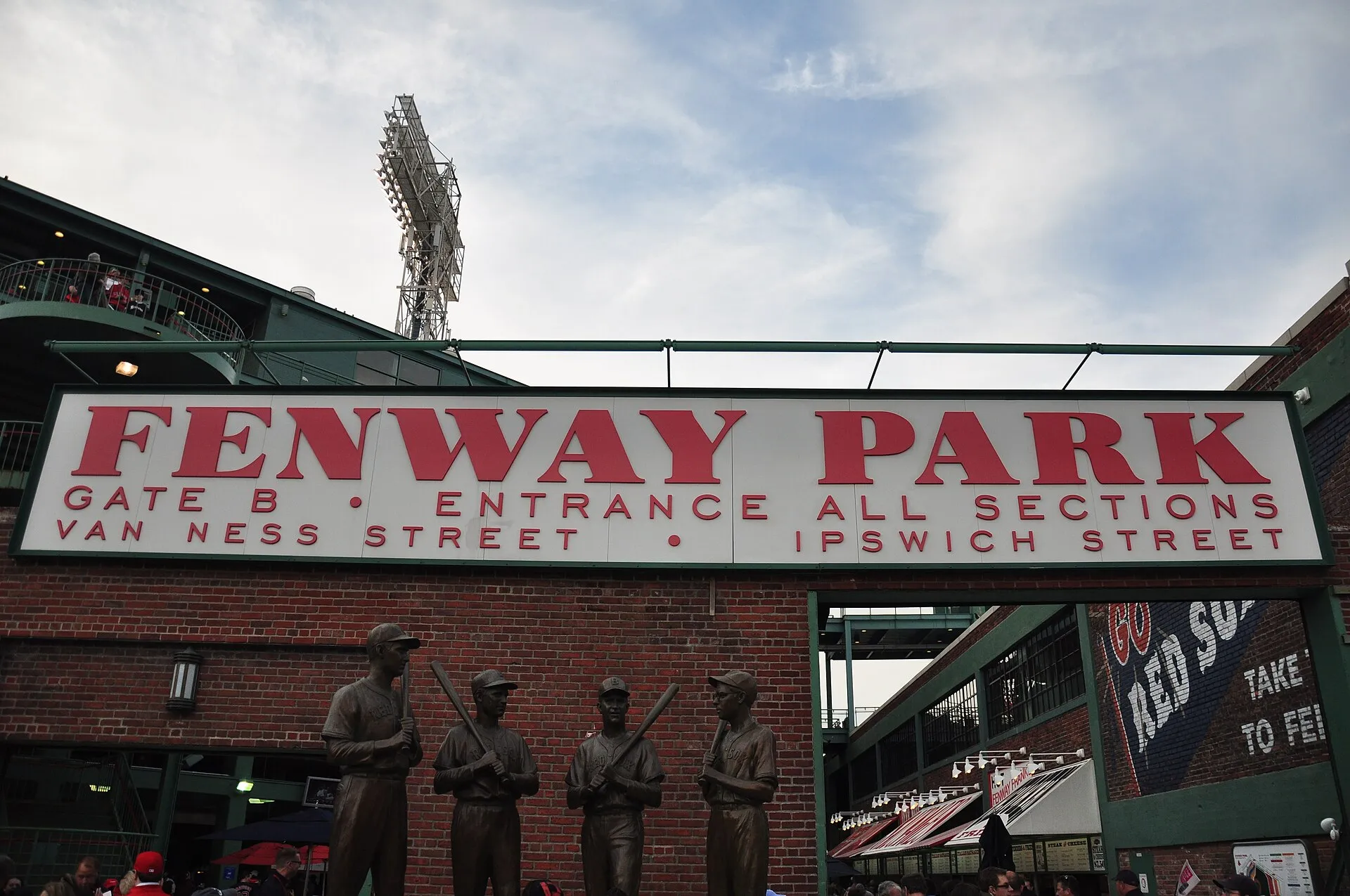
Fenway Park opened on April 20, 1912
It is the oldest active Major League Baseball stadium in the country, and the Green Monster left-field wall has stood 37 feet tall for over a century
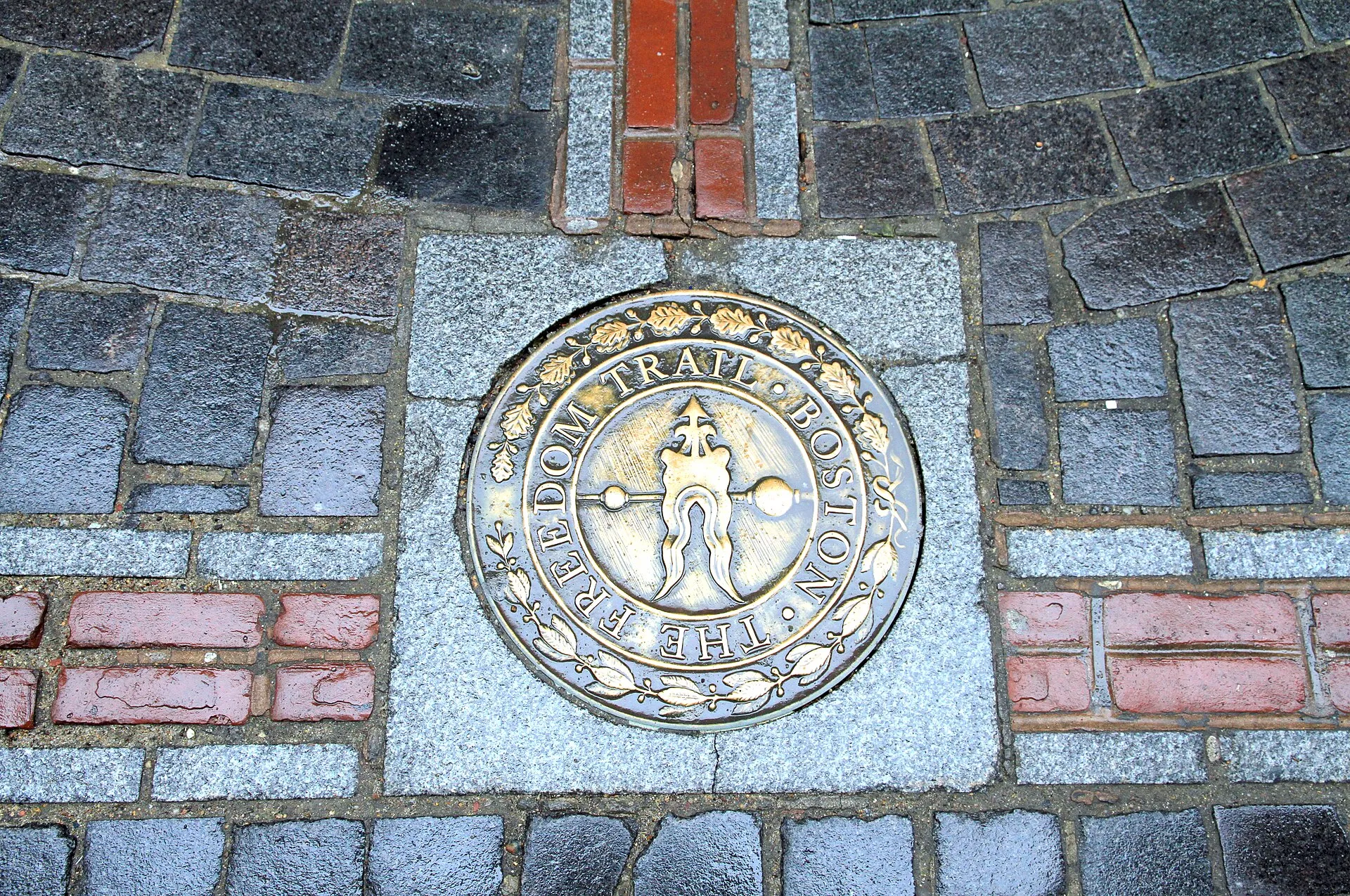
The Freedom Trail covers 16 historic sites in 2.5 miles
A single red-painted line connects landmarks from the 1630 founding of Boston Common through the battles that launched American independence
Boston Common was set aside as public land in 1634
It is the oldest public park in the United States, bought from the Reverend William Blackstone by taxing each household roughly six shillings, and has hosted protest and celebration ever since
Boston's subway opened on September 1, 1897
The Tremont Street tunnel made Boston home to the first underground rapid transit system in the United States, predating New York's by seven years
The Boston Marathon has been run since 1897
Staged on Patriots' Day each April from Hopkinton to Copley Square, it is the world's oldest annual marathon and draws about 30,000 runners and half a million spectators
Over 50 colleges and universities in the metro area
Greater Boston enrolls roughly 250,000 students each academic year, anchored by Harvard (founded 1636) and MIT, making it the most concentrated academic hub in the Western Hemisphere
Source: tour-guide.com — Free to cite with attribution
Things to see
What are the top attractions in Boston?
- Walk the entire Freedom Trail — Follow the red-painted line from Boston Common through the North End to the Charlestown Navy Yard, covering 2.5 miles and 400 years past 16 Revolutionary sites
- Catch a game at Fenway Park — Sing "Sweet Caroline" in the eighth inning and watch the sun set behind the Green Monster at the oldest park in baseball; off-season ballpark tours run year-round
- North End dinner — Skip the tourist traps on Hanover Street; a guide knows which family-owned places serve the handmade pasta and which bakeries out-bake Mike's Pastry, steps from Paul Revere's House
- Harvard Yard at dusk — Rub the toe of the John Harvard statue for luck, then wander the Widener Library steps across the Charles River in Cambridge as the lamplights flicker on
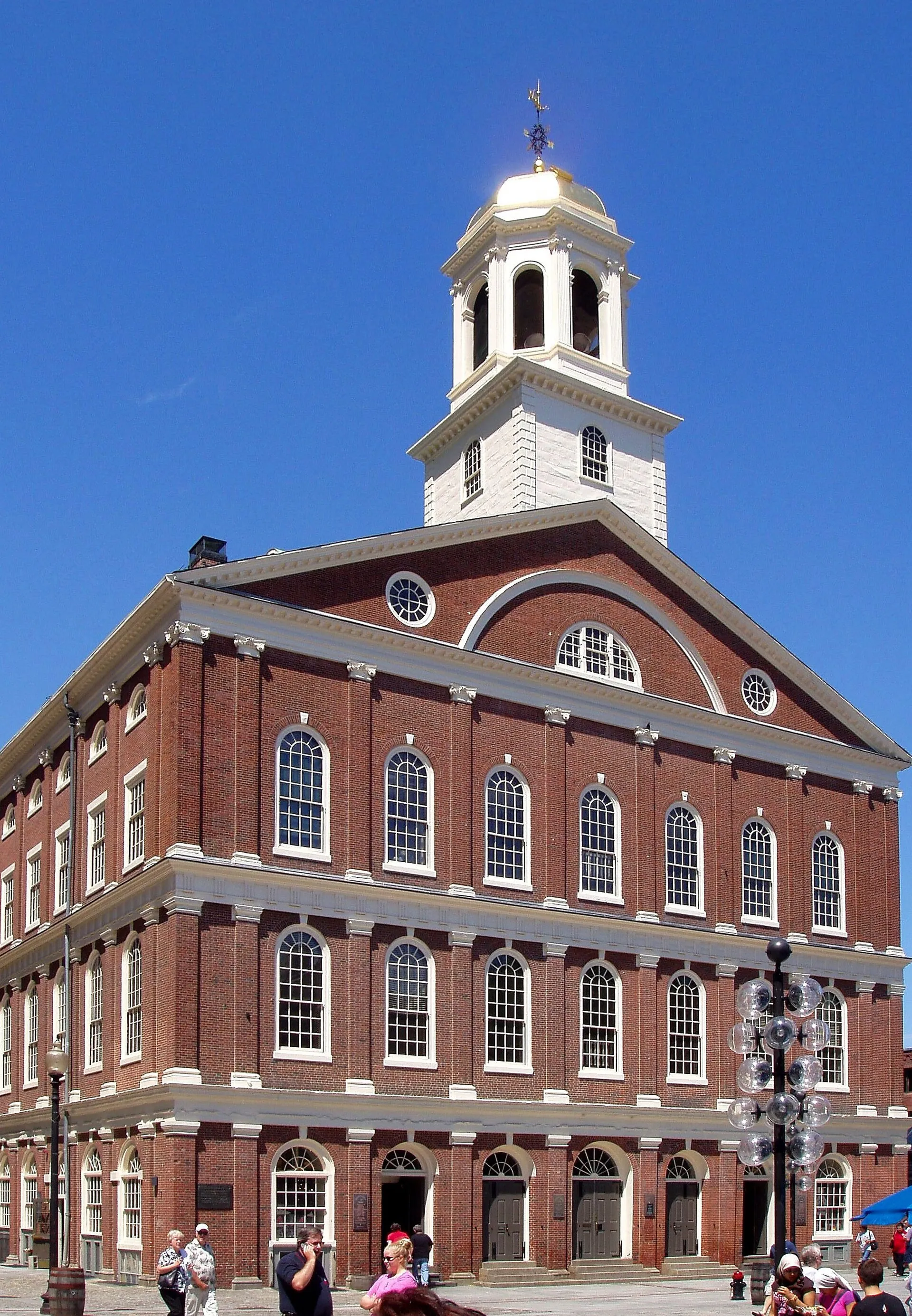
- Faneuil Hall and Quincy Market — Stand where Samuel Adams rallied colonists against British taxation, then grab a lobster roll at the marketplace next door
- New England Aquarium whale watch — Board a high-speed catamaran from Central Wharf for a seasonal trip to Stellwagen Bank, one of the best whale-watching grounds in the Atlantic
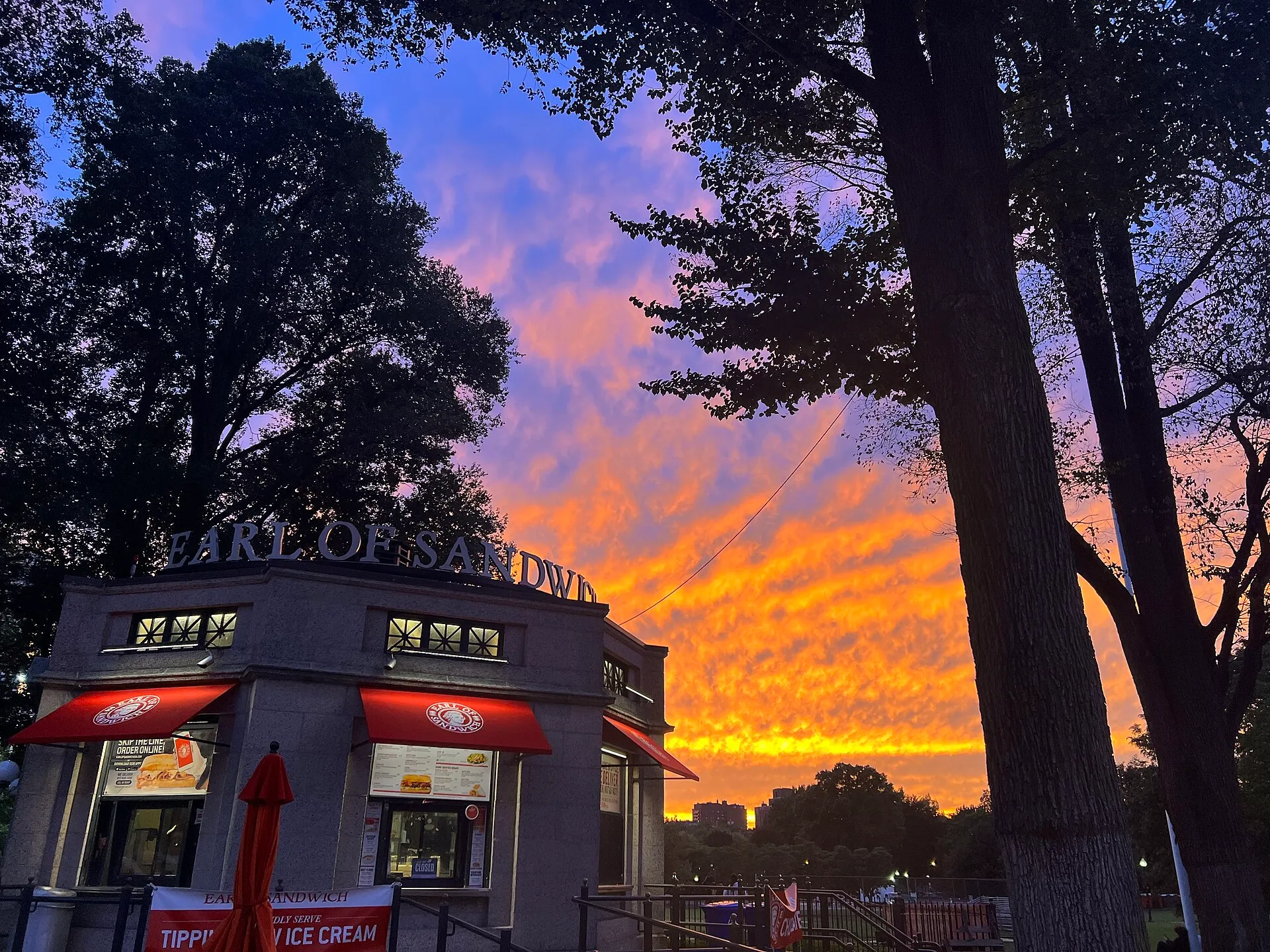
🌳 Boston Common
America's oldest public park - nearly four centuries of democracy, protest, and community on 50 green acres
📜 Faneuil Hall
The Cradle of Liberty - where American democracy found its voice in 1742
🎟️ Fenway Park
America's most storied ballpark since 1912, where the Green Monster looms over every Red Sox summer
🚶 Freedom Trail
A 2.5-mile red-brick path through the birth of American independence - sixteen sites where revolution became reality
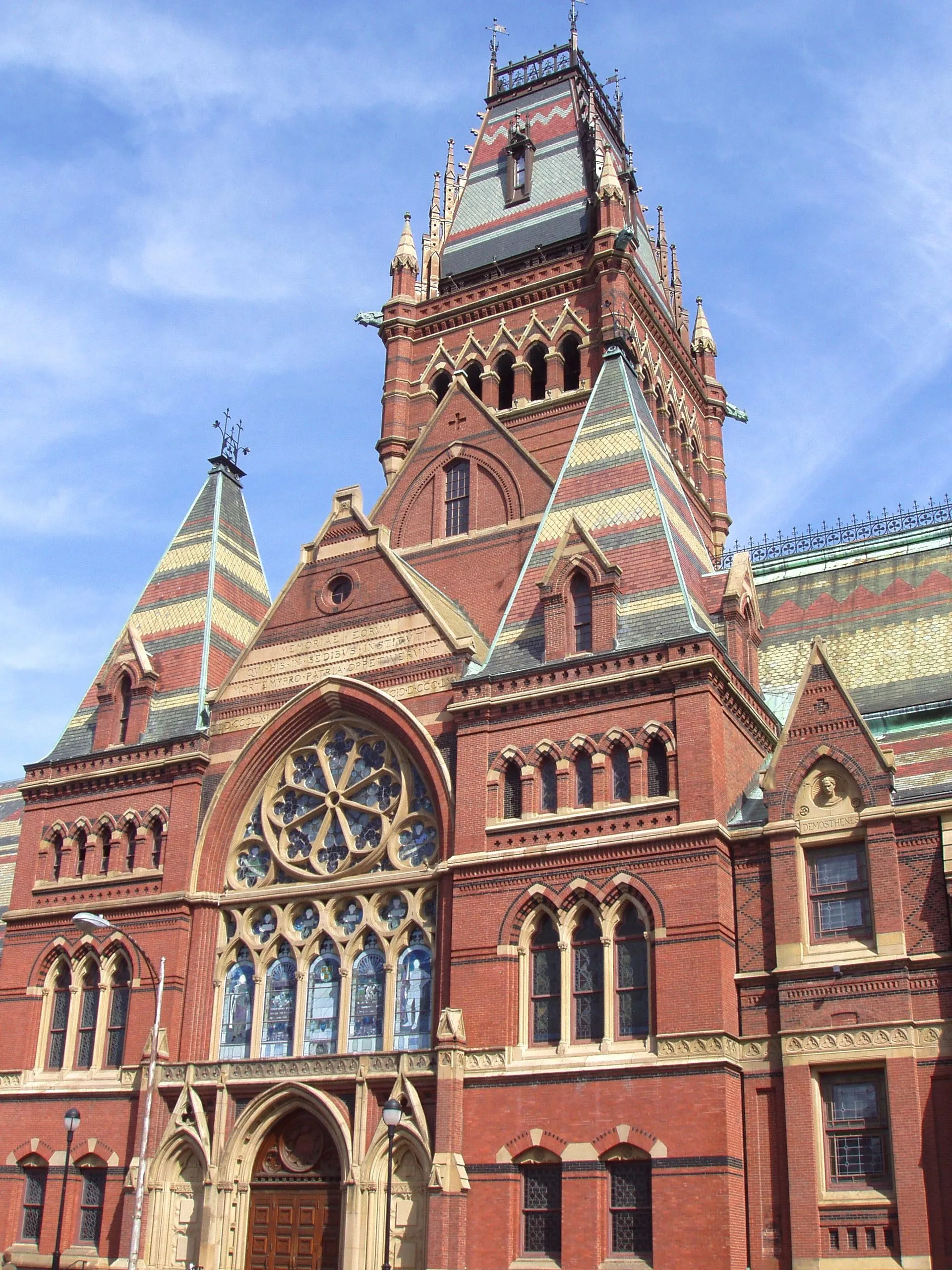
📜 Harvard University
America's oldest university since 1636 — where eight presidents studied amid red brick and ivy
🏛️ New England Aquarium
A four-story ocean on Boston's waterfront — sharks overhead, whale watching from Central Wharf

Guide planning
How much does a tour guide cost in Boston?
Boston's guide scene spans Freedom Trail historians, university campus specialists, North End food experts, and harbor maritime guides. National Park Service rangers lead free walks at several Freedom Trail sites, including Faneuil Hall and the Charlestown Navy Yard, so a day of serious history need not cost much at all.
| Tour Type | Price | Details |
|---|---|---|
| Freedom Trail Walk | $15-25 | Per person, 2 hours, costumed guides |
| North End Food Tour | $60-85 | Per person, 3 hours with tastings |
| Harvard Campus Tour | Free-$20 | Per person, 70 minutes, student-led |
| Fenway Park Ballpark Tour | $25-35 | Per person, 1 hour, non-game days |
| Private City Tour | $275-450 | Up to 6 people, 4 hours |
Tipping: 15-20% is customary for private guides, and a few dollars per person is standard on free ranger-led or "pay-what-you-wish" walks. Book costumed Freedom Trail and North End food tours a week ahead in peak foliage season, when they sell out.
Season planner
When is the best time to visit Boston?
- September-October: Peak foliage season turns the Common and Public Garden into a blaze of red and gold, with comfortable temperatures in the 50s and 60s, the energy of returning students, and the Head of the Charles Regatta — the world's largest rowing event — filling the river in mid-October
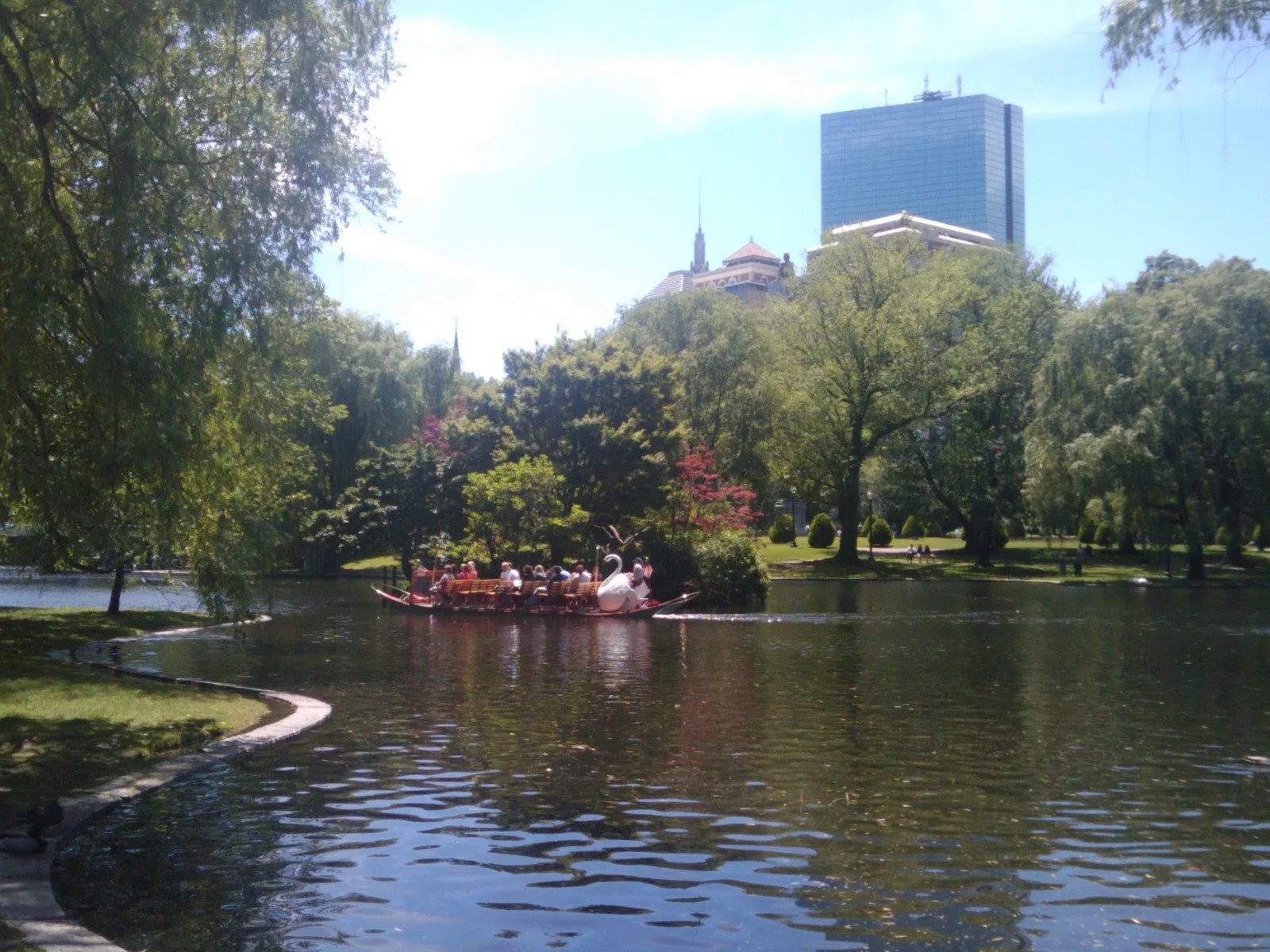
- April-May: Spring arrives with cherry blossoms along the Charles River, swan boats returning to the Public Garden, and the Boston Marathon on Patriots' Day in mid-April, the world's oldest annual marathon, first run in 1897
- Summer (June-August): Warm and lively with harbor cruises, the free Boston Pops Fireworks Spectacular on the Esplanade every Fourth of July, and Red Sox games at Fenway Park, though hotel prices peak
- Winter reality: December through February brings cold, snow, and nor'easters, but also uncrowded museums, the First Night New Year's celebration, Frog Pond ice skating on Boston Common, and the lowest hotel rates of the year
On the ground
How do you get around Boston?
The MBTA subway, known as the T, is America's oldest transit system — its Tremont Street tunnel opened in 1897 — and its four colour-coded lines (Red, Green, Orange, Blue) plus the Silver Line bus rapid transit connect every major neighbourhood for $2.40 a ride with a CharlieCard. The Red Line reaches Harvard in Cambridge in about 15 minutes; the Green Line runs out to Fenway Park at Kenmore.
Boston's compact, walkable layout is its secret weapon: the Freedom Trail, North End, and waterfront are all linked on foot within minutes, and the city consistently ranks among the most walkable in the United States. Water taxis and harbor ferries connect the Seaport district, the Charlestown Navy Yard, and the New England Aquarium, while the Silver Line runs from South Station to Logan International Airport fare-free inbound.
For longer hops, MBTA commuter rail reaches Salem, Concord, and Plymouth, while frequent buses from Alewife serve Lexington, and Bluebikes docks blanket the inner neighbourhoods. Driving is the one thing to avoid — the colonial street grid, scarce parking, and famously assertive local drivers make a car more burden than asset.
Boston in Pictures
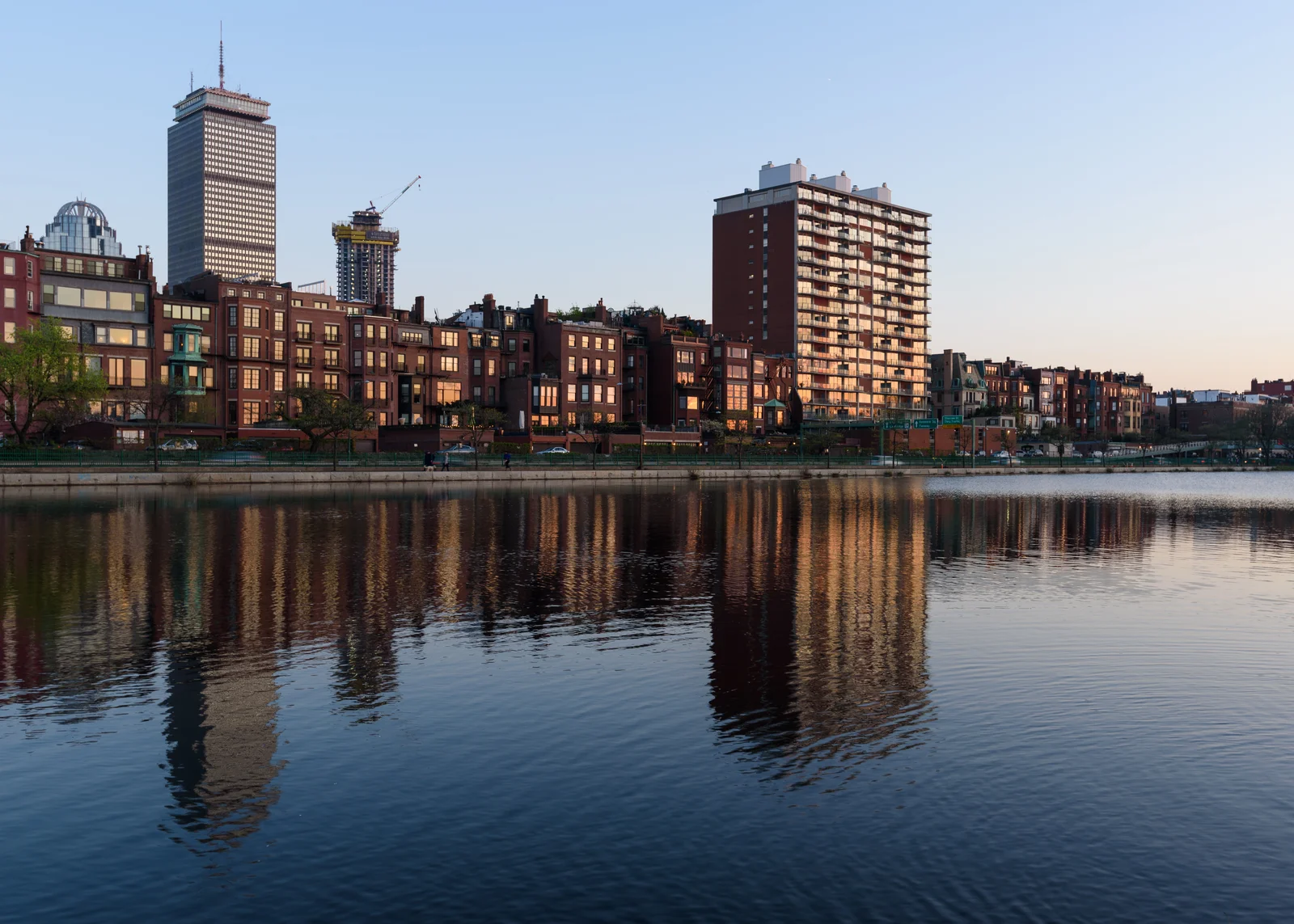
Frequently Asked Questions
What is the best time to visit Boston?
September-October brings peak fall foliage, comfortable temperatures in the 50s-60s, and returning college energy. April-May offers cherry blossoms along the Charles River, swan boats in the Public Garden, and the Boston Marathon. Summer is warm and lively but hotel prices peak, while winter is cold with snow but offers uncrowded museums and the lowest rates.
How much does a tour guide cost in Boston?
Freedom Trail walking tours cost $15-25 per person for about 2 hours, while North End food tours run $60-85 per person including tastings. Private half-day city tours for up to 6 people range from $150-250, and Harvard campus tours are free to $20 per person.
How do you get around Boston?
The MBTA subway (the T), America's oldest transit system, connects all major neighborhoods and costs $2.40 per ride with a CharlieCard. Boston's compact layout makes walking ideal — the Freedom Trail, North End, and waterfront are all connected on foot within minutes. Water taxis and harbor ferries also link the Seaport district, Charlestown Navy Yard, and airport.
How many days do you need to see Boston?
Two to three days suit most first-time visitors. Day one covers the Freedom Trail from Boston Common through Faneuil Hall to Charlestown; day two crosses the Charles River to Harvard and MIT in Cambridge, with an afternoon in the North End or along the waterfront at the New England Aquarium. A third day leaves room for a Fenway Park tour, a harbor whale watch, or a day trip to Salem, Lexington, and Concord — all reachable on the MBTA or commuter rail.
Which Boston neighborhoods are worth exploring on foot?
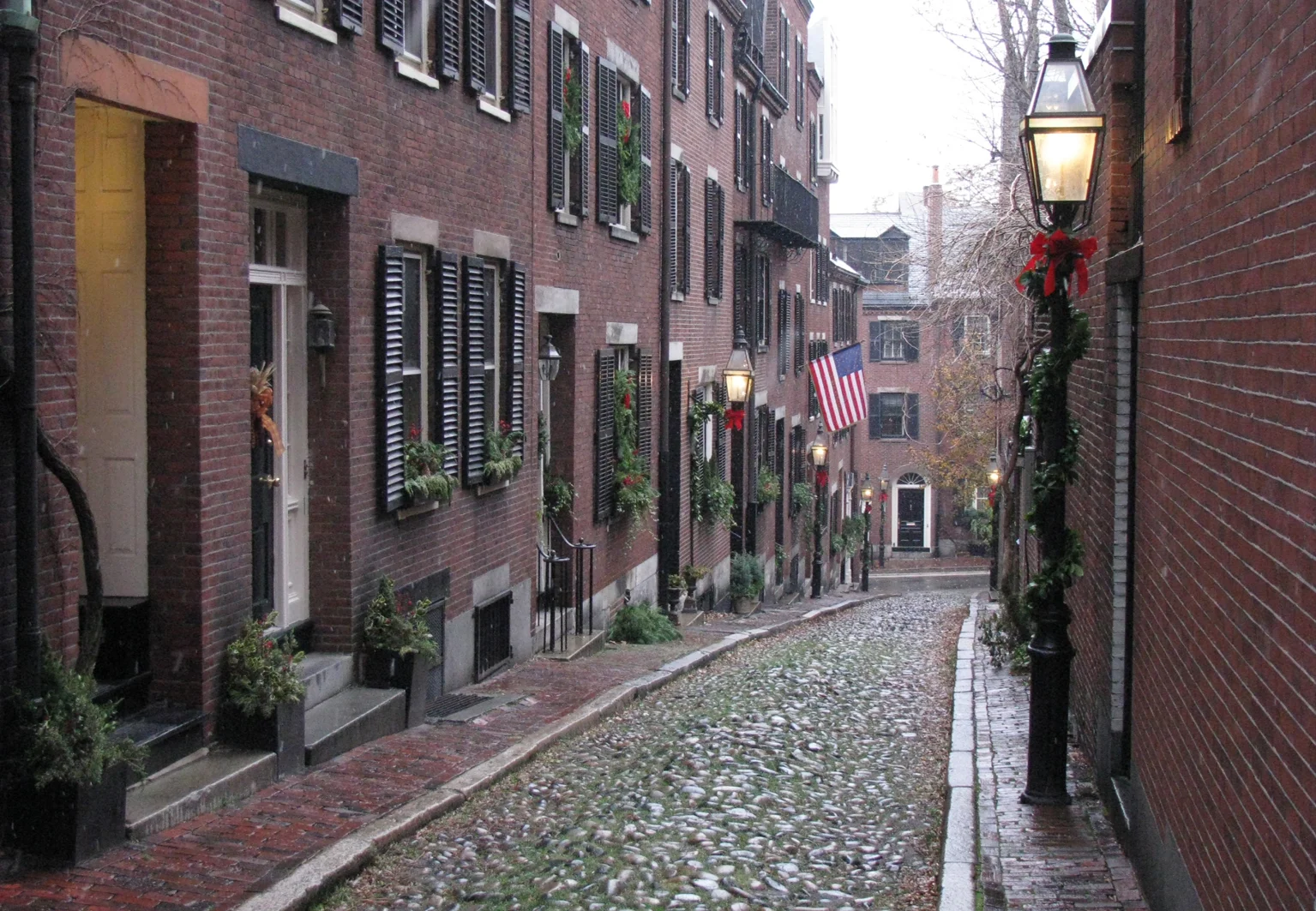
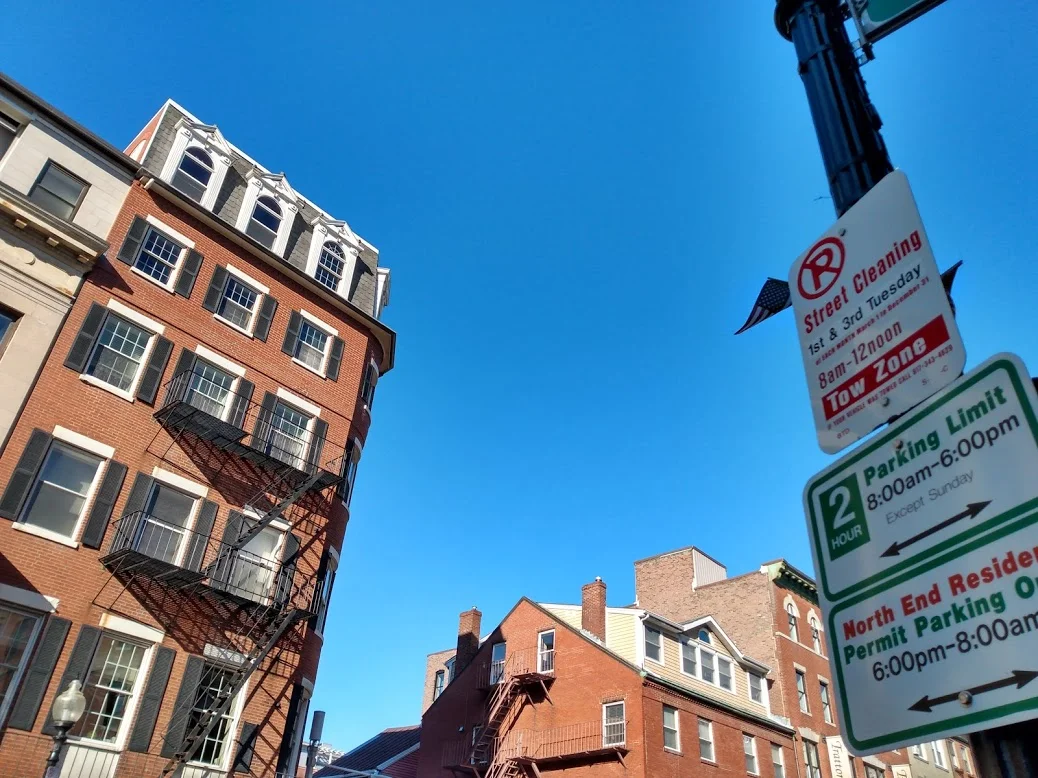
Beacon Hill's gaslit cobblestone lanes and Federal-era row houses sit minutes from Boston Common, the Italian North End packs cannoli bakeries and Paul Revere's House into a few blocks, and the Seaport and waterfront pair the New England Aquarium with harbor views. Back Bay lines Newbury Street with brownstones and shopping, while across the Charles, Cambridge wraps around Harvard Yard and MIT. Boston's compact scale means you can walk between several of these in a single afternoon.