

Honolulu timeline
-
Oahu unified
Kamehameha I's victory made Honolulu harbor part of a unified Hawaiian kingdom.
-
Kingdom capital
Honolulu became the capital, concentrating palace, port, and missionary history.
-
Monarchy overthrown
American businessmen backed by U.S. Marines deposed Queen Liliuokalani and seized Iolani Palace.
-
Pearl Harbor attacked
The attack made Honolulu central to World War II memory in the Pacific.
-
Statehood
Hawaii joined the Union as the 50th state, with Honolulu as its capital.
Cited city facts
Key facts for visiting Honolulu
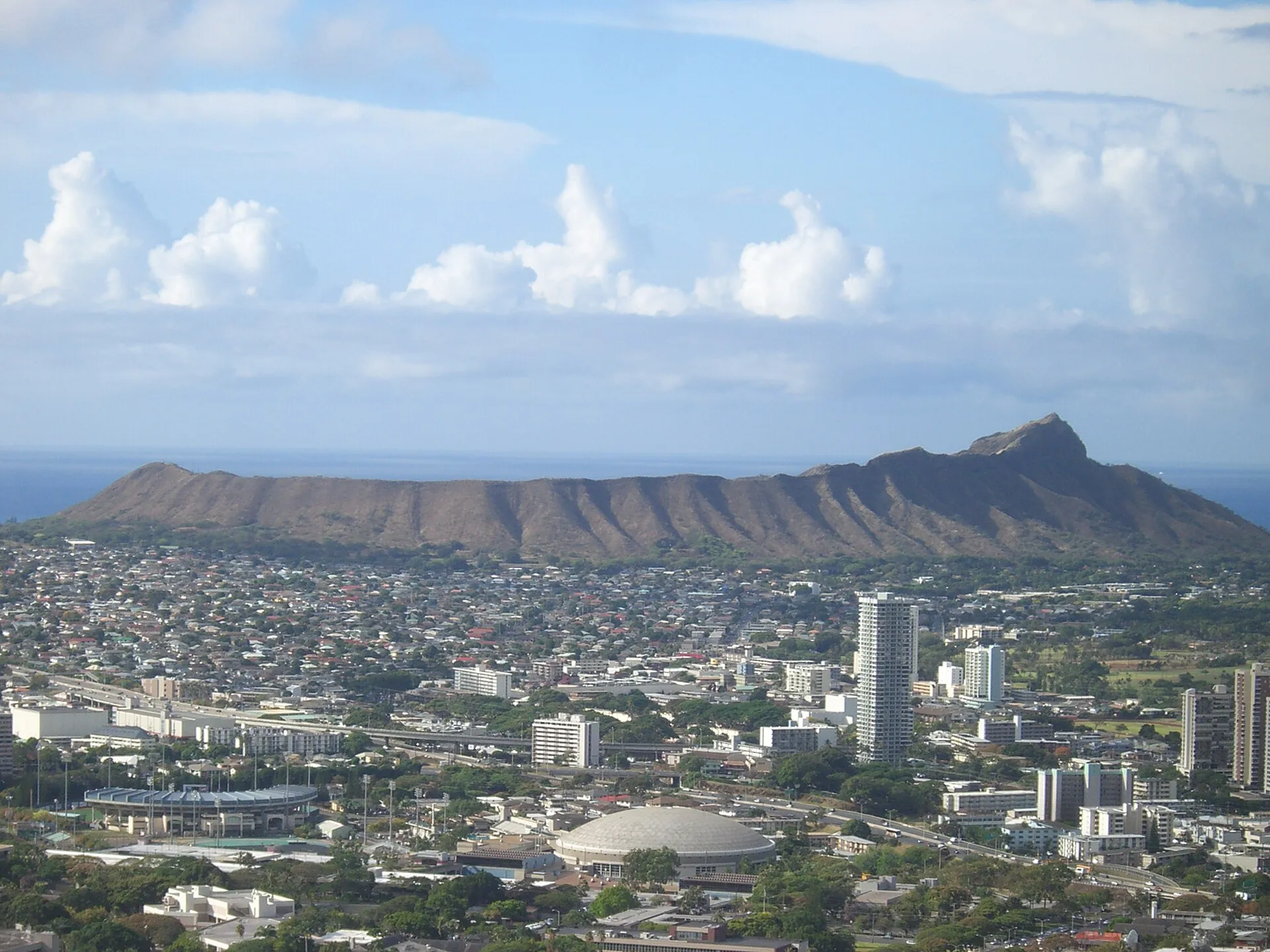
Diamond Head crater formed roughly 300,000 years ago
The volcanic tuff cone rises 760 feet above the sea and was named by 19th-century British sailors who mistook calcite crystals on its slopes for diamonds; Hawaiians know it as Le'ahi.
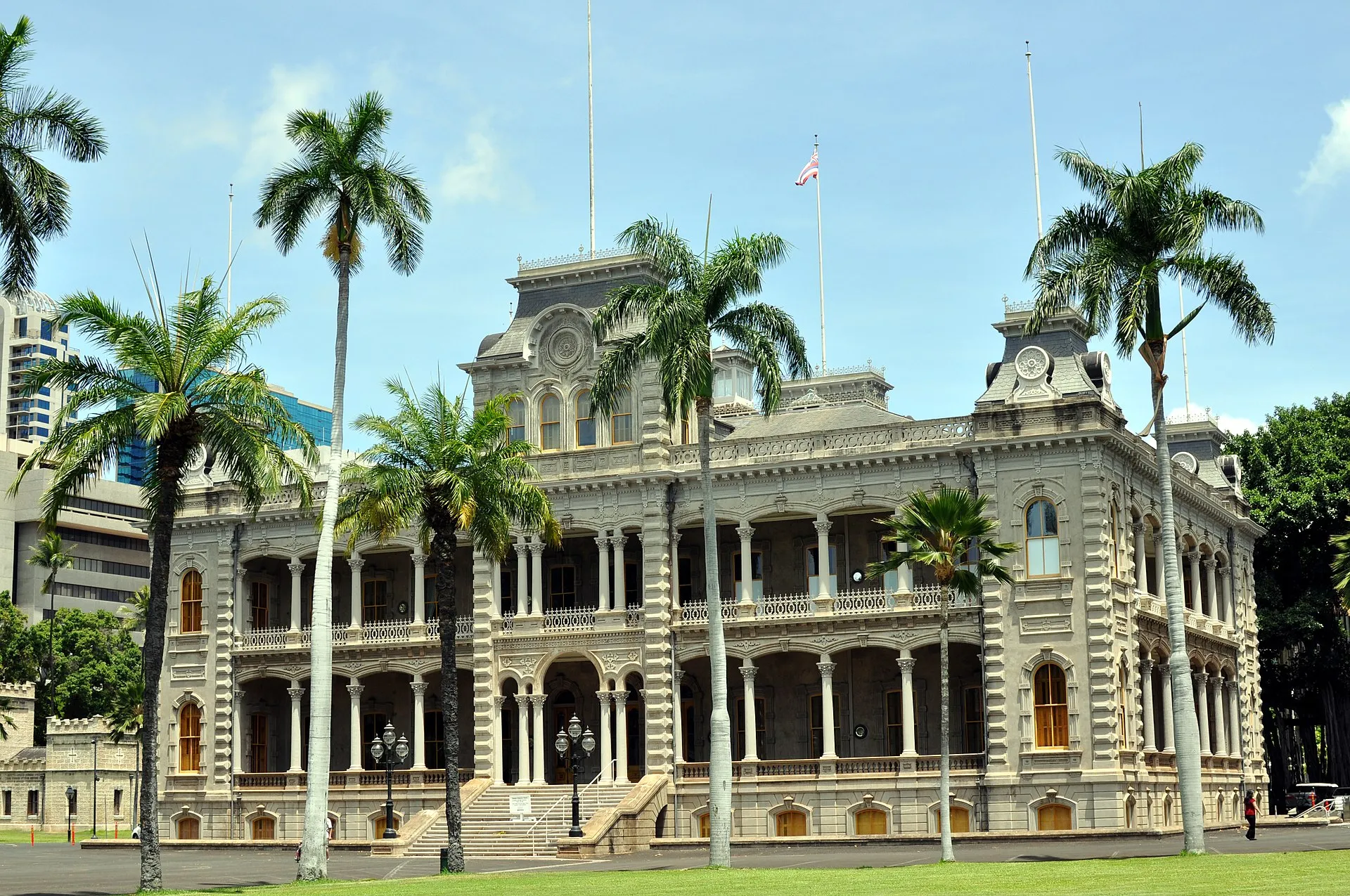
Iolani Palace had electric light before the White House
King Kalakaua wired the royal residence for electricity in 1886 — years before the White House, which was not electrified until 1891 — alongside a telephone system and indoor plumbing.
Hanauma Bay shelters more than 400 species of fish
The marine preserve inside a flooded volcanic crater caps daily visitors at about 1,000 to protect one of Oahu's most biodiverse reefs, and became Hawaii's first Marine Life Conservation District in 1967.
Waikiki Beach was once a royal taro-farming wetland
Hawaiian ali'i cultivated taro and fishponds across the marsh for centuries until the Ala Wai Canal, dug between 1921 and 1928, drained it to create the modern resort district.
Honolulu has been Hawaii's capital since 1845
Kamehameha III moved the kingdom's seat here, and the city stayed capital through the 1893 overthrow, annexation in 1898, and statehood in 1959, when Hawaii became the 50th state.
Source: tour-guide.com — Free to cite with attribution
Things to see
What are the top attractions in Honolulu?
Honolulu packs an unusual range into a compact island — a royal palace, a national war memorial, a volcanic crater, and a world-famous surf beach all within a short drive of one another. These are the experiences worth building a guided itinerary around:
- Diamond Head at sunrise — Hike the 760-foot volcanic crater on its paved 1.6-mile trail before dawn for a panorama of Honolulu and the Pacific as the sun breaks the horizon
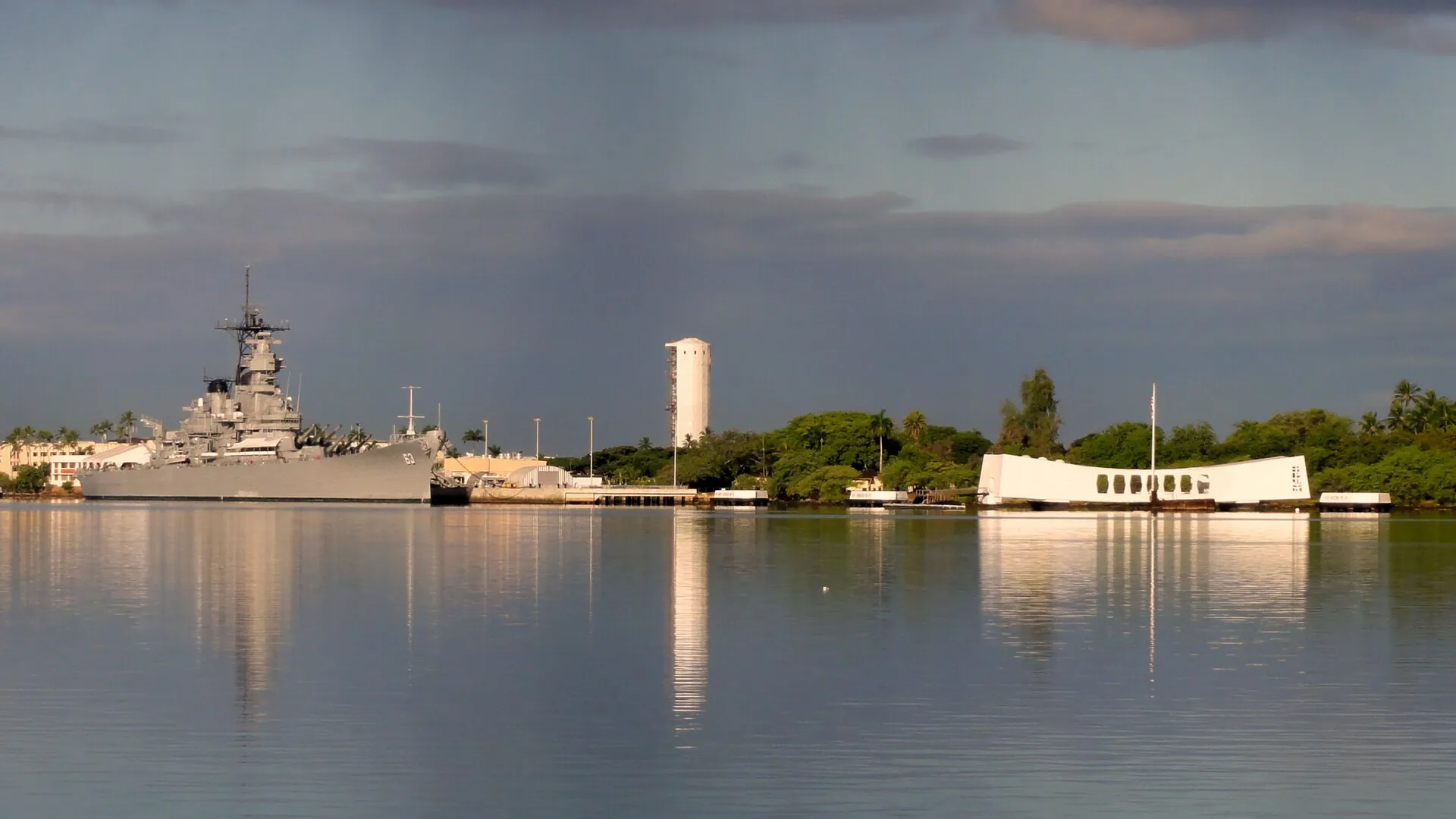
- Pearl Harbor and the USS Arizona Memorial — Stand above the sunken battleship where oil still seeps from the hull more than 80 years after December 7, 1941, a visceral connection to the day that pulled the nation into war
- Hanauma Bay snorkeling — Float above coral gardens teeming with parrotfish, butterflyfish, and green sea turtles in a protected volcanic bay that caps daily visitors to guard the reef
- Iolani Palace throne room — Walk through the gilded chambers where King Kalakaua hosted lavish state dinners and Queen Liliuokalani was imprisoned during the overthrow
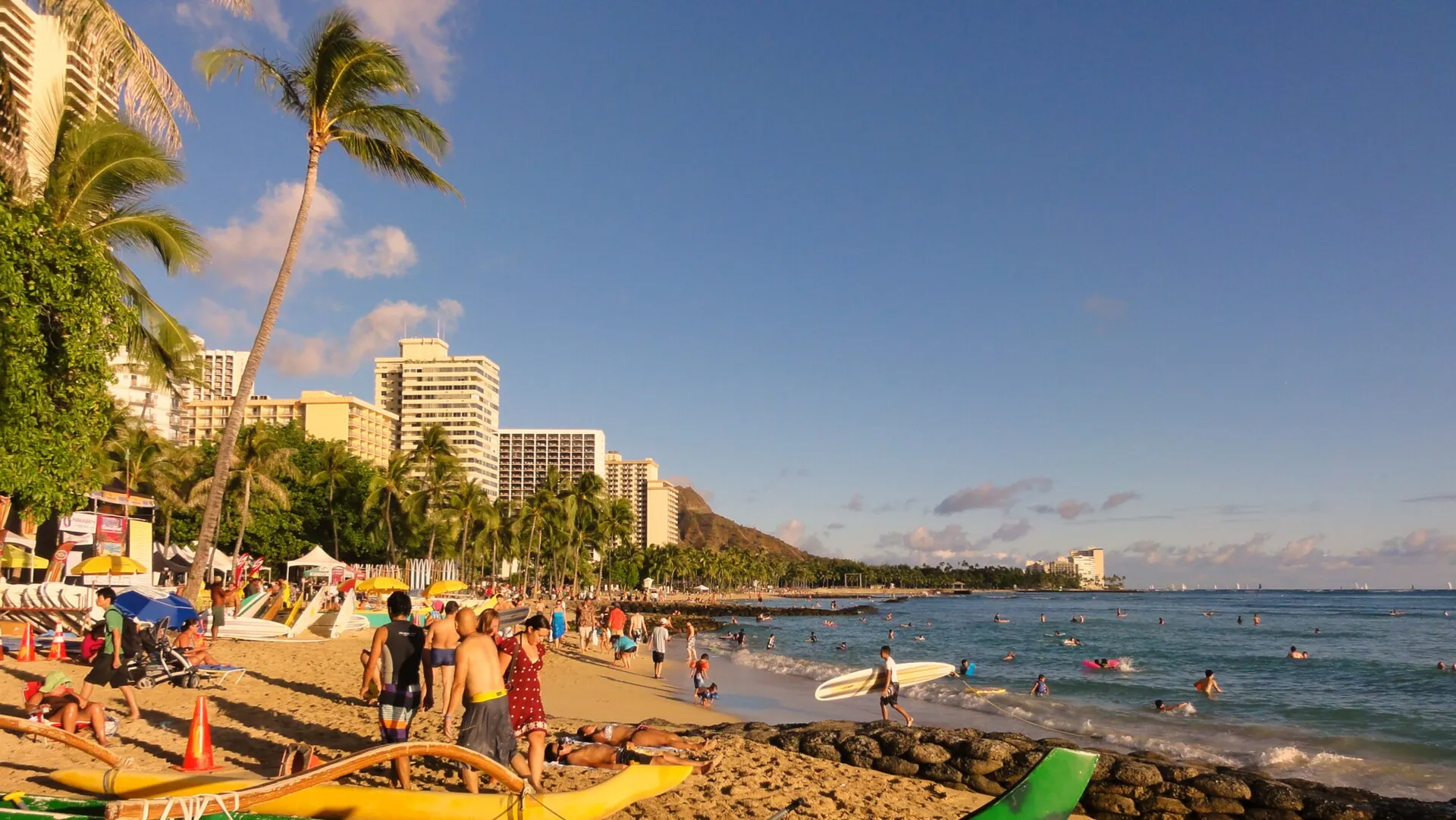
- Surfing at Waikiki — Take a lesson on the gentle inside waves where Duke Kahanamoku introduced surfing to the world in the early 1900s
- Lei greeting tradition — Visit the lei stands on Maunakea Street in Chinatown where lei makers string plumeria, tuberose, and orchid blossoms by hand each morning
- Plate lunch culture — Order a mixed plate at a local drive-in for the quintessential Honolulu meal: two scoops rice, macaroni salad, and your choice of kalua pork, chicken katsu, or loco moco
🏞️ Diamond Head
Oahu's volcanic sentinel - 300,000 years of geological drama crowned with Pacific panoramas
🏞️ Hanauma Bay Nature Preserve
Oahu's turquoise volcanic cove where 400 reef-fish species thrive behind Hawaii's first marine conservation law

📜 Iolani Palace
The only royal palace on American soil - where Hawaiian kings dined beneath electric lights before the White House had
📜 Pearl Harbor National Memorial
A solemn memorial above the sunken USS Arizona, where December 7, 1941 and the 1,177 lost sailors remain frozen in time
🏞️ Waikiki Beach
The beach that taught the world to surf — two miles of golden sand beneath Diamond Head
Guide planning
How much does a tour guide cost in Honolulu?
Expect to pay broadly in line with other major U.S. destinations: group walking and cultural tours run $25–60 per person, a private half-day guide for a small group costs roughly $250–450, and a full day $400–800. Specialist experiences are priced by type — a guided Diamond Head sunrise hike is about $30–50, an in-water naturalist snorkel at Hanauma Bay $35–50, and a Waikiki surf lesson $40–60. Honolulu's guide community reflects the island's layered history and multicultural population:
- Hawaiian cultural practitioners — Guides who share traditional knowledge of hula, navigation, and the spiritual significance of sites like Diamond Head (known as Le'ahi) and the sovereignty history embodied by Iolani Palace
- Pearl Harbor historians — Military-history specialists who provide context beyond the museum exhibits at Pearl Harbor, often with personal family connections to December 7, 1941
- Marine naturalists — Snorkeling and reef guides at Hanauma Bay who identify fish species, explain coral ecology, and teach reef-safe practices
- Hiking and geology guides — Specialists in Diamond Head, the Ko'olau Range, and Oahu's volcanic origins who combine trail navigation with earth science
- Food and plantation history — Guides who trace Honolulu's extraordinary culinary diversity back through waves of Japanese, Chinese, Filipino, Portuguese, and Korean immigration, often centered on Chinatown
Season planner
When is the best time to visit Honolulu?
Honolulu is a genuine year-round destination — temperatures rarely fall below the upper 60s°F or climb past the low 90s, and northeast trade winds keep the humidity bearable — so the real choice is about crowds, surf, and events rather than good weather versus bad.
- April–June and September–November (shoulder seasons) — The driest, warmest stretches with fewer crowds and lower hotel rates than the December–March peak; ideal for hiking Diamond Head and long beach days
- Whale watching (December–March) — Humpbacks migrate from Alaska to calve in Hawaiian waters; look for spouts from the Diamond Head lookout and on boat trips out of Waikiki
- Surf seasons — South swells bring Waikiki's gentle learner waves from May to September, while winter swells from November to February light up Oahu's North Shore, an hour away, for spectator-grade big-wave surfing
- Festivals worth timing a trip around — The Honolulu Festival (March), Lei Day (May 1), King Kamehameha Day with its floral parade (June 11, a state holiday), the Aloha Festivals (September), the Pearl Harbor remembrance ceremonies (December 7), and the Honolulu Marathon on the second Sunday of December
- Rain pattern — Most showers are brief and fall on the windward eastern side of the Ko'olau; leeward Honolulu and Waikiki stay comparatively dry, with the wettest stretch from November to March
On the ground
How do you get around Honolulu?
Waikiki itself is compact and walkable, but Oahu's best sights are scattered across the island, so sort out transport before you arrive.
- From the airport — Daniel K. Inouye International Airport (HNL) sits about 10 miles (20–30 minutes) west of Waikiki; taxis, rideshare, and shuttle vans all serve the strip
- Public transit — TheBus reaches nearly every corner of Oahu for a few dollars, the new Skyline rail links West Oahu toward the airport and city, and the open-air Waikiki Trolley and Biki bikeshare cover the tourist core
- Rent a car for flexibility — Reaching Pearl Harbor, Hanauma Bay, and the North Shore is far easier with a car or an organized tour, though Waikiki hotel parking is pricey, so weigh the daily rate
- Book Pearl Harbor and reservations early — Free timed tickets for the USS Arizona Memorial, and the two-day-advance slots for Hanauma Bay and Diamond Head, sell out fast; reserve the moment they release
- Reef-safe sunscreen only — Hawaii law bans sunscreens containing oxybenzone and octinoxate to protect the coral reefs, so bring or buy mineral-based sunscreen before snorkeling
- Respect sacred ground — Many Hawaiian sites carry deep spiritual significance; follow your guide's lead on appropriate behavior at heiau (temples) and at Iolani Palace, which many Native Hawaiians associate with the loss of sovereignty
- Tip and start early — 15–20% for private guides and $5–10 per person for group tours is customary; arriving before 7 AM beats both the heat and the limited parking at Diamond Head and Hanauma Bay
Frequently Asked Questions
What is the best time to visit Honolulu?
Honolulu is a year-round destination, but April through June and September through November offer the best balance of warm, dry weather, smaller crowds, and lower hotel rates than the December–March peak. Whale-watching season runs December to March, while south swells give Waikiki its gentle learner surf from May to September.
How much does a tour guide cost in Honolulu?
Group walking and cultural tours typically run $25–60 per person, while a private half-day guide for a small group costs roughly $250–450 and a full day $400–800. Specialist experiences are priced individually: a guided Diamond Head sunrise hike is about $30–50, an in-water naturalist snorkel at Hanauma Bay $35–50, and a Waikiki surf lesson $40–60. Tipping 15–20% for private guides is customary.
How do you get around Honolulu?
Waikiki is compact and walkable, and TheBus plus the new Skyline rail cover much of Oahu for a few dollars. Daniel K. Inouye International Airport sits about 10 miles west of Waikiki. To reach Pearl Harbor, Hanauma Bay, and the North Shore, most visitors rent a car or join an organized tour, since those sights are spread across the island.
Do you need a car to visit Honolulu?
Not for Waikiki itself, which is walkable and served by TheBus, the Waikiki Trolley, and Biki bikeshare. But Oahu's marquee sights — Pearl Harbor, Hanauma Bay, Diamond Head, and the North Shore — are scattered around the island, so a rental car or guided tour makes a multi-day trip far easier. Weigh that against Waikiki's high hotel parking fees.
What makes Honolulu different from other U.S. cities?
Honolulu is the only American city that was once the capital of a sovereign monarchy, and Iolani Palace remains the only royal residence on U.S. soil. Layered over that history is a living Hawaiian culture of hula, surfing, and aloha, plus a plantation-era mix of Japanese, Chinese, Filipino, Portuguese, and Korean heritage that shapes the city's food and festivals.