
Local Life
Old San Juan's social history runs deeper than its architectural grandeur suggests:
- The slave trade legacy — San Juan was a major transit point for enslaved Africans during the 16th–19th centuries; the San Juan slave market operated near the Paseo de la Princesa, and the Afro-Puerto Rican cultural traditions that emerged — bomba and plena music, santería spiritual practice — are still visible in the neighborhood today
- The 1797 Siege of San Juan — A British fleet of 60 ships under General Abercrombie besieged the city for two weeks, but was driven off in part by a torchlight procession of women through the city, which the British interpreted as a massive troop reinforcement — memorialized in the Plazuela de la Rogativa bronze sculpture group
- La Perla's twentieth century — The neighborhood built into the Atlantic-facing city wall has been subject to extreme poverty, drug trade, and urban neglect since the 1960s, and became globally known through the Despacito music video filmed there in 2017 — its complex social reality is best explained by a guide rather than visited independently
When to Visit
Open neighborhood: Accessible 24 hours. Best morning: 6–9 AM when the streets are empty and the light is golden on the facades. Best evening: After 6 PM when the restaurants and bars open and the heat breaks. Cruise ship impact: Most cruise ships arrive between 8 AM and 4 PM; the streets below the Plaza de Armas de San Juan are most affected. The areas around Castillo San Felipe del Morro and the upper streets are less congested even during peak cruise days.
Admission and Costs
Walking the streets and plazas: Free. Cathedral entry: Free, though donations are appreciated. Fort entrances: $10 per fort or $20 combination for both forts. Guided walking tours: $25–50 per person in groups. Private guide: $150–300 for groups of up to 6 people.
The Case for a Guide
Old San Juan's surface is beautiful but its depth requires context. A good guide makes three invisible layers visible:
- The economic geography of the colonial grid — The placement of merchant warehouses, slave markets, and government buildings within the street grid encodes the Spanish colonial economy; a guide traces the route that silver from Peru took from the harbor through specific streets to the treasury buildings before loading onto the Atlantic fleet
- The architectural layering of 500 years — Many Old San Juan buildings present 18th-century facades over 16th-century foundations over pre-Columbian Taíno earthworks; a guide identifies where to look for the physical evidence of these layers in doorways, basement walls, and street levels
- The music geography — Bomba and plena originated in the African diaspora communities that formed around the colonial port; a guide can point to specific streets and plazas where each tradition was maintained and connect them to living practitioners who still perform in the neighborhood
Tips for Visitors
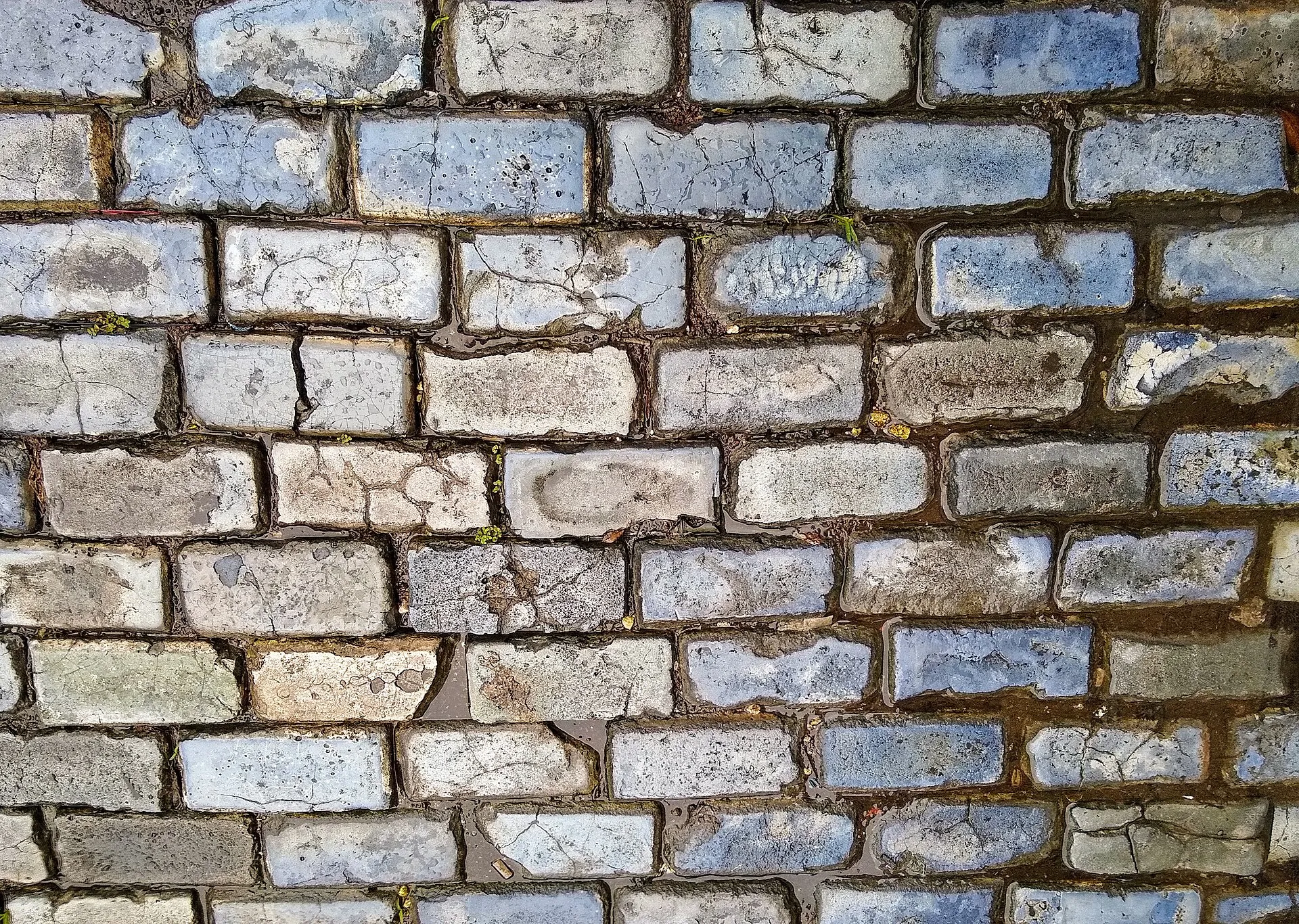
Comfortable shoes: Adoquín cobblestones are beautiful but uneven; flat-soled shoes or sneakers are better than sandals or heels. Morning visit: The neighborhood is most magical before 9 AM — stay in Old San Juan overnight to experience early mornings without cruise crowds. Eating: Skip the tourist-facing restaurants on the main plazas and ask your guide for the lechoneras (roast pork places) and fondas (lunch spots) on the upper streets. Evening: Plaza San José and Calle Fortaleza are the centers of the nightlife scene — far less touristy than Calle del Cristo below.
Frequently Asked Questions
When is the best time to explore Old San Juan?
January through April is ideal — trade winds keep temperatures comfortable, rainfall is minimal, and the January San Sebastián Street Festival transforms the neighborhood into the Caribbean's most exuberant four-day block party. Early mornings (7–9 AM) are magical year-round — the cobblestones glisten from overnight humidity, the streets are nearly empty, and the light on the pastel facades is at its most photogenic. Cruise ship passengers flood the lower streets between 9 AM and 4 PM on port days — early morning or evening visits are far more pleasant.
How much does a guided walking tour of Old San Juan cost?
Group walking tours run $25–50 per person for 2–3 hours. Private guides for up to 6 people cost $150–300 for a half-day. Many tours combine the neighborhood streets with one or both of the NPS forts; these combined tours run $200–400 and require a separate NPS entry fee ($10–20 per adult). Free self-guided walks are possible using any number of smartphone apps, but the neighborhood's layered social history — from the slave trade to Luis Fonsi filming Despacito in La Perla — is largely invisible without a knowledgeable local.
What should visitors not miss in Old San Juan?
The Cathedral of San Juan Bautista (the oldest cathedral in the Americas under US jurisdiction, holding the tomb of Juan Ponce de León), the Plazuela de la Rogativa (a bronze sculpture group commemorating the women who saved San Juan from a British siege in 1797), the colorful La Perla neighborhood visible from the city walls, and the Paseo de la Princesa promenade along the base of the fortification walls for sunset views across the bay.