
Walking Routes
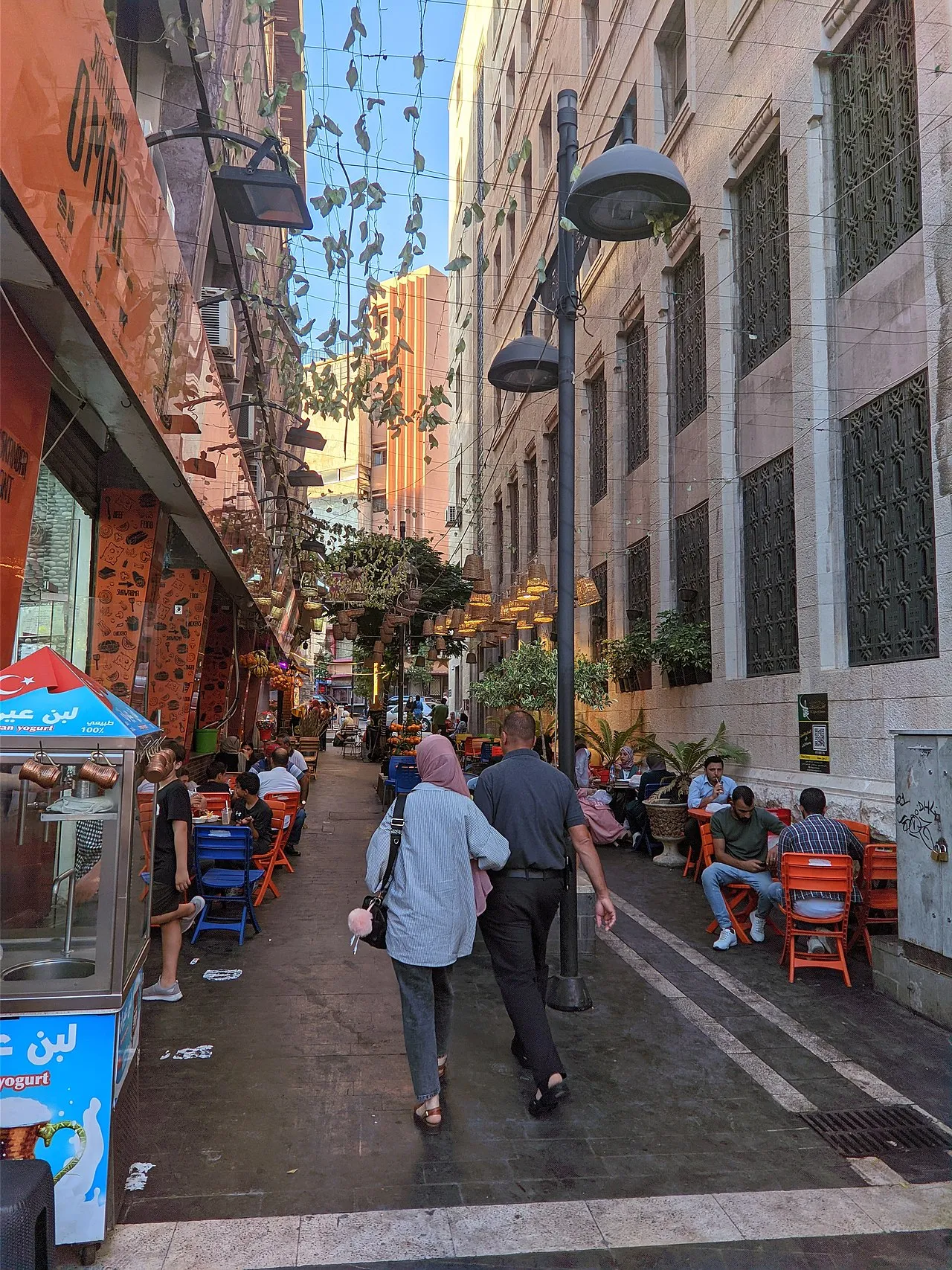
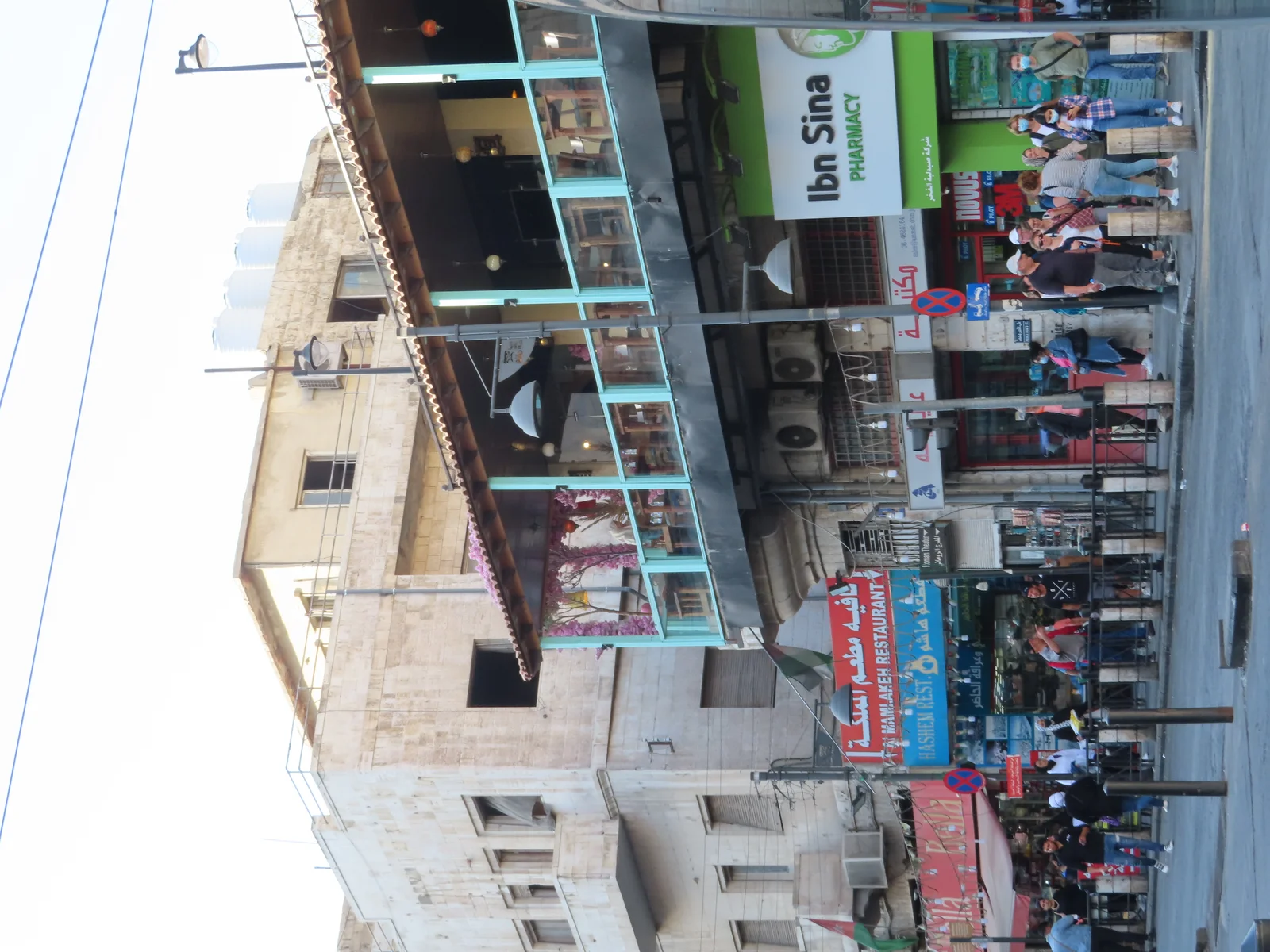
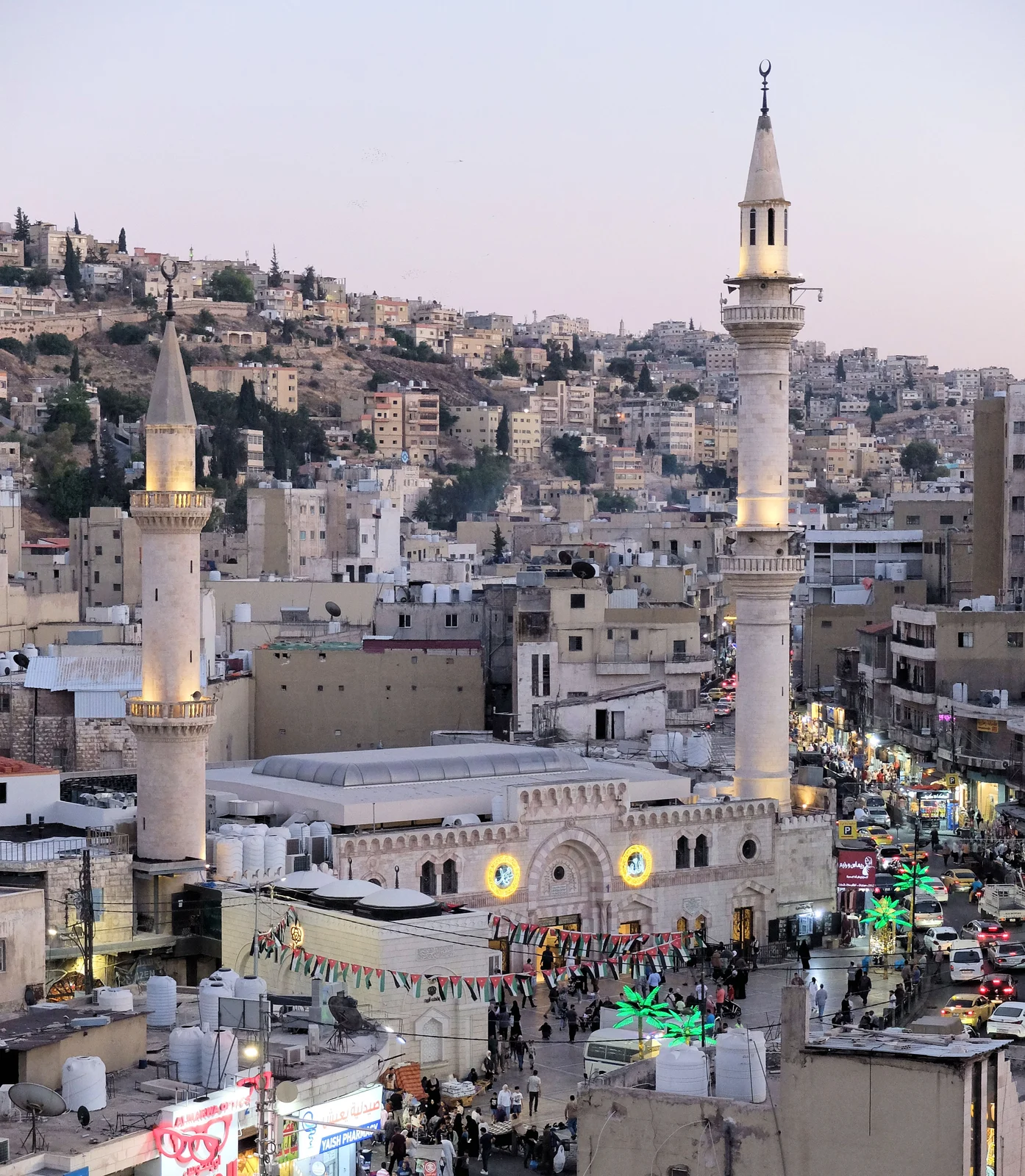
The most rewarding way to see Al-Balad is on foot along a simple loop that needs no ticket. Start at the plaza fronting the Roman Theatre, where the ancient Roman forum once stood, then follow King Faisal Street — the district's spine — past the fresh-juice stalls and gold souq toward the Grand Husseini Mosque, whose Ottoman minaret marks the historic centre. From the mosque, the narrow lanes branching north climb toward the spice and textile souqs, where trades still cluster street by street; a short detour uphill reaches the restored Duke's Diwan for a pause in its courtyard. Looping back toward the theatre, the switchback streets on the western side lead up to the Amman Citadel for those with the legs for the climb. The whole downtown circuit covers little more than two kilometres and can be walked in an unhurried two hours — longer if the knafeh queues tempt you. A guided food-and-culture walk follows much the same route while adding the stall recommendations and doorway access no map provides.
Al-Balad Downtown in Pictures
When to Visit
Al-Balad operates daily from approximately 8 AM to 10 PM, with a midday lull between about 2 and 4 PM when smaller shops close for rest. Friday morning sees reduced activity as Jordan observes the Muslim day of rest — many shops open later, around noon or 1 PM. The evening food scene runs from approximately 5 PM until 9 PM, when street vendors serving falafel, shawarma, knafeh, and fresh juice reach peak activity. The streets around the Roman Theatre and the main souq road are busiest between 10 AM and 1 PM — the liveliest period for market atmosphere and street photography.
Admission and Costs
Al-Balad is free to walk — the streets and markets are public. Individual costs depend entirely on appetite and shopping inclinations. Knafeh typically costs JOD 0.5–1 (< $1.50) per serving. A full falafel breakfast with coffee costs JOD 1.5–3 ($2–4). Spice shopping is priced per 100 grams and is significantly cheaper than at airport or hotel shops. A guided food and culture walk with a licensed guide costs $20–40 per person and is the most efficient way to navigate the district's best food stops and architectural highlights in a single session.
The Case for a Guide
- Hidden doorways — Al-Balad has Ottoman-era courtyard houses behind unmarked wooden doors; a guide who knows the residents can open several that would be invisible to an independent visitor
- Food sequencing — knowing which knafeh bakery is worth the queue, which mansaf restaurant uses the best jameed (fermented dried yoghurt), and which jallab vendor squeezes fresh rather than from concentrate is entirely local knowledge
- Mosque protocols — the Grand Husseini Mosque welcomes non-Muslim visitors outside prayer times; a guide manages the entry, explains the architectural symbolism, and ensures appropriate etiquette
- Market navigation — the craft of bargaining at the spice and textile souqs is culturally specific; a guide coaches the visitor through the expected social ritual of the transaction
Tips for Visitors
Try the knafeh at a bakery recommended by your guide — the difference between a freshly made, properly proportioned knafeh and a tourist-targeted version is immediately apparent. If exploring independently, download an offline map before entering the market streets as mobile data can be unreliable in the denser sections. The Duke's Diwan cultural centre on a main Al-Balad street offers free entry and a peaceful courtyard for a rest mid-walk — look for its restored Ottoman facade. Combine Al-Balad with the Roman Theatre immediately to the east and the Amman Citadel visible on the hill above — the three together form Amman's essential half-day cultural itinerary.
Frequently Asked Questions
What are the best things to eat in Al-Balad?
Al-Balad is one of the best areas in Amman for authentic Jordanian food at local prices. The most unmissable experience is knafeh — a warm sweet cheese pastry soaked in sugar syrup and scattered with crushed pistachio, served in squares from bakeries with permanent queues of locals. Falafel and hummus breakfasts are a downtown ritual, as is fresh-squeezed jallab (grape and rose water juice) from street vendors. Mansaf — Jordan's national dish of slow-braised lamb in fermented yoghurt sauce over rice — is available at several Al-Balad restaurants that serve it traditionally on communal platters.
Is Al-Balad safe to walk around?
Al-Balad is generally safe and well-frequented by both Jordanians and international visitors throughout the day. Standard urban awareness applies — keep bags close in crowded market areas, and be alert to the heavy motorbike and vehicle traffic that shares the narrower streets with pedestrians. The streets quiet significantly after 10 PM; evening visits before then, when the night market vendors are active, are perfectly comfortable for visitors with sensible city habits.
When is the best time to visit Al-Balad?
Mornings from 8 to 11 AM are ideal for the food market energy — fresh produce, the falafel breakfast rush, and the spice merchants arranging their displays before the heat builds. Late afternoon from 4 PM onward sees the market revive after a midday lull, with the best shopping light and the evening food stalls setting up. Friday mornings see reduced trading as Jordan observes the Muslim day of rest; some shops open later on Fridays.
Do you need a ticket or a tour to visit Al-Balad?
No ticket is required to explore Al-Balad — downtown Amman's streets, souqs, and the plaza in front of the Roman Theatre are all public and free, as is entry to the Grand Husseini Mosque outside prayer times. Tickets apply only to the neighbouring heritage sites — the Roman Theatre and the Amman Citadel each cost JOD 2 (about $2.80), both included in the Jordan Pass. A guided food-and-culture walk of Al-Balad runs $20–40 per person — optional, but the quickest way to find the best knafeh, mansaf, and spice stalls.