
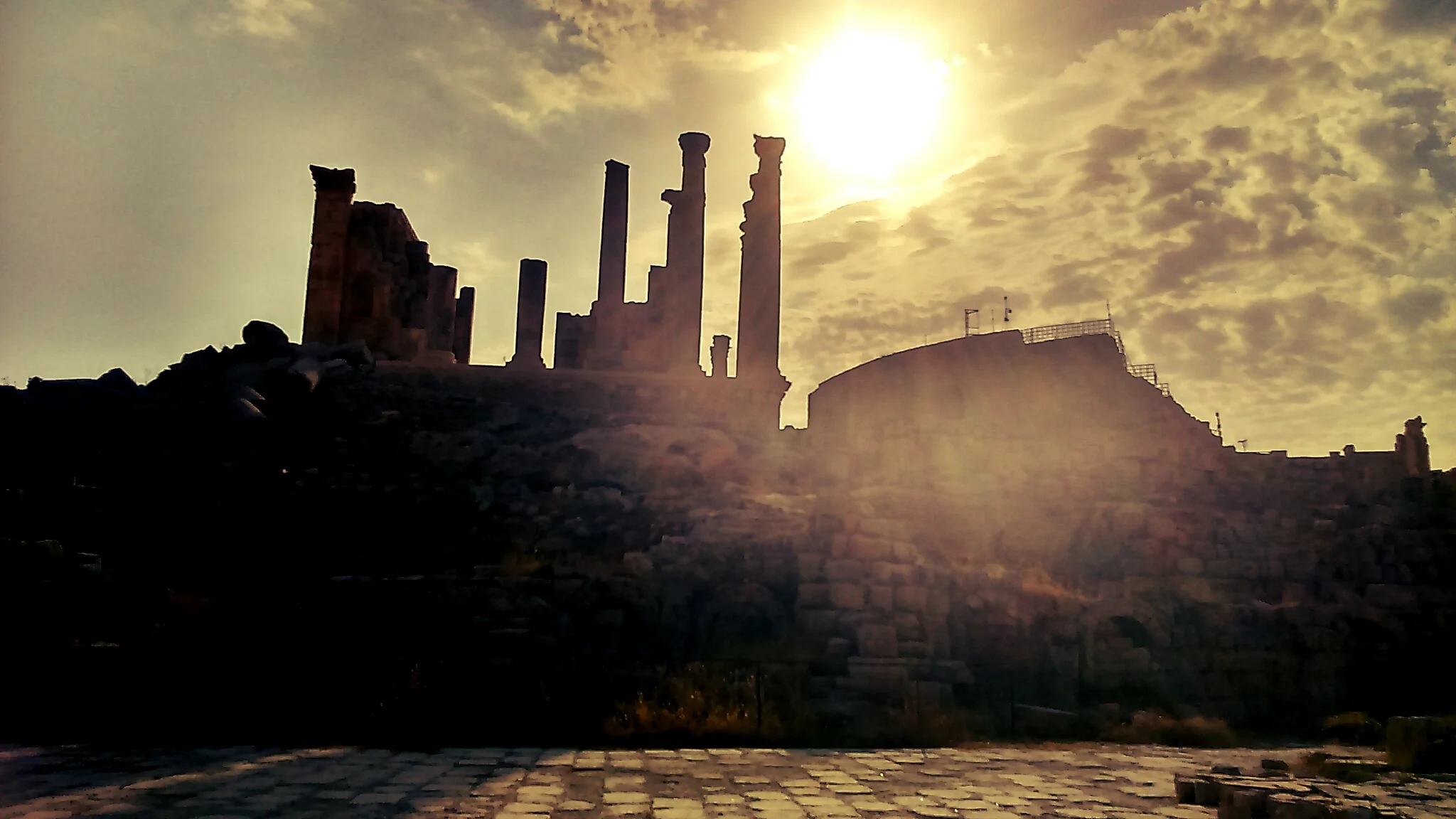
Amman timeline
- 63 BCE
Roman Philadelphia
The Decapolis city left theaters, temples, and street lines still visible in Amman.
-
Transjordan capital
Abdullah I made Amman the seat of the new emirate after World War I.
-
Kingdom capital
Independence made Amman the capital of the Hashemite Kingdom of Jordan.
- 1980s
Modern city expands
Regional migration and investment pushed Amman beyond its old hills into a larger capital.
Cited city facts
Key facts for visiting Amman
Amman has been continuously inhabited for over 8,500 years
Known as Rabbath Ammon to the Ammonites, Philadelphia to the Romans, and Amman to the Arabs, the city's Citadel hill alone preserves Ammonite, Hellenistic, Roman, Byzantine, and Umayyad layers within a single hilltop — a stratigraphic biography of the Levant's entire recorded history
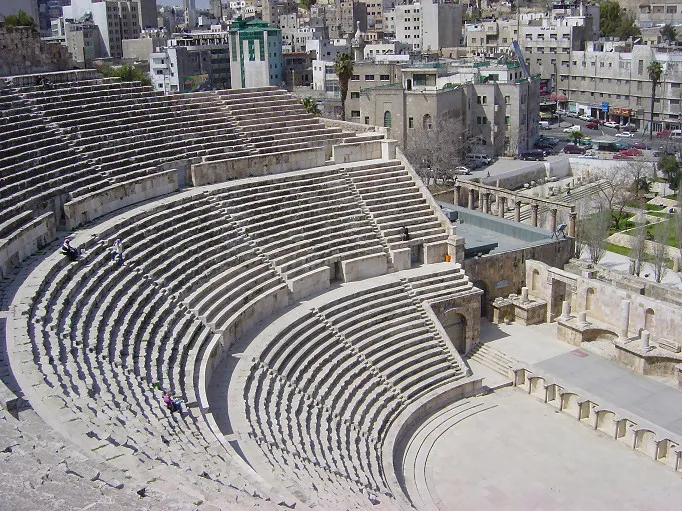
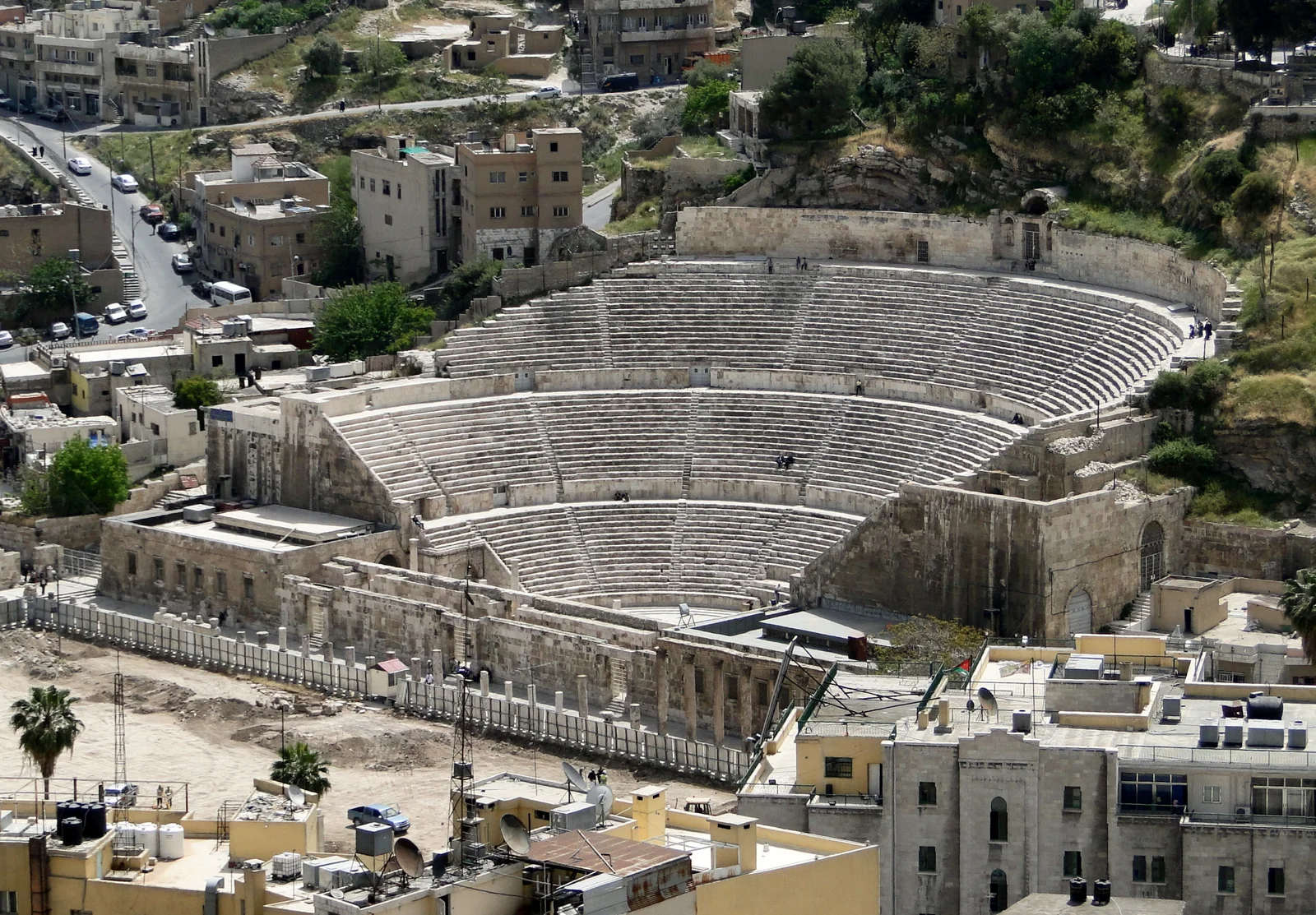
The Roman Theatre in Amman seats 6,000 people and was built in the 2nd century CE
Carved into the north-facing slope of a hill to protect audiences from direct sunlight, the theatre remains one of the best-preserved Roman performance venues in the Middle East, still used for concerts and cultural events that attract both Jordanians and international audiences
Jerash's ancient city preserves colonnaded streets used for over 6,500 years of continuous settlement
The Decapolis city of Gerasa — now Jerash — reached its peak under Roman emperor Hadrian, whose triumphal arch still marks the southern entrance to a remarkably complete urban grid of temples, oval piazza, nympheum, and two theatres connected by a kilometre of colonnaded main street
Amman's population grew from 20,000 in 1946 to over 4 million today
Successive waves of Palestinian, Iraqi, and Syrian refugees transformed a small Circassian farming town into one of the fastest-growing Arab capitals, creating an extraordinarily layered urban society whose food culture, architecture, and street life reflect every chapter of modern Levantine history
Source: tour-guide.com — Free to cite with attribution
Things to see
What are the top attractions in Amman?
- Amman Citadel — a hilltop where Ammonite, Roman, Byzantine, and Umayyad ruins share the same plateau
- Roman Theatre — a 6,000-seat cavea carved into a hillside in the 2nd century CE, still in use today
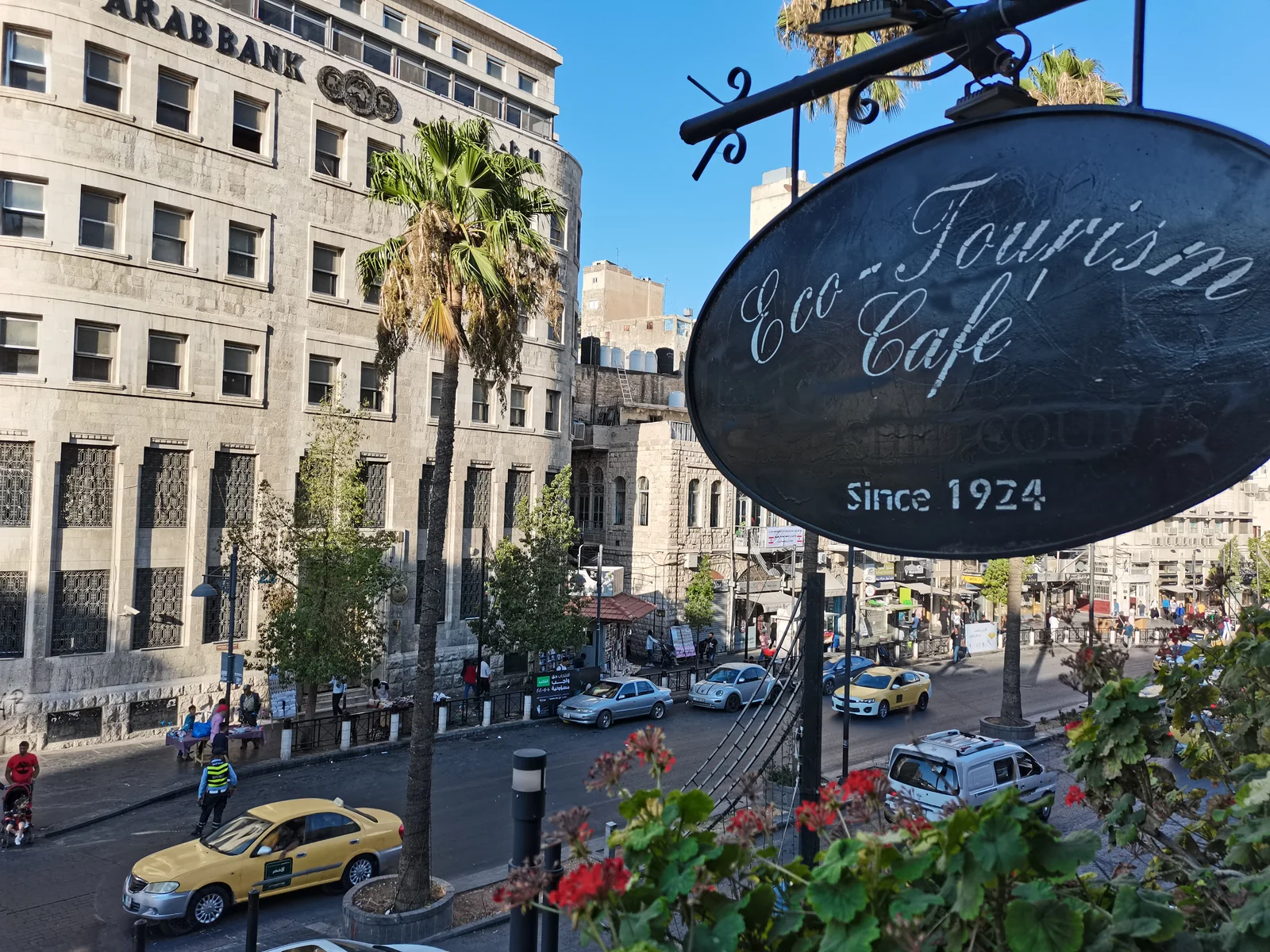
- Al-Balad Downtown — Amman's historic core, where family shops, street food vendors, and Ottoman-era architecture converge
- Jerash Ancient City — one of the best-preserved Roman provincial cities in the world, 45 minutes north of Amman
Al-Balad Downtown
Amman's historic downtown — spice merchants, knafeh bakers, and Ottoman buildings occupied for over a century
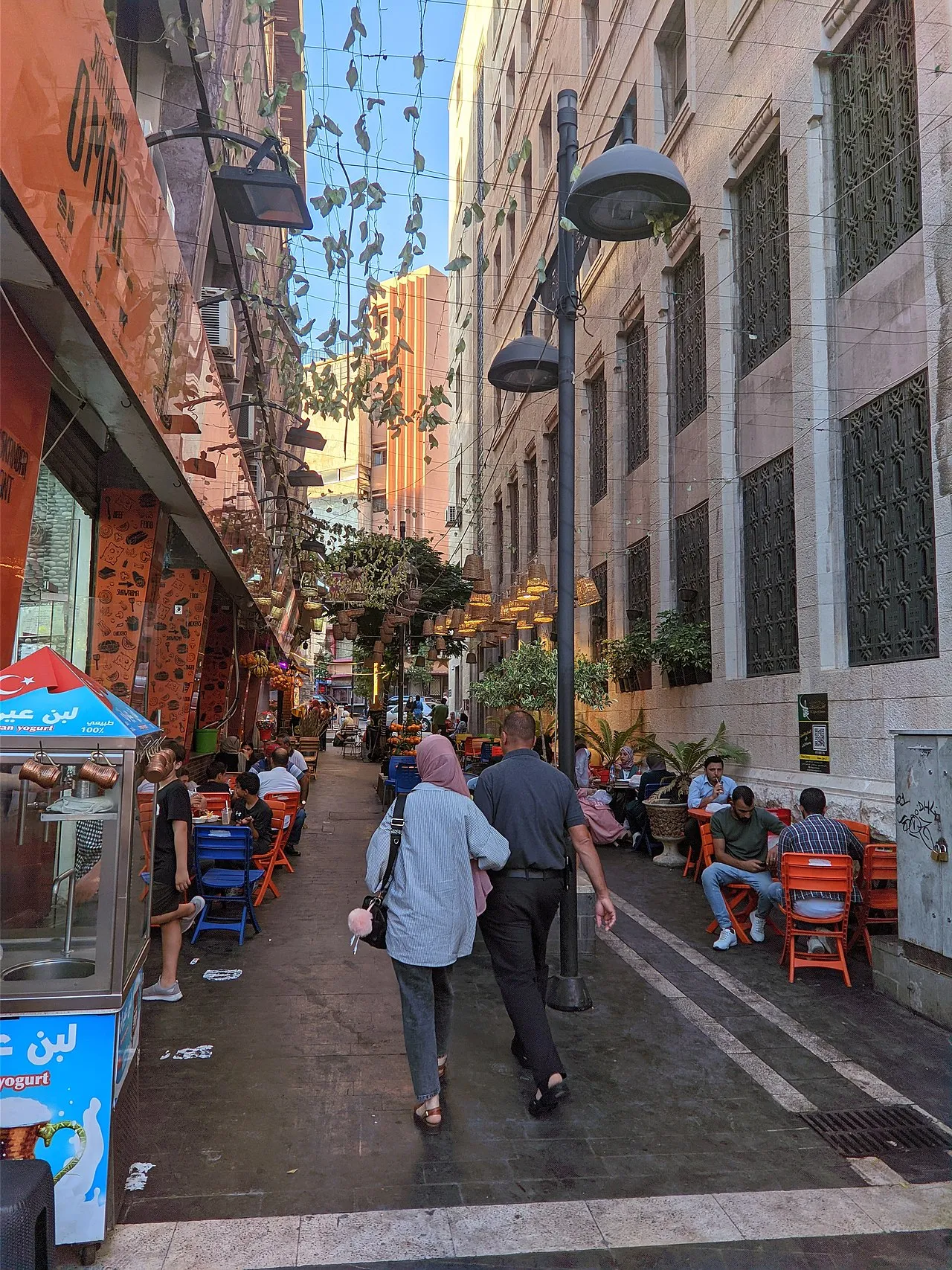
Amman Citadel
Eight thousand years of empire on a single hilltop — Ammonite, Roman, Byzantine, and Umayyad all sharing one plateau
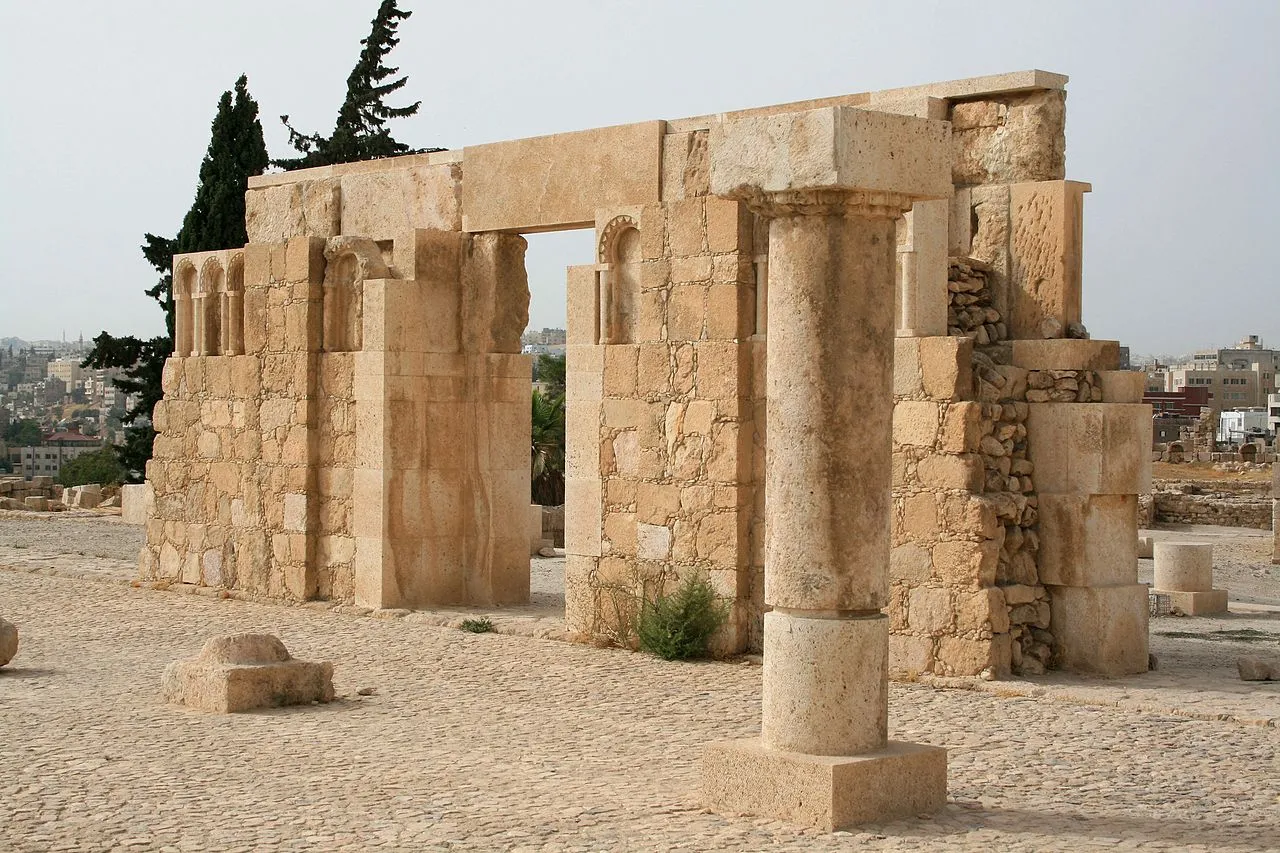
Jerash Ancient City
The best-preserved Roman provincial city outside Italy — colonnaded streets and temples in the Jordanian hills
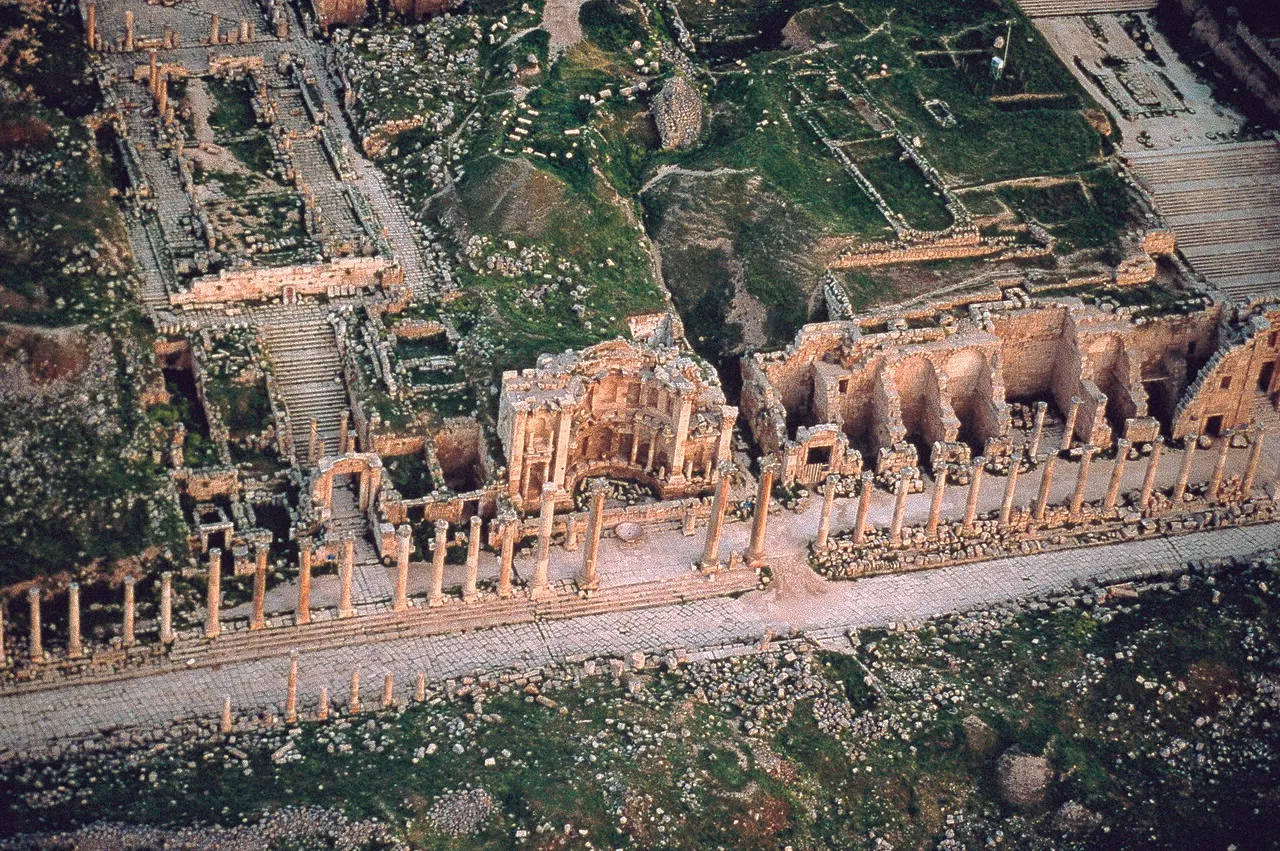
Roman Theatre
A 2nd-century Roman theatre seating 6,000, carved into a hillside in Amman's downtown and still in use today
Guide planning
How much does a tour guide cost in Amman?
| Tour Type | Price | Details |
|---|---|---|
| Private half-day city tour | $80–150 | Citadel + Roman Theatre, licensed guide |
| Full-day Amman + Jerash | $150–250 | Private guide and transport |
| Al-Balad group walking tour | $20–40 | Per person |
| Jordan Pass (multi-site) | $70–80 | Visa + 40+ attractions including Citadel |
| Private Jerash guide at site | $30–60 | Per person (official guide at entrance) |
Season planner
When is the best time to visit Amman?
March through May is Amman's golden season — the Citadel's hilltop blooms with wildflowers, afternoon temperatures sit comfortably in the low twenties, and the surrounding Jordanian countryside turns green after the winter rains. October and November offer a second peak with post-summer clarity and fewer tourists than spring. Avoid the July and August heat peaks if outdoor site visiting is your priority; if you do visit in summer, schedule the Citadel for early morning before 9 AM when direct sun on the exposed plateau becomes punishing. Jerash is spectacular in any season but the wildflower meadows inside the ancient city walls are particularly magical in March and early April.
Spring
Mar-May
Summer
Jun-Aug
Autumn
Sep-Nov
Winter
Dec-Feb
Each score averages that season’s monthly ratings out of 5. The top-rated window is usually the peak season too, so read the guidance above for its trade-offs before you book.
On the ground
How do you get around Amman?
Uber and Careem rideshare apps are the most convenient and transparent way to navigate Amman — always use the app meter rather than negotiating with unlicensed taxis. The Citadel and Roman Theatre sit a 10-minute walk apart on adjacent hills in the downtown area; most visitors combine both in a single morning. Al-Balad extends across the valley between them and is entirely walkable. For Jerash, hire a driver from your hotel or use the JETT bus from Abdali terminal — the journey takes 45 minutes each way and drivers typically wait for JOD 20–30 including waiting time. Intercity buses between Amman and Petra (Wadi Musa) operate from the South Bus Station (Wehdat), with departures roughly every two hours.
Amman in Pictures
Frequently Asked Questions
What is the best time to visit Amman?
Spring (March through May) and autumn (September through November) deliver the most comfortable conditions for Amman's outdoor heritage sites, with temperatures of 15 to 24 degrees and long evenings for exploring Al-Balad's cafés and rooftop restaurants. March brings wildflowers to the hillsides around Jerash, making day trips especially rewarding. Summer temperatures push to 32–35 degrees in July and August but the city's 800-metre elevation keeps the heat more bearable than lower-lying Petra. Brief winter rains can dust the Citadel's hilltop with snow in December and January — a rare, atmospheric sight over the white-stone city below.
How much does a tour guide cost in Amman?
Licensed guides registered with the Jordan Tourism Board charge $80–150 for a private half-day city tour covering the Citadel and Roman Theatre, with transport in a private car. Full-day tours including a day trip to Jerash run $150–250. Group walking tours of Al-Balad with a shared guide cost $20–40 per person. The Jordan Pass ($70–80), purchased online before travel, covers entry to the Citadel, the Roman Theatre, and 40+ other sites including Petra — an excellent investment for multi-stop Jordan itineraries.
Is it easy to get around Amman without a guide?
The Citadel, Roman Theatre, and Al-Balad downtown cluster are walkable from each other, though the steep hill climbs in Amman's older neighbourhoods demand reasonable fitness. Uber and Careem operate reliably throughout the city. For Jerash, a taxi from Amman takes around 45 minutes and costs JOD 10–15 each way; many visitors arrange a driver who waits during the site visit. The official bus service (JETT) runs scheduled coach trips to Jerash and Petra from Amman's Abdali terminal.