
Walking Route
Local Life
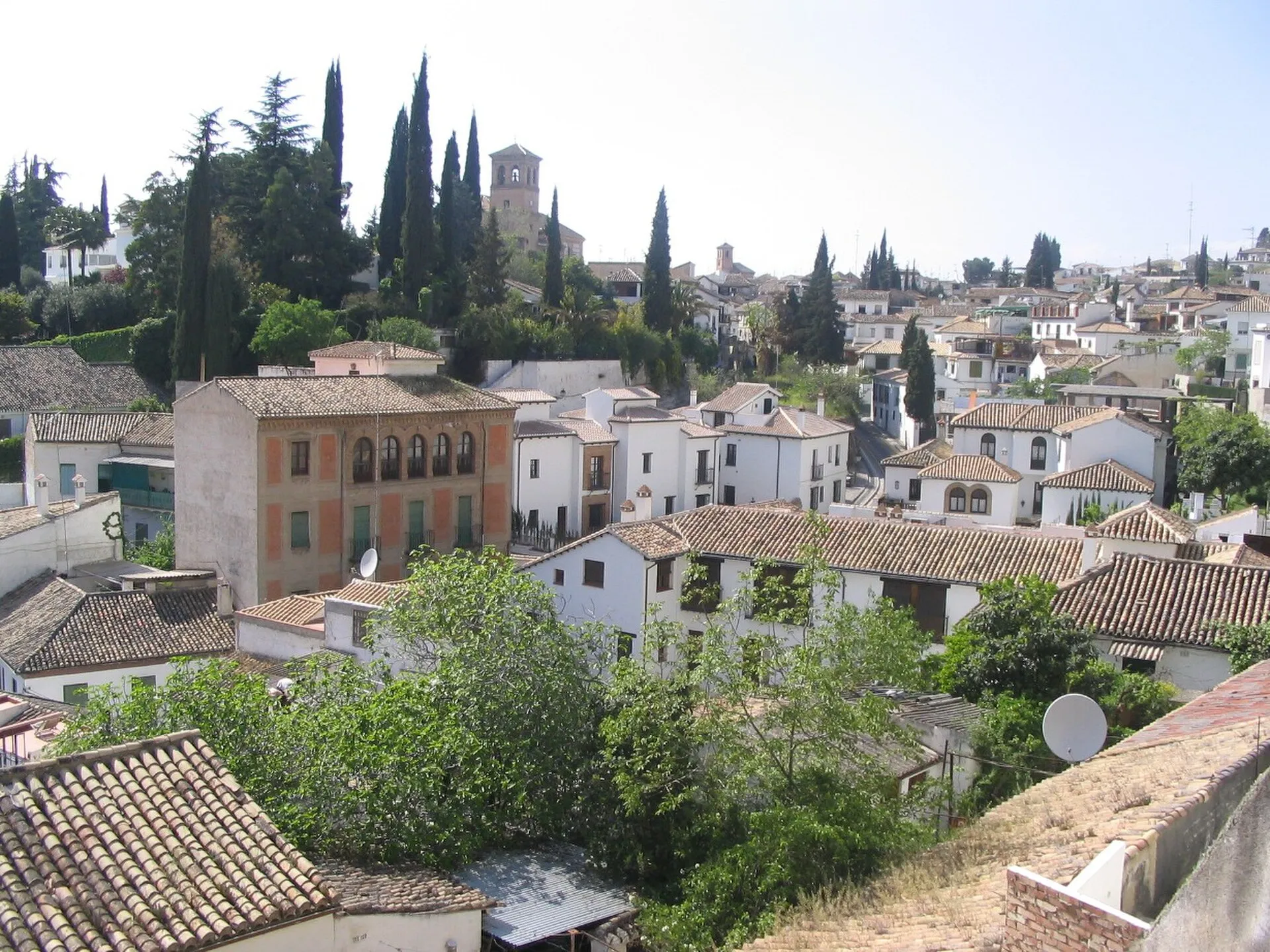
Navigation is the first reason a guide matters here. The Albaicín's medieval plan was deliberately built to confuse besiegers, and even Google Maps loses the thread among lanes that branch, double back and end in unmarked callejones. The second reason is access: some guides have standing arrangements with homeowners who open their walled carmenes — the quarter's signature garden houses, plain and white on the street but concealing fountains, fruit trees and cascading flowers within — for small groups.
What sets the Albaicín apart is that it is still a working quarter rather than an open-air museum. A guide connects the surviving cisterns (aljibes), stretches of Zirid wall and the medieval gates into a picture of daily life in al-Andalus, and points out the Mudéjar churches raised on mosque foundations after 1492.
The teahouses, family restaurants and artisan workshops that matter most rarely appear on a tourist map. The quarter's Roma community and the cave dwellings of neighbouring Sacromonte carry complex histories that reward a thoughtful local explanation rather than a glance from the viewpoint.
Walking Routes
The classic route climbs from Plaza Nueva up to the Mirador de San Nicolás, trading each stretch of effort for a better view. These are the stops most worth your time, in walking order:
- Calle Calderería Nueva — Granada's "tea street", a steep lane of Moroccan-style teterías, hookah lounges and shops heaped with lamps, leather and North African spices.
- Carrera del Darro and El Bañuelo — often called one of Spain's most beautiful streets, it runs beside the river past El Bañuelo, an 11th-century Arab bathhouse among the best preserved in the country.
- Plaza Larga and the Arco de las Pesas — the quarter's lively heart, where cafe terraces gather beneath a medieval gate of the old Zirid wall and a small market fills the square on Saturday mornings.
- Church of San Salvador — built directly on the foundations of the Albaicín's main mosque, with the original Moorish courtyard and cistern still visible.
- Mirador de San Nicolás — the postcard viewpoint where the whole Alhambra stretches before you beneath the snow-capped Sierra Nevada, arguably the most famous vista in all of Spain.
Several hammams along the way offer traditional bathing rituals with hot and cold pools, steam rooms and massage in tiled surroundings, and the Cuesta del Chapiz at the eastern edge leads on toward the flamenco caves of Sacromonte.
Albaicín timeline
-
The Zirid kings fortify the hill
The Zirid dynasty makes Granada its capital and raises the first walled citadel, the Alcazaba Cadima, on the Albaicín hill — the fortified core the neighbourhood grew outward from.
-
Nasrid Granada rises across the Darro
Muhammad I founds the Nasrid dynasty and begins the Alhambra on the ridge opposite; the Albaicín becomes the dense residential heart of the Moorish city, dotted with more than 30 mosques and their neighbourhood cisterns.
- 2 January 1492
Granada surrenders
The Catholic Monarchs take the last Muslim kingdom in Iberia, ending nearly 800 years of al-Andalus. The quarter's mosques are gradually converted into churches such as San Salvador, built on the main mosque's courtyard.
-
Forced conversions spark revolt
Cardinal Cisneros's mass forced baptisms and the burning of Arabic books trigger the first Morisco uprising in the steep lanes of the Albaicín and the neighbouring Alpujarras.
- 1568-1571
The Morisco rebellion and expulsion
The War of the Alpujarras ends with the crown expelling the Moriscos from Granada, emptying much of the quarter and scattering the craftsmen who had kept its Moorish trades alive.
-
A protected historic quarter
Spain declares the Albaicín a conjunto histórico-artístico, formally recognising the medieval street plan, carmenes and Mudéjar churches worth preserving.
-
UNESCO World Heritage
UNESCO extends the 1984 Alhambra and Generalife World Heritage listing to include the Albaicín, honouring the only intact Moorish urban fabric to survive in Spain.
When to Visit
The Albaicín is a living neighbourhood, open 24 hours — there is no gate and no ticket, only rhythms worth planning around:
- Sunset at the Mirador de San Nicolás is the headline moment, when the Alhambra glows amber over the Darro. Arrive 30-45 minutes early to claim space on the terrace wall.
- Morning (9-11 AM) is the window for quiet walking, when the lanes are empty, the light is soft and the summer heat has not yet built.
- Saturday morning brings a small, genuinely local market to Plaza Larga, the quarter's social heart.
- Avoid midday in July and August, when the steep, shadeless streets turn punishing in Granada's heat.
The classic approach is on foot up the Carrera del Darro or the Cuesta del Chapiz from Plaza Nueva; the little red C31, C32 and C34 minibuses climb the narrow lanes for anyone who wants to skip the steepest stretch.
Admission and Costs
Walking the quarter is free — its streets, plazas and miradores are all public. Beyond that:
- Small-group guided walk: €12-25 per person (1.5-3 hours, groups of 8-15).
- Private guide: €80-150 for up to 6 people (2-3 hours).
- Arab baths (hammam): €30-50 per person with massage, or €15-20 for the baths alone.
- Teahouse (tetería): €3-6 for Moroccan-style mint tea with pastries on Calle Calderería Nueva.
- Sacromonte cave flamenco: €20-35 per person, often bundled with an Albaicín walking tour.
The historic El Bañuelo Arab baths on the Carrera del Darro are among Granada's cheapest monuments, usually a couple of euros and sometimes free on set days.
The Case for a Guide
The Albaicín looks like a photogenic maze you could wander alone, but its medieval plan was built to defeat outsiders and its history is written in details you walk straight past without a guide.
- Finding the way: In a quarter designed to disorient invaders, where mapping apps fail and lanes dead-end without warning, a guide delivers you to the Mirador de San Nicolás and back out again without losing an hour to the labyrinth.
- Reading the Moorish layers: A guide links the Zirid walls, the surviving aljibe cisterns and the medieval gates into a coherent picture of daily life in al-Andalus, then shows how the Mudéjar churches were raised on the mosques they replaced after 1492.
- Opening the carmenes: Some guides have relationships with homeowners who open their private walled garden houses — normally invisible behind blank whitewashed walls — for a glimpse of the fountains and terraced orchards within.
- Local doors: The best teahouses, authentic restaurants and artisan workshops sit behind unmarked doors; a guide knows which ones to knock on and when the light at the viewpoint is at its best.
- Handling the sensitive stories: The quarter's Roma heritage and the cave dwellings of neighbouring Sacromonte deserve more than a snapshot, and a guide frames them with the context they need.
Tips for Visitors
- Wear flat shoes with grip — the cobbles are polished smooth and slick when wet, and the climb from Plaza Nueva to the Mirador de San Nicolás gains real elevation.
- Pace the hill — take the ascent slowly and use the Carrera del Darro and the miradores as rest stops with a view.
- Guard your valuables — pickpockets work the San Nicolás terrace when the sunset crowd packs in.
- Respect residents — this is a real neighbourhood; keep noise down, don't peer into private carmenes, and ask before photographing locals.
- Combine with Sacromonte — the adjacent cave quarter is a natural extension of an Albaicín walk and the home of Granada's flamenco.
- Eat where locals eat — skip the viewpoint terraces and look for the side-street places with handwritten menus and free tapas poured with every drink.
Frequently Asked Questions
When is the best time of year to explore the Albaicín?
April, May, and September are the golden months on this hillside, when mild Granada evenings reward the climb to the Mirador de San Nicolás with sunset views of the Alhambra against a snow-topped Sierra Nevada. Spring fills the carmen gardens with jasmine and orange blossom, and the warm night air suits the Sacromonte flamenco caves. December through February brings biting cold to these exposed hilltop streets, and the polished cobbles turn treacherous after winter rain.
What time of day gives the best Alhambra view from the Albaicín?
Sunset from the Mirador de San Nicolás is the classic shot — the Nasrid palaces of the Alhambra glow amber over the Darro ravine with the Sierra Nevada behind. Arrive 30-45 minutes before sundown to claim a spot on the terrace wall, as the viewpoint fills with buskers and crowds. For the same panorama without the crush, the Mirador de la Lona or the terrace beside San Miguel Alto are quieter alternatives.
How much does it cost to visit the Albaicín?
Walking the quarter is free — its streets, plazas and miradores are public. A small-group guided walk runs €12-25 per person for 1.5-3 hours, while a private guide is €80-150 for up to six people. A traditional hammam (Arab bath) session costs €30-50 with massage or €15-20 for the baths alone, a glass of mint tea in a Calderería teahouse is €3-6, and a Sacromonte cave flamenco show is €20-35, often bundled with an Albaicín walk.
Why is a guide worth it in the Albaicín?
The Albaicín's medieval street plan was built to disorient attackers, and mapping apps still lose their signal and their way among the dead-end callejones. A licensed guide threads the labyrinth from the Carrera del Darro up to the Mirador de San Nicolás, reads the Moorish cisterns, gates and carmen walls as a single story of al-Andalus, and knows which teahouses, carmenes and family restaurants sit behind the plain whitewashed doors.
What should visitors know before walking the Albaicín?
Wear flat shoes with good grip — the cobbles are polished smooth and slick when wet, and the climb from Plaza Nueva to the Mirador de San Nicolás gains real elevation. Keep valuables secure, as pickpockets work the viewpoint crowds at sunset. This is a living neighbourhood, so keep noise down, don't photograph residents without asking, and respect the privacy of the walled carmen gardens.
How do visitors reach the Albaicín and get around once there?
The Albaicín rises on the hill north of the River Darro, a short walk from Plaza Nueva in the city centre. Most visitors start on foot up the Carrera del Darro or the Cuesta del Chapiz. Granada's small red minibuses — lines C31, C32 and C34 — wind up the narrow lanes to Plaza Nueva, Plaza Larga and the Mirador de San Nicolás for those who want to skip the steepest climbs. No cars reach the upper lanes, which are too narrow for vehicles.