
Country guide
What makes Puerto Rico a must-visit destination?
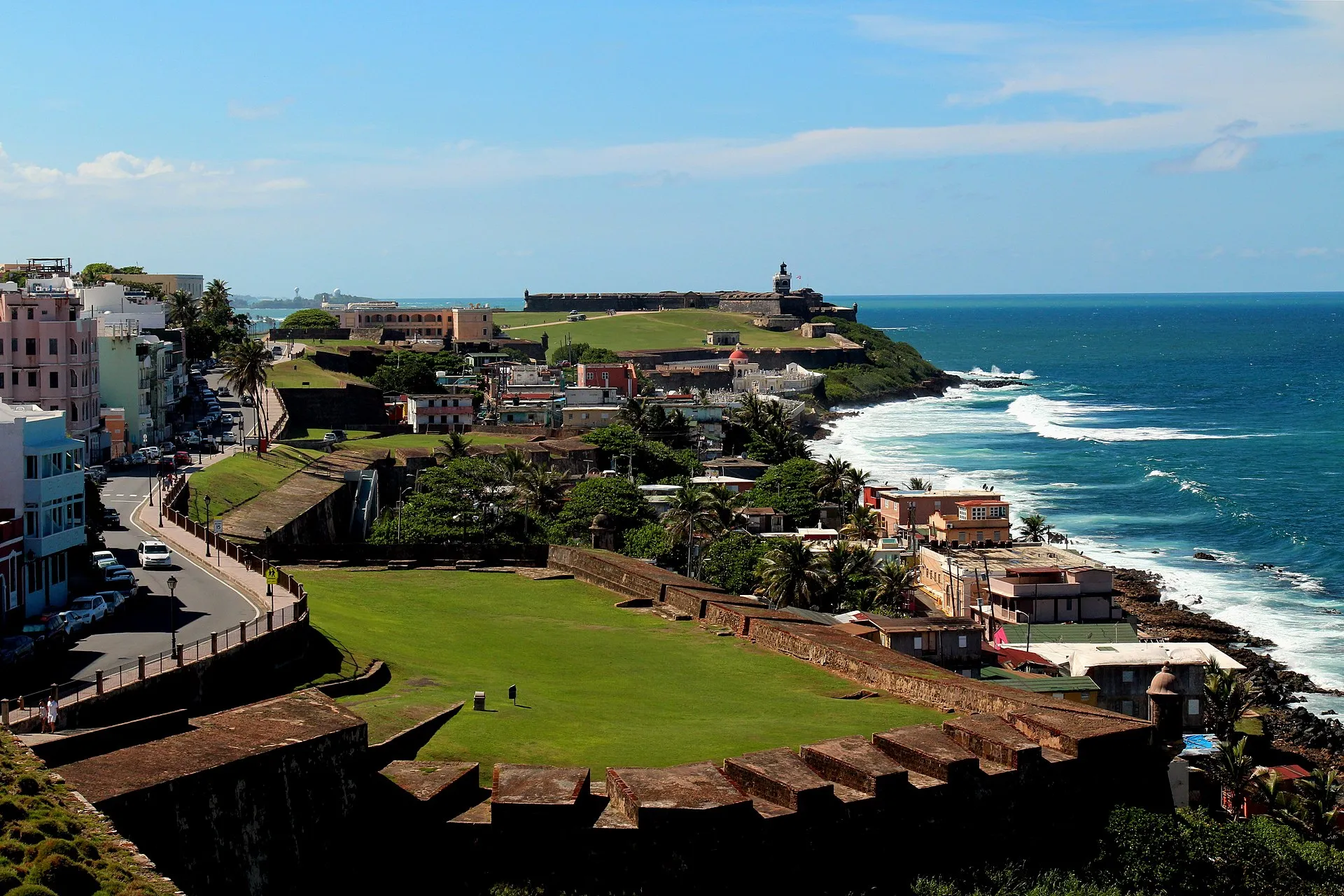
Puerto Rico occupies a singular position in the Caribbean — simultaneously a US territory and a distinctly Latin American society, with five hundred years of Spanish colonial architecture rising above beaches that rival anywhere in the tropics. San Juan, the capital, contains one of the best-preserved colonial city centers in the hemisphere, its cobblestone streets flanked by 16th-century fortresses that once guarded the entire Spanish empire's Caribbean flank.
Beyond the capital, the island offers extraordinary contrasts. The dense peaks of El Yunque National Forest receive over three meters of rain annually, sustaining a cloud forest ecosystem found nowhere else in the US. Three bioluminescent bays glow blue-green on moonless nights. And a 270-mile coastline provides everything from calm Caribbean swimming beaches to Atlantic surf breaks of international repute.
Because Puerto Rico is a US territory, English-speaking visitors face none of the usual linguistic barriers — yet local guides still add enormous value. The island's history is layered with Indigenous Taíno heritage, African diaspora culture, and centuries of Spanish colonial ambition, and much of that depth is invisible without someone who knows where to look and what to say.
- Language
- Spanish & English Widely spoken across Puerto Rico
- Currency
- US dollar ($) Legal tender across Puerto Rico
- Time zone
- UTC−4 Local time in Puerto Rico
- Power plugs
- Types A, B · 120V Sockets used across Puerto Rico
- Getting around
- Rental car Getting between Puerto Rico's cities
- Best months
- Jan, Feb, Mar, Apr, May, Dec Averaged across Puerto Rico's city ratings
Puerto Rico timeline
-
Spanish contact
Columbus's voyage began the colonial period behind San Juan fortifications and town planning.
-
Spanish settlement begins
Juan Ponce de Leon founded the first Spanish colony, launching San Juan's colonial story.
-
US rule begins
The Spanish-American War transferred Puerto Rico to the United States.
-
US citizenship granted
The Jones Act reshaped political identity and migration links with the mainland United States.
-
Commonwealth established
The constitution created the modern political status visitors hear debated today.
-
Hurricane Maria recovery
The storm and rebuilding reshaped infrastructure, tourism, and public memory.
Local context
Culture and travel signals
San Juan is the oldest European-founded city under US jurisdiction
Founded by the Spanish in 1521, Old San Juan predates every other US city by more than a century, its grid of colonial streets remaining largely intact behind fortification walls that repelled English, Dutch, and French attacks across three centuries
El Yunque is the only tropical rainforest in the US National Forest System
Receiving up to 4,000 mm of rainfall per year across just 11,200 hectares, El Yunque harbors 240 tree species, 50 species of orchid, and the critically endangered Puerto Rican parrot, found nowhere else on earth
Puerto Rico has 270 miles of coastline
The island's perimeter includes everything from the bioluminescent bays of Vieques and Mosquito Lagoon — among the brightest in the world — to the world-class surf breaks of Rincón on the northwest coast
UNESCO World Heritage Site designated in 1983
La Fortaleza and the San Juan National Historic Site — encompassing Castillo San Felipe del Morro, Castillo San Cristóbal, and the city walls — were among the earliest Spanish colonial fortifications in the Americas and remain the most complete surviving example of 16th-century Spanish military architecture in the New World
Source: tour-guide.com — Free to cite with attribution
Season planner
A year in Puerto Rico
Use this best time to visit snapshot as a country-wide average, then check the city guides for local timing.
Mar-May
Spring
Spring holds up well for guided travel in Puerto Rico, averaging Mar-May (4.3/5).
Jun-Aug
Summer
Summer stays workable in Puerto Rico at Jun-Aug (3/5), so lean on city-by-city timing.
Sep-Nov
Autumn
Autumn is Puerto Rico's quietest stretch at Sep-Nov (2.3/5) — plan narrower, local days.
Dec-Feb
Winter
Winter is Puerto Rico's strongest guide window — Dec-Feb (4.7/5) across its cities.
Where should you go in Puerto Rico?
San Juan
San Juan divides naturally into distinct neighborhoods, each with its own character. Old San Juan — the original colonial grid — contains the two great forts, the oldest cathedral in the US territories, and streets that change color as the light shifts through the day. The waterfront Condado and Santurce districts hold the city's contemporary art, restaurant, and nightlife scenes. La Perla, built into the ocean-facing wall, is known to the world through Luis Fonsi's Despacito video and has its own complex social history.
The Rest of the Island
Driving east brings visitors to El Yunque, the only tropical rainforest in the US National Forest System, where waterfalls drop through fern-covered slopes and the endemic Puerto Rican parrot calls from the canopy. The southeast holds the bioluminescent bay at Vieques, best experienced by kayak on a moonless night. On the west coast, Rincón draws international surfers each winter, and Ponce — Puerto Rico's second city — has its own well-preserved historic center and one of the Caribbean's finest art museums.
Must-see attractions across Puerto Rico
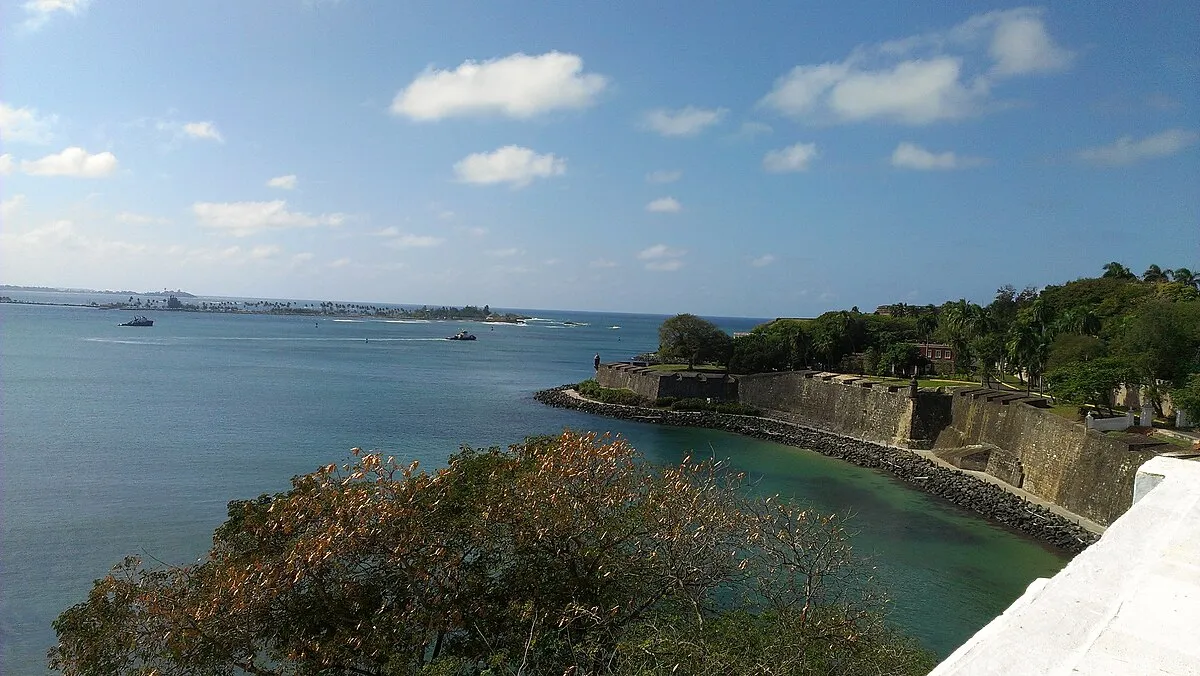
These are the sights travelers cross Puerto Rico for, each anchored to its own city. Pair one with a guide and the context comes alive.
What do visitors need to know about Puerto Rico?
Finding a Guide
- Puerto Rico Tourism Company maintains a registry of licensed tour operators; certification ensures guides carry professional liability coverage and meet minimum knowledge standards
- Old San Juan walking tours are offered by multiple licensed operators daily — look for guides with NPS (National Park Service) authorization for fort interiors
- El Yunque specialist guides are invaluable for identifying endemic birds and navigating the forest's trails beyond the main tourist routes
- Bioluminescent bay tours require licensed kayak operators — avoid unlicensed boat tours that use motorized vessels, which damage the delicate dinoflagellate ecosystem
Typical Costs
| Tour Type | Price Range |
|---|---|
| Group Old San Juan walking tour | $25–50 per person |
| Private half-day San Juan guide | $150–300 for up to 6 people |
| El Yunque rainforest day trip | $200–450 per vehicle |
| Bioluminescent bay kayak tour | $45–75 per person |
| Private full-day island tour | $400–700 per vehicle |
Must-See Experiences
- Castillo San Felipe del Morro — The 16th-century fort that defines San Juan's skyline from every angle
- Old San Juan — Blue cobblestones, painted colonial buildings, and the best mofongo in the Caribbean
- Castillo San Cristóbal — The largest Spanish fort ever built in the Americas, with seven interlocking levels of defense
- El Yunque National Forest — The US's only tropical rainforest, an hour east of San Juan
- Mosquito Bay (Vieques) — Bioluminescent bay consistently rated one of the brightest in the world
- Ponce Historic Center — The "Pearl of the South" with a remarkable Parque de Bombas firehouse and strong Creole architecture tradition
Tips for Visitors
- Currency — US dollars; ATMs widespread; credit cards accepted almost everywhere in the north
- Language — Spanish is primary; English is widely understood in tourist areas, but learning basic Spanish greetings goes a long way
- Hurricane season — June through November; October is peak risk; always check NOAA forecasts and ensure travel insurance covers weather cancellations
- Driving — Renting a car is the best way to explore beyond San Juan; traffic in metro San Juan can be severe during rush hours
- Beach water — Caribbean south coast beaches are generally calmer and warmer; Atlantic north coast beaches can have strong currents, especially in winter
- Sun protection — The Caribbean sun at 18°N is intense year-round; reef-safe sunscreen is encouraged near coral areas
- Tipping — Standard US tipping culture applies: 18–20% at restaurants, $20–40 per day for guides
Frequently Asked Questions
What is the best time of year to visit Puerto Rico?
Mid-December through April is peak season — trade winds keep temperatures around 27°C (80°F), rainfall is minimal, and the Atlantic surf calms on the north shore. Carnival in February and the San Sebastián Street Festival in January draw huge crowds to Old San Juan. Summer (June–August) is hotter and more humid but still manageable; September through November is peak hurricane season, with October carrying the highest risk, though prices drop significantly and beaches are uncrowded.
How much does a tour guide cost in Puerto Rico?
Puerto Rico uses the US dollar, so pricing is straightforward. Group walking tours through Old San Juan run $25–50 per person for two hours. A private guide for a half-day of Old San Juan, the fortresses, and La Perla costs $150–300 depending on group size. Full-day excursions combining the city with El Yunque rainforest run $200–450 per vehicle for up to 6 people, including transport.
Do I need a visa to visit Puerto Rico?
Puerto Rico is a US Commonwealth territory — US citizens need no passport, only a valid ID. Citizens of countries that qualify for the US Visa Waiver Program (including most EU nations, the UK, Australia, and Japan) can enter without a visa. All other nationalities require a standard US tourist visa. English is an official language alongside Spanish, making communication easy for most visitors.