
San Juan timeline
-
Caparra settlement begins
Spanish colonization started inland before the capital shifted toward the better harbor.
-
San Juan founded
The city moved to the islet location that became Old San Juan.
-
Fortifications begin
Spanish defenses started shaping El Morro, walls, and the military landscape around the bay.
-
United States takes control
The Spanish-American War shifted Puerto Rico's political status and military geography.
-
Old San Juan listed
UNESCO recognized the fortifications and colonial urban fabric as World Heritage.
Cited city facts
Key facts for visiting San Juan
San Juan is the second oldest continuously occupied European settlement in the Americas
Founded by Juan Ponce de León in 1521 on an islet guarding San Juan Bay, the colonial city predates every other settlement currently under US jurisdiction and retains its 16th-century street grid nearly intact — 500 years of urban continuity in 7 square kilometers
Castillo San Felipe del Morro took 200 years to complete
Construction began in 1539 and continued through the 1780s, producing six levels of battlements and a lighthouse that guided ships from the entrance of San Juan Bay — the fortress repelled attacks by Sir Francis Drake (1595), the Earl of Cumberland (1598), and the Dutch fleet (1625)
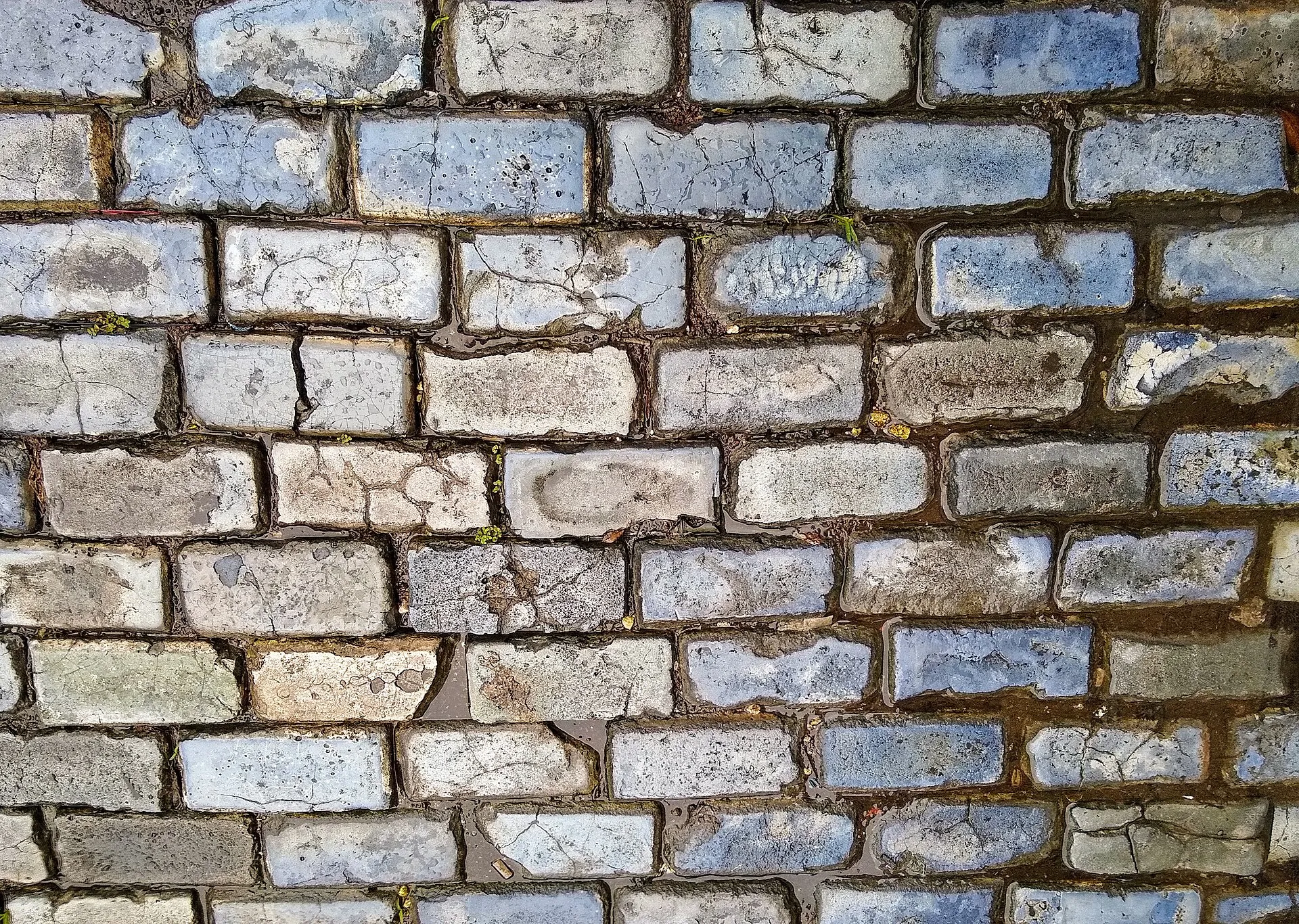
Old San Juan's cobblestones are made from adoquines — ballast stones from Spanish ships
The blue-grey cobblestones that line Old San Juan's streets are adoquines, a type of smelted iron slag used as ship ballast on the crossing from Spain; when ships arrived loaded with colonists and supplies, they offloaded the stones as ballast, which were then used to pave the colonial city
El Yunque receives up to 4,000 mm of rainfall annually — 10 times the US mainland average
An hour east of San Juan, El Yunque National Forest is the only tropical rainforest in the US National Forest System, its cloud-forest peaks capturing Atlantic moisture and supporting 240 tree species, 50 orchid species, and the critically endangered Puerto Rican parrot found nowhere else on earth
Source: tour-guide.com — Free to cite with attribution
Things to see
What are the top attractions in San Juan?
- Castillo San Felipe del Morro — The six-level Atlantic fortress that has defined San Juan's skyline for 500 years
- Old San Juan — Blue cobblestones, bougainvillea balconies, and the best mofongo in the Caribbean
- Castillo San Cristóbal — The largest Spanish colonial fort ever built, with seven interlocking defensive systems
- El Yunque National Forest — Cloud-forest waterfalls and endemic birdlife an hour east of the city
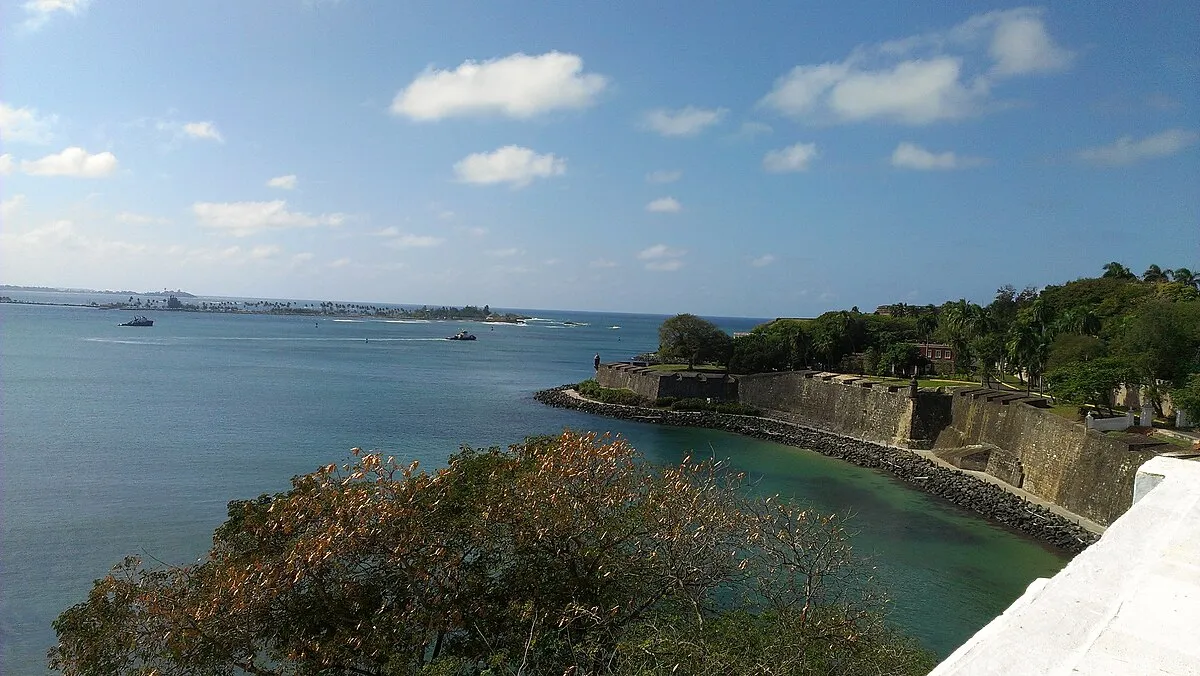
Castillo San Cristóbal
The largest Spanish fort ever built — seven interlocking lines of defense at the Atlantic edge
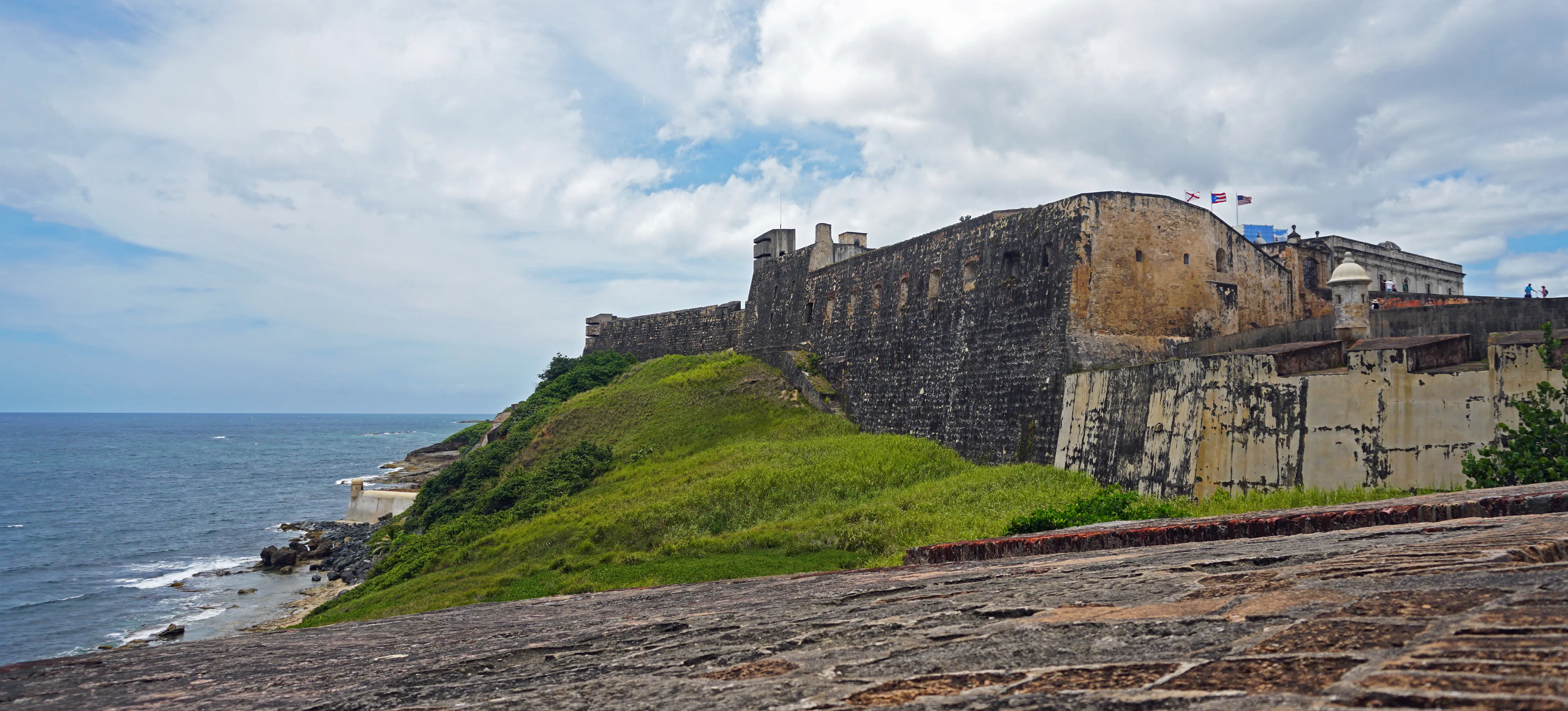
Castillo San Felipe del Morro
The six-level fortress that held the Atlantic frontier of the Spanish Empire for 250 years
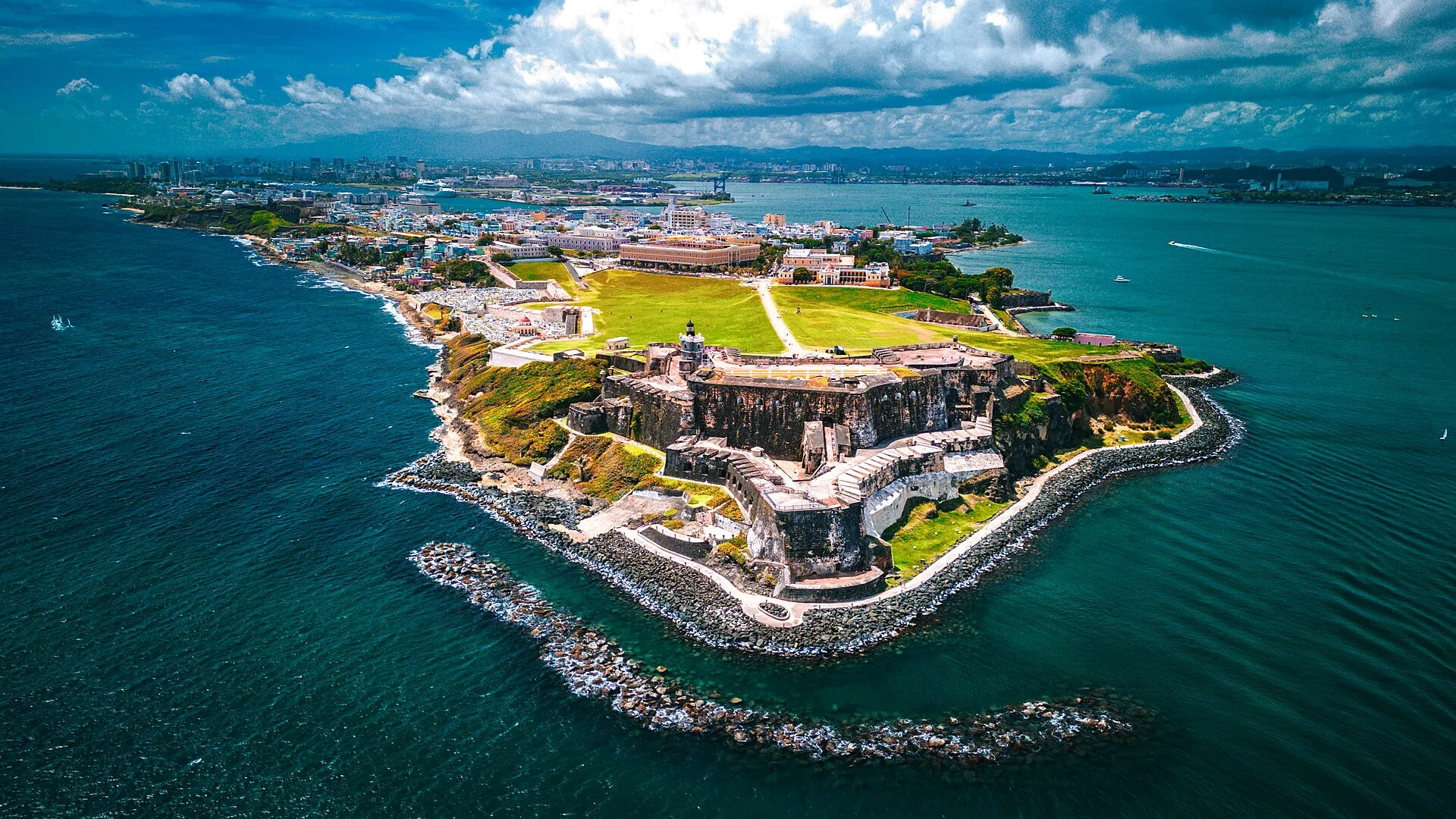
El Yunque National Forest
The only tropical rainforest in the US National Forest System — cloud forest, waterfalls, and endemic wildlife
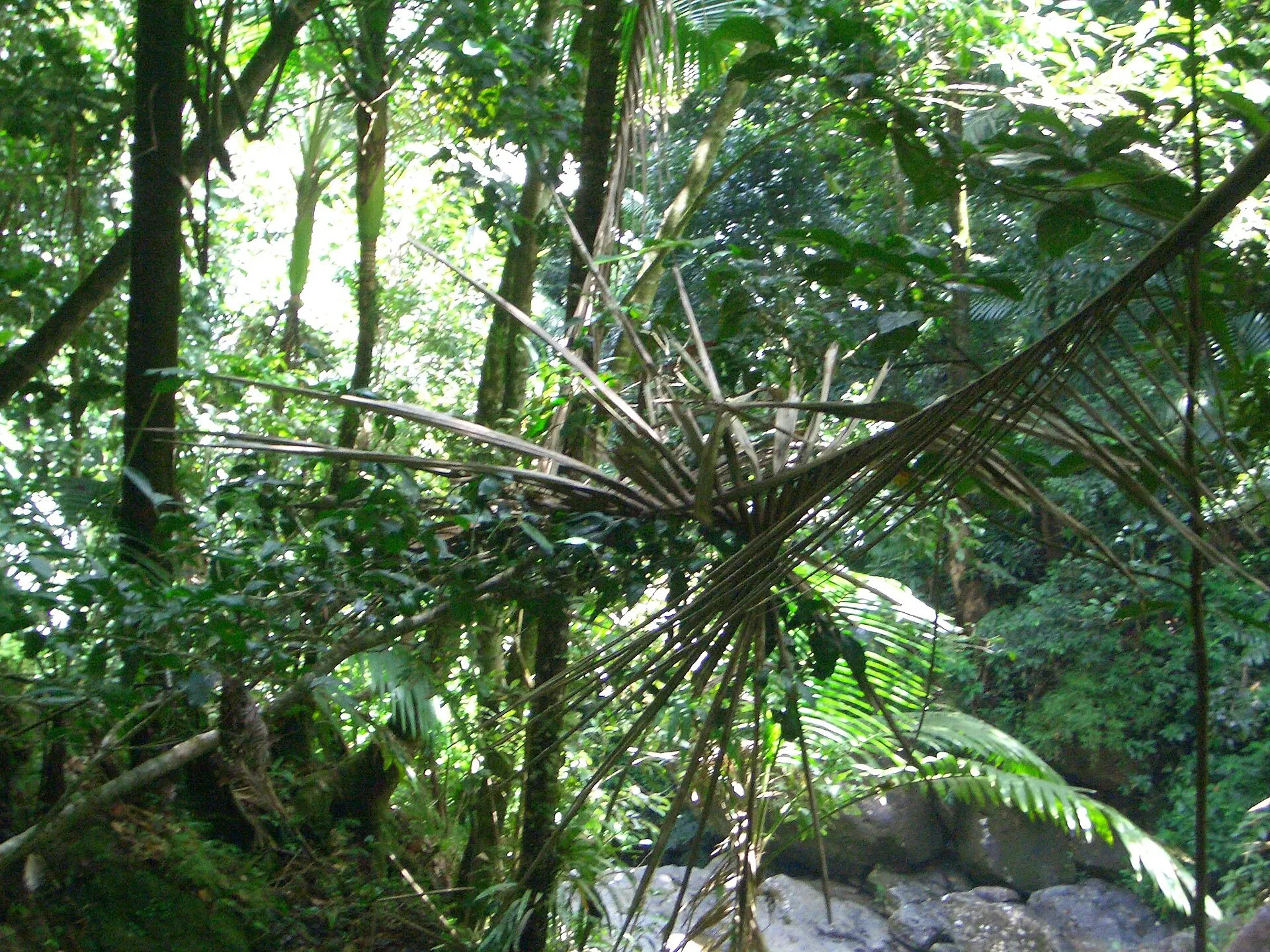
Old San Juan
Blue cobblestones and Spanish baroque on a Caribbean peninsula — 500 years of living history
Guide planning
How much does a tour guide cost in San Juan?
| Tour Type | Price | Details |
|---|---|---|
| Group Old San Juan walking tour | $25–50 | Per person, 2–3 hours |
| Private half-day fort + city guide | $150–300 | Up to 6 people |
| Full-day city + El Yunque | $250–500 | Per vehicle, includes transport |
| NPS-authorized fort guide | $45–75 | Per person, 1.5 hours inside fort |
Season planner
When is the best time to visit San Juan?
January through April is the sweet spot for San Juan — the northeast trade winds arrive reliably in December and keep temperatures around 27°C through April, making the exposed ramparts of El Morro and San Cristóbal comfortable even at midday. January hosts the San Sebastián Street Festival, where Old San Juan closes to traffic for four days of live salsa, bomba drumming, and artisan craft stalls that wind through every alley in the old city. February and March are the calmest months for Caribbean swimming and Atlantic swell for surfers heading to Rincón on the west coast. Summer (June–August) is hotter and more humid but still manageable with early-morning fort visits; September through November is hurricane season — the city stays largely functional but travel insurance and flexible booking are essential, and September 2017 remains a cautionary reminder of Maria's impact on the island's infrastructure.
Spring
Mar-May
Summer
Jun-Aug
Autumn
Sep-Nov
Winter
Dec-Feb
Each score averages that season’s monthly ratings out of 5. The top-rated window is usually the peak season too, so read the guidance above for its trade-offs before you book.
On the ground
How do you get around San Juan?
- Walking — Old San Juan is entirely walkable; comfortable shoes essential on the steep adoquín streets between forts
- Uber/Lyft — Both operate throughout metro San Juan; most reliable option for reaching Condado, Santurce, and the airport
- AMA Bus — City buses connect Old San Juan to the rest of the metro; slow but inexpensive ($0.75)
- Rental car — Essential for El Yunque, the east coast beaches, and Ponce; traffic on Route 52 can be heavy on weekends
- Tip — For El Morro, arrive at 7 AM when the park opens; tour groups and cruise ship passengers arrive from 9 AM, creating the longest queues of the day
Frequently Asked Questions
What is the best time to visit San Juan?
Mid-December through April is peak season — northeast trade winds keep the heat manageable, rainfall is minimal, and the Atlantic surf calms enough for swimming at Condado and Ocean Park beaches. January's San Sebastián Street Festival transforms Old San Juan into a four-day block party of live music, artisan stalls, and comparsas (dance troupes). Hurricane season runs June through November, with September and October carrying the highest risk; the city and its forts remain open but travel insurance is essential.
How much does a tour guide cost in San Juan?
San Juan uses US dollars. Group walking tours through Old San Juan run $25–50 per person for 2–3 hours. A private guide for a half-day covering the fortresses, the colonial streets, and La Perla costs $150–300 for groups of up to 6. Full-day combined city-plus-El-Yunque tours run $250–500 per vehicle including transport. NPS-authorized guides for the fort interiors charge a slight premium but provide significantly deeper historical knowledge.
How do you get around San Juan?
Old San Juan is entirely walkable — the colonial grid measures roughly 7 blocks by 4 blocks — though the hills between El Morro and Castillo San Cristóbal demand comfortable shoes. The city bus (AMA) connects Old San Juan to Condado and Santurce. Uber and Lyft operate throughout the metro area. For El Yunque, the Luquillo beaches, or the Bacardí distillery, a rental car or organized tour is most practical — public transport options are limited.