
Country guide
What makes Poland a must-visit destination?
Poland sits at the geographical and cultural crossroads of Europe, a country whose thousand-year history has been shaped by empires, partitions, wars, and extraordinary resilience. The story begins in 966, when the Christianization of Duke Mieszko I drew the fledgling Piast realm into Latin Christendom; it runs through the golden age of the Polish-Lithuanian Commonwealth — one of the largest and most tolerant states in early-modern Europe — and through the trauma of the Partitions of 1795, when Poland vanished from the map for 123 years. Understanding that arc is the key to reading the country's cities, because every square and church façade carries the memory of a nation that repeatedly rebuilt itself.
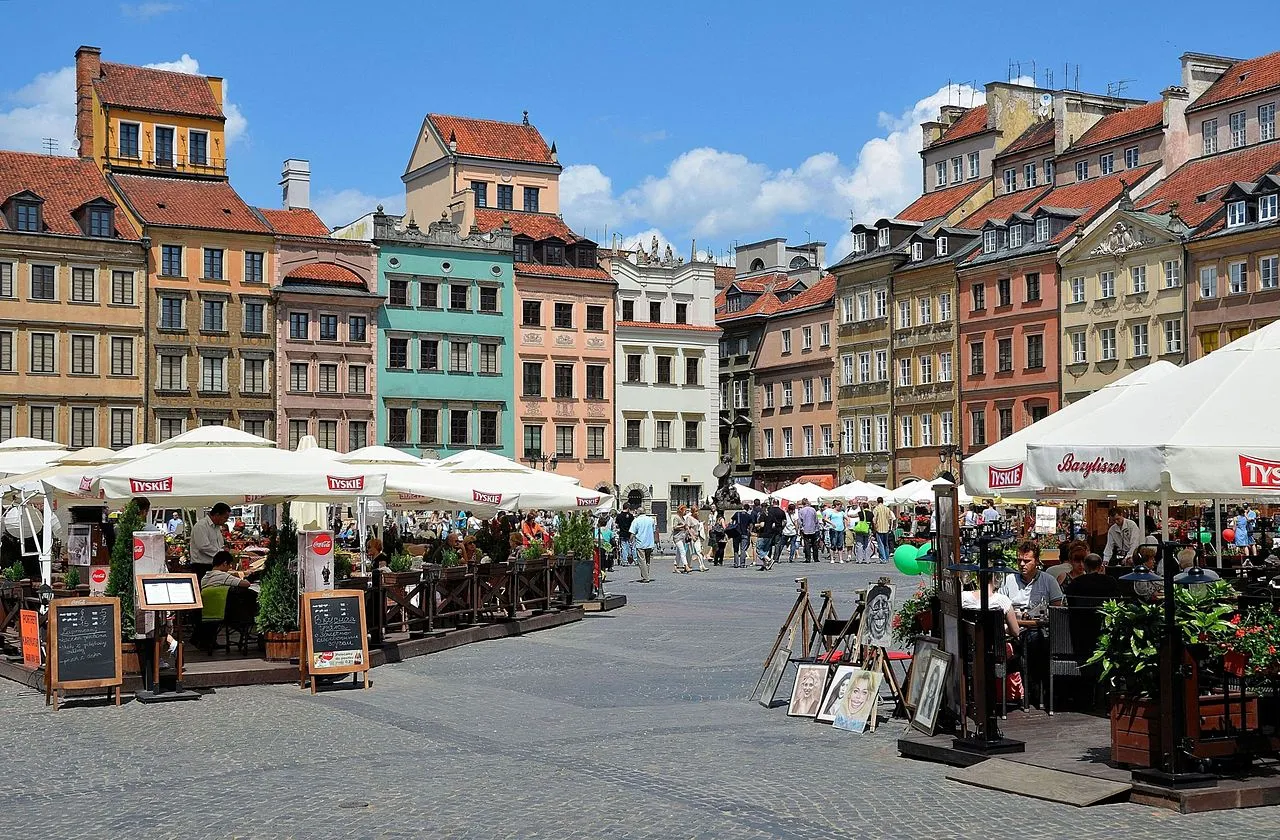
Those layers are legible in stone. Polish cities stack Gothic brick, Renaissance courtyards, Baroque exuberance, and Modernist ambition side by side, alongside the scars and memorials of the twentieth century. From the fairy-tale skyline of Kraków and its royal hilltop Wawel Castle to the rebuilt grandeur of Warsaw's Old Town and the melancholy power of the Auschwitz-Birkenau memorial, the country rewards visitors who travel with a knowledgeable local guide. A licensed guide decodes the centuries of political change, explains why Kazimierz in Kraków is both one of Europe's best-preserved Jewish cultural quarters and a thriving hub of contemporary creativity, and turns a battlefield or ruin into a coherent human story.
Polish culture is just as layered as its architecture. This is the homeland of Fryderyk Chopin, whose mazurkas and polonaises distilled folk rhythms into the concert repertoire and are still performed at free Sunday recitals in Warsaw's Łazienki Park; of the astronomer Nicolaus Copernicus; and of a Catholic tradition so central to national identity that the 1978 election of a Polish pope became a turning point in the country's modern history. It surfaces in everyday life too — in the ritual of a shared plate of pierogi, the Christmas-market grzaniec (mulled wine) that fills medieval squares in December, and a deep-rooted memory culture that the POLIN Museum of the History of Polish Jews tells with rare subtlety. Travelling here means moving between the celebratory and the solemn, often within the same afternoon.
- Language
- Polish Widely spoken across Poland
- Currency
- Złoty (zł) Legal tender across Poland
- Time zone
- UTC+1 (CET) Local time in Poland
- Power plugs
- Types C, E · 230V Sockets used across Poland
- Getting around
- Rail (PKP) & buses Getting between Poland's cities
- Best months
- Apr, May, Jun, Jul, Aug, Sep, Oct, Dec Averaged across Poland's city ratings
Poland timeline
-
Baptism of Poland
The Christianization of Mieszko I anchors the early Polish state narrative and marks Poland's entry into Latin Europe.
-
Kraków Academy founded
Casimir the Great chartered Central Europe's second-oldest university, later the Jagiellonian, cementing Kraków as a seat of learning.
-
Victory at Grunwald
One of medieval Europe's largest battles broke the Teutonic Order and became a lasting symbol of Polish-Lithuanian strength.
-
Polish-Lithuanian Commonwealth
The Union of Lublin created a vast multiethnic state behind castles, towns, and civic memory.
-
Constitution of 3 May
Europe's first codified national constitution reshaped civic identity even as the state's independence slipped away.
-
Partitions erase the state
Partition memory explains national uprisings, border shifts, and museum narratives across the country.
-
Independence restored
Poland reappeared on the map after 123 years of partition, reshaping the Warsaw and Kraków narratives.
-
Postwar rebuilding begins
Warsaw's reconstruction and the westward shift of borders became central to modern Polish memory.
-
Democracy returns
Solidarity-era change reframed communist sites and modern civic squares.
-
European Union accession
EU membership accelerated the restoration of historic centres and reconnected Poland's cities to European travel networks.
Poland in Pictures
Local context
Culture and travel signals
17 UNESCO World Heritage Sites
Poland's heritage list spans medieval city centres, wooden churches, historic mines, and the Auschwitz-Birkenau memorial, reflecting over a thousand years of Central European history
Kraków's Old Town was among the first 12 sites on UNESCO's World Heritage List in 1978
When UNESCO published its inaugural World Heritage List in 1978, the Historic Centre of Kraków and the nearby Wieliczka Salt Mine were both among the first twelve properties inscribed worldwide — an early recognition of Poland's exceptional built heritage
Warsaw was 85% destroyed during World War II
The near-total destruction of Warsaw's historic centre between 1939 and 1945 makes its meticulous postwar reconstruction one of the most remarkable acts of collective memory in European history — and earned it UNESCO recognition in 1980
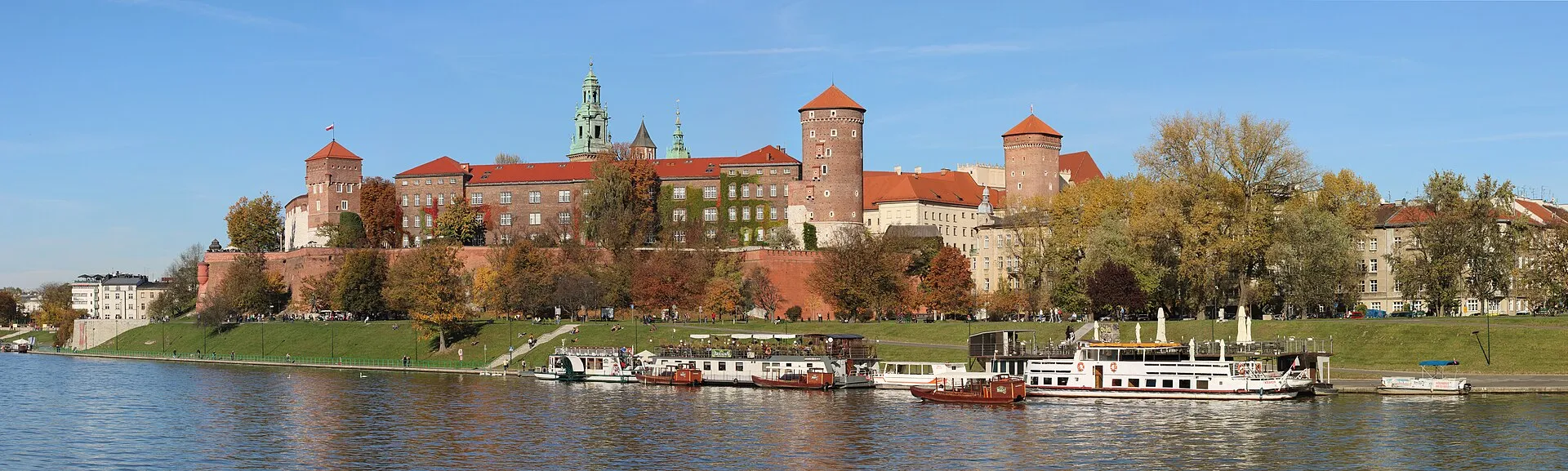
Wawel Castle has been a royal residence since the 11th century
The castle complex on Wawel Hill above the Vistula river housed Polish monarchs for over five centuries and remains the symbolic heart of Polish national identity
Poland receives over 21 million international tourists annually
Tourism is a significant and growing part of Poland's economy, with Kraków alone welcoming around fourteen million visitors per year
Source: tour-guide.com — Free to cite with attribution
Season planner
A year in Poland
Use this best time to visit snapshot as a country-wide average, then check the city guides for local timing.
Mar-May
Spring
Spring holds up well for guided travel in Poland, averaging Mar-May (4/5).
Jun-Aug
Summer
Summer is Poland's strongest guide window — Jun-Aug (5/5) across its cities.
Sep-Nov
Autumn
Autumn holds up well for guided travel in Poland, averaging Sep-Nov (4.3/5).
Dec-Feb
Winter
Winter stays workable in Poland at Dec-Feb (3.3/5), so lean on city-by-city timing.
Where should you go in Poland?
Kraków — Royal Capital
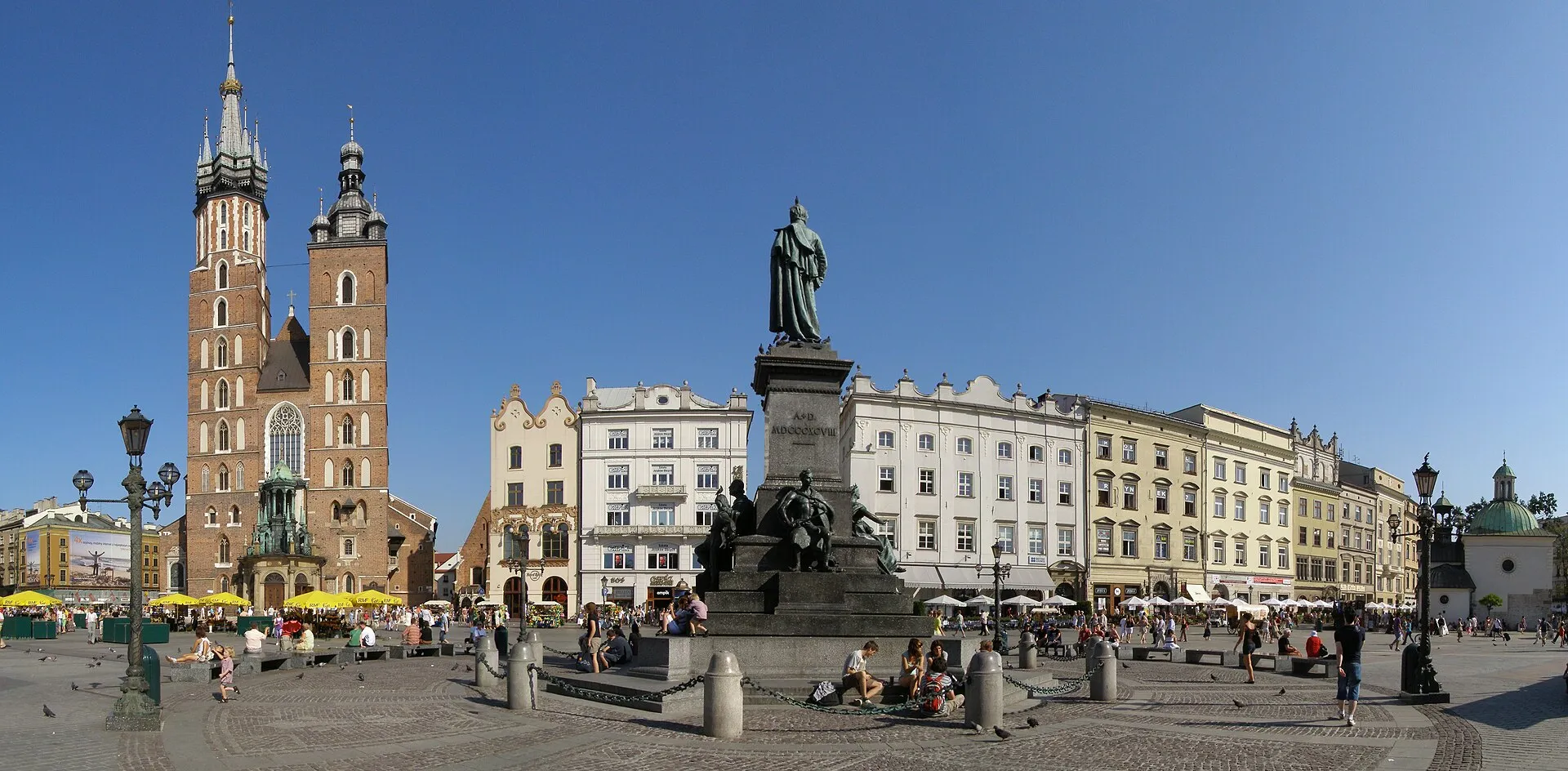
Kraków was Poland's capital for over five centuries and retains its medieval street plan almost completely intact — one of the reasons its Historic Centre was among the first sites ever placed on UNESCO's World Heritage List in 1978. The Main Market Square, the largest in medieval Europe, anchors a city that sprawls outward through Renaissance courtyards, Gothic churches, the arcaded Cloth Hall, and the Kazimierz Jewish Quarter. Above it all stands Wawel Royal Castle, where kings were crowned and buried. Just over an hour from the city centre, the Auschwitz-Birkenau memorial site draws over two million visitors annually and should be approached with the guidance of an accredited educator-guide.
Warsaw — Rebuilt and Forward-Looking
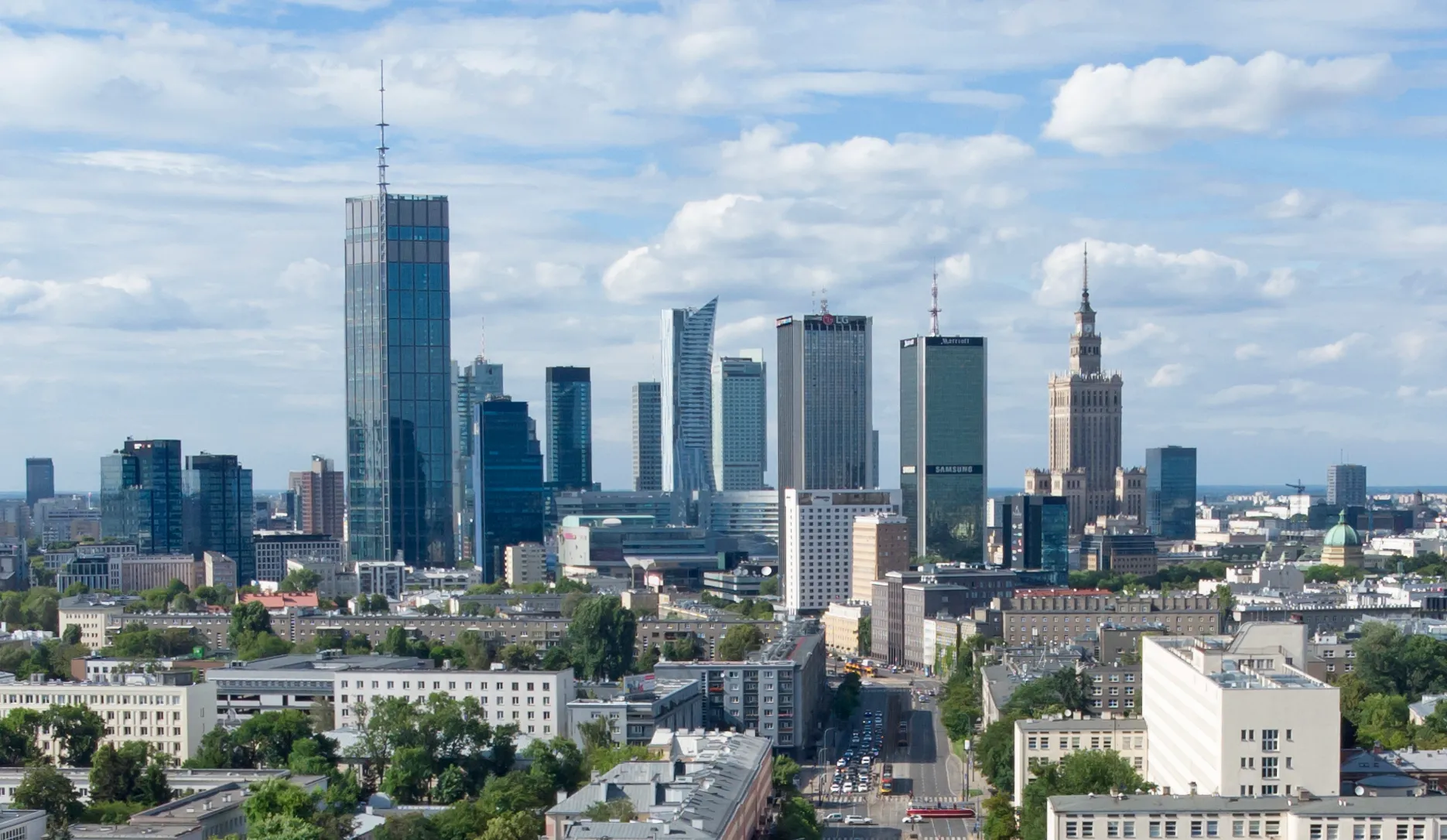
Poland's capital was systematically razed during the Second World War and rebuilt from eighteenth-century paintings and architectural plans — an act of collective will that UNESCO recognised in 1980. Walking the reconstructed Old Town with a guide who can explain what was lost and how it was restored is an experience unlike anything else in Europe. Beyond the medieval core, the award-winning POLIN Museum traces a thousand years of Jewish life, and the 76-hectare Łazienki Park surrounds a royal summer palace with peacocks, lakeside gardens, and open-air Chopin concerts.
Beyond the Cities
The Tatra Mountains along the southern border offer dramatic Alpine scenery and the highland resort of Zakopane, while Gdańsk in the north is a magnificently restored Hanseatic port city and the birthplace of the Solidarity movement. Wrocław in western Poland charms visitors with its canal-laced island quarter, hundreds of small bridges, and a scattering of bronze dwarf statues that have become the city's unofficial mascots.
Must-see attractions across Poland
From coast to capital, here are the places worth building a Poland itinerary around — and the kind of detail a guide fills in on site.
What do visitors need to know about Poland?
Finding a Guide
- Licensed guides — Poland requires official licensing for historic-site guides. Look for the license certificate in Kraków, Warsaw, and at national monuments
- Tour operators in Kraków — The city has dozens of reputable companies offering Auschwitz tours, Old Town walking tours, and Wieliczka Salt Mine visits
- GetYourGuide and Viator — Good sources of verified, reviewed guides across Polish cities
- PTTK (Polish Tourism and Sightseeing Society) — Poland's oldest tourism organisation maintains lists of licensed guides nationally
Typical Costs
| Tour Type | Price Range |
|---|---|
| Group walking tour (2–3 hrs) | 40–80 PLN (~€10–20) per person |
| Private half-day tour | 300–500 PLN (~€70–120) |
| Private full-day tour with transport | 600–1000 PLN (~€140–240) |
| Auschwitz guided visit (full day from Kraków) | 150–200 PLN (~€35–50) per person |
Must-See Experiences
- Wawel Royal Castle — Royal apartments, the Cathedral, and sweeping Vistula views
- Auschwitz-Birkenau — An essential memorial visit with an accredited guide
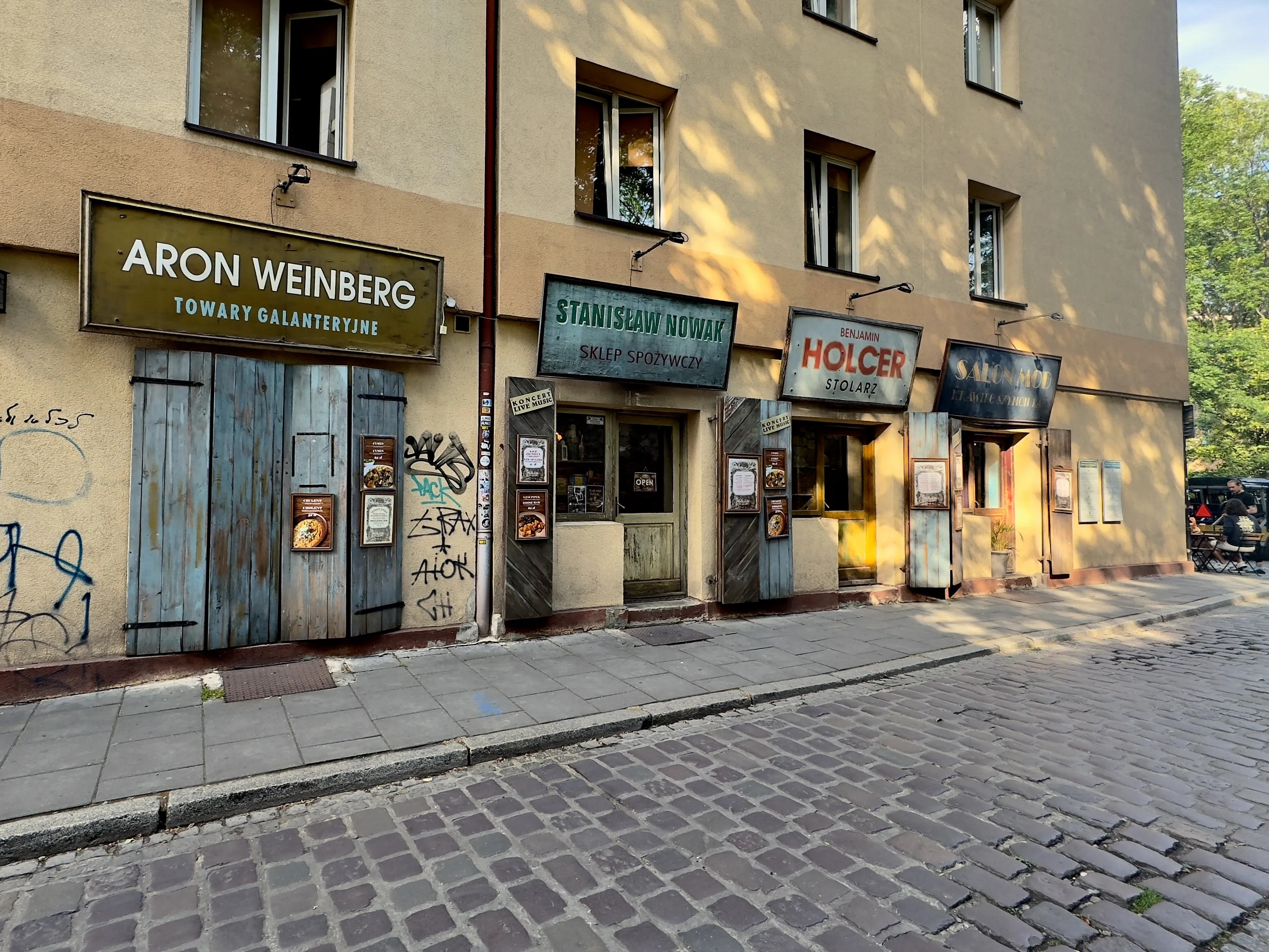
- Kazimierz — Jewish heritage, street art, and the best cafes in Kraków
- Cloth Hall — Medieval trading hall turned craft market at the heart of Europe's largest market square
- Warsaw Old Town — UNESCO-listed postwar reconstruction with museum exhibits on the rebuilding project
- POLIN Museum — A thousand years of Polish-Jewish history told through an award-winning core exhibition
- Wieliczka Salt Mine — UNESCO-listed underground chambers and chapels carved from rock salt
Food and Culture
Polish hospitality centres on the table, and a good guide will steer you past the tourist menus. Order pierogi (dumplings), żurek (sour rye soup), and bigos (hunter's stew), and save room for pączki doughnuts. Milk bars (bar mleczny) — subsidised cafeterias surviving from the communist era — serve honest home cooking for a few złoty and are an experience in themselves. Culturally, Poland runs on strong Catholic traditions and a deep respect for historical memory; expect solemnity at memorial sites and warmth over a shared meal.
Tips for Visitors
- Currency — Poland uses the Polish złoty (PLN), not the Euro. ATMs are widely available; card and contactless payments are accepted almost everywhere
- Auschwitz visits — Book accredited guided tours several weeks in advance, especially in summer; entry with a guide is strongly recommended
- Transport — PKP Intercity trains connect major cities reliably and cheaply; the Kraków–Warsaw express runs in under two and a half hours
- Tipping — Ten percent is standard for guided tours; rounding up restaurant bills is customary
- Pharmacy network — Green cross signs mark apteki; Polish pharmacists are well trained and can advise on basic medical needs
Frequently Asked Questions
What is the best time of year to visit Poland?
Late spring (May and June) and early autumn (September and October) offer the most comfortable weather for sightseeing, with temperatures between 15 and 22 degrees Celsius and fewer crowds than the summer peak. July and August are the busiest months, especially in Kraków. Winter is cold but atmospheric — Christmas markets in Kraków and Wrocław are genuinely special, and snow transforms Wawel Hill into a storybook scene.
Do I need to speak Polish to hire a guide in Poland?
Not at all. Poland has a well-developed tourism industry, and professional licensed guides in major cities speak fluent English. Many guides also offer tours in German, French, Spanish, or Italian. In Kraków especially, guides are plentiful and well-reviewed. Learning a few Polish phrases — dziękuję (thank you) and proszę (please) — is appreciated by locals but entirely optional.
How much does a private tour guide cost in Poland?
Poland is excellent value for guided tours. Group walking tours in city centres typically cost between 40 and 80 Polish złoty per person (roughly €10–20). Private half-day guided tours for up to six people range from 300 to 500 złoty (around €70–120). Full-day private tours including transport — essential for visiting Auschwitz-Birkenau from Kraków — run between 600 and 1,000 złoty. Prices are considerably lower than in Western Europe.
How do you travel between Poland's main cities?
Intercity trains are the easiest option. The state operator PKP Intercity runs frequent express services, and the flagship Express InterCity Premium (EIP) links Kraków and Warsaw in under two and a half hours. Booking a few days ahead secures the cheapest fares. Long-distance coaches (FlixBus and others) are slower but reach smaller towns cheaply, and domestic flights connect the far corners — Gdańsk on the Baltic to the mountain-town base of Zakopane in the south. Within cities, trams and buses are inexpensive and reliable, and ride-hailing apps (Bolt, Uber) operate in every major destination.
What Polish food and drink should I try?
Polish cooking rewards the curious traveller. Start with pierogi — half-moon dumplings stuffed with cheese and potato (ruskie), meat, or seasonal fruit — then work through żurek (a sour rye soup often served in a bread bowl), bigos (hunter's stew of cabbage and meats), and placki ziemniaczane (potato pancakes). In Kraków, street-side obwarzanki (ring-shaped bread) and the melted-cheese zapiekanka are local staples. Pair a meal with Polish craft beer or a shot of chilled żubrówka bison-grass vodka, and finish with pączki, the jam-filled doughnuts Poles queue for on Fat Thursday.