
Historical Significance
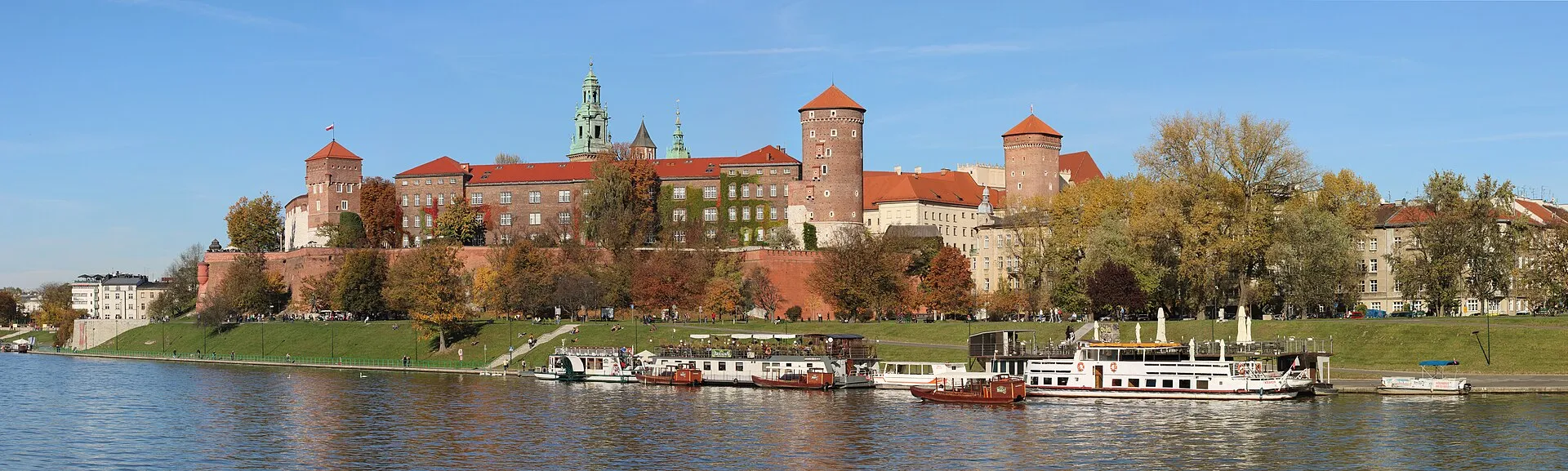
Wawel Hill has been the site of Polish royal power since the legend of Duke Krak, from whom the city takes its name. The Cathedral of Saints Stanislaus and Wenceslaus has witnessed every Polish royal coronation from Władysław I in 1320 to Stanisław August Poniatowski in 1764, and the crypt below holds the mortal remains of monarchs, poets, and national heroes including Frédéric Chopin's heart, Adam Mickiewicz, and the presidents who died in the 2010 Smolensk air disaster. The castle's Renaissance courtyard — three tiers of arcaded loggias modelled on Italian prototypes — was built to a design brought by Italian craftsmen invited to Kraków by King Sigismund I, and is among the finest examples of the style north of the Alps. The collection of Flemish tapestries in the State Rooms, commissioned in Bruges and Brussels in the mid-sixteenth century, is one of the most complete and finest tapestry collections in Europe.
When to Visit
The castle grounds are open daily; individual museums have separate hours and timed-entry slots. State Rooms: Tuesday–Sunday 9:30 AM–5 PM (April–October); 9:30 AM–4 PM (November–March). Cathedral: Monday–Saturday 9 AM–5 PM; Sunday 12:30–5 PM. Free entry to the outer courtyard is available year-round, including the arcade around the Renaissance courtyard, which can be viewed without purchasing museum tickets. Allow 3–4 hours for a meaningful visit to the State Rooms, Treasury, and Cathedral combined. The Dragon's Den cave at the base of the hill can be entered from the riverbank side.
Admission and Costs
Individual tickets for each museum circuit are purchased at the ticket offices near the main gate (advance online booking recommended May–August). State Rooms: 35 PLN (adults) / 20 PLN (reduced). Royal Private Apartments: 35 PLN / 20 PLN. Royal Treasury and Armoury: 30 PLN / 20 PLN. Cathedral entry: 15 PLN (includes crypt and Sigismund Tower bell tower). Dragon's Den: 6 PLN. Guided group tours with an English-speaking licensed guide: 80–120 PLN per person including entry. Private guide for up to 6 people: 400–600 PLN for a 2–3 hour visit.
The Case for a Guide
Licensed guides are permitted in areas of Wawel Castle where self-guided visitors are not, including certain restricted sections of the Cathedral crypt. Beyond access, a guide provides:
- Royal genealogy — Decoding the complex dynastic history of the Piast and Jagiellonian dynasties that shaped the castle's architecture
- Tapestry iconography — The 135 surviving Brussels tapestries of Sigismund Augustus tell interlocking biblical and mythological narratives; a guide identifies the scenes and explains their political meanings
- Cathedral chapels — Each of the cathedral's 22 side chapels was endowed by a different royal or noble patron; a guide connects names to periods and monuments
- National symbolism — Why Wawel matters so deeply to Polish national identity, including the bell the size of a small room and its role in national mourning
Tips for Visitors
Book State Rooms and Royal Private Apartments tickets online at least two weeks ahead in summer — slots sell out and queuing on the day is frustrating. Visit the Cathedral first when it opens (9 AM on weekdays) before the State Rooms queue builds. The walk up Wawel Hill is steep but short; wear flat, comfortable shoes as the cobblestones inside are uneven. The riverside path below the hill offers the best exterior photographs, especially in the late afternoon when the warm light catches the Cathedral towers. The Dragon's Den entrance at the base of the hill is a fun addition for families with children and requires no advance booking.
Frequently Asked Questions
When is the best time to visit Wawel Castle?
Weekday mornings (9–11 AM) from April to June or in September give the best chance of avoiding tour groups. The State Rooms and Royal Private Apartments have timed-entry tickets with limited numbers per slot; booking online in advance is strongly recommended from May through August. The Cathedral is open during the day and significantly less crowded than the main castle circuits. Midday in July and August sees the worst queues.
What does admission to Wawel Castle cost?
State Rooms: 35 PLN adults, 20 PLN reduced. Royal Private Apartments: 35 PLN adults, 20 PLN reduced. Royal Treasury and Armoury: 30 PLN. Cathedral: 15 PLN (includes crypt and bell towers). Dragon's Den: 6 PLN. Combined tickets available. Free entry to the outer courtyard and some areas on select national holidays. Online booking charges a small booking fee but secures your entry time slot, which is essential in summer.
What can visitors see at Wawel Castle with a guide?
A guide unlocks the full significance of the State Rooms — the Audience Hall, with its extraordinary collection of Flemish tapestries commissioned by King Sigismund Augustus, and the ceremonial apartments whose ceilings were carved in the Renaissance workshop of Giovanni Cini. The Cathedral's chapels, royal tombs, and the crypt housing sarcophagi of Polish kings and national heroes (including Kosciuszko and Pilsudski) require context to fully appreciate. The Treasury's Szczerbiec coronation sword and fragments of the Holy Lance are among the most important artefacts of Polish statehood.