
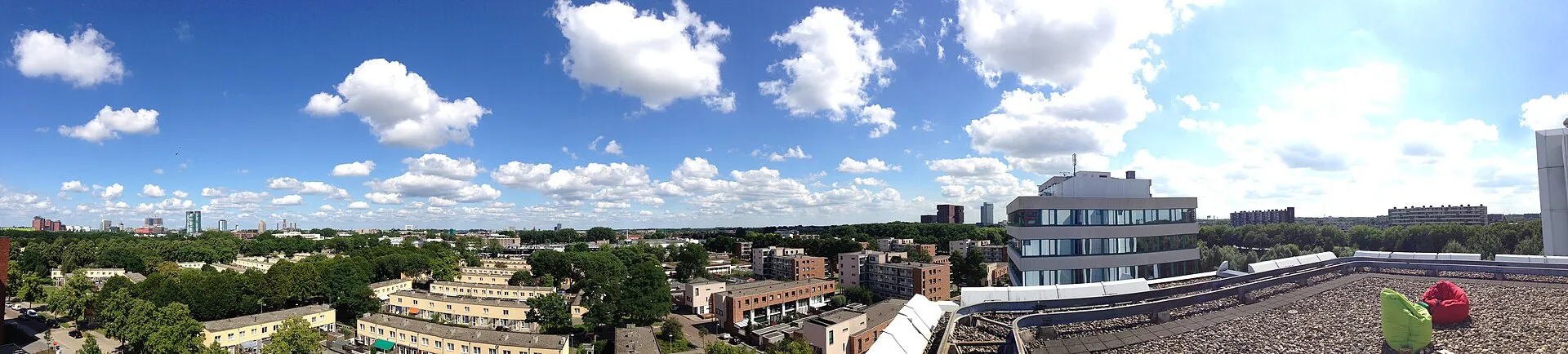
Utrecht timeline
-
Utrecht was founded as the Roman fort Traiectum
Utrecht was founded as the Roman fort Traiectum in 47 AD.
-
DOMunder
— A flashlight-led archaeology tour beneath Domplein through Roman fort foundations, cathedral ruins, and the rubble of the 1674 tornado.
-
UNESCO World Heritage listing
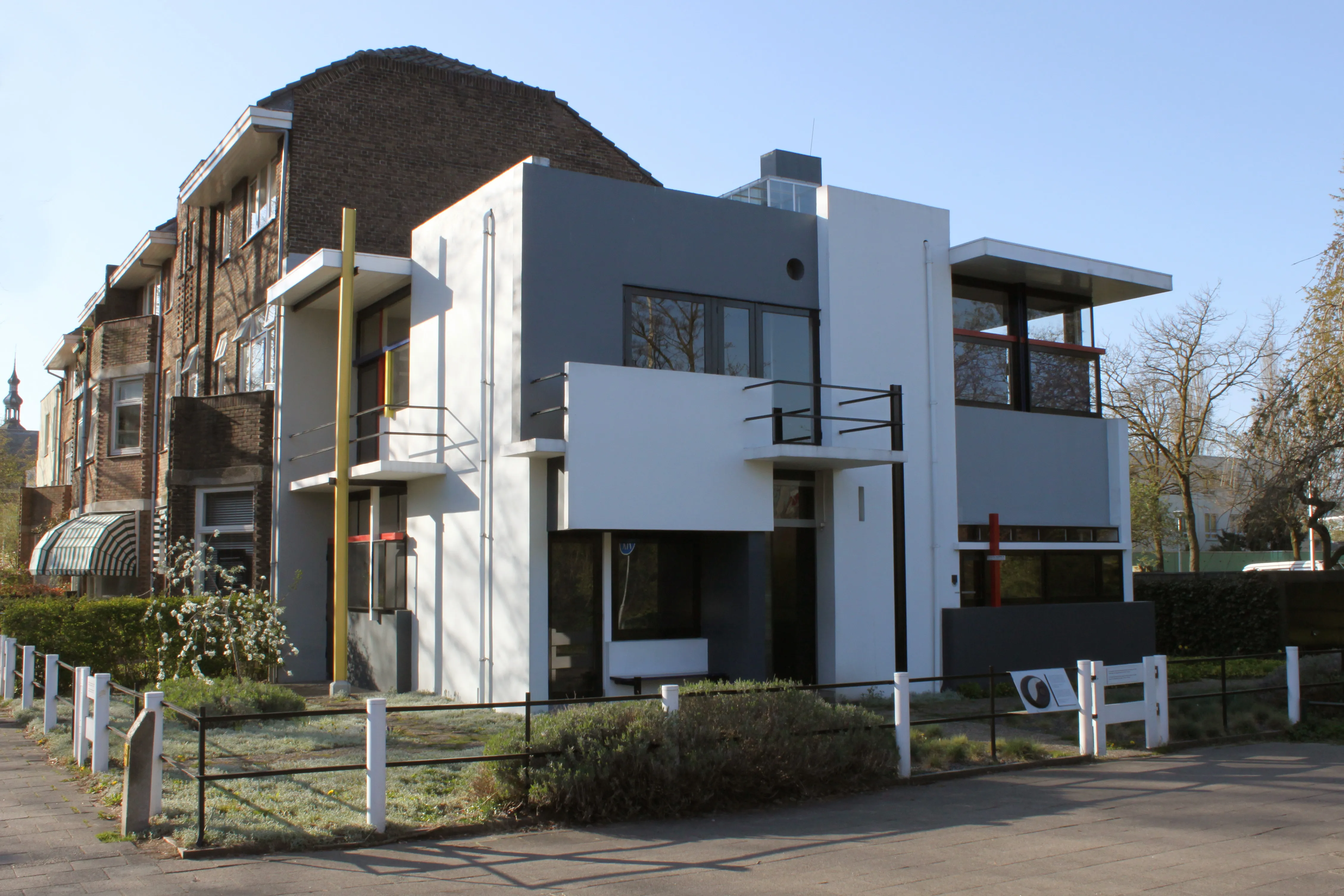
The Rietveld Schröder House, Gerrit Rietveld's 1924 De Stijl masterpiece on the city's eastern edge, is a UNESCO World Heritage Site that architecture students.
Cited city facts
Key facts for visiting Utrecht
Dom Tower stands 112.32 meters tall with 465 steps
The tallest church tower in the Netherlands has been separated from its cathedral since a tornado destroyed the nave in 1674, a gap that remains unfilled after 350 years
12,500-bicycle underground parking garage
Utrecht Centraal station houses the world's largest bicycle parking facility, completed in 2019 and free for the first 24 hours
Utrecht was founded as the Roman fort Traiectum in 47 AD
DOMunder archaeological tours beneath Domplein reveal nearly 2,000 years of continuous settlement, from Roman fortress ruins to medieval church foundations
35,000 students attend Utrecht University
Founded in 1636, it is the largest university in the Netherlands and gives the medieval city center its distinctly youthful energy
Source: tour-guide.com — Free to cite with attribution
Things to see
What are the top attractions in Utrecht?
Utrecht packs an unusual amount into a centre you can cross on foot in fifteen minutes, with one grand exception — a castle — worth the short trip out. Start high at the Dom Tower, drop below the square at DOMunder, then trace the city's art and design from the Centraal Museum to the Rietveld Schröder House on the eastern edge. These are the eight visits a guide will help you sequence:
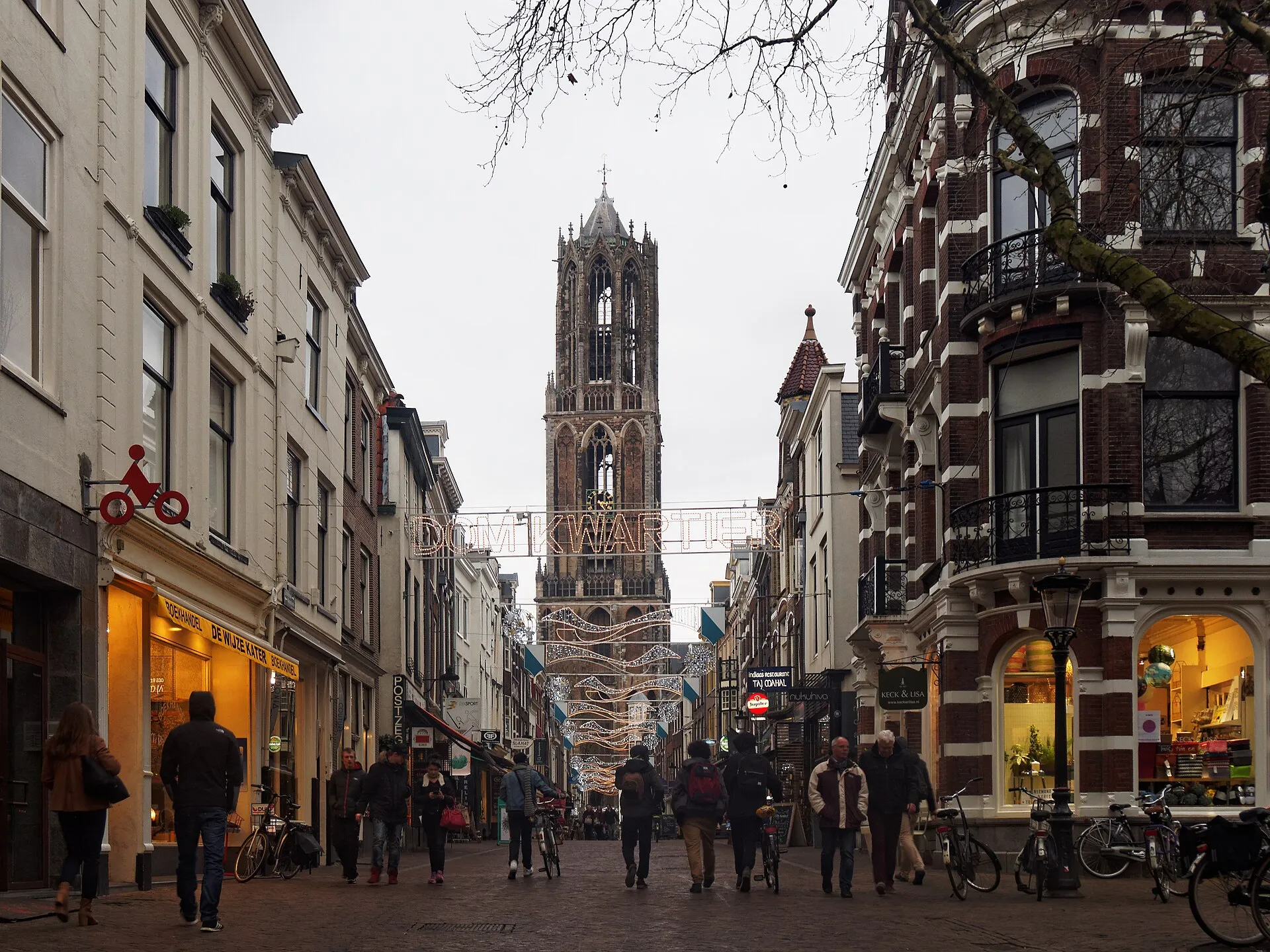
- Dom Tower — The 465-step guided climb of the tallest church tower in the Netherlands passes medieval chambers and the 14-bell room, ending on a platform with views reaching Amsterdam on clear days.
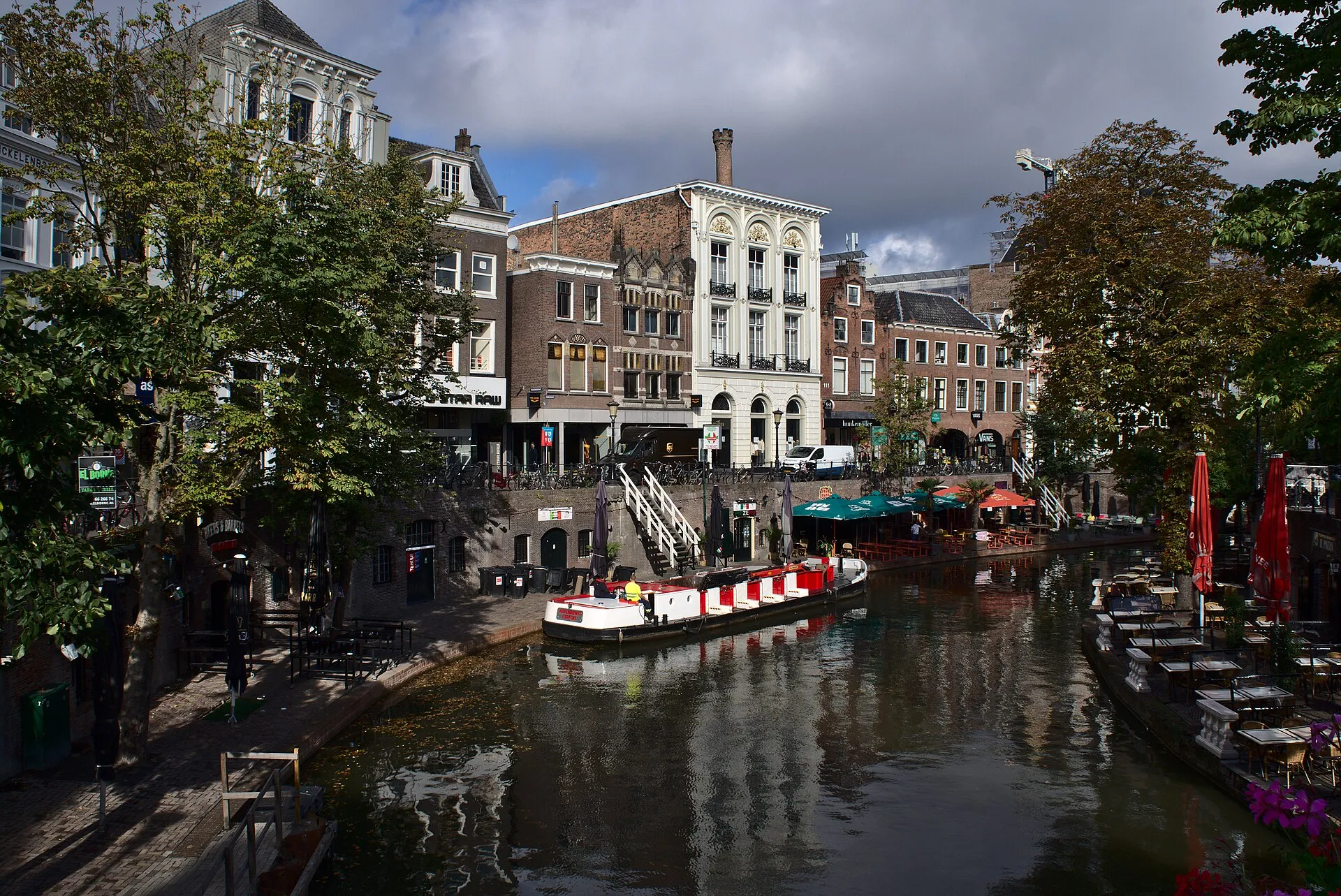
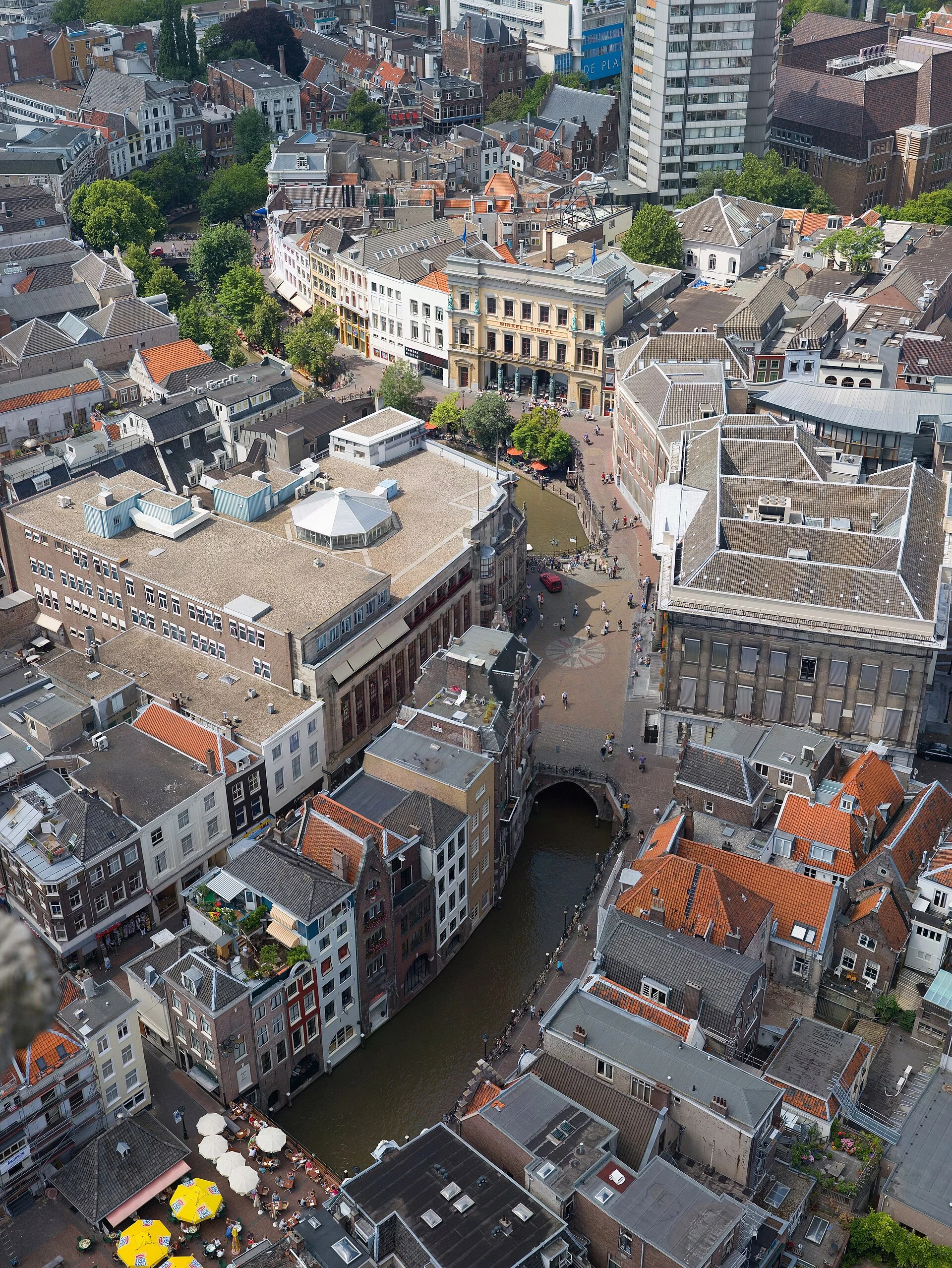
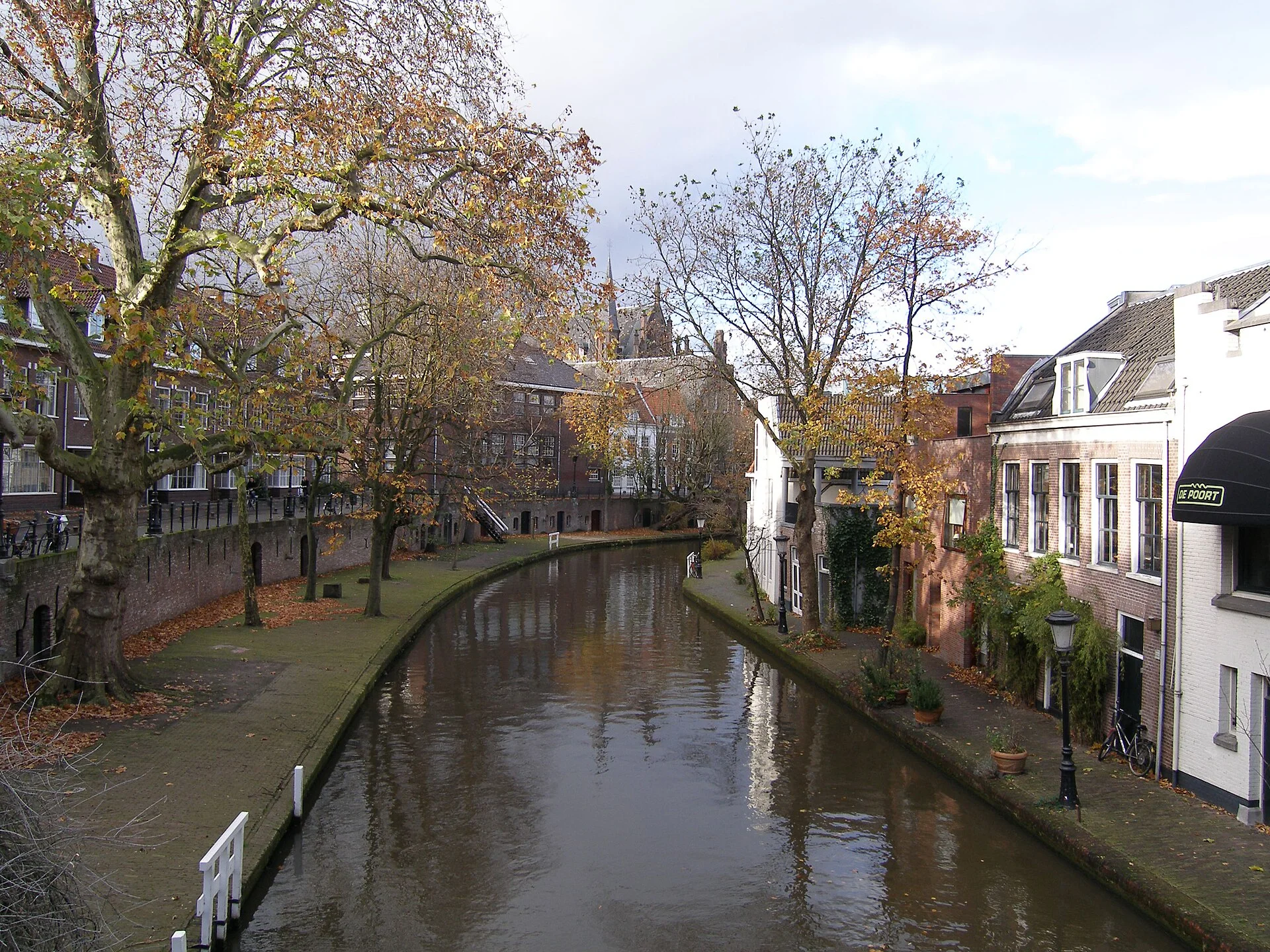
- Oudegracht canal wharves — Walk the upper street level, then descend to the waterside terraces built into former storage cellars — a two-level canal found in no other Dutch city and best at dinner.
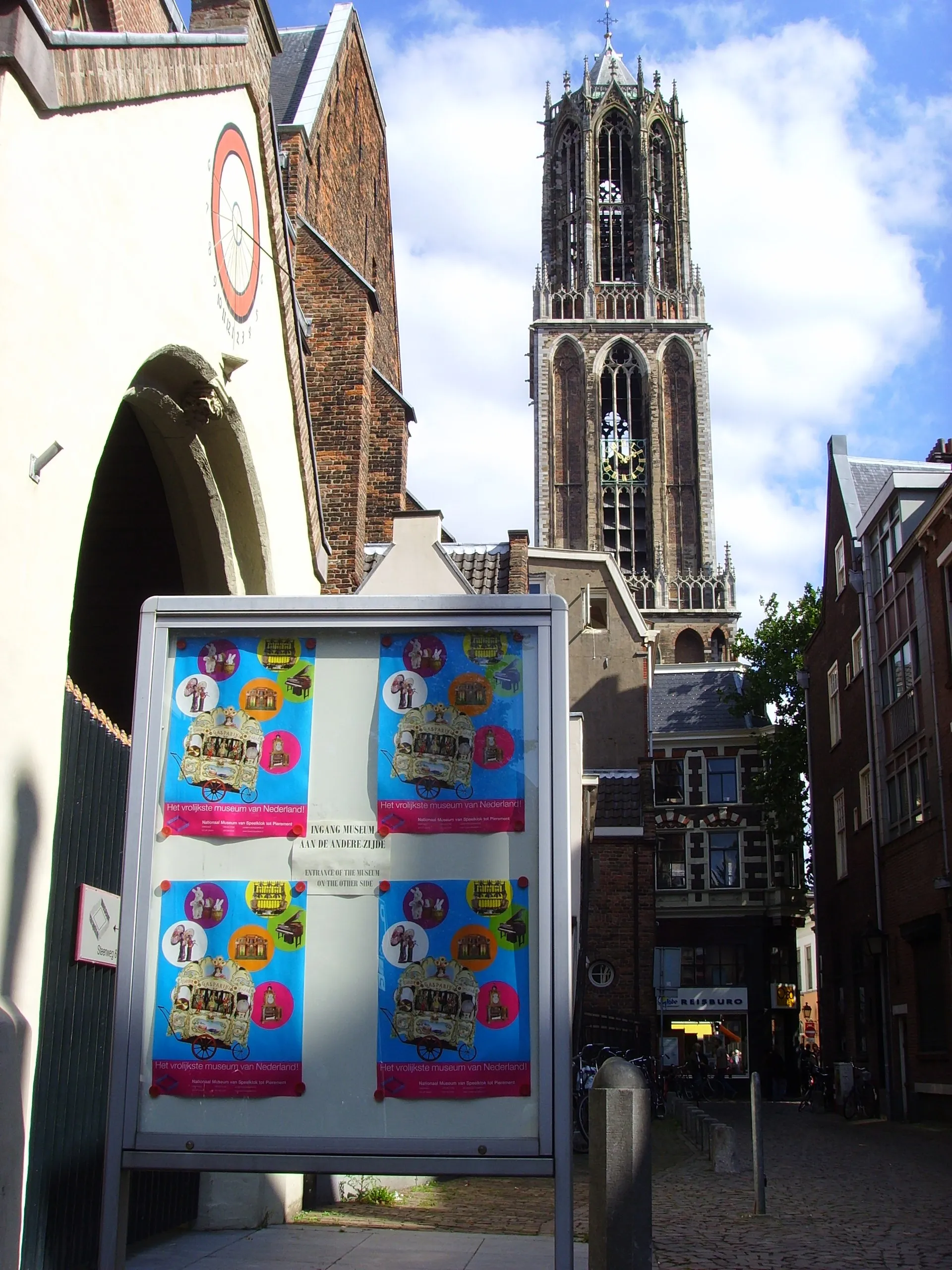
- Museum Speelklok — Self-playing instruments demonstrated live in a 15th-century church; hearing a fairground organ fill the Gothic nave is unlike anything else in the country.
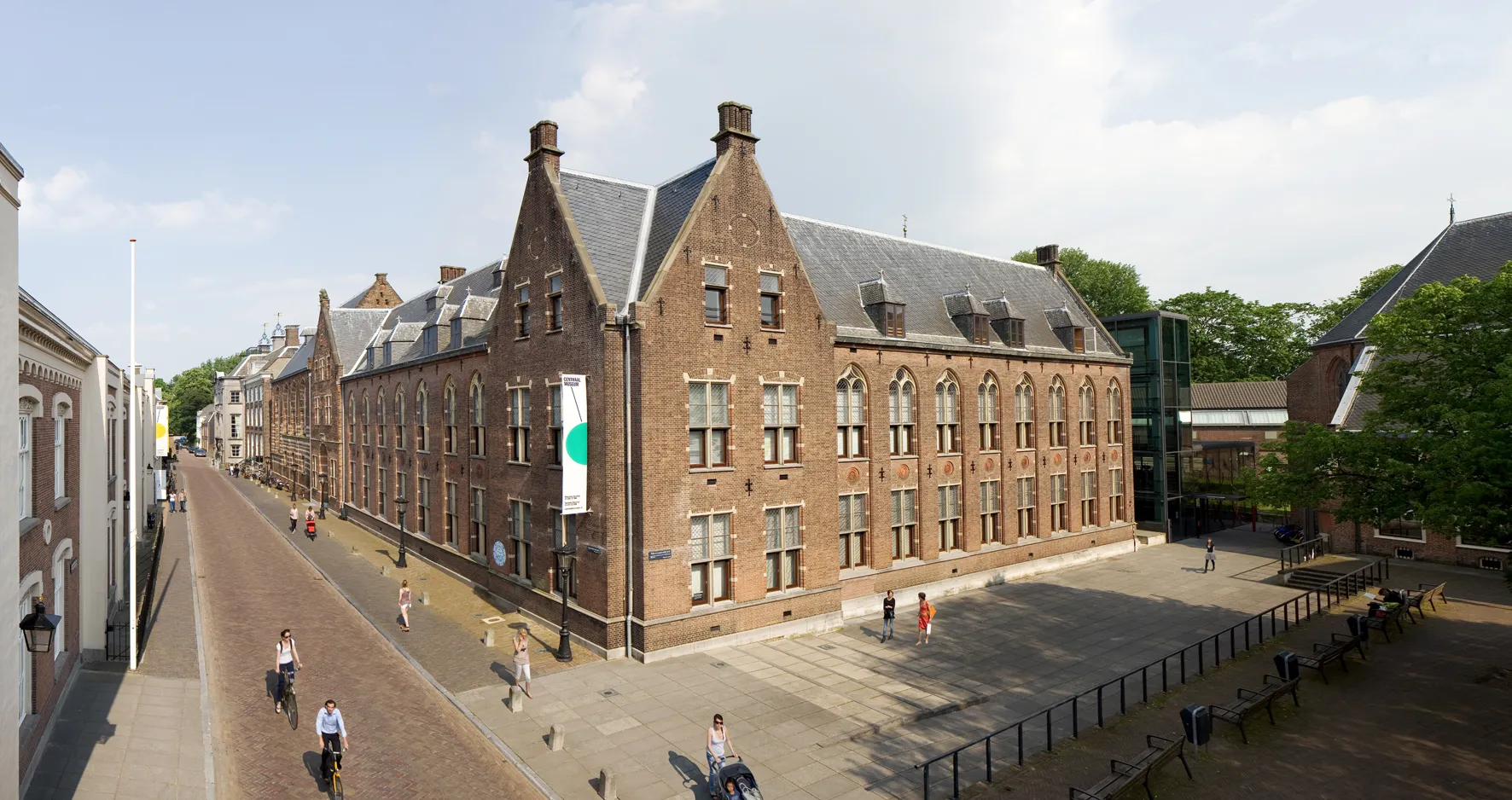
- Centraal Museum — The oldest city museum in the Netherlands, strong on the Utrecht Caravaggisti, the world's largest Rietveld collection, and a 1,000-year-old excavated ship.
- Rietveld Schröder House — Gerrit Rietveld's 1924 home, the only true De Stijl building and a UNESCO site, seen on a small timed tour that demonstrates its transformable upper floor.
- DOMunder — A flashlight-led archaeology tour beneath Domplein through Roman fort foundations, cathedral ruins, and the rubble of the 1674 tornado.
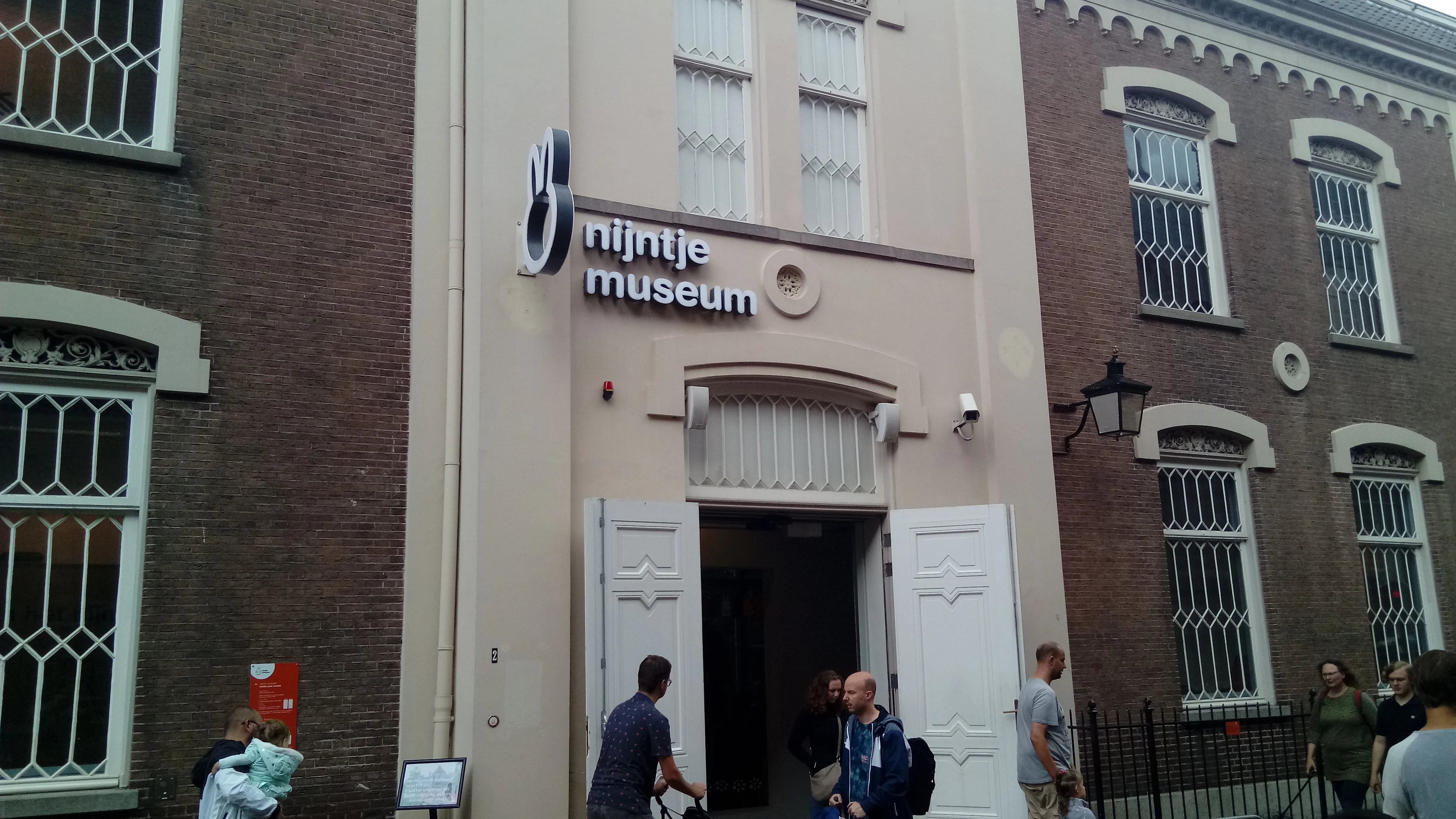
- Nijntje Museum — A hands-on world for under-sixes built around Dick Bruna's Miffy, in ten themed rooms across the street from the Centraal Museum.
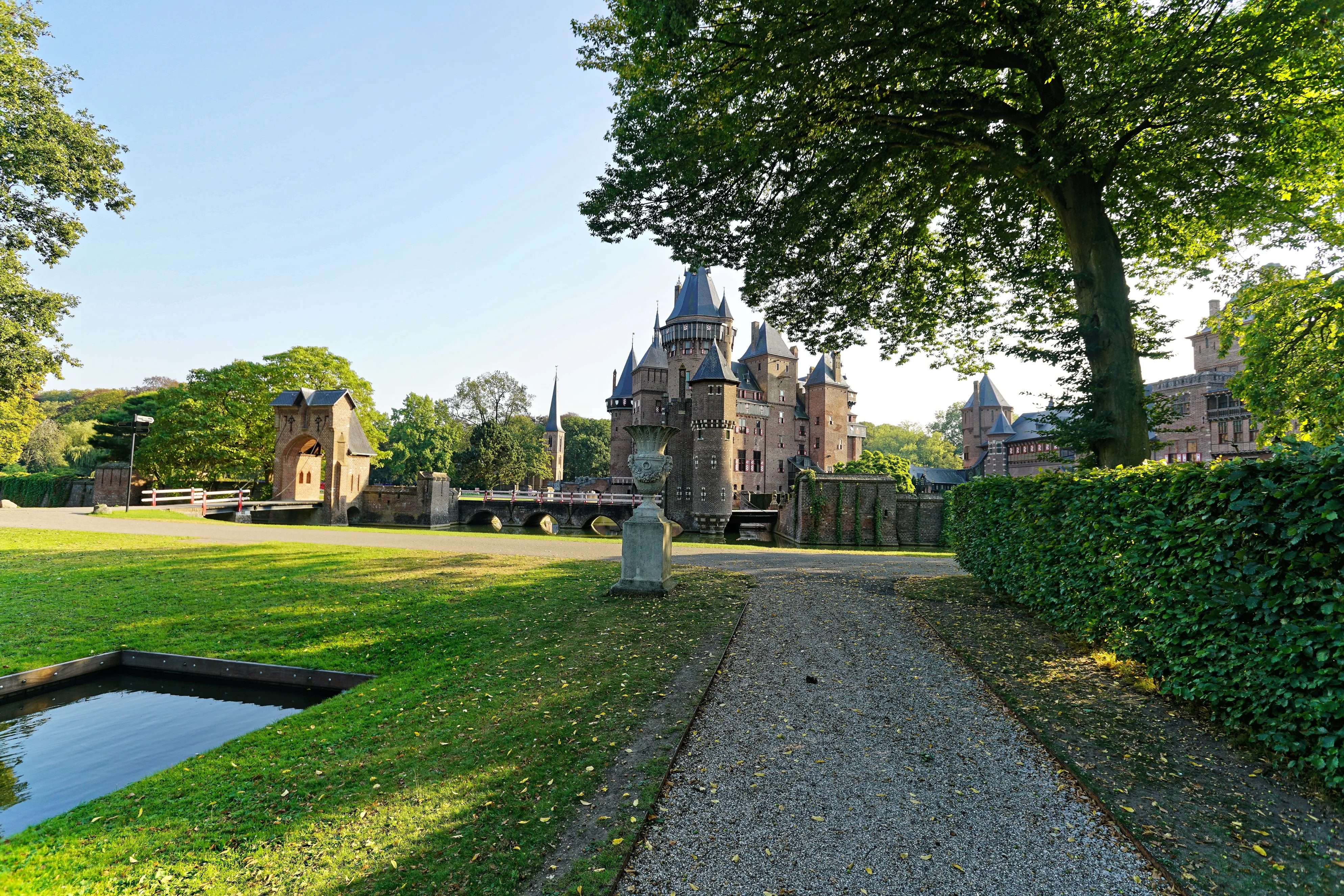
- Kasteel de Haar — The largest castle in the Netherlands, a neo-Gothic fantasy with Rothschild interiors and formal gardens, about 13 km west in Haarzuilens.
Centraal Museum
The Netherlands' oldest city museum — Caravaggisti, a buried medieval ship, and the world's largest Rietveld hoard
Dom Tower
465 steps to the top of the Netherlands — a Gothic tower standing alone since a tornado stole its cathedral
DOMunder
A torch, a sensor, and 2,000 years underfoot — Utrecht's history excavated beneath the cathedral square
Kasteel de Haar
The largest castle in the Netherlands — Cuypers' neo-Gothic fantasy funded by a Rothschild fortune
Museum Speelklok
Self-playing instruments from tiny music boxes to thundering fairground organs — all demonstrated live
Nijntje Museum
Dick Bruna's Miffy brought to toddler scale — ten themed rooms where under-sixes learn by playing
See all 8 attractions
Guide planning
How much does a tour guide cost in Utrecht?
| Tour Type | Price | Details |
|---|---|---|
| Walking Tours | €0-12 | Free tours (tip-based) or paid group tours covering the medieval center and canal wharves |
| Dom Tower Guided Climb | €12 | Guided ascent only — all visits include a guide who explains the tower's history during the 465-step climb |
| Architecture Tours | €20-35 | Medieval churches, canal wharves, and the Rietveld Schröder House (UNESCO) with architecture-focused guides |
| Private Half-Day Tours | €130-200 | 3-4 hours exploring the old center, museums, and hidden courtyards |
| Cycling Tours | €25-40 | Rides through Fort landscapes (Nieuwe Hollandse Waterlinie) and the countryside out to Kasteel de Haar |
| Full-Day Private Tours | €250-380 | 7-8 hours including the Rietveld Schröder House, Centraal Museum, canal wharves, and neighborhood walks |
Season planner
When is the best time to visit Utrecht?
Utrecht is at its finest from May through September, when the unique canal-level wharves (werfkelders) along the Oudegracht fill with restaurant terraces where locals and visitors eat and drink at the water's edge. The Dom Tower climb is best attempted on clear spring or autumn days when visibility extends to Amsterdam on the horizon. Summer evenings bring outdoor concerts, pop-up bars on the wharves, and the Trajectum Lumen light art route that illuminates the old center after dark. Music lovers should plan around Le Guess Who? festival in November, an internationally acclaimed event showcasing experimental and global music across venues throughout the city, from medieval churches to industrial spaces. The Saturday Vredenburg market runs year-round and is worth timing a visit for fresh Dutch cheese, flowers, and street food. Winter has a cozy charm, with the narrow medieval streets lit by holiday decorations and the Centraal Museum offering warm refuge — and Kasteel de Haar staging its Christmas Fair — though canal-side terraces close for the season.
Spring
Mar-May
Summer
Jun-Aug
Autumn
Sep-Nov
Winter
Dec-Feb
Each score averages that season’s monthly ratings out of 5. The top-rated window is usually the peak season too, so read the guidance above for its trade-offs before you book.
On the ground
How do you get around Utrecht?
- Day Trip or Overnight — Utrecht is 25 minutes from Amsterdam by Intercity train. A full day covers major sights, but an overnight stay lets you experience the canal wharves at night when restaurants glow and the Trajectum Lumen light route activates.
- Dom Tower Booking — All Dom Tower visits are guided — book online in advance as slots fill up, especially on weekends. The climb is not accessible for those with mobility limitations.
- Rietveld Schröder House Reservation — Tours of the house are by appointment only and limited to small groups. Book well ahead through the Centraal Museum, which manages the property and is where most tickets are collected.
- Kasteel de Haar by Bike or Bus — The castle is 13 km west in Haarzuilens; cycle the flat, signed 40-minute route or take a bus toward Vleuten. Public transport is limited, so check times before setting out.
- Walkable City — Utrecht's center is compact (15 minutes walk across). The train station sits adjacent to the historic core, making arrival-to-sightseeing immediate.
- Student Energy — Utrecht's 35,000 university students keep the city lively. Neude square and Voorstraat concentrate bars, live music venues, and restaurants popular with locals rather than tourists.
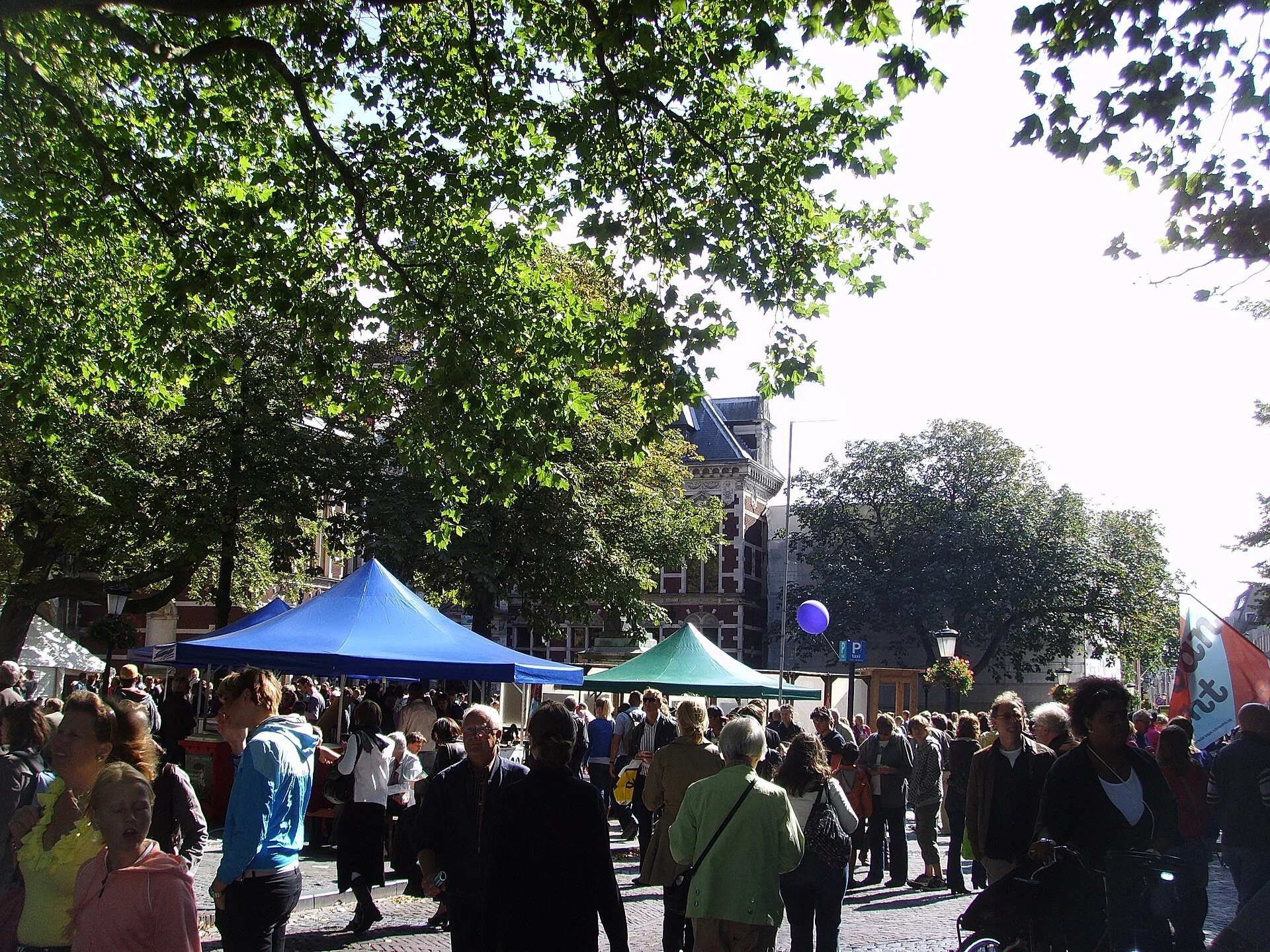
- Market Days — Saturday morning brings a large market to the city center along Vredenburg. Wednesday and Friday also have smaller markets worth browsing.
- Bike Parking — The massive underground bicycle parking facility at Utrecht Centraal holds 12,500 bikes — the world's largest. It signals how seriously this city takes cycling as transport.
Utrecht in Pictures
Frequently Asked Questions
Is Utrecht worth visiting, or should you just see Amsterdam?
Utrecht is worth a visit in its own right, and many travellers prefer it. It has the same gabled canals and museums as Amsterdam at a calmer, less touristy scale, plus one thing the capital lacks entirely — the canal-level werfkelder wharves, where restaurants sit at the water's edge below the street. A day here pairs a medieval core, the tallest church tower in the country, and a genuine student-city buzz without the crowds.
How many days do you need in Utrecht?
One full day covers the headline sights — the Dom Tower climb, the Oudegracht wharves, and one museum such as Museum Speelklok or the Centraal Museum. A second day lets you add the Rietveld Schröder House, DOMunder, and a half-day trip out to Kasteel de Haar, and to experience the wharves at night, when the waterside terraces glow.
Is Utrecht a good day trip from Amsterdam?
Yes — Utrecht is about 25 minutes from Amsterdam Centraal by frequent Intercity train, making it one of the easiest day trips in the Netherlands. Arrive mid-morning, climb the Dom Tower, lunch on the wharves, and fit in a museum before heading back. For the canal terraces after dark, though, an overnight stay rewards the effort.
What is Utrecht famous for?
Utrecht is famous for the Dom Tower, the tallest church tower in the Netherlands; its unique two-level canal wharves; being the lifelong home of Dick Bruna, creator of Miffy (Nijntje); the De Stijl Rietveld Schröder House; and the world's largest bicycle parking garage. It was also founded as the Roman fort Traiectum in 47 AD.
How much does a tour guide cost in Utrecht?
Tip-based walking tours of the medieval centre and wharves are effectively free; paid group walks run roughly €12-35 depending on focus, and a guided Dom Tower climb is around €12. Private half-day tours start near €130, and a full-day private guide including Kasteel de Haar or the Rietveld Schröder House runs €250-380.
How do you get around Utrecht?
The centre is tiny — about 15 minutes' walk across — and sits right beside Utrecht Centraal station, so most visitors simply walk. Bikes are the local default, with the world's largest cycle park (12,500 spaces) under the station. For Kasteel de Haar, cycle or take a bus toward Vleuten; everything else in this guide is on foot.