
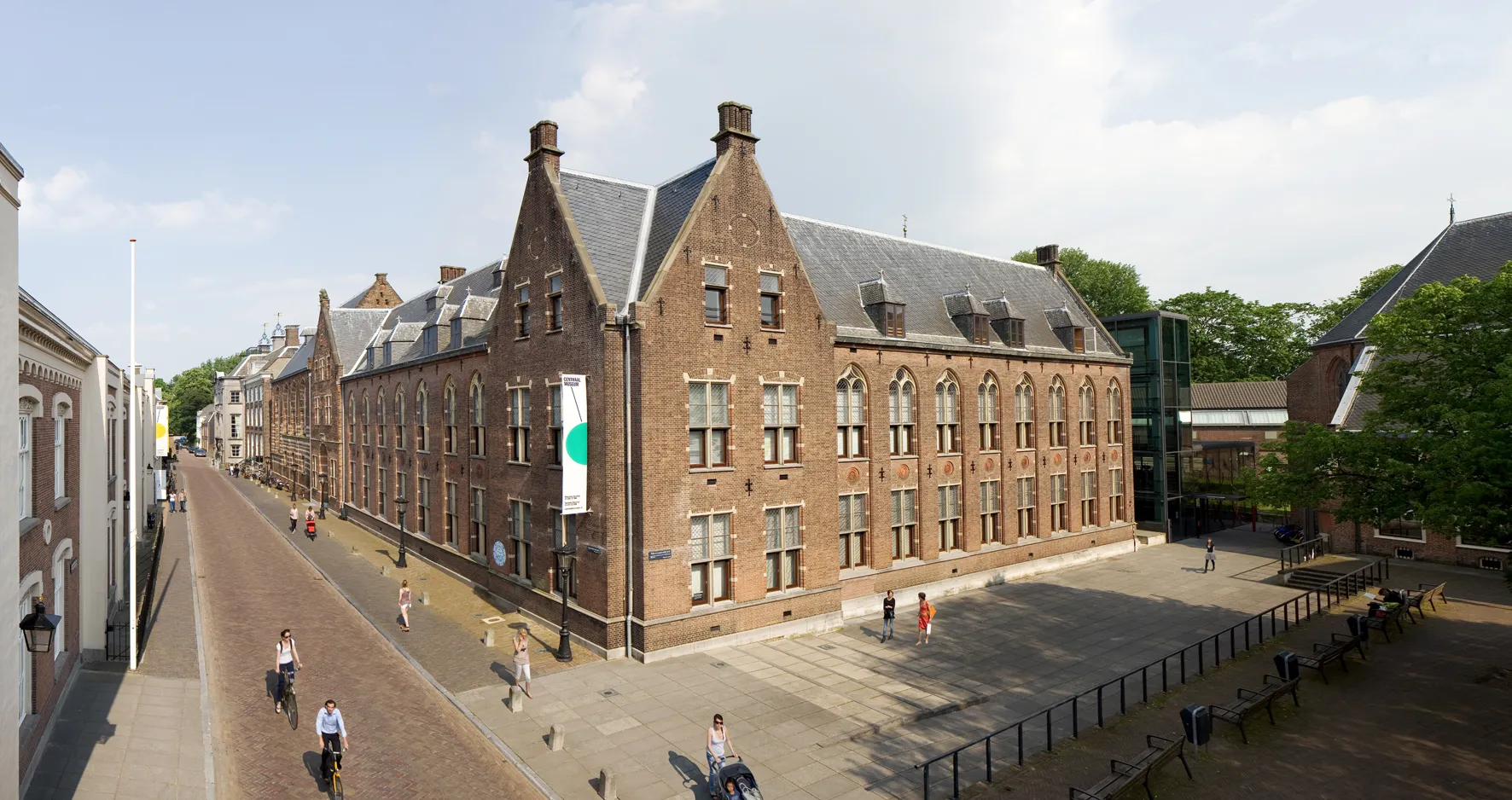
Collections Highlights
Utrecht Caravaggisti: The core of the museum — Hendrick ter Brugghen's and Gerard van Honthorst's theatrical, candle-lit scenes show how Caravaggio's Roman style was transmitted into Dutch art through Utrecht. Joachim Wtewael: The world's largest holding of this Utrecht Mannerist, whose jewel-like, intricate small panels reward close inspection with a magnifier. The Rietveld collection: The largest group of Gerrit Rietveld furniture and design anywhere, including iterations of the Red and Blue Chair — the essential primer before visiting the Rietveld Schröder House. The Utrecht Ship: A roughly 1,000-year-old flat-bottomed boat excavated in 1930, displayed in the basement as a tangible piece of early-medieval Utrecht. Fashion and applied arts: A rotating costume and design department that makes the museum more varied than its old-master reputation suggests.
Guided Tours
Because the Centraal Museum is a collection of specialties rather than a single grand display, a themed guided tour is the difference between a pleasant wander and genuine understanding. Guides focused on the Utrecht Caravaggisti explain how a handful of painters carried Caravaggio's lighting north and why it mattered to the later Dutch Golden Age; De Stijl tours trace the line from the museum's Rietveld holdings directly to the Rietveld Schröder House across the city. Group tours are bookable in advance and can be tailored to art history, design, or the building's own past as a medieval convent. Pair a morning tour here with the Dom Tower climb and lunch at the canal wharves for a full day that moves from painting to architecture to the water.
Centraal Museum in Pictures
When to Visit
Open: Tuesday-Sunday, roughly 11:00-17:00; closed Mondays. Best: Weekday mornings for quiet galleries — the Caravaggisti rooms reward unhurried looking. Allow: 2-3 hours for the main collection, more if you add the Nijntje Museum or a guided focus on Rietveld. Quiet season: Winter weekdays are near-empty and pair well with the cosy medieval streets outside. Combine: The Rietveld Schröder House ticket is usually collected here first.
Admission and Costs
General admission: Around €16 for adults; children typically free or heavily reduced. Museumkaart: Accepted for free entry — worth it if you visit more than three Dutch museums in a year. Combination tickets: A single ticket can bundle the museum with the Rietveld Schröder House and, for families, the Nijntje Museum. Guided tours: Group and themed tours (Caravaggisti, De Stijl) are bookable in advance and are the best way to unlock the collection's specialties. Café: The museum garden café is a pleasant, lower-cost stop even without a ticket.
Tips for Visitors
Lead with the Caravaggisti: The candlelit canvases of Ter Brugghen and Honthorst are the collection's signature — see them while your eyes are fresh rather than at the end of a long visit. Don't skip the basement: The Utrecht Ship is easy to miss but is one of the oldest objects in the building and a direct link to the city's waterborne past, the same canals you see at the wharves. Use the combination ticket: If you plan to see the Rietveld Schröder House, buy the bundled ticket here and reserve the timed house slot at the same time. Families: The adjoining Nijntje Museum is aimed at under-sixes — older children do better in the main galleries, so split the group if ages are mixed. Garden break: The inner courtyard and café make a calm pause; entry to the shop and café does not require a museum ticket.
Frequently Asked Questions
What is the Centraal Museum in Utrecht known for?
Three things set it apart: the Utrecht Caravaggisti — Dutch painters like Hendrick ter Brugghen and Gerard van Honthorst who studied Caravaggio in Rome — the world's largest collection of Gerrit Rietveld designs, and the Utrecht Ship, a roughly 1,000-year-old wooden boat dug out of the city's soil in 1930.
How much does Centraal Museum cost and is the Museumkaart accepted?
Standard admission is around €16 for adults, with children entering free or at a steep discount. The Dutch Museumkaart is accepted for free entry. Combination tickets link the museum with the nearby Rietveld Schröder House and the Nijntje Museum, which the Centraal Museum also runs.
How long should you spend at the Centraal Museum?
Plan on two to three hours. The collection spans medieval art, the seventeenth-century Caravaggisti, De Stijl and Rietveld, modern fashion, and the city's archaeology, so it rewards a slower visit than its modest exterior suggests. Families often split time between here and the adjoining Nijntje Museum.