Rotterdam timeline
-
Dam on the Rotte
The river dam gave Rotterdam its name and medieval starting point.
-
City rights granted
Municipal rights helped Rotterdam grow as a trading town.
-
Nieuwe Waterweg opens
The dredged sea channel gave Rotterdam a direct deep-water link to the North Sea, cementing its rise into Europe's leading port.
-
Wartime bombing
Destruction of the center led to Rotterdam's modernist rebuilding identity.
-
Erasmus Bridge opens
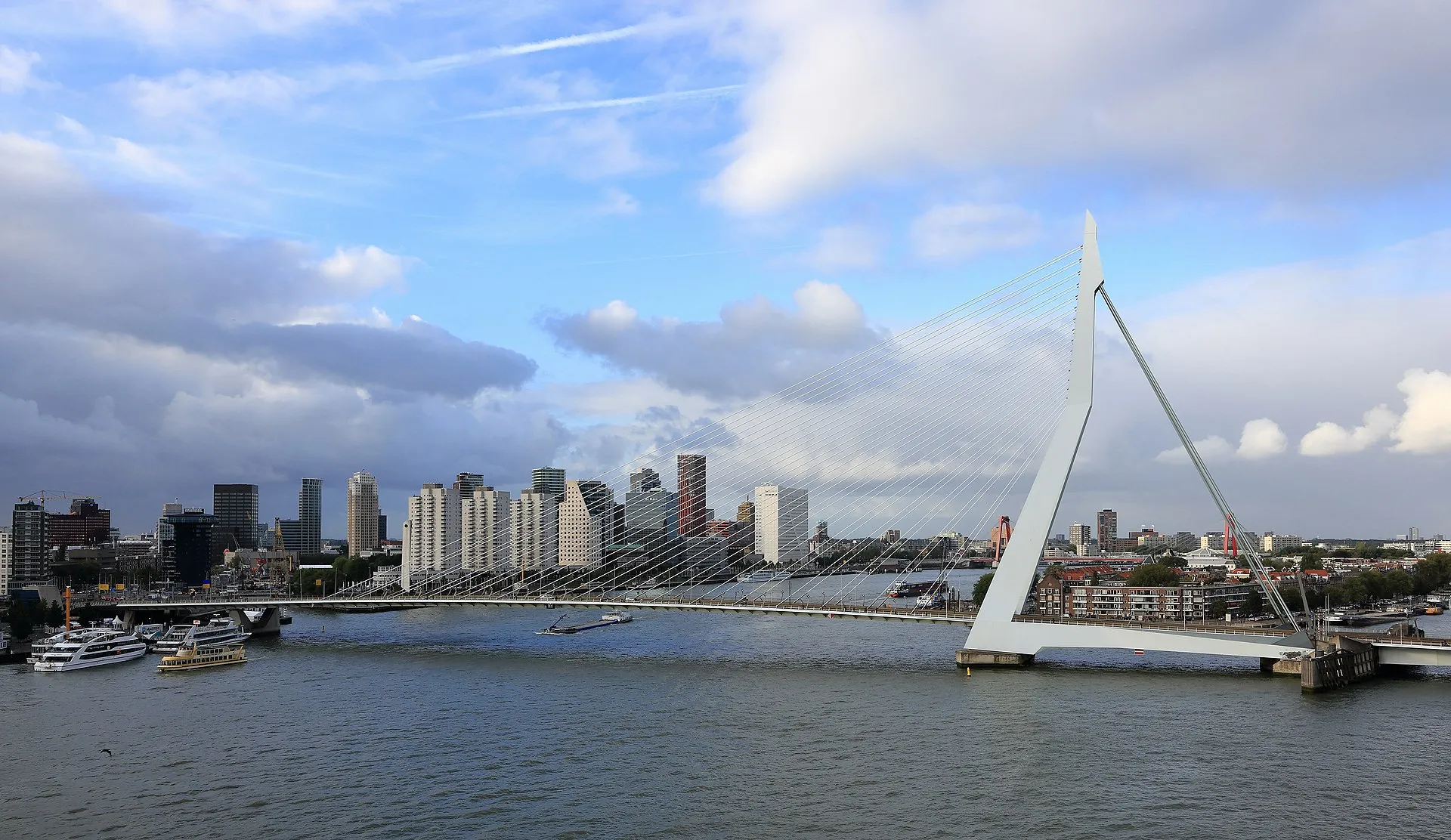
The cable-stayed "Swan" linked the centre to Kop van Zuid and became the symbol of the reinvented city.
Cited city facts
Key facts for visiting Rotterdam
Port of Rotterdam handles around 440 million tonnes of cargo annually
Europe's largest seaport stretches roughly 40 km from the city centre along the Nieuwe Maas out to the Maasvlakte reclaimed from the North Sea, and the wider port-industrial complex sustains tens of thousands of jobs — the economic engine that makes Rotterdam matter far beyond its own city limits
The May 1940 bombing destroyed some 24,000 homes in a single afternoon
The German air raid of 14 May 1940 levelled about 2.6 square kilometres of Rotterdam's historic centre, killed close to 900 people and left roughly 80,000 homeless — the erasure that pushed the city toward its radical postwar commitment to modern architecture
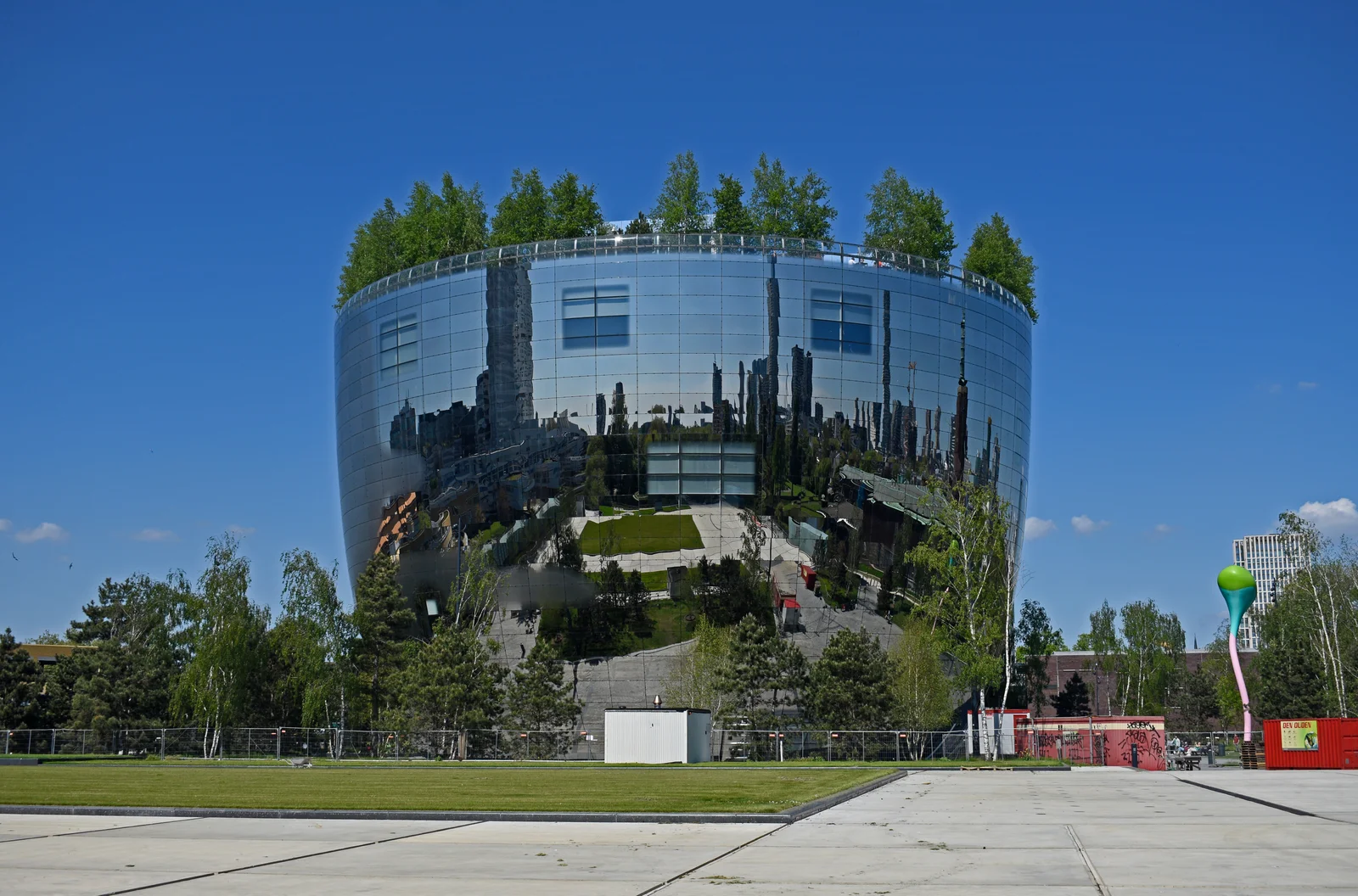
Depot Boijmans Van Beuningen keeps 151,000 artworks in public view
Opened in 2021 beside the Kunsthal in the Museumpark, the mirrored bowl-shaped building by Rotterdam firm MVRDV is the world's first fully accessible art storage facility, where visitors walk among the racks rather than through curated galleries
Nearly half of Rotterdam residents have a migration background
More than 170 nationalities are represented across the city, making it one of the most ethnically diverse municipalities in the Netherlands and shaping the food scenes of neighbourhoods like Katendrecht and Witte de Withstraat
Rotterdam is the Netherlands' second-largest city, with roughly 660,000 residents
Only Amsterdam is larger; Rotterdam anchors a metropolitan region of well over a million people and functions as the country's industrial and logistical counterweight to the capital's financial and cultural pull
The humanist Erasmus was born in Rotterdam around 1466
Desiderius Erasmus, the Renaissance scholar whose name the Erasmus Bridge and Erasmus University now carry, is the city's most famous historical figure — a reminder that Rotterdam's identity reaches back centuries before its modern reinvention
Source: tour-guide.com — Free to cite with attribution
Things to see
What are the top attractions in Rotterdam?
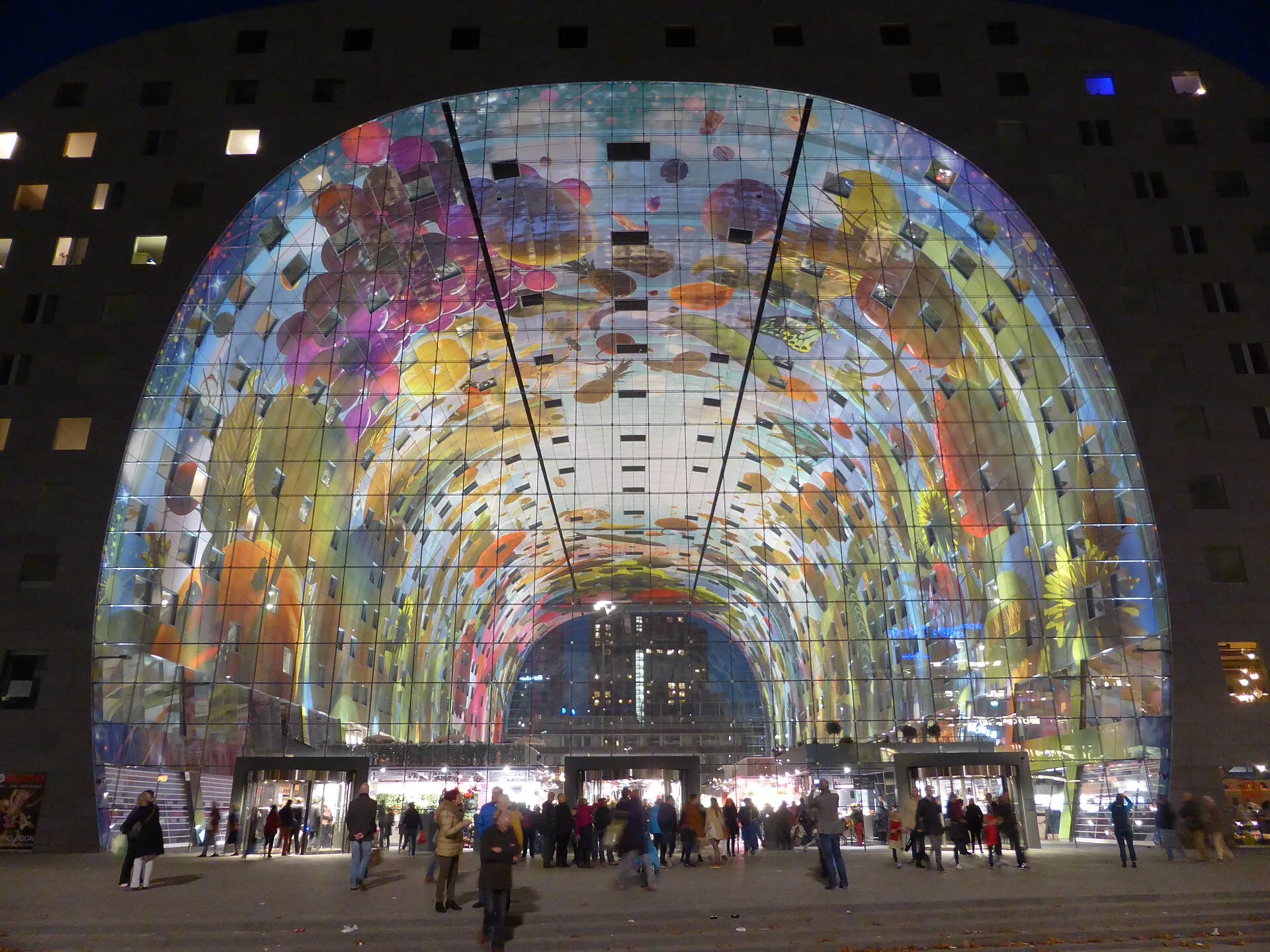
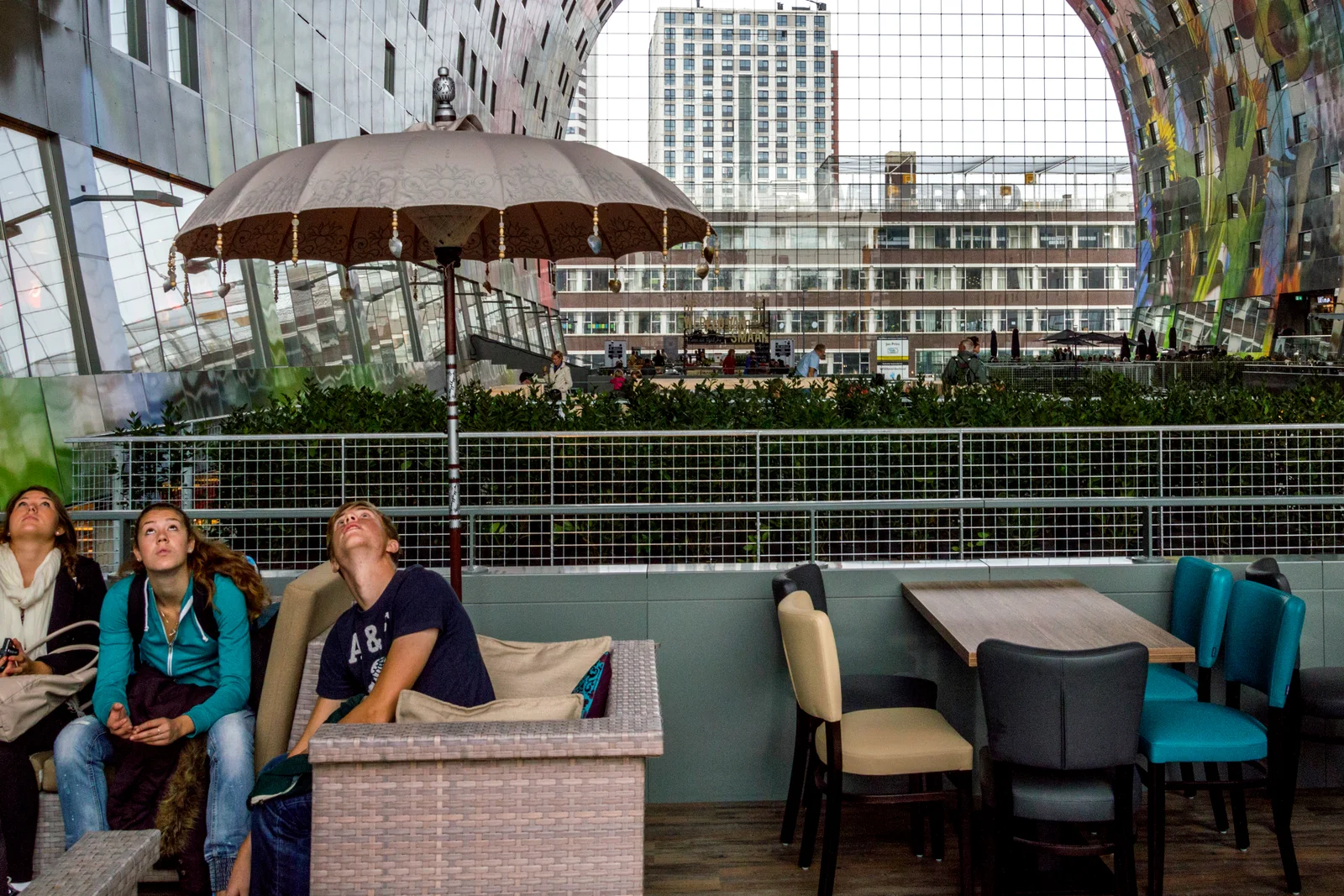
- Markthal — Stand beneath the 11,000-square-meter ceiling mural — nicknamed the "Sistine Chapel of Rotterdam" — while sampling Dutch cheese, Surinamese roti, and freshly fried kibbeling from the market stalls below.
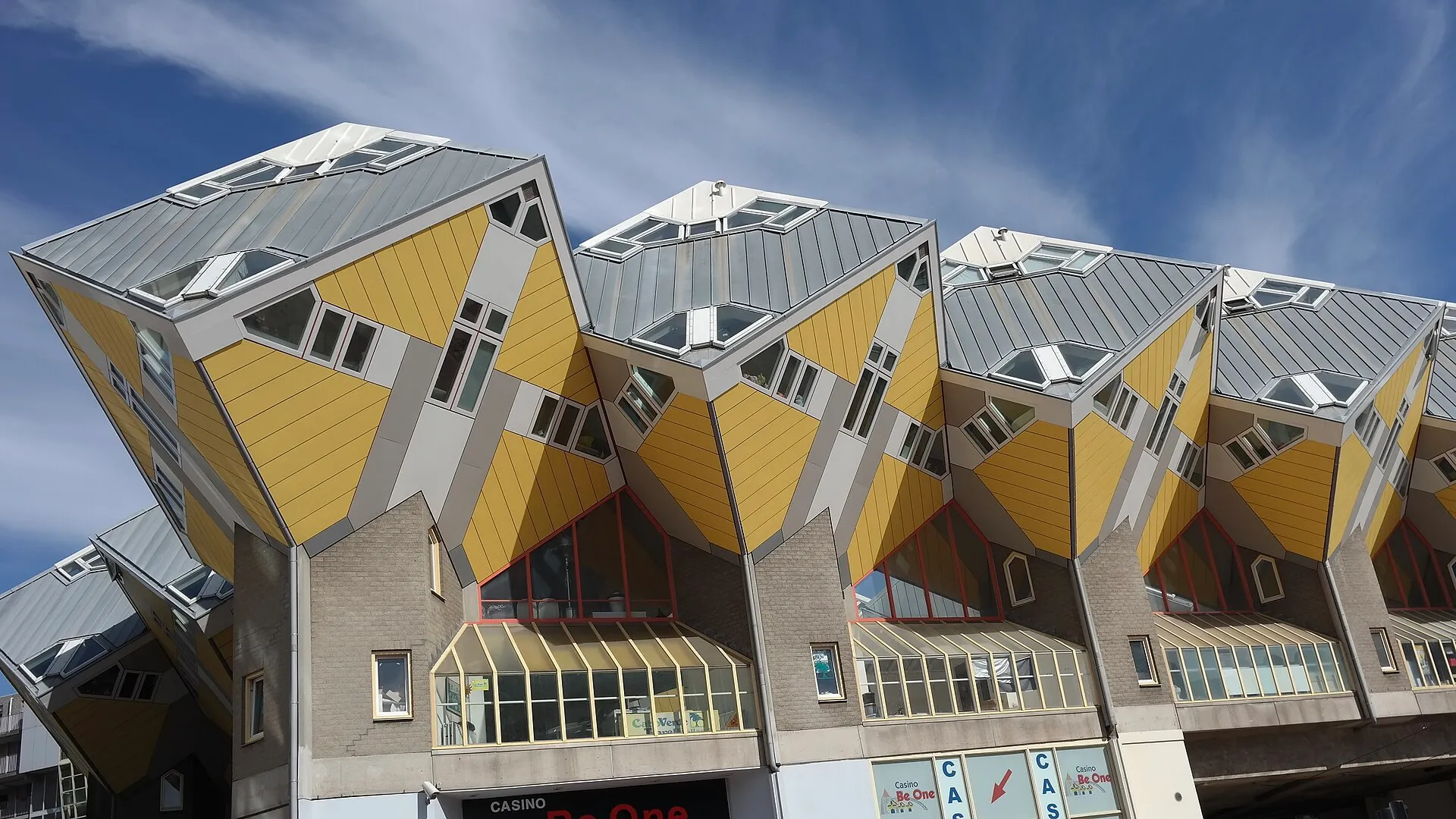
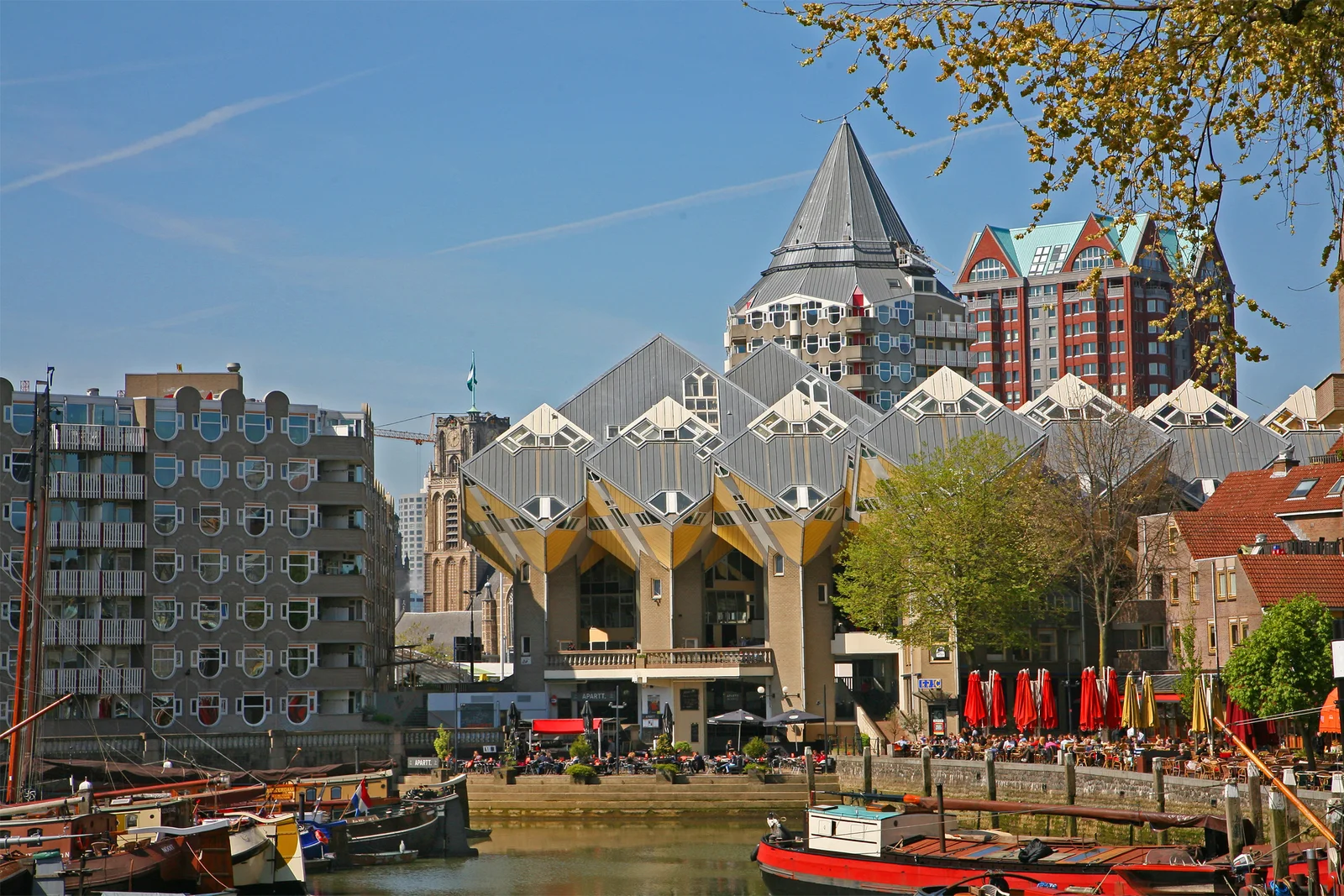
- Cube Houses — Visit the show cube to see how residents live inside Blom's tilted geometry, then walk across the Blaak pedestrian bridge for the best photograph of the entire complex.
- Depot Boijmans Van Beuningen — The world's first publicly accessible art storage facility — a mirrored, bowl-shaped building where visitors see how 151,000 artworks are stored, conserved, and restored.
- Katendrecht Peninsula — Former sailor's red-light district reborn as Rotterdam's foodie neighborhood — Fenix Food Factory occupies a restored warehouse with craft beer, artisan bread, and waterfront seating.
- Erasmus Bridge — Walk across at dusk when the bridge's cables catch the last light against the skyline, then continue to Hotel New York in the former Holland America Line headquarters where emigrants once departed for the New World.
- Witte de Withstraat — Rotterdam's cultural artery — galleries, independent cinemas, cafés, and the street that connects the Kunsthal to the city center through a corridor of creative energy.
Cube Houses
Living at 45 degrees — Piet Blom's radical experiment in urban housing above Rotterdam's Blaak station
Erasmus Bridge
Rotterdam's "Swan" — an 802-meter cable-stayed bridge that stitched a divided city back together
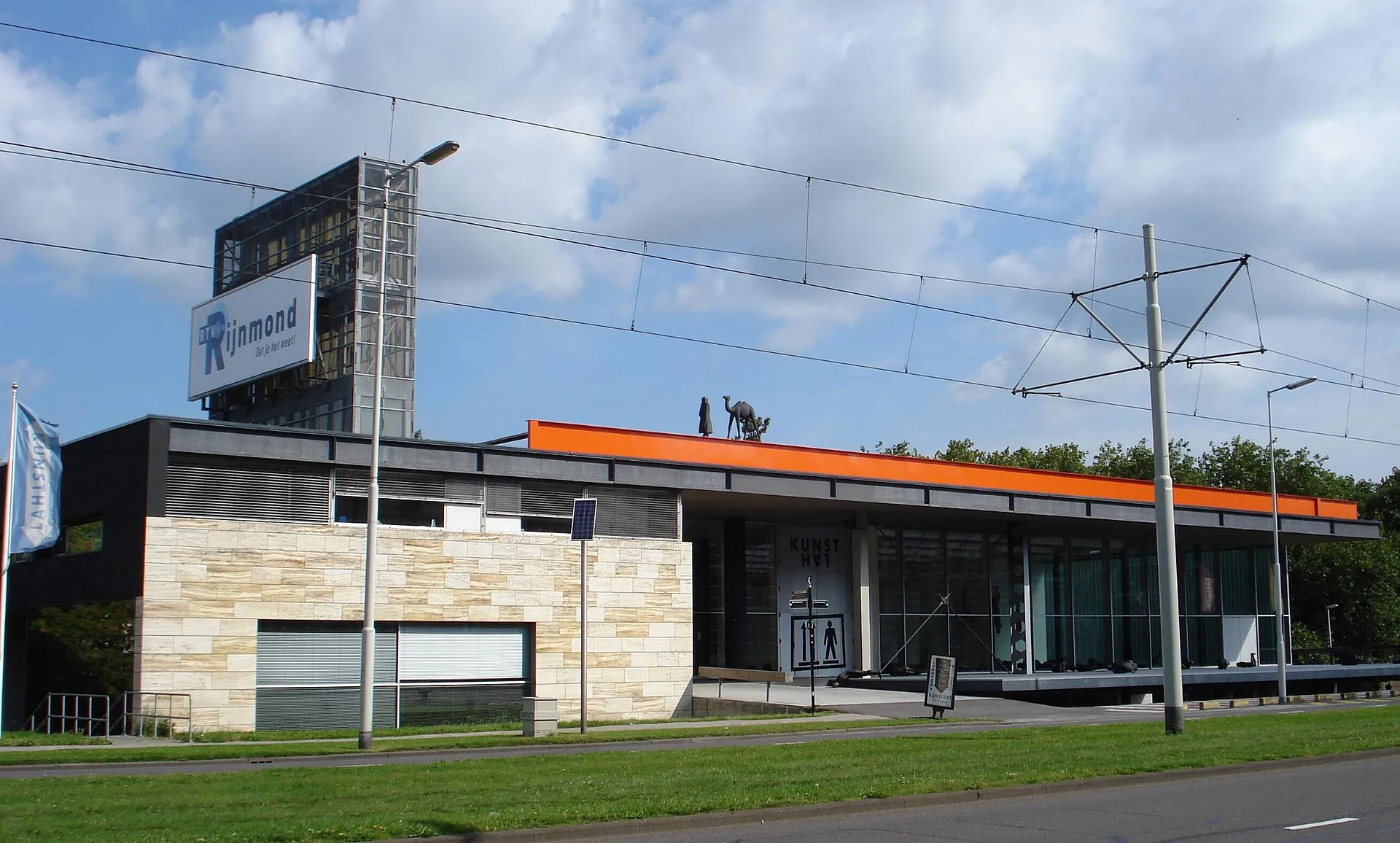
Kunsthal
Rem Koolhaas's exhibition hall — a building designed to transform itself for every show it hosts
Markthal
A cathedral of food — Rotterdam's horseshoe-shaped market hall beneath the largest artwork in the Netherlands
Guide planning
How much does a tour guide cost in Rotterdam?
| Tour Type | Price | Details |
|---|---|---|
| Walking Tours | €0-15 | Free tours (tip-based) or paid group tours focused on architecture and reconstruction history |
| Architecture Tours | €25-45 | Specialist guides covering postwar reconstruction, Koolhaas landmarks, and contemporary projects |
| Harbor Boat Tours | €15-25 | 75-minute cruises through Europe's largest port — container terminals, shipyards, and offshore installations |
| Private Half-Day Tours | €150-250 | 3-4 hours covering architecture highlights, market halls, and harbor views |
| Food Tours | €55-85 | Markthal tastings combined with neighborhood food spots in Katendrecht and Witte de Withstraat |
| Full-Day Private Tours | €300-450 | 7-8 hours including harbor cruise, architecture walk, and food stops across multiple districts |
Season planner
When is the best time to visit Rotterdam?
May through September is the prime season for Rotterdam, when long days and mild weather favor rooftop terraces, harbor boat tours, and walking between the city's spread-out architectural landmarks. Architecture enthusiasts should aim for the Rotterdam Architecture Month events held each June, which offer rare access to private buildings, studios, and construction sites. The North Sea Jazz Festival in early July draws world-class musicians to Ahoy Rotterdam and fills the city with live performances at venues and pop-up stages across town. The Wereldhavendagen (World Port Days) in early September open Europe's largest port to the public, with ship tours, demonstrations, and fireworks along the Nieuwe Maas. Late January and early February bring the International Film Festival Rotterdam (IFFR), one of the world's leading showcases for independent and experimental cinema, which fills the city's screens and cafés even in the coldest weeks. Winter is otherwise quieter but rewarding for museum visits, as Depot Boijmans Van Beuningen, the Kunsthal, and Museum Boijmans Van Beuningen offer rich indoor experiences without summer queues. The Rotterdam Christmas market at the Markthal and ice rink at the Erasmuspark provide seasonal atmosphere from late November.
Spring
Mar-May
Summer
Jun-Aug
Autumn
Sep-Nov
Winter
Dec-Feb
Each score averages that season’s monthly ratings out of 5. The top-rated window is usually the peak season too, so read the guidance above for its trade-offs before you book.
On the ground
How do you get around Rotterdam?
- Architecture Maps — Pick up a free architecture guide from the Rotterdam Tourist Information office near Centraal Station. The city publishes excellent self-guided walking routes covering different architectural eras.
- Rotterdam Welcome Card — Offers museum discounts, harbor cruise access, and public transport for 1-3 days. Worth calculating against individual prices for your planned visits.
- Water Taxi — Yellow water taxis zip across the Nieuwe Maas to destinations including Hotel New York and Katendrecht — faster and more scenic than bus routes for cross-river journeys.
- Day Trip from Amsterdam — Rotterdam is 40 minutes by Intercity train from Amsterdam Centraal. A full day allows coverage of major sites, but architecture enthusiasts could spend two days exploring different districts.
- Cycling Infrastructure — Rotterdam's flat terrain and excellent bike lanes make cycling practical for covering distances between spread-out attractions. OV-fiets bike rental is available at Centraal Station.
- Rooftop Culture — Rotterdam embraces rooftop gardens, bars, and farms. Op Het Dak on the Schieblock building combines urban farming with a café offering skyline views — check seasonal opening hours.
- Dress in layers and carry waterproofs regardless of the forecast.
Rotterdam in Pictures
Frequently Asked Questions
What is the best time to visit Rotterdam?
June is a highlight thanks to Rotterdam Architecture Month, which opens private buildings and studios to the public. Early July brings the North Sea Jazz Festival, filling the city with world-class live music, while summer in general is ideal for rooftop terraces and harbor boat tours.
How much does a tour guide cost in Rotterdam?
Walking Tours: €0-15 (Free tours (tip-based) or paid group tours focused on architecture and reconstruction history).
How do you get around Rotterdam?
Rotterdam has metro, trams, and buses all accessible with a single OV-chipkaart. Water taxis zip across the Nieuwe Maas for scenic cross-river trips. The city is very bikeable with dedicated lanes throughout and OV-fiets rental at Centraal Station.
How many days do you need in Rotterdam?
A single full day covers the headline architecture — the Cube Houses, the Markthal, and a walk across the Erasmus Bridge — which is why so many visitors treat Rotterdam as a 40-minute day trip from Amsterdam. Two days let you add a harbour boat tour, Depot Boijmans Van Beuningen, and an evening in Katendrecht or on Witte de Withstraat, and give the spread-out districts room to breathe.
Is Rotterdam worth visiting compared with Amsterdam?
They answer different questions. Amsterdam is the Golden Age city of canals and museums; Rotterdam is the modern, working port city that rebuilt itself from wartime rubble into Europe's boldest architectural showcase. If you have seen the canal ring and want to understand contemporary Dutch design, engineering, and multicultural food culture, Rotterdam rewards the 40-minute train ride.