
Spiritual Significance
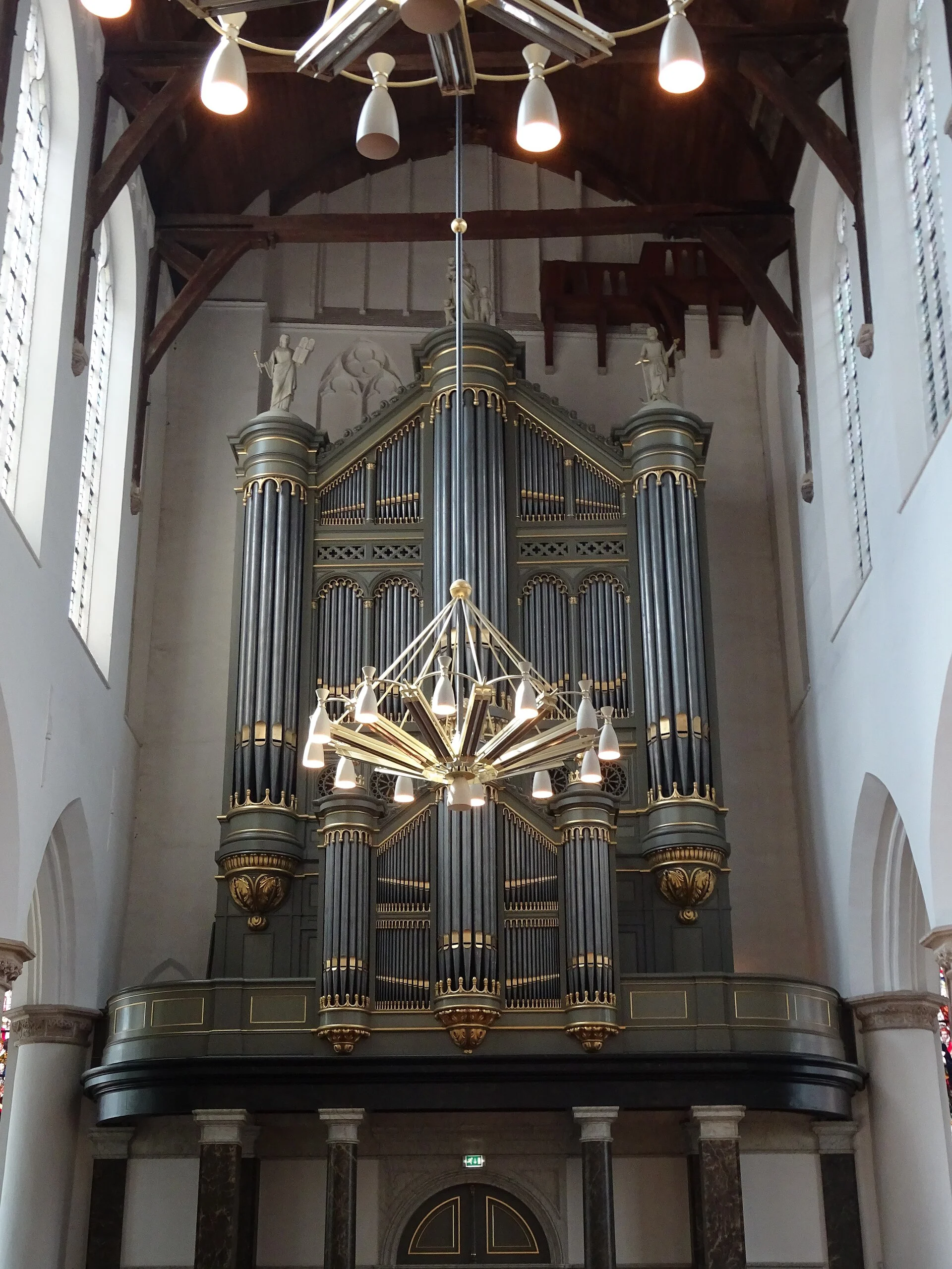
Vermeer's resting place: The grave of Johannes Vermeer, marked today by a modern slab on the north side — a place of quiet pilgrimage for visitors who have just seen his reproductions at the Vermeer Centrum. Van Leeuwenhoek's monument: The ornate marble tomb of Antonie van Leeuwenhoek, the self-taught father of microbiology, complete with an emblem of his microscope. Admiral Tromp's tomb: A grand carved monument to Maarten Tromp, its relief depicting the naval battle in which he fell — a centrepiece of Golden Age maritime memory. Piet Hein's memorial: The tomb of the admiral who seized the Spanish silver fleet, a folk hero still sung about in the Netherlands. The Bourdon bell: The nine-tonne bell rung only on the rarest occasions, because the leaning tower cannot safely bear the vibration. Organs and stained glass: Two historic organs and 20th-century stained glass that floods the whitewashed Protestant interior with colour.
Visitor Etiquette
The Oude Kerk is an active Protestant church as well as a monument, so services, weddings, and concerts take priority over sightseeing — check the schedule before arriving, especially on Sundays. Speak quietly inside; visitors are walking over and around centuries-old graves, and many come specifically to pay respects at Vermeer's and Van Leeuwenhoek's memorials. Photography without flash is generally welcome, but avoid it during any service or ceremony. Treat the worn floor slabs with care and stay on the marked routes near the most fragile tombs. Pair a visit with the Nieuwe Kerk, Royal Delft, and the Vermeer Centrum for a full day across Delft's spiritual, artistic, and craft heritage.
Oude Kerk in Pictures
When to Visit
Open: Generally Monday-Saturday 9:00-18:00 from April to October, with shorter winter hours (often closing at 17:00 and reduced days from November to March). Closed to tourists during Sunday services and occasional concerts or weddings. Best: Late morning, when light from the tall windows crosses the nave and the floor tombs; weekday visits are quietest. Allow: 45-60 minutes to take in the tombs, the organ, and the stained glass. The same ticket structure pairs with the Nieuwe Kerk, so plan both for one efficient morning.
Admission and Costs
Admission: about €6 (around $6.50) for adults. Combination ticket with the Nieuwe Kerk: roughly €9 (around $10), the better value if you are visiting both churches. Children: reduced rates, with under-sixes usually free. Museumkaart and city-card holders enter at a discount or free. Note that the Oude Kerk's leaning tower — unlike the Nieuwe Kerk's — is not open for climbing, so there is no separate tower fee here. Guided group tours are arranged through the church office.
The Case for a Guide
A guide turns the Oude Kerk from a quiet old church into the keystone of Delft's Golden Age story. Standing at Vermeer's slab, a good guide explains why the painter — celebrated worldwide today — died in debt and was buried in the older, humbler church rather than the royal Nieuwe Kerk. At Van Leeuwenhoek's monument, the guide connects the draper's home-ground lenses to the birth of microbiology a few streets away. The admirals' tombs open up the maritime side of the same era — the trade, the wars, and the silver that paid for the city's canal houses. Guides also read the architecture: why the tower leans, how the foundations failed, and why the great bell stays silent most of the year. Combined with Royal Delft and the Vermeer Centrum, the Oude Kerk anchors a walking tour that ties painting, science, faith, and seafaring into one square kilometre.
Tips for Visitors
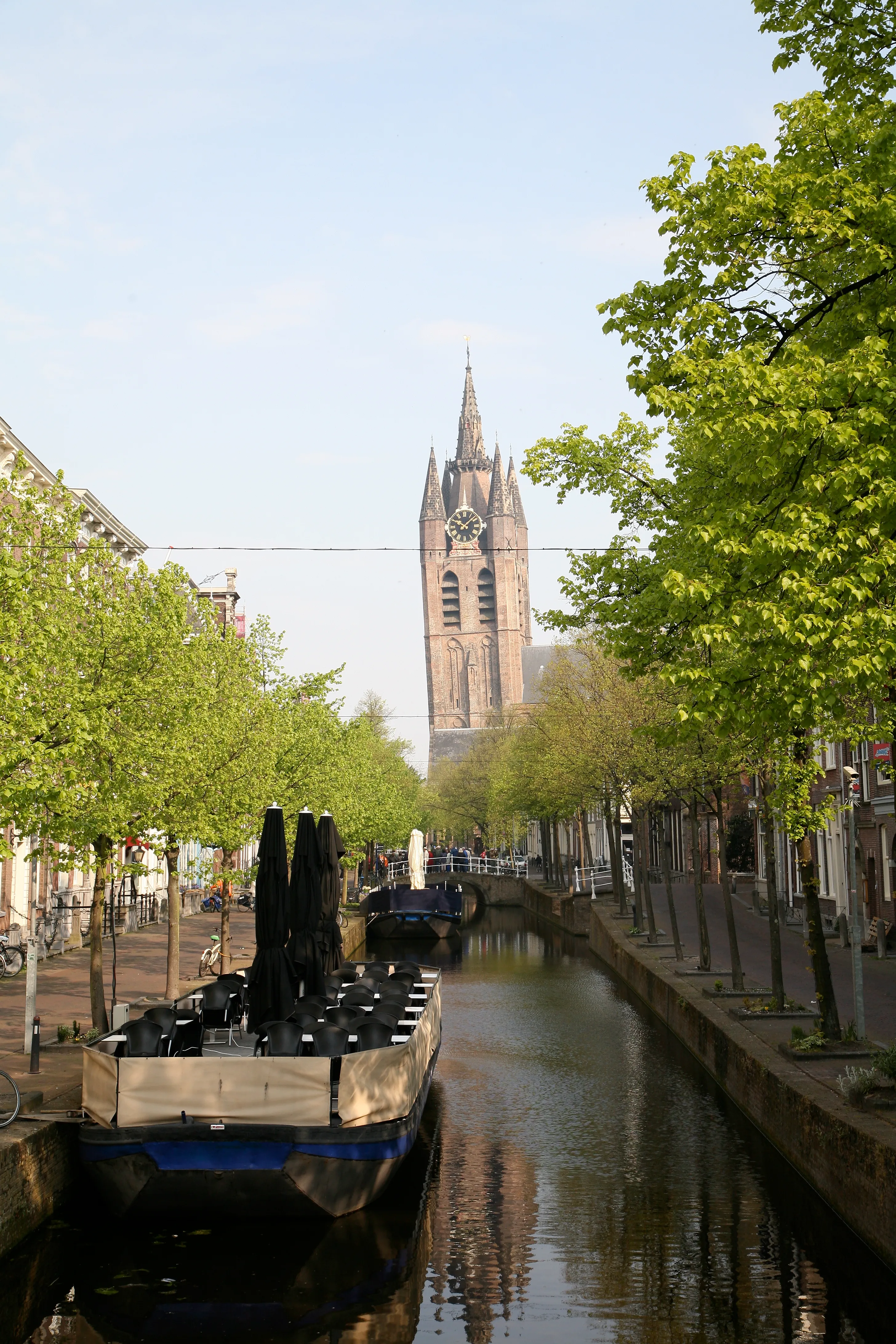
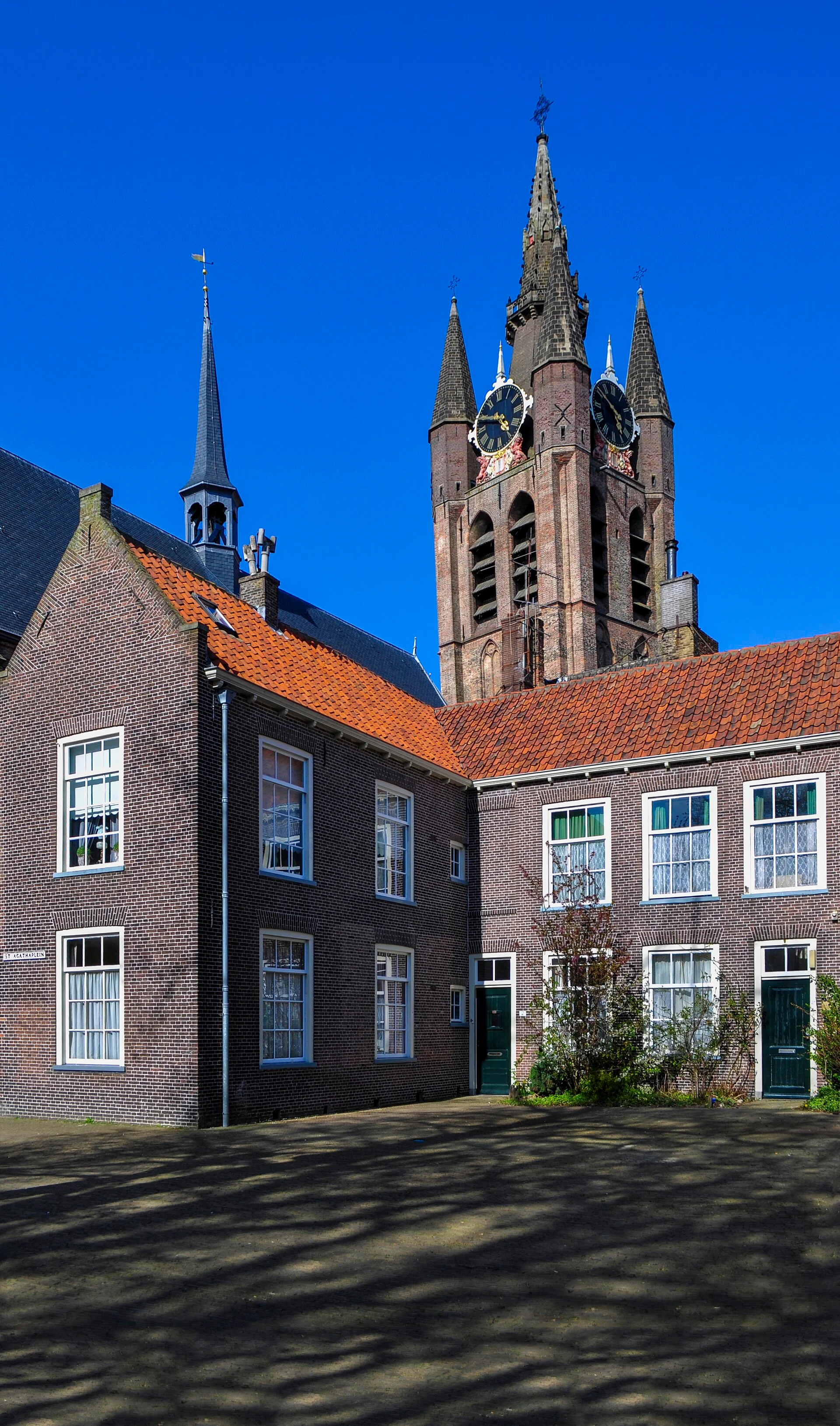
Finding Vermeer's grave: The memorial slab is on the north side of the nave — staff and the floor plan point the way, since the painter's actual family grave is unmarked. Combination ticket: Buy the Oude Kerk + Nieuwe Kerk ticket if you intend to see both; the churches are a five-minute walk apart and the combined ticket saves money. No tower climb here: For the panoramic view over Delft, climb the Nieuwe Kerk's 376 steps instead — the Oude Kerk's leaning tower stays closed. Photograph the lean from outside: The tilt reads most dramatically from the Heilige Geestkerkhof and the bridges over the Oude Delft canal — see the one-day Delft itinerary for the exact vantage points. Quiet hours: Arrive at opening or in the last hour before closing to have the tombs almost to yourself.
Frequently Asked Questions
Where is Johannes Vermeer buried in Delft?
Vermeer is buried in the Oude Kerk, in the family grave on the north side of the church. A modern memorial slab marks the spot, since the original family grave is not individually identifiable. The painter died in 1675, deeply in debt, and was interred here rather than in the grander Nieuwe Kerk across town.
Why does the Oude Kerk tower lean?
The 75-metre tower was built in stages from the 14th century on soft, waterlogged ground beside a filled-in canal. The foundations settled unevenly during construction, and the tower now leans about two metres out of vertical — earning it the nickname "Scheve Jan" (Leaning Jan). The lean is why the heaviest bell is rung only on rare occasions.
How much does it cost to visit the Oude Kerk in Delft?
Admission is about €6 (around $6.50) for adults; a combination ticket covering both the Oude Kerk and the Nieuwe Kerk costs roughly €9 (around $10) and is the better value if you plan to see both churches. Children and cardholders receive reductions.
Can you climb the tower of the Oude Kerk?
No. Unlike the Nieuwe Kerk, the leaning tower of the Oude Kerk is not open for climbing — its tilt and the fragility of the structure keep it closed to visitors. For panoramic views over Delft, climb the 376 steps of the Nieuwe Kerk tower on the Markt instead.