
Visitor Etiquette
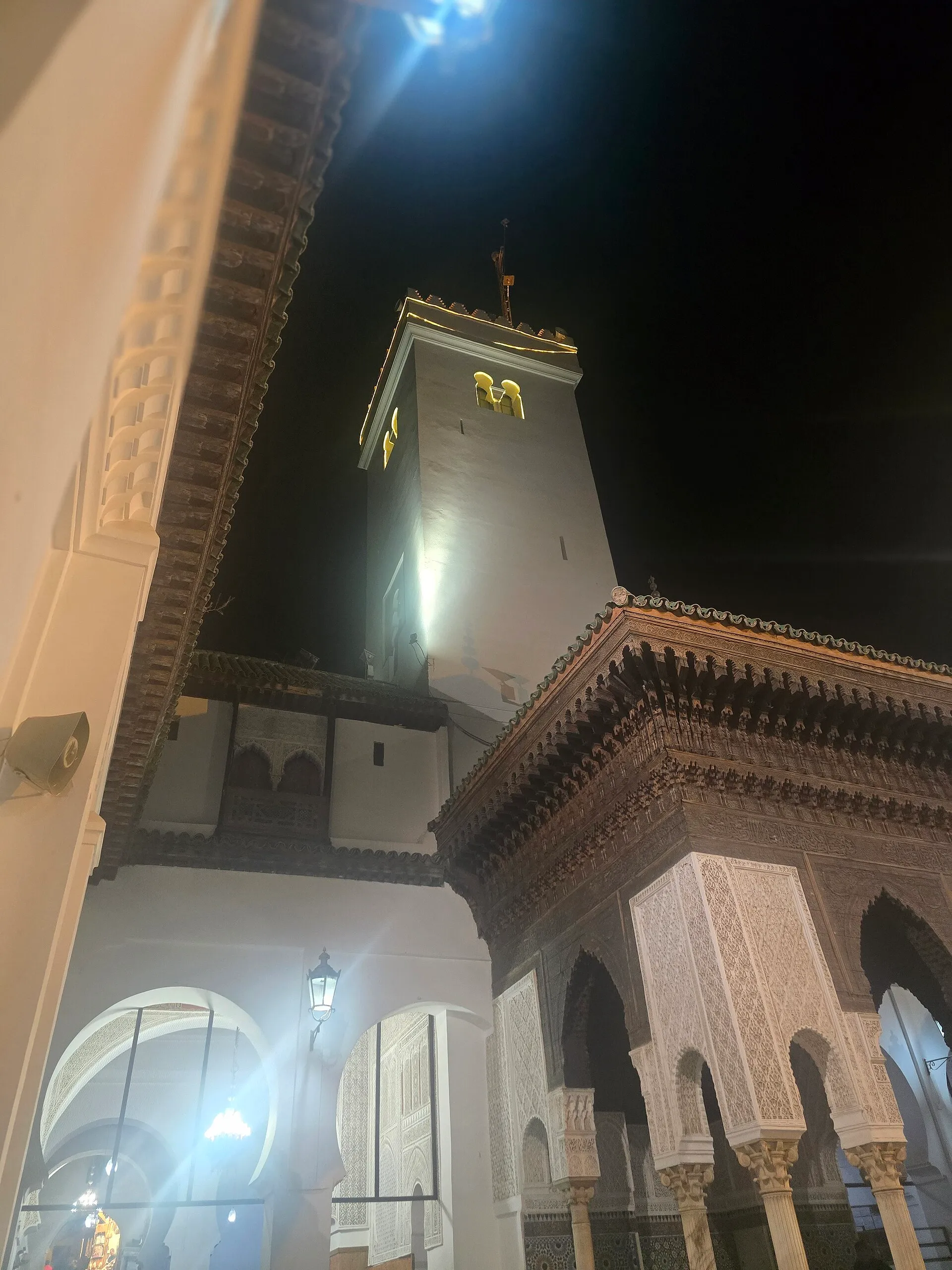
Al-Qarawiyyin is an active mosque and functioning university — non-Muslim visitors cannot enter the prayer hall or mosque interior. Access is limited to views through the ornate doorways and from specific vantage points in the surrounding medina lanes. The courtyard and library are not open to the general public; respectful viewing from the street is the standard experience for non-Muslim tourists. When positioning yourself at the doorways to look inside, avoid blocking the entrance or impeding worshippers and students who pass through. Dress conservatively out of respect for the active religious site: covered shoulders and legs are appropriate throughout the surrounding Fes el-Bali medina, not just at this specific threshold. Photography of the exterior doorways and glimpsed courtyard from the street is generally acceptable, but raise your camera only briefly and avoid using flash. Do not lean through doorways or attempt to enter unmarked areas to obtain better photographs — the mosque administration takes access restrictions seriously.
Spiritual Significance
Fatima al-Fihri founded Al-Qarawiyyin not as a civic institution but as an act of religious devotion: she had inherited a substantial fortune from her father and resolved to spend it entirely on a mosque and school that would serve her community's spiritual and intellectual needs. That a woman of the 9th century — and a recent immigrant, not a native of Fez — would dedicate her entire inheritance to religious education makes the founding story itself a theological statement about the Islamic duty of charitable giving (zakat and sadaqa). For over 1,100 years, the mosque has been the spiritual anchor of the Fez medina, with the call to prayer from its ancient minaret orienting the surrounding city in both literal and devotional terms. The scholars who passed through Al-Qarawiyyin — including Ibn Rushd, who reconciled Aristotelian philosophy with Islamic theology, and al-Ghazali, whose work on the revival of religious sciences remains foundational in Sunni Islam — understood themselves as engaged in ilm (the pursuit of knowledge as worship): in Islamic tradition, seeking knowledge is itself a religious obligation, and the university embodied that principle for twelve centuries. The library's 9th-century Quran written on camel skin represents not merely a historical artifact but a living chain of transmission (isnad): the words of God, copied by human hands in the generation just after revelation, preserved through a thousand years of prayer and scholarship in the same building where those words were taught.
When to Visit
Mosque interior: Open only to Muslims for prayer. Library: Open to researchers by appointment; general visitors can view the courtyard and entrance areas. Courtyard viewing: Peek through open doors during non-prayer times (typically 9 AM - 12 PM, 2 PM - 5 PM). Best time: Mid-morning on weekdays when doors are most likely to be open. Exterior and surrounding area: Always accessible within the medina.
Admission and Costs
Viewing the exterior and courtyard glimpses: Free. Guided medina tour including Al-Qarawiyyin: 600-1,000 MAD (€55-92) for half-day private tour. Specialist Islamic history tour: 800-1,400 MAD (€74-130) for dedicated scholarly guide. Group walking tour passing Al-Qarawiyyin: 150-300 MAD (€14-28) per person.
Tips for Visitors
Respect prayer times: Doors may close during the five daily prayers; guides plan your route around these. Photography: Exterior and courtyard photography through doorways is acceptable; never point cameras inside the prayer hall. Combine with nearby sites: Bou Inania Madrasa (15-minute walk) and Attarine Madrasa (2-minute walk) complete the picture. Dress modestly: You are at an active mosque; cover shoulders and knees as a sign of respect. Finding it: The mosque has no prominent exterior entrance; a guide navigates the unmarked alleys to the right vantage point. Historical context first: Visit the Bou Inania Madrasa (which you can enter) before Al-Qarawiyyin to understand the architectural traditions.
Frequently Asked Questions
What time of year is recommended for visiting Al-Qarawiyyin?
March through May and September through November are the best windows, when Fez's temperatures are warm enough to enjoy the medina strolls but not so extreme that the narrow streets become stifling. The mosque courtyard doors are most reliably open during non-prayer hours in these shoulder months. Avoid July and August, when temperatures inside the walled medina regularly exceed 40 degrees Celsius and the lack of air circulation makes exploration exhausting.
What are the public visiting hours at Al-Qarawiyyin?
Mosque interior: Open only to Muslims for prayer. Library: Open to researchers by appointment; general visitors can view the courtyard and entrance areas.
Does Al-Qarawiyyin charge an admission fee?
Viewing the exterior and courtyard glimpses: FREE. Guided medina tour including Al-Qarawiyyin: 600-1,000 MAD (€55-92) for half-day private tour. Specialist Islamic history tour: 800-1,400 MAD (€74-130) for dedicated scholarly guide.
What should visitors know before visiting Al-Qarawiyyin?
Respect prayer times: Doors may close during the five daily prayers; guides plan your route around these. Photography: Exterior and courtyard photography through doorways is acceptable; never point cameras inside the prayer hall.